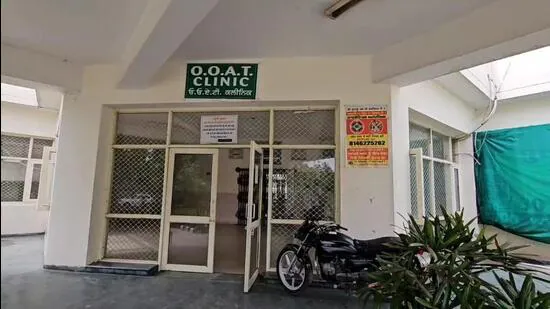
With injectable drugs emerging as the main contributor of sharp rise in new HIV infections, the Punjab government has ordered mandatory HIV screening of all drug addicts registered at Outpatient Opioid Assisted Treatment (OOAT) centres across the state. The large-scale testing drive is set to begin from Monday.The Punjab government has ordered mandatory HIV screening of all drug addicts registered at Outpatient Opioid Assisted Treatment (OOAT) centres across the state.According to an official communication issued by the Punjab health department, there are 455 operational OOAT centres in Punjab, with 3,09,918 registered clients currently undergoing treatment for substance abuse.“It is imperative to screen all clients registered with OOAT centres for HIV,” the department stated in the order issued to district health authorities – a copy of which is with HT.The intensified screening follows alarming findings in the latest report by the National AIDS Control Organisation (NACO), which revealed that Punjab is one of the worst-affected states in the country for new HIV infections, ranking second only to Bihar.The report “Sankalak: Status of National AIDS & STD Response” showed that while India recorded a 47% decline in annual new HIV infections between 2010 and 2024, Punjab witnessed a 58.7% increase during the same period. Annual new infections in the state have more than doubled since 2010.Punjab recorded 6,785 new HIV infections in 2024 — the second-highest count among Indian states. Injecting drug users (IDUs) remained the biggest contributors to the spread of infection, while heterosexual contact with non-regular and non-commercial partners accounted for another 17% of new cases.Shared needles driving rise in HIV, Hepatitis casesAccording to the report, a significant 56% of newly detected HIV-positive cases in Punjab were associated with the use of contaminated syringes.According to health experts, injectable substance abuse significantly raises the risk of both blood-borne and sexually transmitted viral infections.Sharing needles and syringes increases the likelihood of transmission of HIV as well as Hepatitis B and C. Drug use also impairs judgment, often leading to unsafe sexual practices and increasing vulnerability to HIV and other sexually transmitted infections.Under the directive, all individuals found reactive during screening will undergo confirmatory testing and be linked to treatment services. Those already diagnosed with HIV, but have discontinued treatment will be reconnected to Antiretroviral Therapy (ART) centres for continuation of care.“Early detection through mass screening and timely linkage to treatment can help contain further spread and improve health outcomes among high-risk groups. During the first two phases, HIV screening was conducted at 177 OOAT centres and positivity was significantly high. The upcoming phase, beginning Monday, will cover the remaining OOAT centres across Punjab,” said Dr Vishal, director of Punjab State AIDS Control Society.
Now, all addicts at Punjab rehab centres to undergo HIV screening
According to an official communication issued by the Punjab health department, there are 455 operational OOAT centres in Punjab, with 3,09,918 registered clients currently undergoing treatment for substance abuse
441 words~2 min read