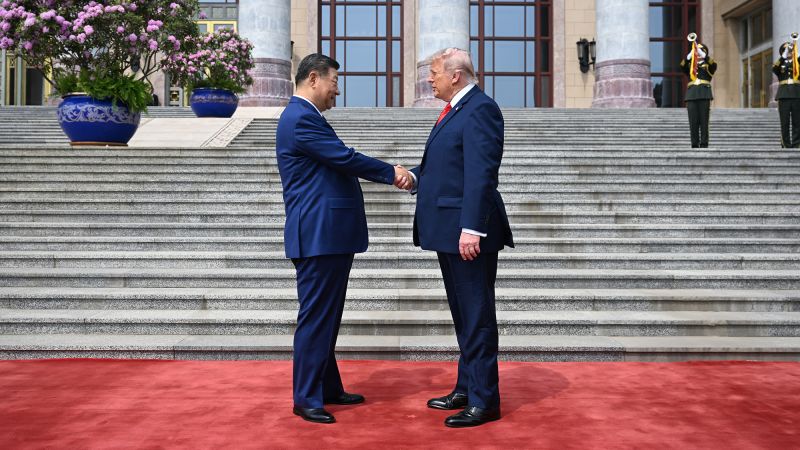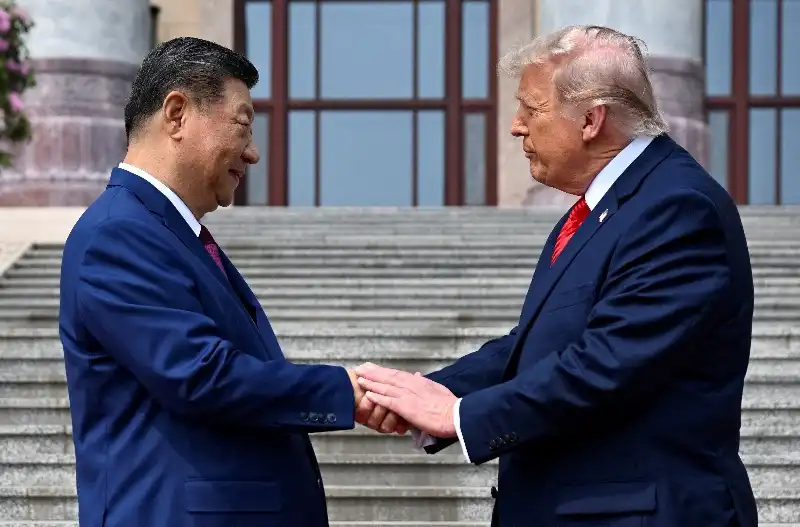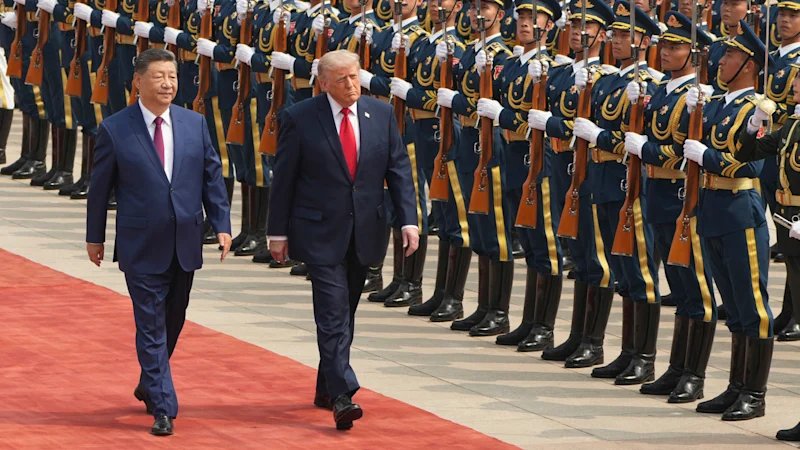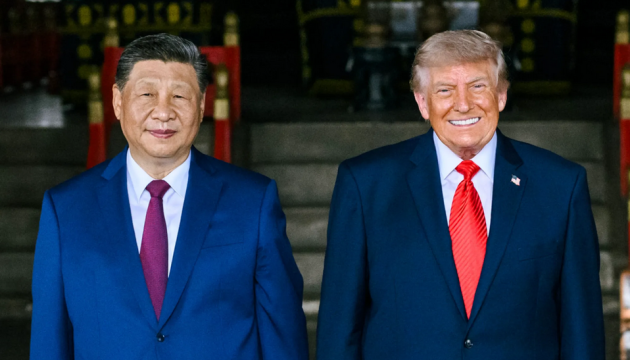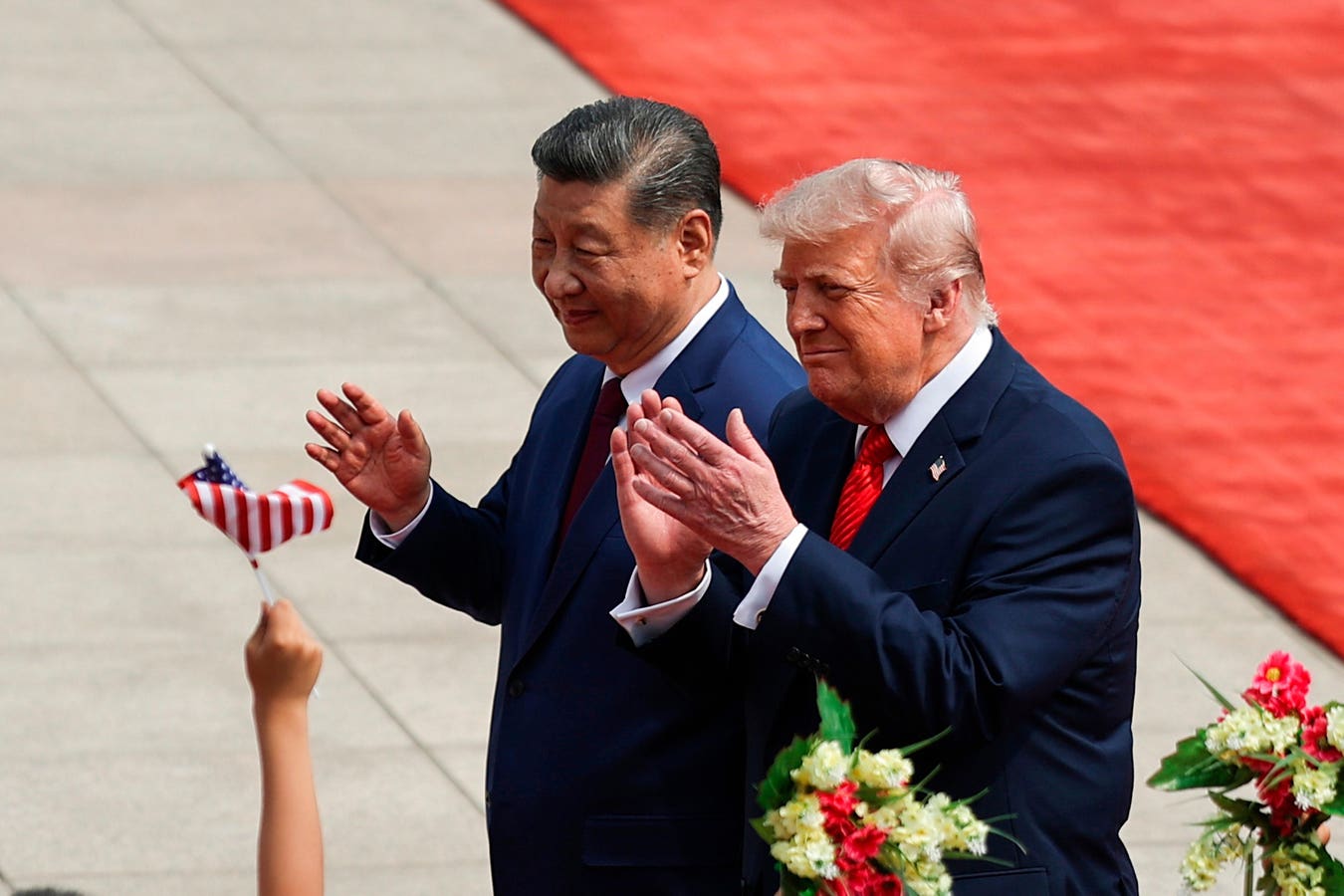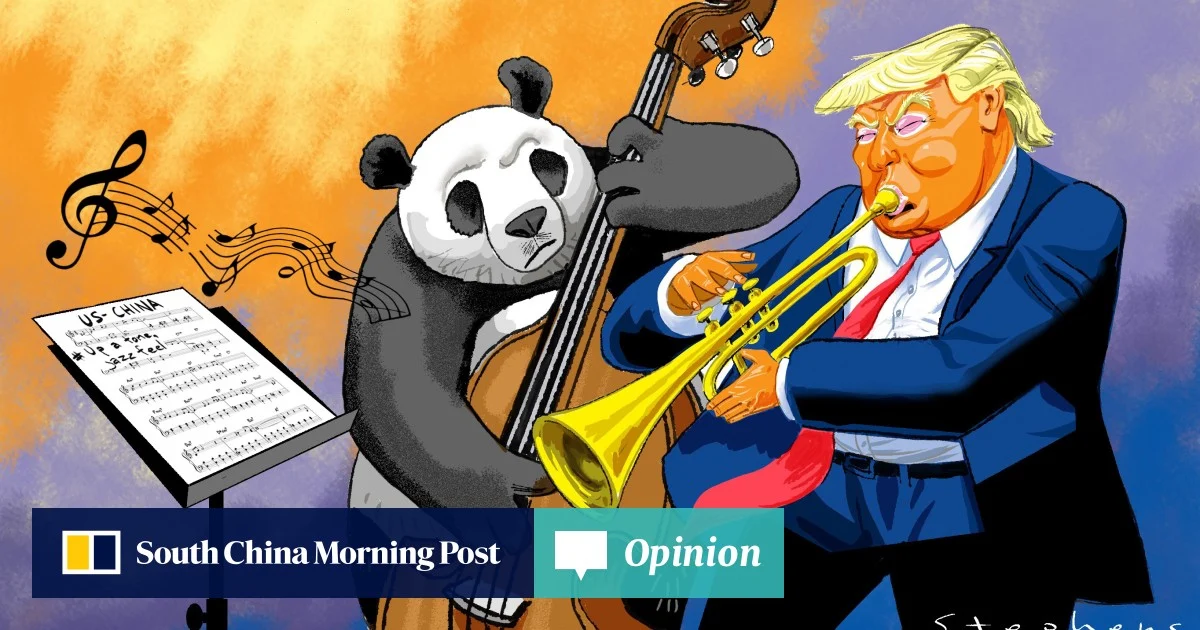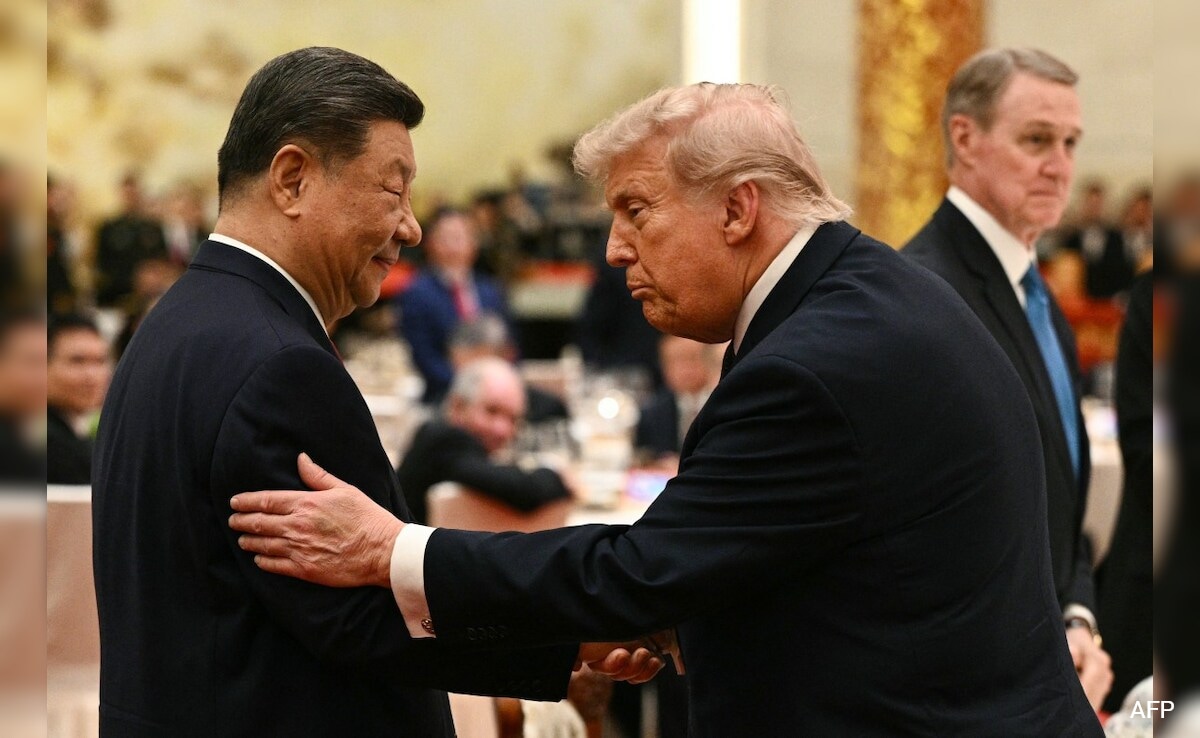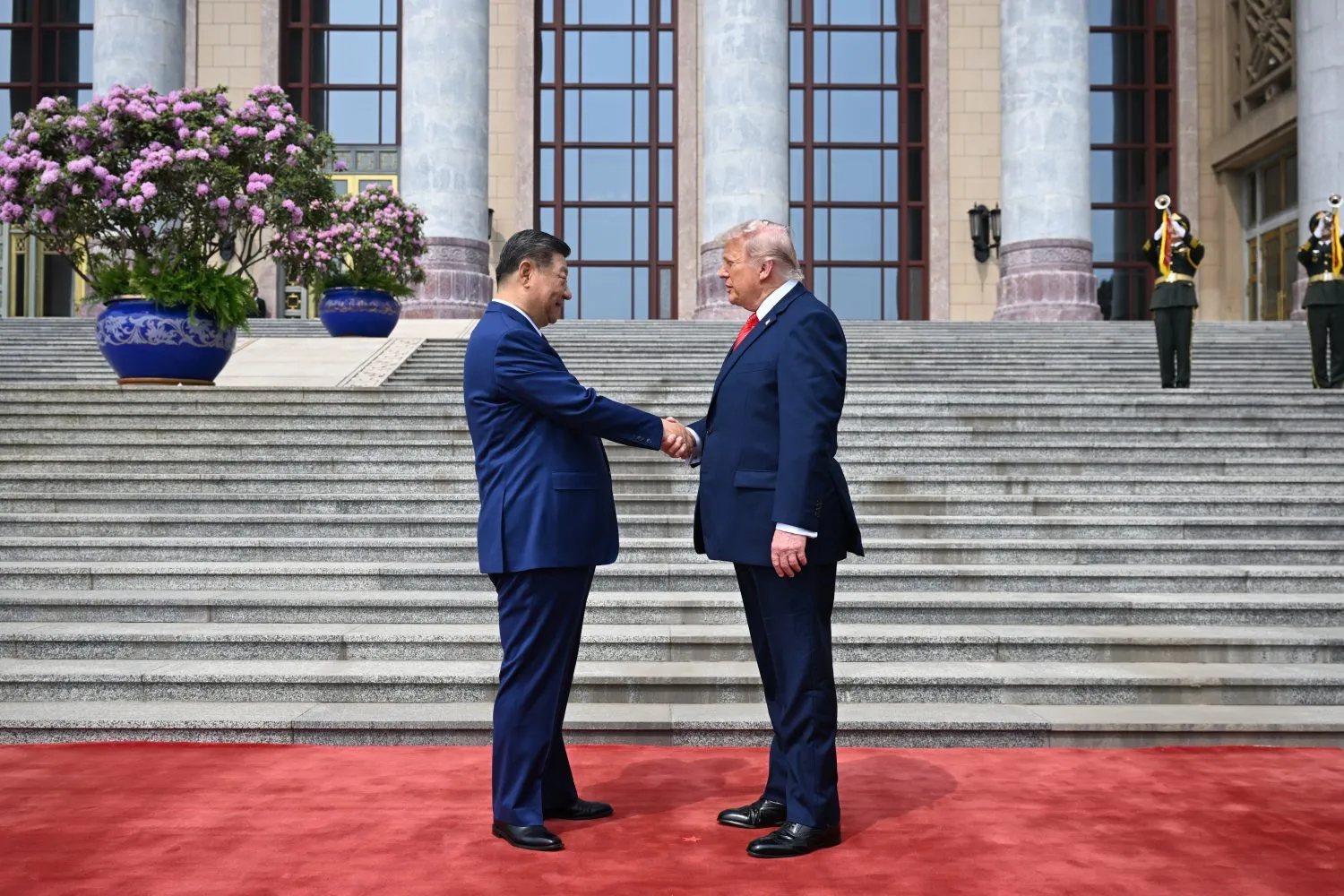
“Beans and Boeings.” That’s what one diplomat told me that last week’s summit between U.S. President Donald Trump and Chinese President Xi Jinping amounted to, referring to proposed Chinese purchases of U.S. soybeans and airplane parts. But more broadly, the much-awaited meeting in Beijing between the presidents of the world’s two biggest economies is ripe for analysis about this century’s most important bilateral relationship.
On the latest episode of FP Live, I spoke with Rana Mitter, the S.T. Lee chair in U.S.-Asia relations at the Harvard Kennedy School and the author of China’s Good War. Subscribers can watch the full discussion on the video box atop this page or download the free FP Live podcast. What follows here is a condensed and lightly edited transcript.
Ravi Agrawal: Rana, let’s start with your basic take. What stood out to you about the summit?
Rana Mitter: You’ve mentioned Boeings, beans, and people also mentioned beef as one of the things that are going to be exported into China from the United States. I’ll add one more B, which I think in the end may be the most important takeaway, and that’s “buoyancy.” In other words, keeping the U.S.-China relationship afloat. And for now, that’s probably good enough.