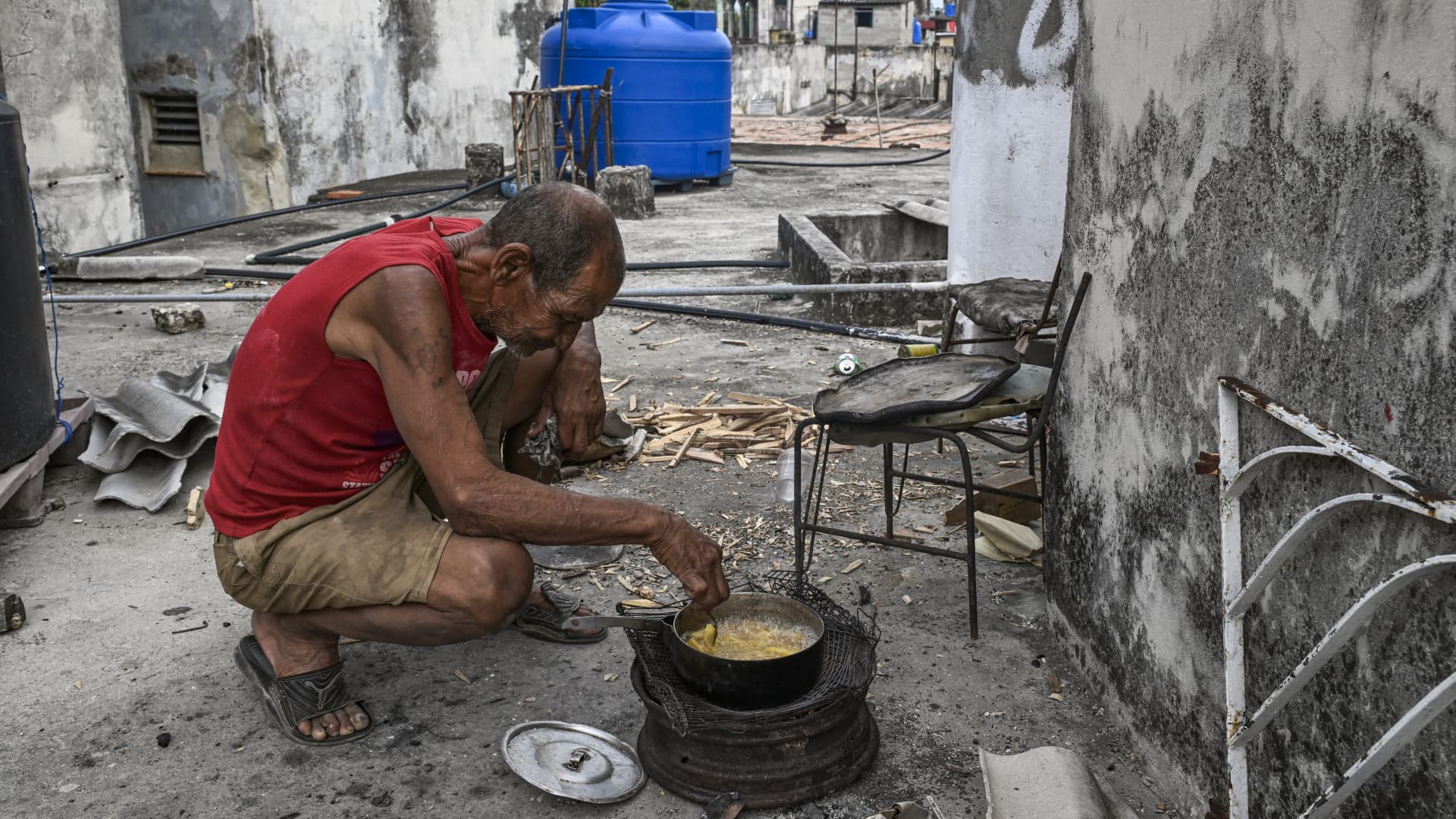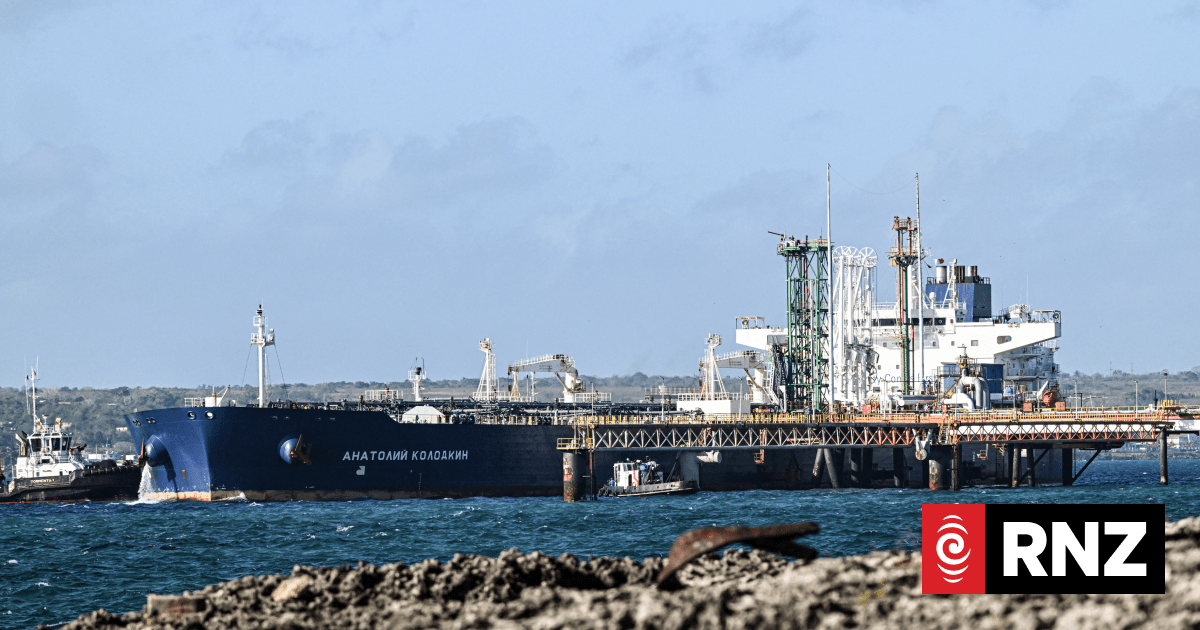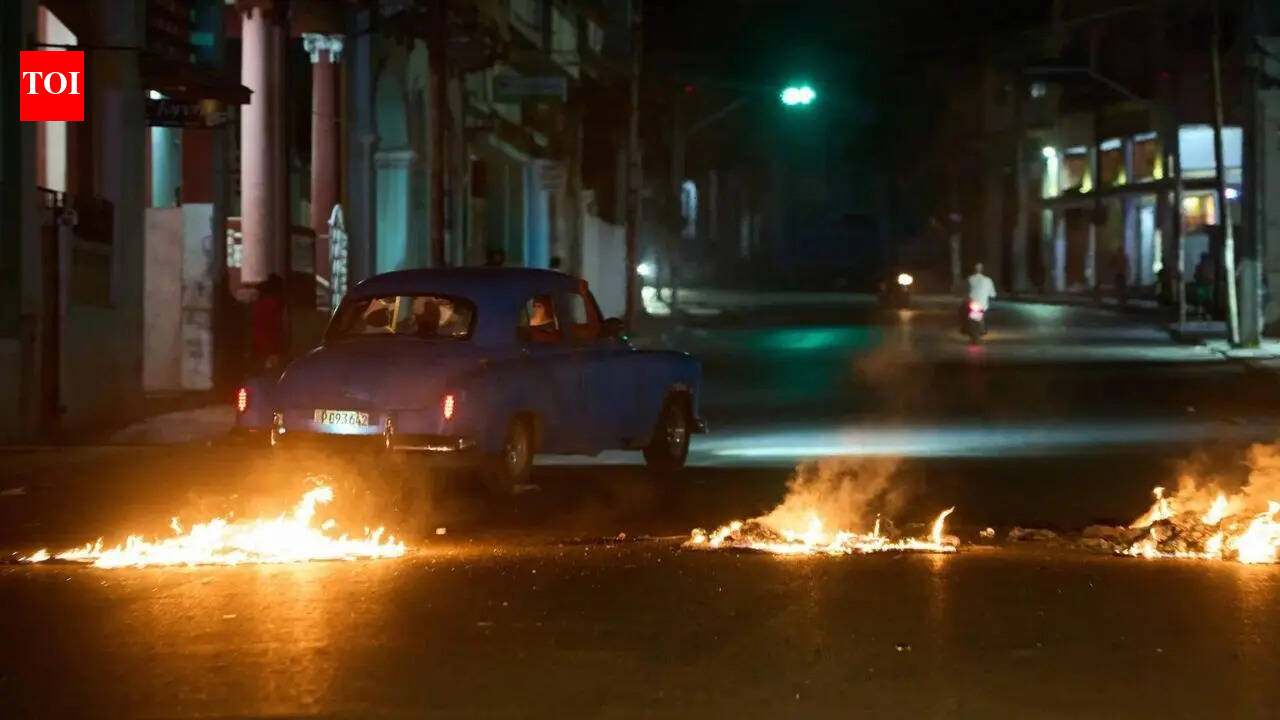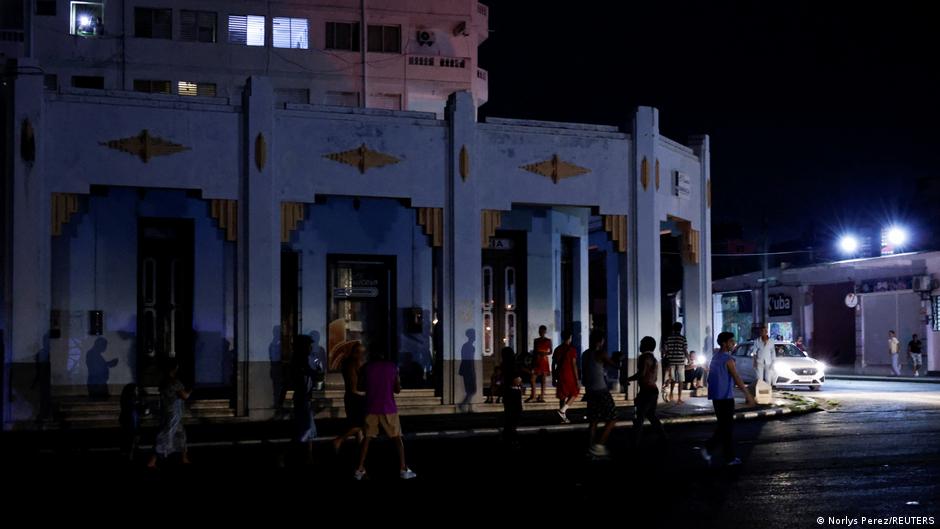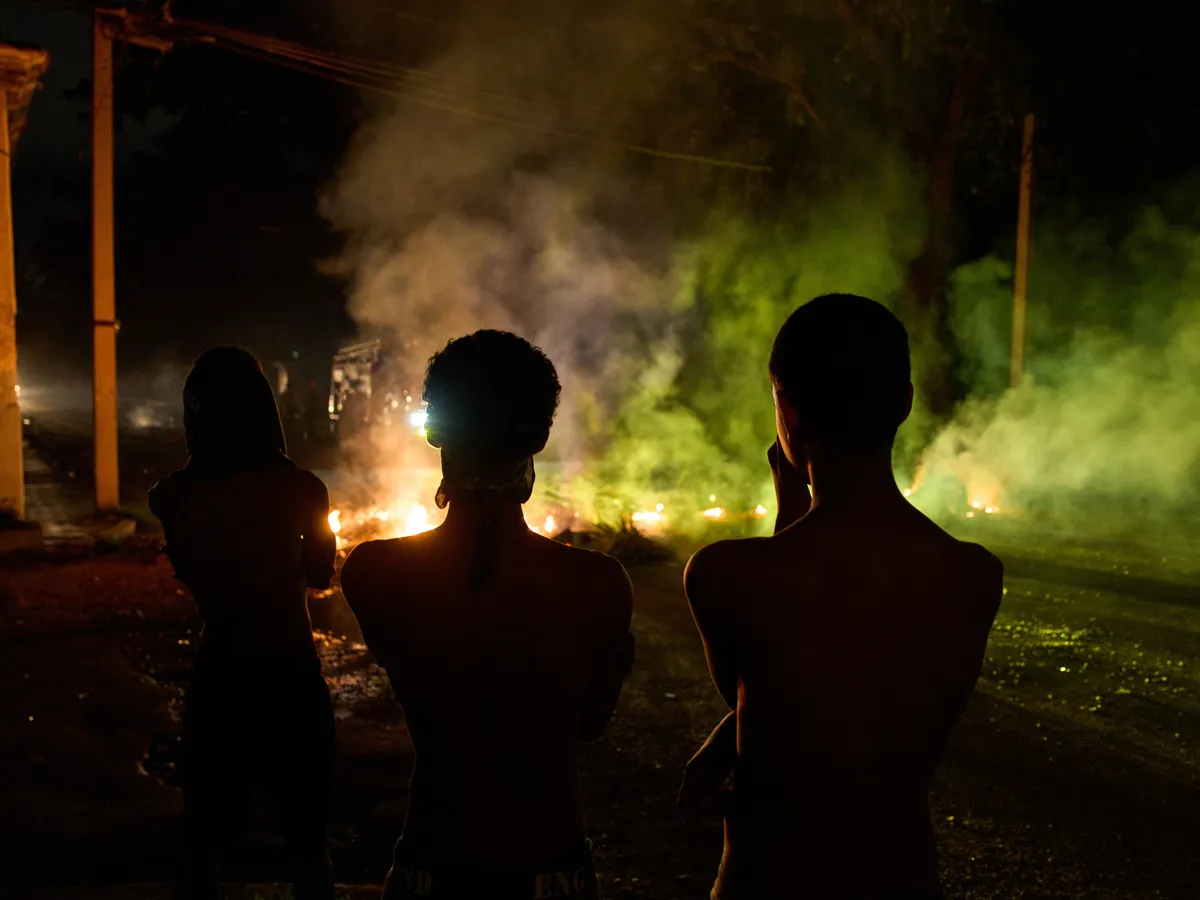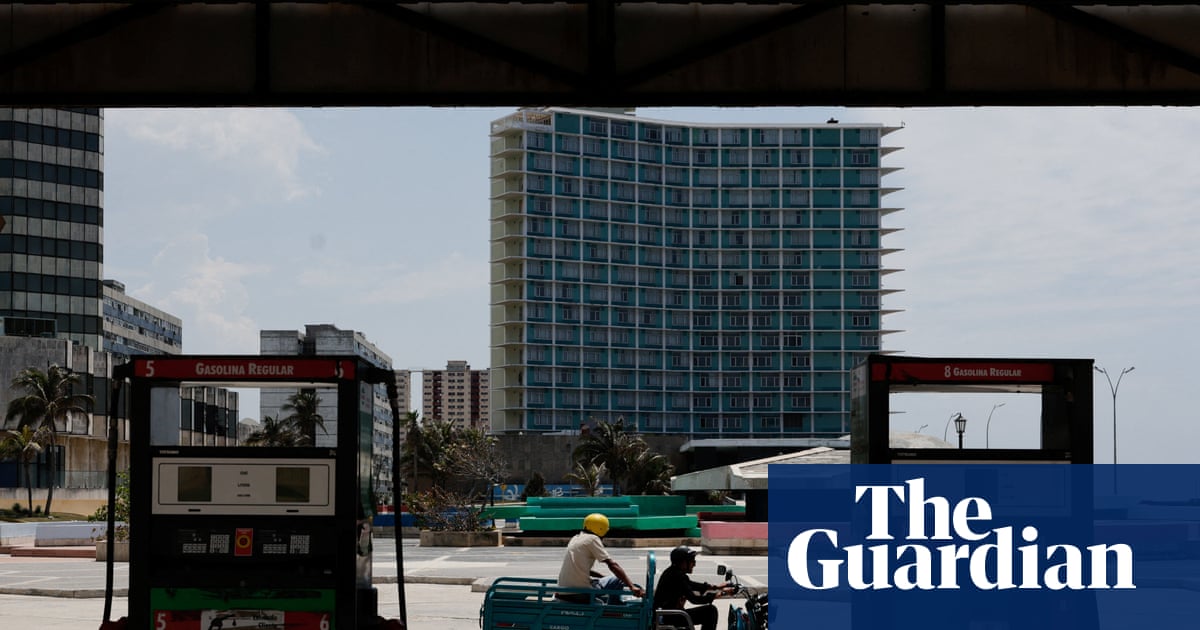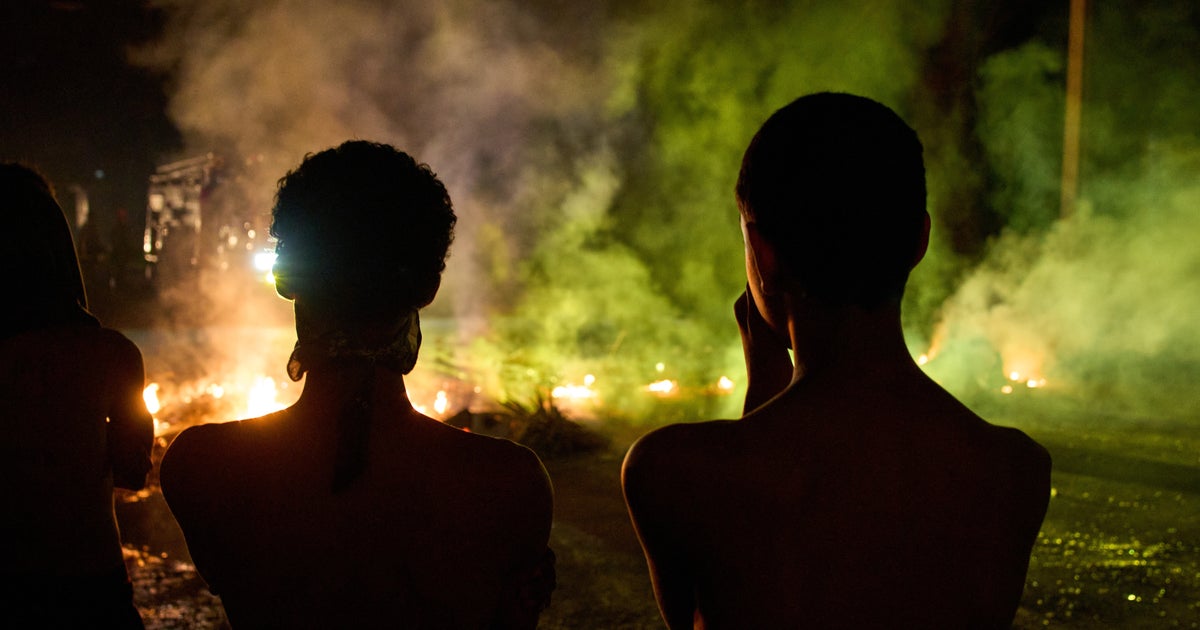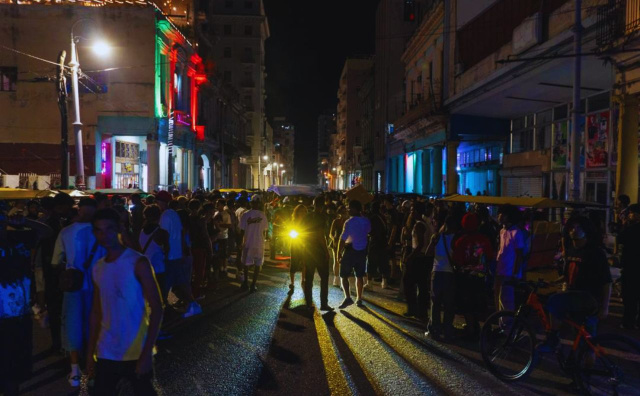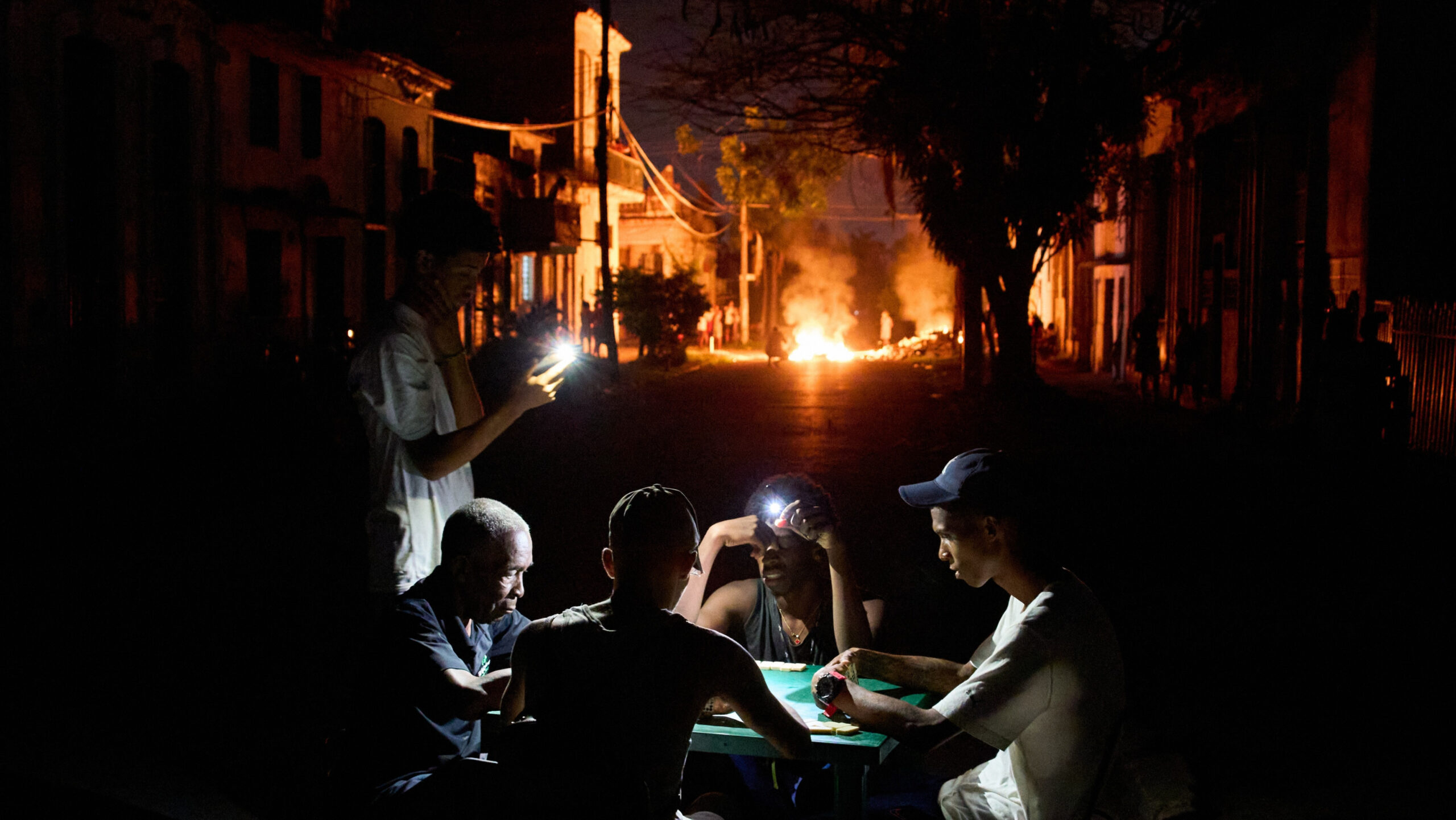
Cuba has run out of fuel oil reserves and diesel, and that’s led to the island experiencing its worst blackouts in decades. In parts of Havana, they’re lasting more than 20 hours at a time, and in other places, even reaching multiple days. This is largely because the US has effectively blocked all foreign oil from reaching Cuba.Ed Augustin is a journalist based in Cuba. He joined The World from the island’s eastern provinces, speaking from outside because telecommunications have been affected there. He said that the situation there is bleak:“People are going hungry. More and more people are dying in Cuban hospitals, including babies. Infant mortality is being driven upwards. Just about every indicator you can think of what you’d want to be able to live a good life, materially at least, is declining. You mentioned the increased power outages. When the power goes out, there’s less drinking water. The telecommunications are getting worse by the week. … There’s less medicines because, because they can’t be transported. Vaccines are being stored on special circuits in hospitals, but even they go out sometimes. And when those vaccines get too hot, they don’t work anymore. So, pretty much wherever you look, things are bleak. And the worst thing is that the population doesn’t see any end in sight.”People walk past a pile of trash on a street in Havana, April 20, 2026. Ramon Espinosa/AP PhotoCarolyn Beeler: When we spoke two months ago, oil supplies were dramatically shrinking. You described hospital systems losing power, farmers unable to harvest their crops, gas stations with limited sales. So, this is a problem that has been going on to some degree for a long time. Does it feel just exponentially worse now?Ed Augustin: It does, and it does for a simple reason. Cuba is a country that’s reliant on oil, and the US’s effective oil blockade has starved the country of oil now for four months. There’s only been one significant break with that.So, what’s happened is, in the last week, you’ve really seen the power cuts kick in an awful lot. And two days ago, the minister of energy said the most amazing thing live on television — not that most people could see it because they don’t have power. He said, “We’re out of fuel oil, we’re absolutely out of diesel.” Just imagine how scary that would be if you’re listening in your house to a minister of a government not particularly known for talking straight, admitting, recognizing that this is the level of crisis.And so, people are worried. And if this goes on, we’re going to see a ticking time bomb in terms of a humanitarian crisis and a hunger crisis. People are really, really worried that this policy could result in actual starvation. This hasn’t happened yet. We’re not seeing it widespread, but the experts, including the UN Special Rapporteur on the right to food, warned me that this is a real possibility if this goes on. And it’s not hard to see why.And you said people are worried. Has there been a reaction from the Cuban public to that announcement that the oil, that diesel is out? I know there are some protests happening in the street.Yeah, there’ve been sporadic protests every night for the last months. There’ve been, I mean, it’s a very Latin American thing, cacerolazos. So, people bang their pots with spoons and protest that the lights are out. A lot of that anger is directed at the government because people say, “turn the lights on, turn the lights on,” and sometimes it works. But overwhelmingly, I’ve been in the eastern provinces reporting for a week now, there is an awareness amongst the Cuban population that if you don’t have oil coming into the country, there’s no way of having the light on.A policeman tries to put out a fire set up by residents protesting against prolonged power outages on the street in Havana, Cuba, May 14, 2026.Ramon Espinosa/AP PhotoSo, do most folks blame the US for this?I think most folks blame both governments. Most Cubans I speak to say that the economic straits that Cuba is in is a result of bad economic management, of a failed system, if you like. That’s a pretty widespread view. But it’s also a pretty widespread view that the US embargo, or the blockade as the government calls it here, has also played into the long-term economic crisis, the big funk, the lack of wages, the fact that there are so many problems.But what’s changed is that since this oil blockade happened, the US hand has been revealed to all. Because before, the sanctions were incredibly powerful, potent, but largely invisible. They’re laws, they’re technical, they’re boring. Most people don’t pore over laws legislated in the 1960s, ’90s and 2020s.With the oil blockade, you see the rhetoric from [US President Donald] Trump. No oil is getting in. “We’re going to take Cuba.” This is a colonial discourse, and Cubans are nationalist people and don’t take kindly to that, no matter how unpopular their government is. And also, just the fact that they see that no oil is getting in because they see that the US has threatened tariffs against any other country [sending oil]. And so, it’s become impossible to hide.Is there any relief on the horizon? I’m wondering if there’s any talk of any future oil shipments, or if anybody has just a little bit of power from solar panels, things like that.One of the reasons people are so scared is that there’s a widespread sense that there is no relief on the horizon. Cuba’s main ally was Venezuela. Their president was kidnapped on Jan. 3 and a pliant new president has been put in. Those oil deliveries have since ceased. The other main supplier of oil to Cuba last year was Mexico. On the Jan. 27 this year, the Trump administration signed an executive order threatening tariffs against any country that sends oil to Cuba, and since then Mexico has stopped. So, their two main oil suppliers who, by the way, were supplying them with oil basically for free, have dried up.So, they’ve lost about 60% of their oil within a month this year. And there are not many other countries willing to give oil, facing the wrath of US tariffs, and basically for free because Cuba can’t afford to pay. So, China has not sent anything. Russia sent one tanker. There was talk of a second being sent, but that didn’t happen. And a lot of other countries that Cuba has historically had very good relations with — Angola, Vietnam, I could go on — are sending food aid, are sending technical aid, are building capacity, but they’re not sending oil.And so, one of the striking things about this particular moment is just how isolated Cuba has been, which is a terrific irony because Cuba has been very, very involved internationally, as the government here would see it, at least in helping other countries throughout the 20th century. So, they do feel abandoned and left out to dry, and that’s in terms of the government, but also in terms of the people who live here, regardless of their political stripes.People with their bicycles and motorcycles cross the Bay Tunnel in a public bus in Havana, April 8, 2026. Ramon Espinosa/AP PhotoThere are incredible challenges that you’re describing here, what Cuban people are facing right now. How are they making do and surviving with such limited resources?Cubans understand themselves to be a very inventive people and a strong people. It’s difficult to break them. And so, I just came from another eastern province this morning, which is one of the main provinces that produces rice. They haven’t received any diesel for their tractors since February. What are they doing? They’re going back to animal traction. They’re getting oxen, and they’re tilling the fields. That is going to lead to many times less rice production, according to them, but it’s putting some food on the table. People are noticeably losing weight. But they are keeping things going.In terms of cooking, that’s becoming an increasing challenge. I was in Santiago de Cuba, which is eastern Cuba’s second city, and in 18-story apartment blocks, most people, I repeat, most people are now cooking with firewood and locally produced coal, because there’s no electricity and there’s no cooking gas. I think it’s important that listeners understand that these sanctions are not so-called “smart sanctions.” They are indiscriminate. They collectively punish the whole of the Cuban population, whether or not that’s the intention. That’s what I’m seeing on the ground.It’s very hard to imagine that the president of Cuba or Raúl Castro don’t have cooking gas. But I can tell you that the populations that I was speaking to in eastern Cuba, that’s overwhelmingly people of color, are skipping meals and are cooking with sometimes even cardboard because of this policy of energy starvation. So, it’s not just collective and hitting the whole population, but it’s hitting the most vulnerable the hardest.Parts of this interview have been lightly edited for length and clarity.The story you just read is not locked behind a paywall because listeners and readers like you generously support our nonprofit newsroom. Now more than ever, we need your help to support our global reporting work and power the future of The World. Can we count on you?
Cuba runs out of oil - The World from PRX
Cuba’s oil reserves have run dry. It’s fueling blackouts lasting more than 20 hours in Havana and widespread protests, with people demanding electricity. It’s the result of the ongoing US blockade of the island. The World’s Host Carolyn Beeler speaks with journalist Ed Augustin, who’s in Havana, about the latest.
1,567 words~7 min read