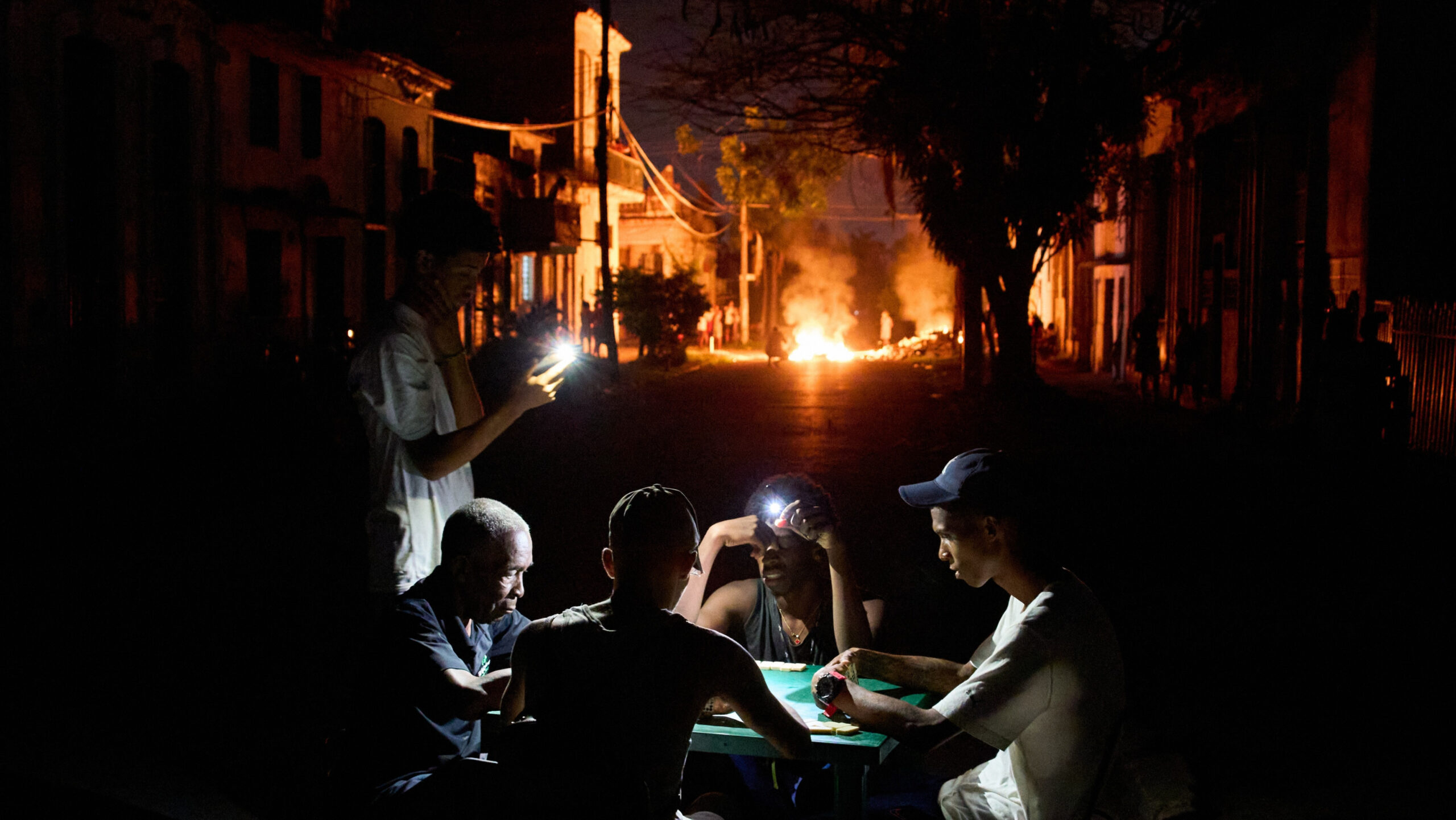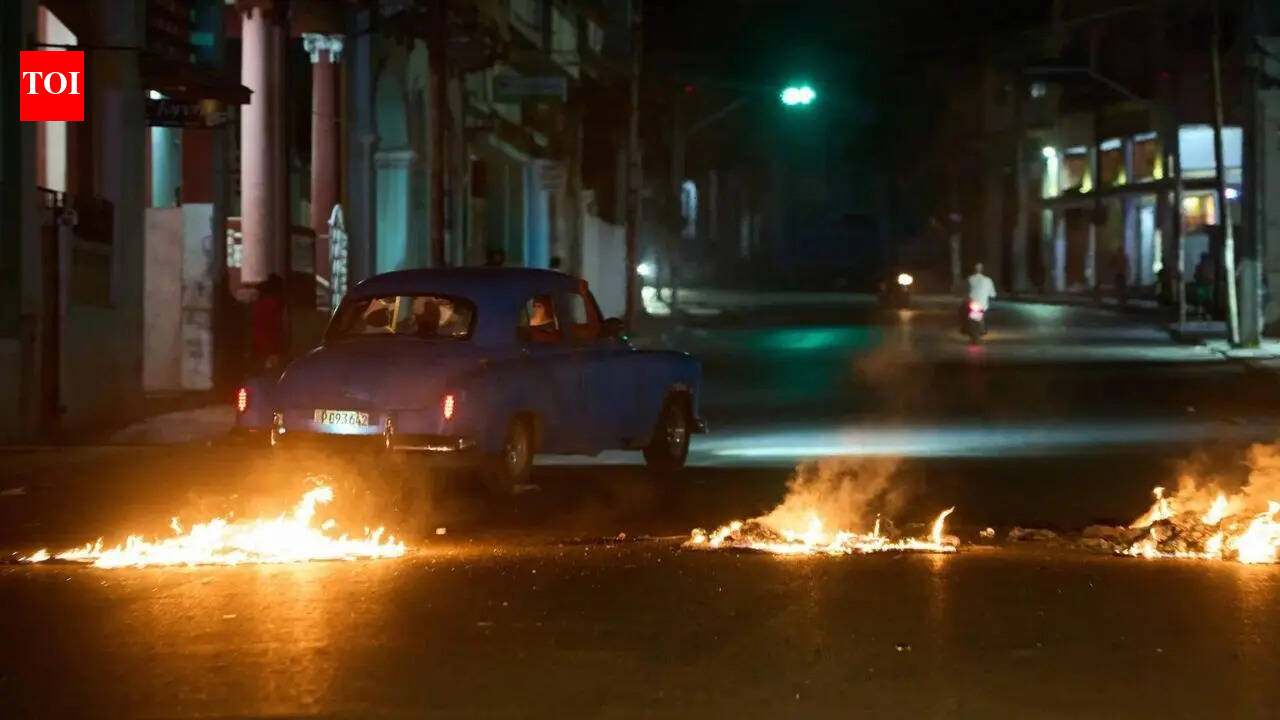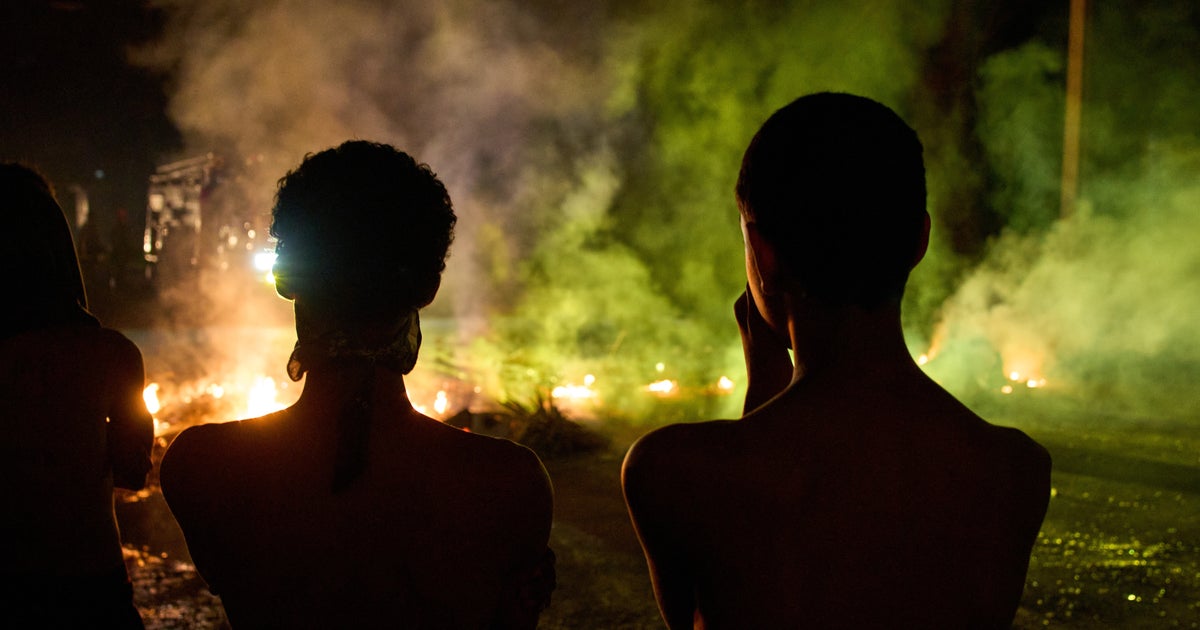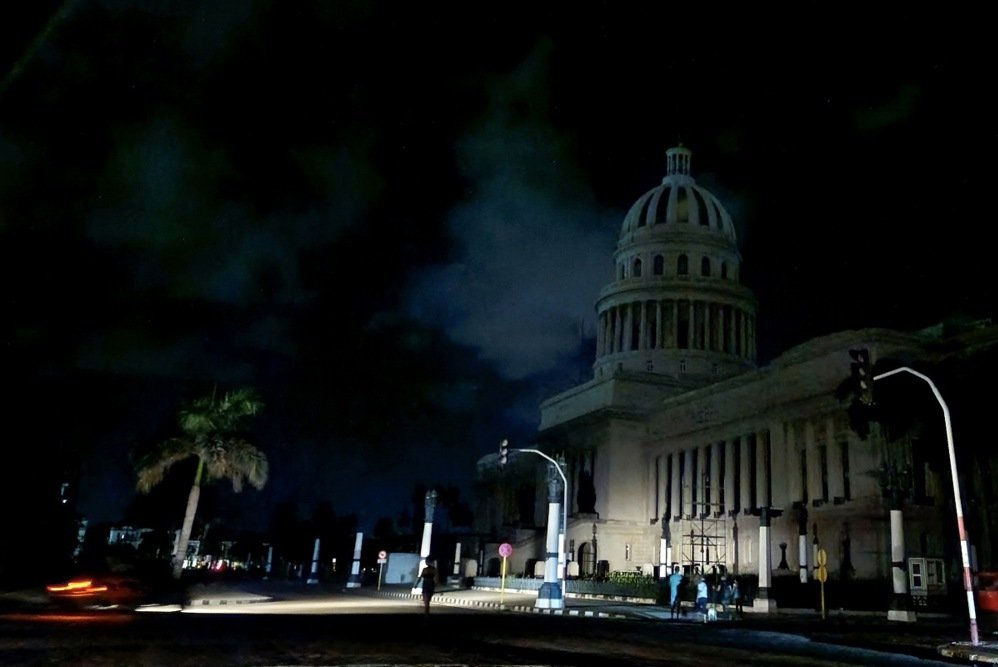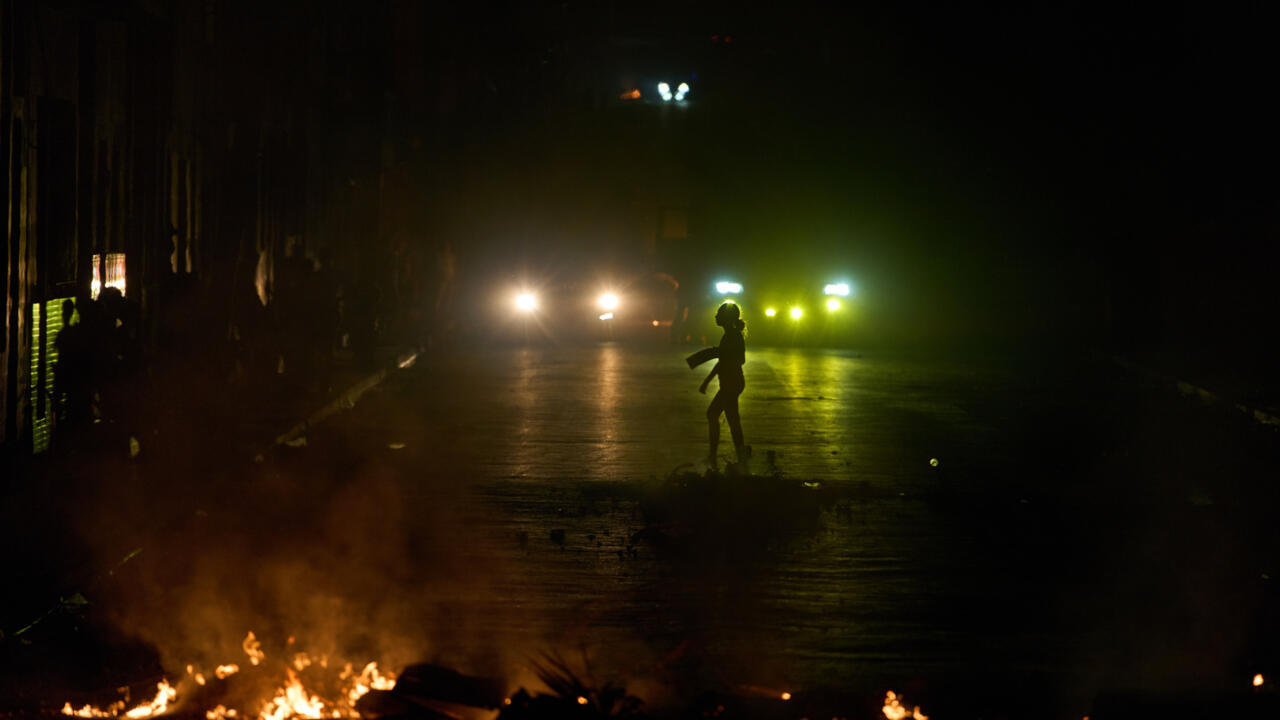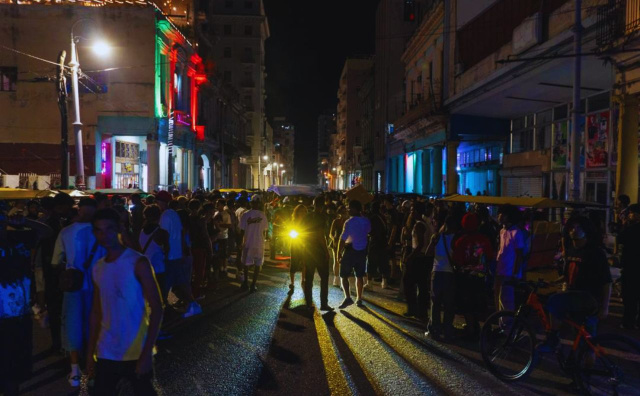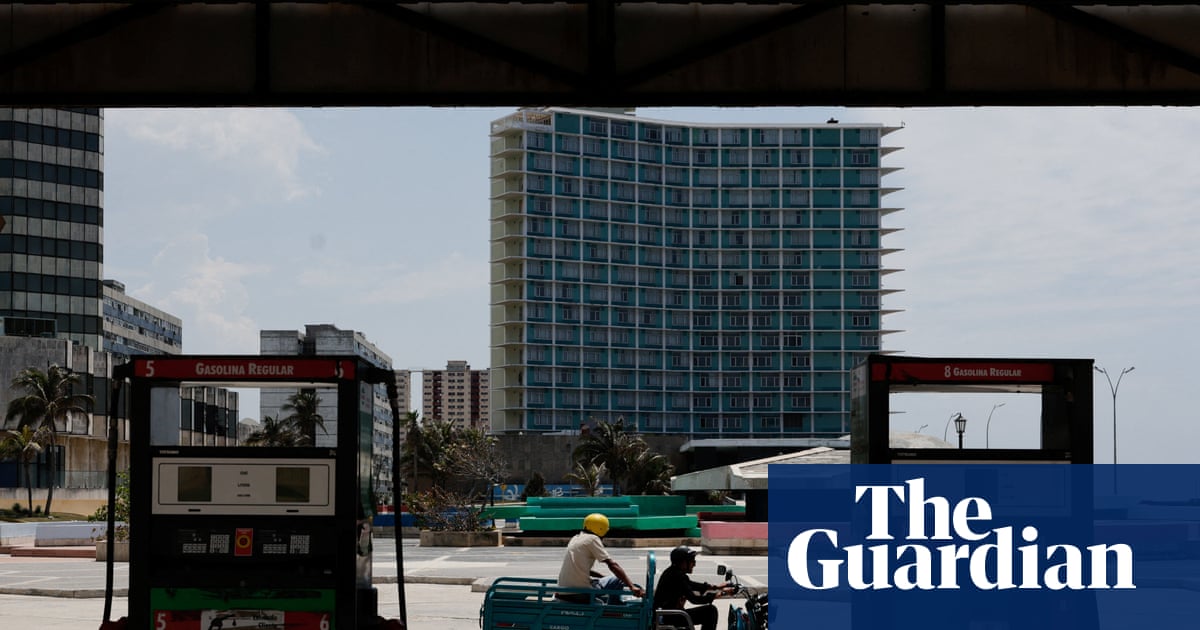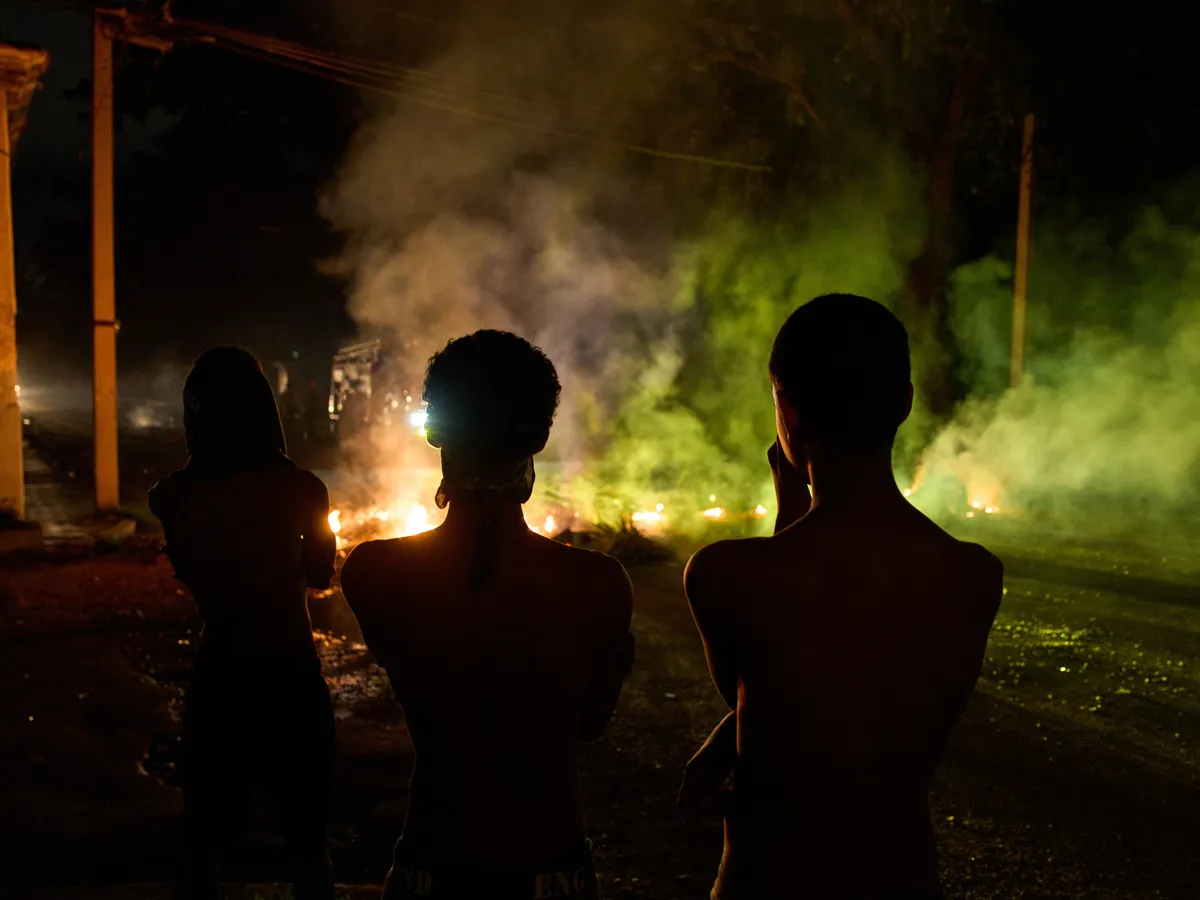
Skip to Content News Archives Economy Energy Oil & Gas Renewables Electric Vehicles Mining Commodities Agriculture Real Estate Mortgages Mortgage Rates Finance Banking Insurance Fintech Cryptocurrency Work Wealth Smart Money Wealth Management Investor Personal Finance Family Finance Retirement Taxes High Net Worth FP Comment Executive Women Puzzmo Newsletters Financial Times Business Essentials More Innovation Information Technology FP500 Podcasts Small Business Lives Told Tails Told Shopping Financial Post Store Obituaries Place a Notice Advertising Advertising With Us Advertising Solutions Postmedia Ad Manager Sponsorship Requests Classifieds Place a Classifieds ad Working Profile Settings My Subscriptions Saved Articles My Offers Newsletters Customer Service FAQ News Economy Energy Mining Real Estate Finance Work Wealth Investor FP Comment Executive Women Puzzmo Newsletters Financial Times Business Essentials HomeCommoditiesEnergyOil & GasCuba runs out of fuel, plunging country into darkness, protestsCuba’s electrical union said it could only cover about a third of national power demandAuthor of the article:Last updated 1 day ago You can save this article by registering for free here. Or sign-in if you have an account.People look at a barricade set up by residents protesting against prolonged power outages in Havana, Cuba on May 13, 2026. Photo by AP Photo/Ramon EspinosaCuba said the country has completely run out of the diesel and fuel oil it needs to keep its power plants running, with civil unrest starting to break out amid a de facto U.S. energy blockade of the communist-run nation.Subscribe now to read the latest news in your city and across Canada.Exclusive articles from Barbara Shecter, Joe O'Connor, Gabriel Friedman, and others.Daily content from Financial Times, the world's leading global business publication.Unlimited online access to read articles from Financial Post, National Post and 15 news sites across Canada with one account.National Post ePaper, an electronic replica of the print edition to view on any device, share and comment on.Daily puzzles, including the New York Times Crossword.Subscribe now to read the latest news in your city and across Canada.Exclusive articles from Barbara Shecter, Joe O'Connor, Gabriel Friedman and others.Daily content from Financial Times, the world's leading global business publication.Unlimited online access to read articles from Financial Post, National Post and 15 news sites across Canada with one account.National Post ePaper, an electronic replica of the print edition to view on any device, share and comment on.Daily puzzles, including the New York Times Crossword.Create an account or sign in to continue with your reading experience.Access articles from across Canada with one account.Share your thoughts and join the conversation in the comments.Enjoy additional articles per month.Get email updates from your favourite authors.Create an account or sign in to continue with your reading experience.Access articles from across Canada with one accountShare your thoughts and join the conversation in the commentsEnjoy additional articles per monthGet email updates from your favourite authorsSign In or Create an Accountor“The system has, once again, been left without any fuel reserves,” Energy Minister Vicente de la O Levy said during a press conference late Wednesday. “There’s absolutely nothing.”While the island of 10 million people is using domestic fuel production and solar energy to keep some lights on, the entire grid is now so fragile that large swathes of the country are going dark. Cuba’s electrical union said it could only cover about a third of national power demand.Social media reports showed sporadic protests breaking out in and around the capital of Havana before night fell on Wednesday, with people banging pots — and in some cases lighting fires — on darkened streets for hours thereafter.President Miguel Díaz-Canel blamed the increasingly dire situation on Donald Trump’s pressure campaign. “This dramatic decline in conditions has only one cause: the genocidal energy blockade that the U.S. has imposed on our country, as it threatens to impose irrational tariffs on any nation that provides us with energy,” Díaz-Canel said in a post on X.La situación del Sistema Electroenergético Nacional es particularmente tensa en los últimos días. Para la jornada de hoy se pronostica un déficit de más de 2 mil MW en el horario de máxima demanda o pico nocturno.Ese dramático agravamiento tiene una única causa: el genocida…— Miguel Díaz-Canel Bermúdez (@DiazCanelB) May 13, 2026The U.S. has cut off the island from virtually all fuel imports since January — only letting a single Russian tanker through. That ship, which docked in late March, allowed the island to reduce the frequency and length of blackouts, de la O said. But the 730,000 barrels of oil it was carrying ran out in early April.And there’s no relief in sight. Another Russian-flagged ship, the Universal, was carrying diesel for the communist island but halted its voyage more than three weeks ago and remains idling off Bermuda, according to data from Vortexa Ltd.After Trump captured Cuba’s principal ally in Venezuela and threatened to slap tariffs on any other country supplying oil to the island, the flow of imports has dried up. Port documents reviewed by Bloomberg show there are no tankers carrying Mexican or Venezuelan oil slated to sail to Cuba over the next week.Washington blames Cuba’s economic failings on mismanagement and corruption and has said the 67-year-old regime needs to step down — or be ousted — before the economy can begin to improve.While talks between U.S. and Cuban officials are ongoing, few concessions have been made. Both sides are now allowing the island’s small but growing private sector to import fuel to cover its own needs, but those shipments are “measured in liters” while the energy grid needs “millions of tons,” de la O said.Public demonstrations of discontent are outlawed on the island, and are historically rare given they’re often aggressively prosecuted. But they’re on the rise this year as conditions deteriorate, with demonstrators throwing stones at a local Communist Party office in central Cuba and setting it ablaze in March.Last week, Secretary of State Marco Rubio said that Cuba was ignoring a U.S. offer of US$100 million in aid to avert a humanitarian crisis just 90 miles from Florida’s shores. The State Department reiterated the aid pledge on Wednesday.Foreign Minister Bruno Rodríguez acknowledged Thursday that a formal offer had been received. He said the island is always willing to accept “foreign aid made in good faith,” even if it comes from a nation “that is submitting the Cuban people to collective punishment through economic warfare.”Cuba is “open to learning more about the characteristics of the aid and how it will be delivered,” Rodríguez said in a post on X. “We hope it’s free of political strings and attempts to capitalize on the needs and pain of a nation that’s under siege.” Join the Conversation This website uses cookies to personalize your content (including ads), and allows us to analyze our traffic. Read more about cookies here. By continuing to use our site, you agree to our Terms of Use and Privacy Policy.
Cuba runs out of fuel, plunging country into darkness, protests
Cuba has completely run out of the diesel and oil it needs to keep its power plants running, with civil unrest to breaking out. Read more.
1,132 words~5 min read