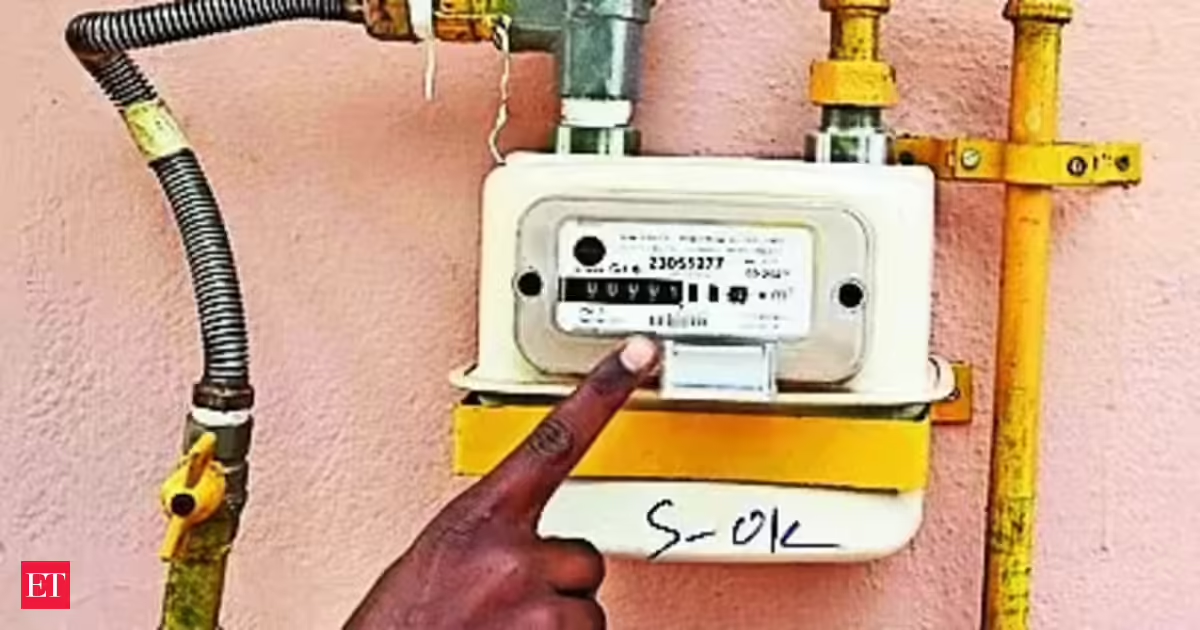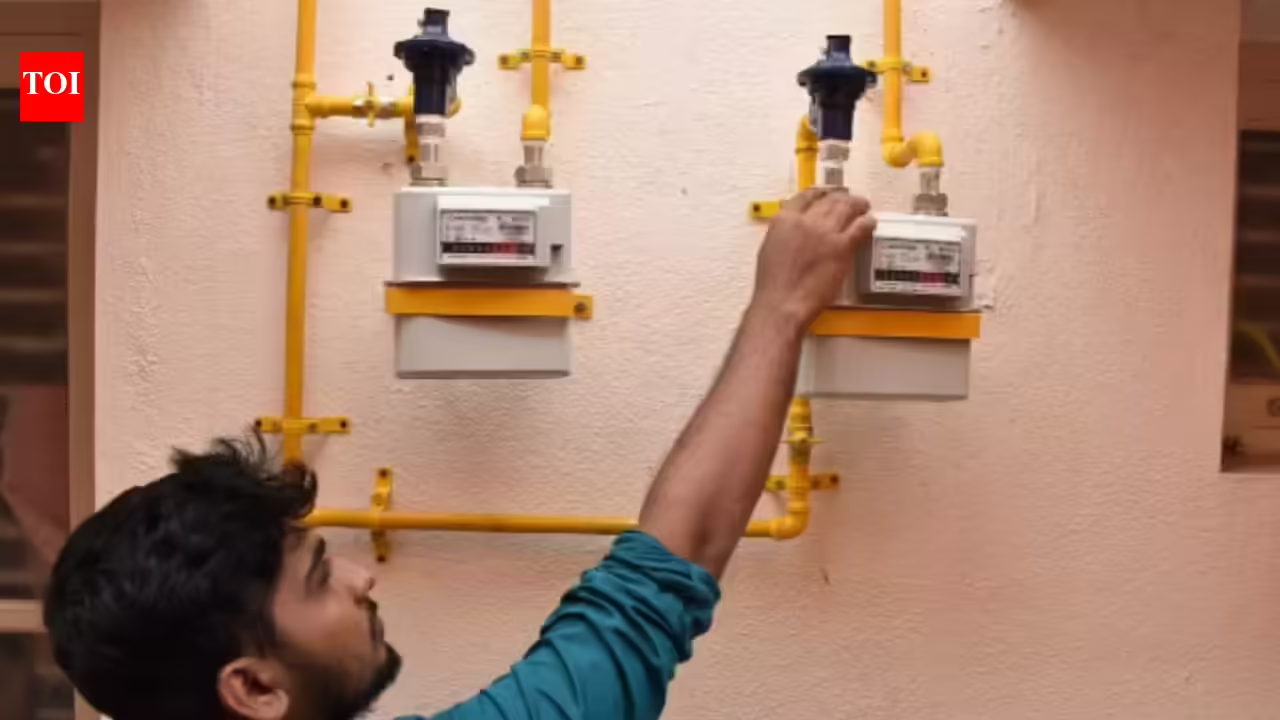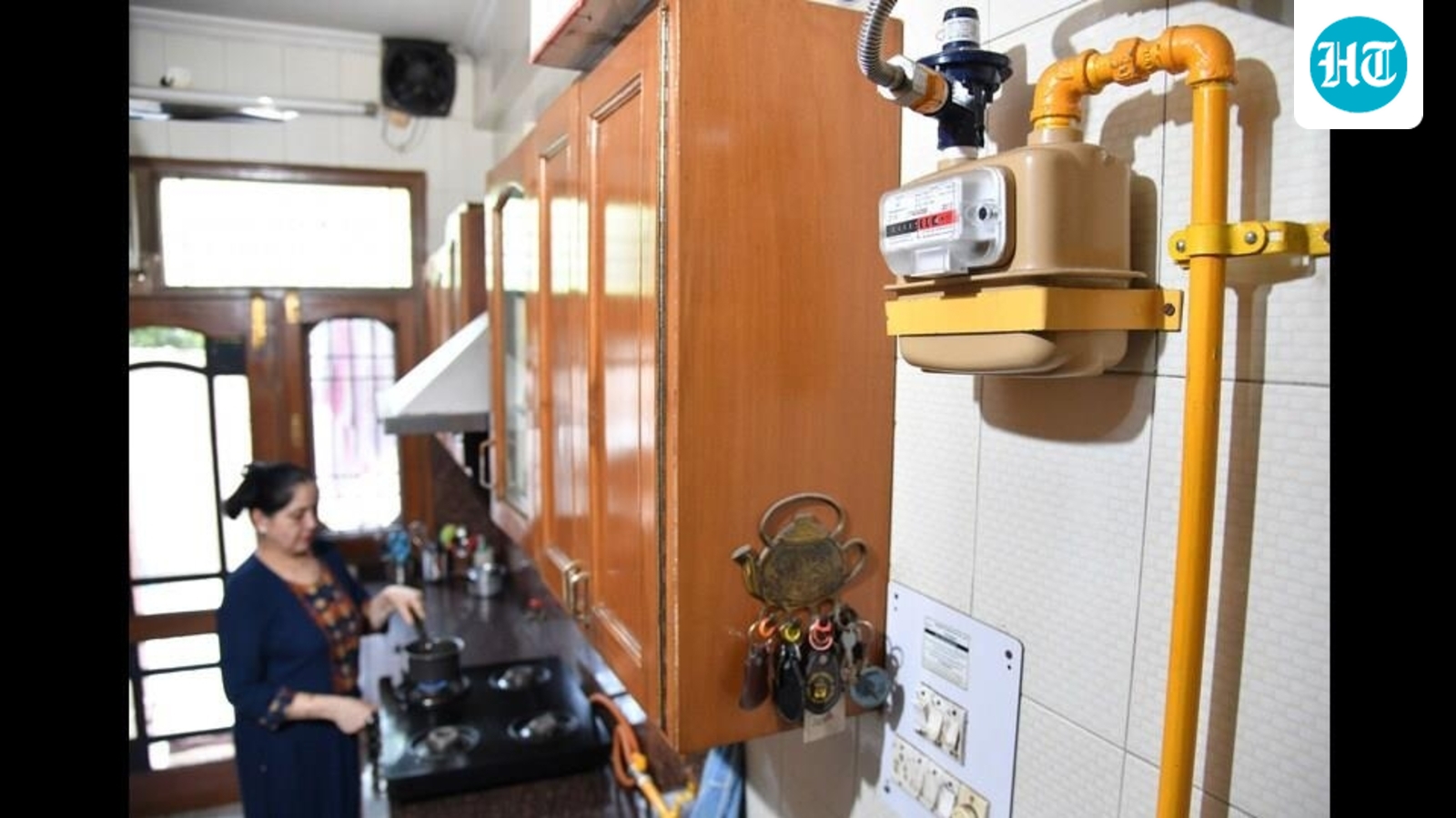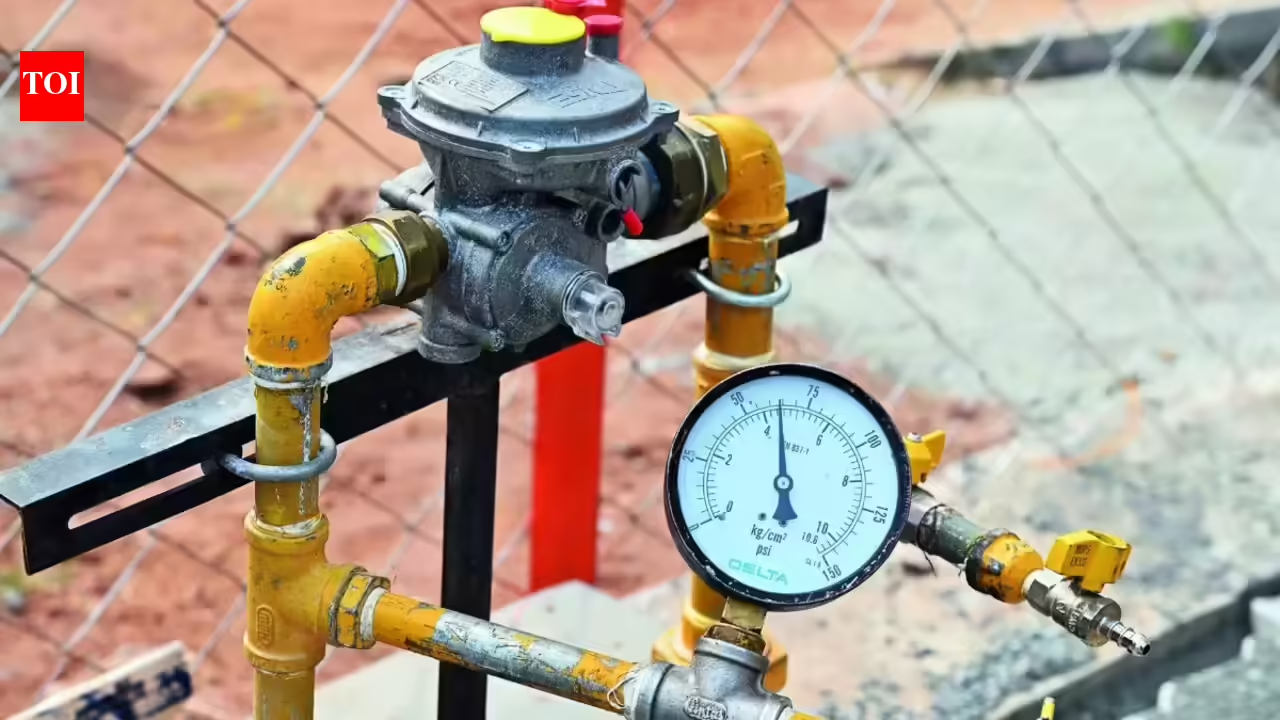
NEW DELHI: City gas distribution (CGD) companies are managing to give just 8,000-10,000 new piped natural gas (PNG) connections a day, or about a tenth of the petroleum and natural gas ministry's target of 100,000, amid a shortage of trained workers and weak consumer adoption."The urgency of the government is understandable, but the ecosystem is not ready," a senior executive at a CGD company told ET.The biggest bottleneck is a shortage of trained gas plumbers.According to industry players, the workforce required to install PNG connections does not exist at the scale needed. The shortage has intensified in major hubs such as the National Capital Region (NCR), Mumbai and Ahmedabad, with many plumbers returning to their hometowns amid election-related disruptions.Also Read: India poised for strong growth revival despite global risks: Morgan Stanley"There are no certified gas plumbers available. The target is not achievable in the current scenario," another executive said.To cope with this situation, companies have begun hiring water plumbers and putting them through crash courses of three to four weeks. But industry insiders say this stopgap arrangement cannot match the skill and safety requirements of gas pipeline installations.CGDs have so far delivered about 16 million PNG connections, far short of their pro-rated target of 40 million. The broader target of more than 125 million connections by 2030 now appears increasingly stretched.Also Read: Current account deficit to widen to 2.3 per cent of GDP in FY27 from 0.9 pc in FY26: ReportBeyond manpower, demand-side issues are also slowing progress. More than 6 million households with PNG pipelines already laid have not activated their connections, reflecting reluctance among consumers to switch. In rental housing segments, property owners are reluctant to opt for PNG connections due to upfront deposits and procedural hassles. "Owners don't want to take the pain for tenants," an official said.In several places, CGD firms are also struggling with low consumer density. Without a critical mass of confirmed connections in a locality, companies find it economically unviable to deploy installation teams. "If orders are scattered, sending the crew doesn't make business sense. That delays the rollout further," an industry executive explained.
Worker shortage clogsup piped gas adoption; 2030 goal seems doubtful
According to industry players, the workforce required to install PNG connections does not exist at the scale needed. The shortage has intensified in major hubs such as the National Capital Region (NCR), Mumbai and Ahmedabad, with many plumbers returning to their hometowns amid election-related disruptions.
351 words~2 min read