Why Britain still wrestles with repatriating Daesh-linked families from detention camps in Syria
LONDON: During a school half-term break in February 2015, three British girls left their homes and their futures in east London, traveled to Gatwick Airport and boarded a Turkish Airlines flight to Istanbul.
From there they travelled almost 1,000 km overland by bus to Urfa, close to Turkiye’s southern border, where they were met by people smugglers and taken across into Syria.
Kadiza Sultana, 16, Shamima Begum and Amira Abase, both 15, had become part of an extraordinary phenomenon which saw hundreds of women and girls answer the call from Daesh to abandon their families for the terror organization’s so-called caliphate in Iraq and Syria.
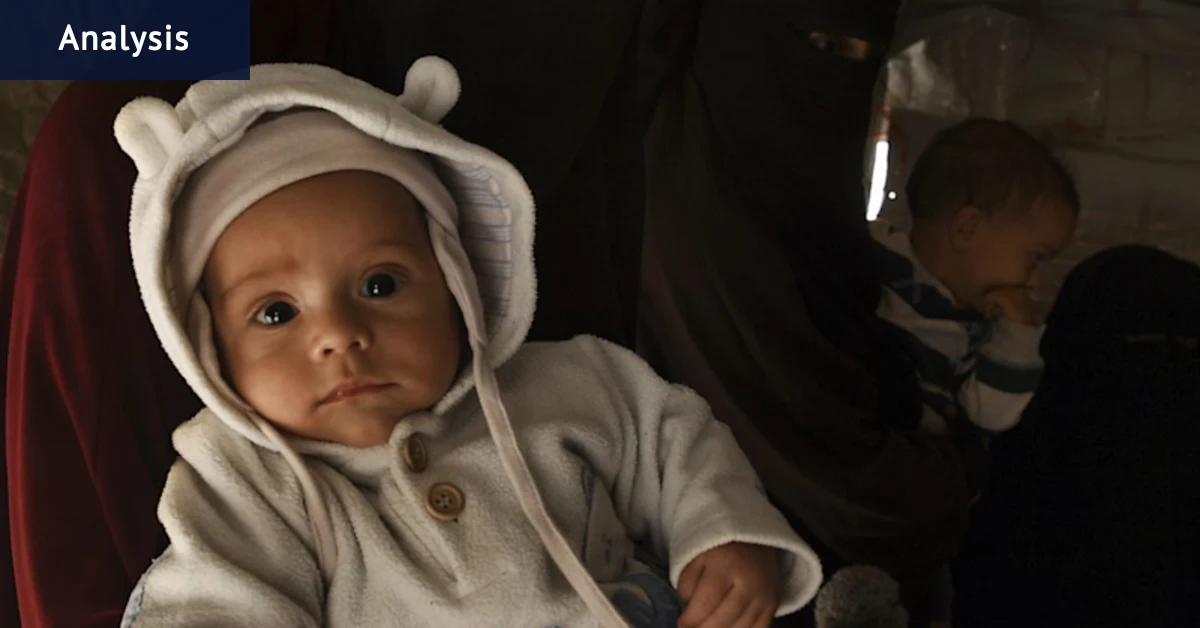
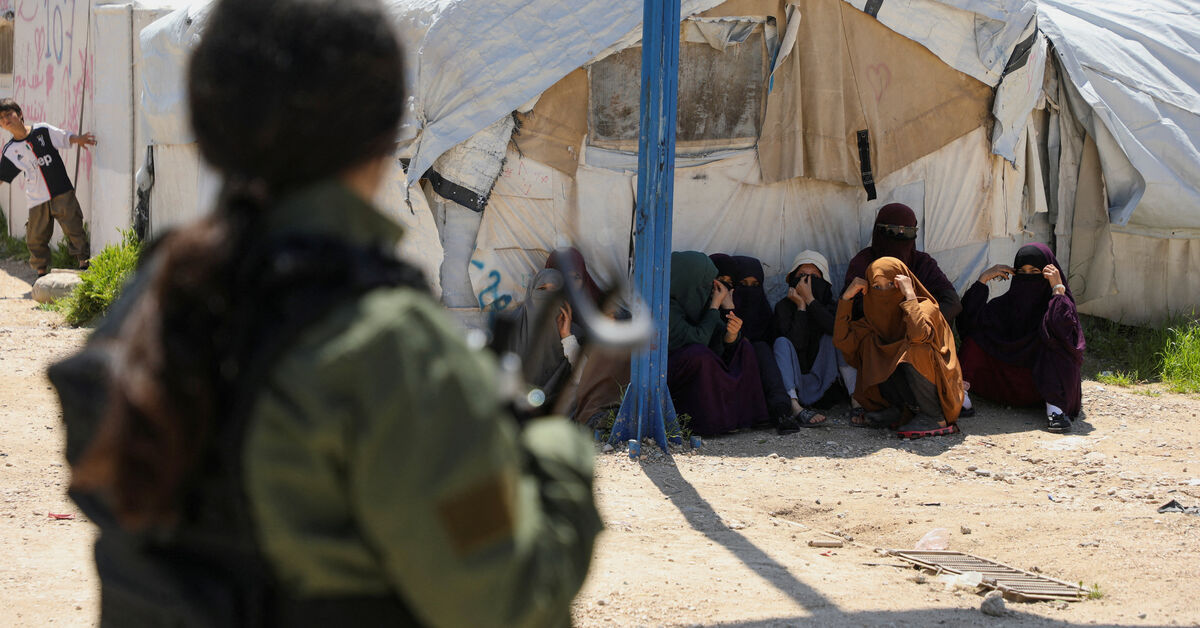
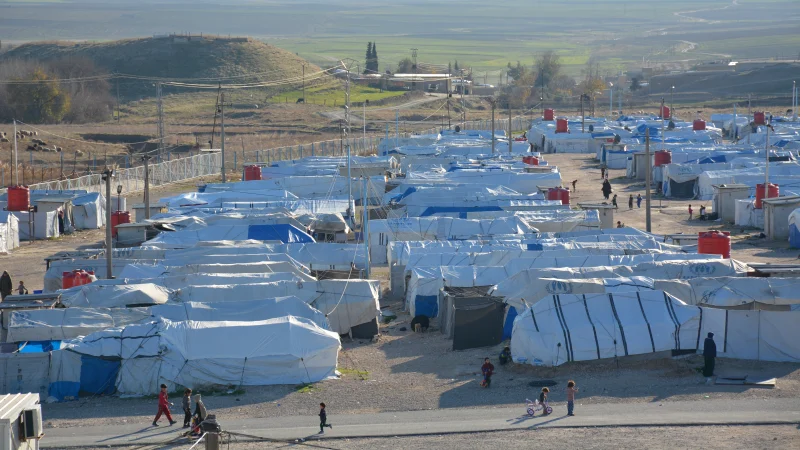
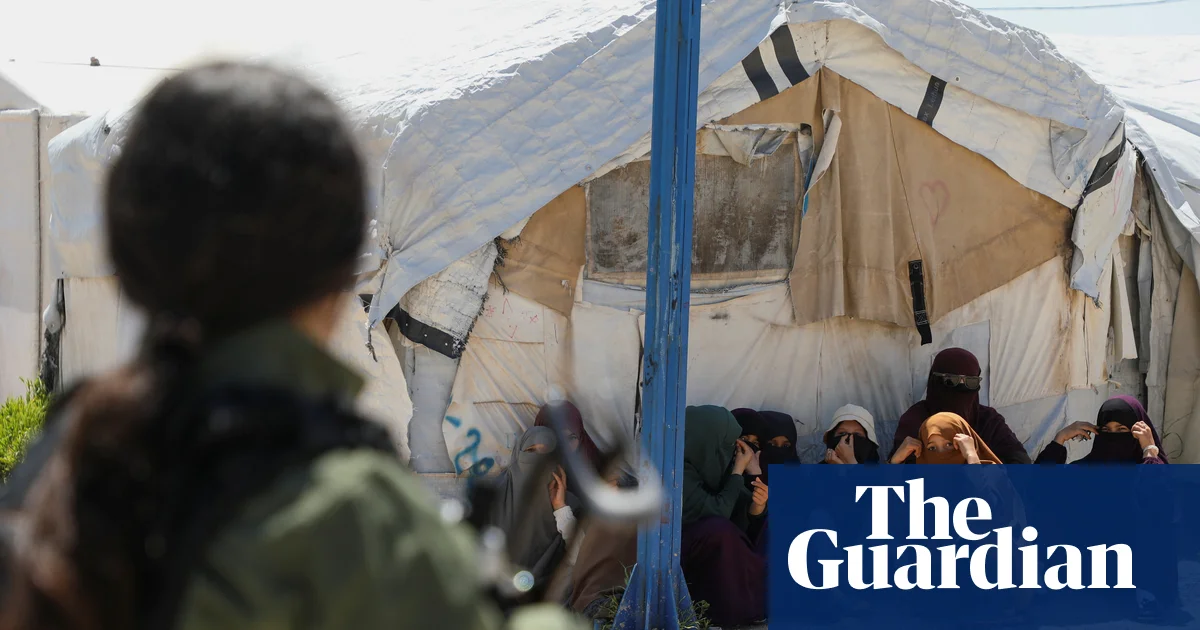
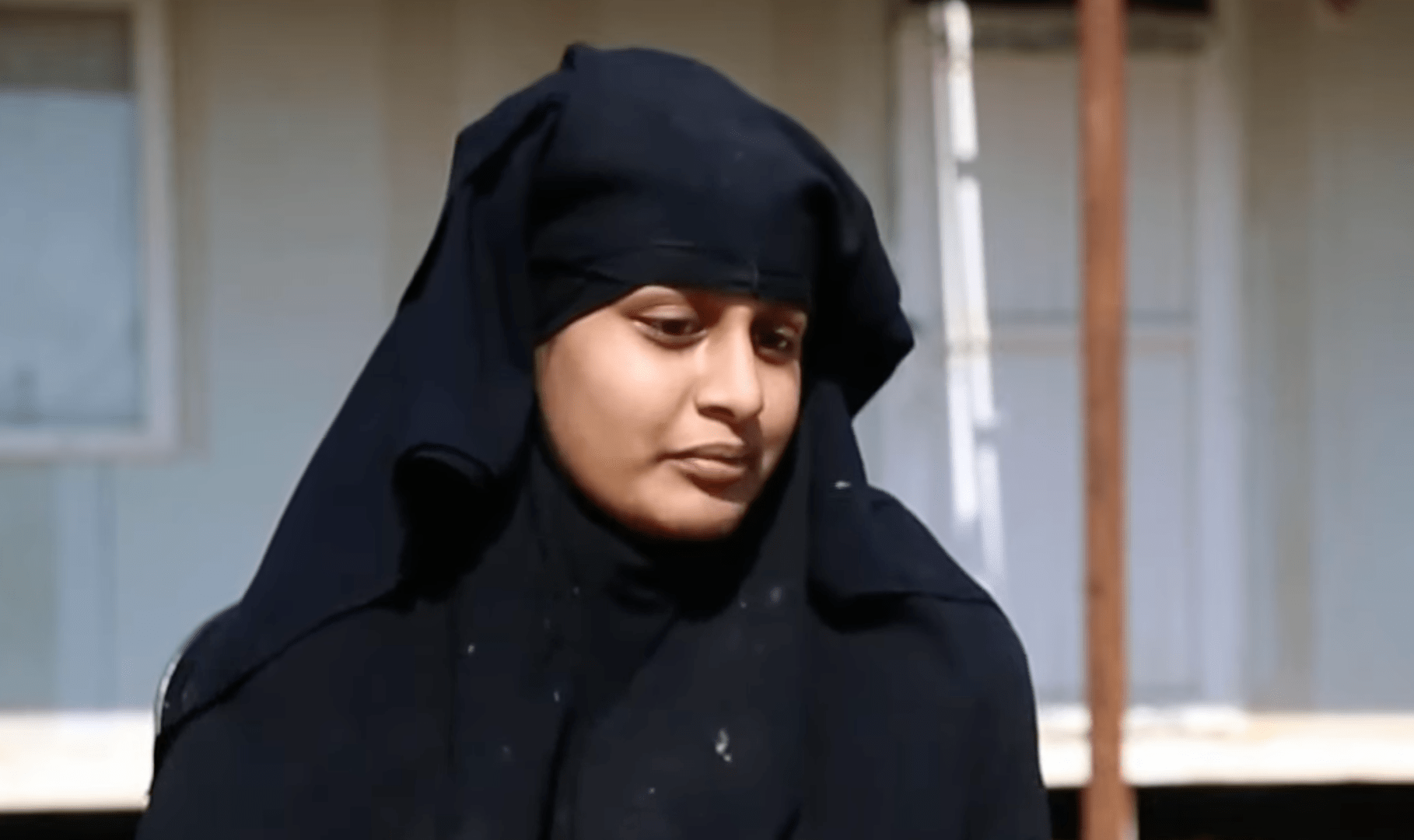
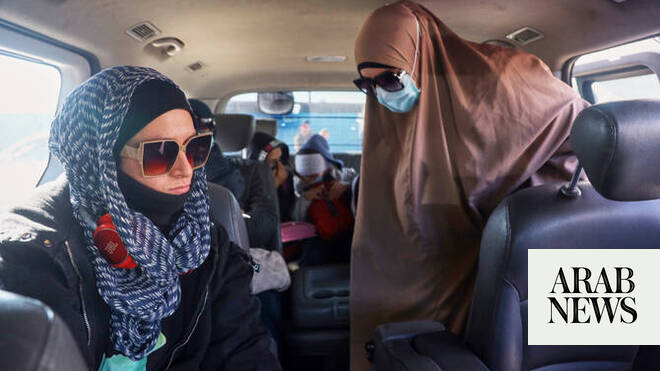
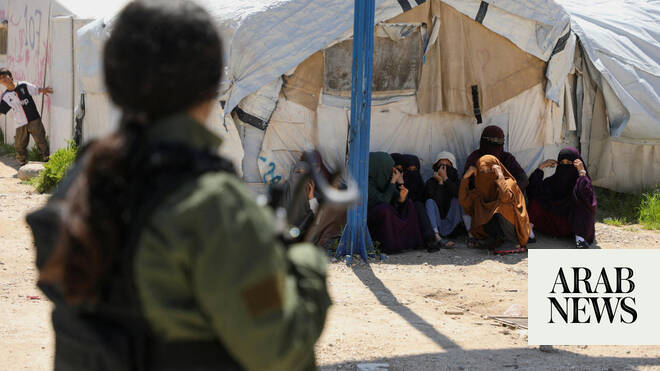
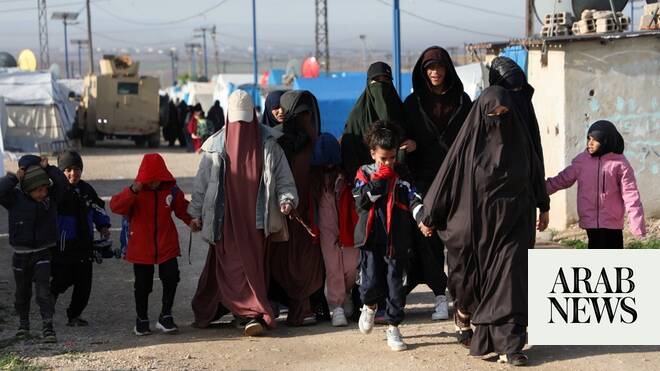
Two of the girls are dead. The third, Begum, who is now 26, is one of an estimated 2,300 women and children in the tent city that is Al-Roj detention camp in northeast Syria, where she has spent the past seven years fighting to be allowed to return to the UK.