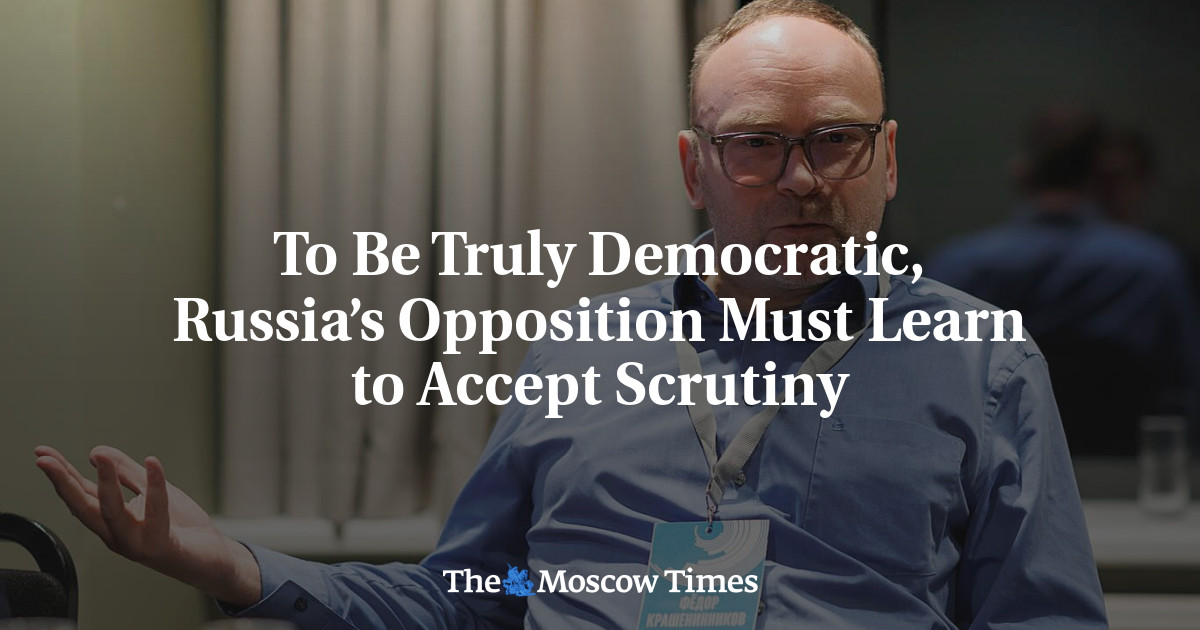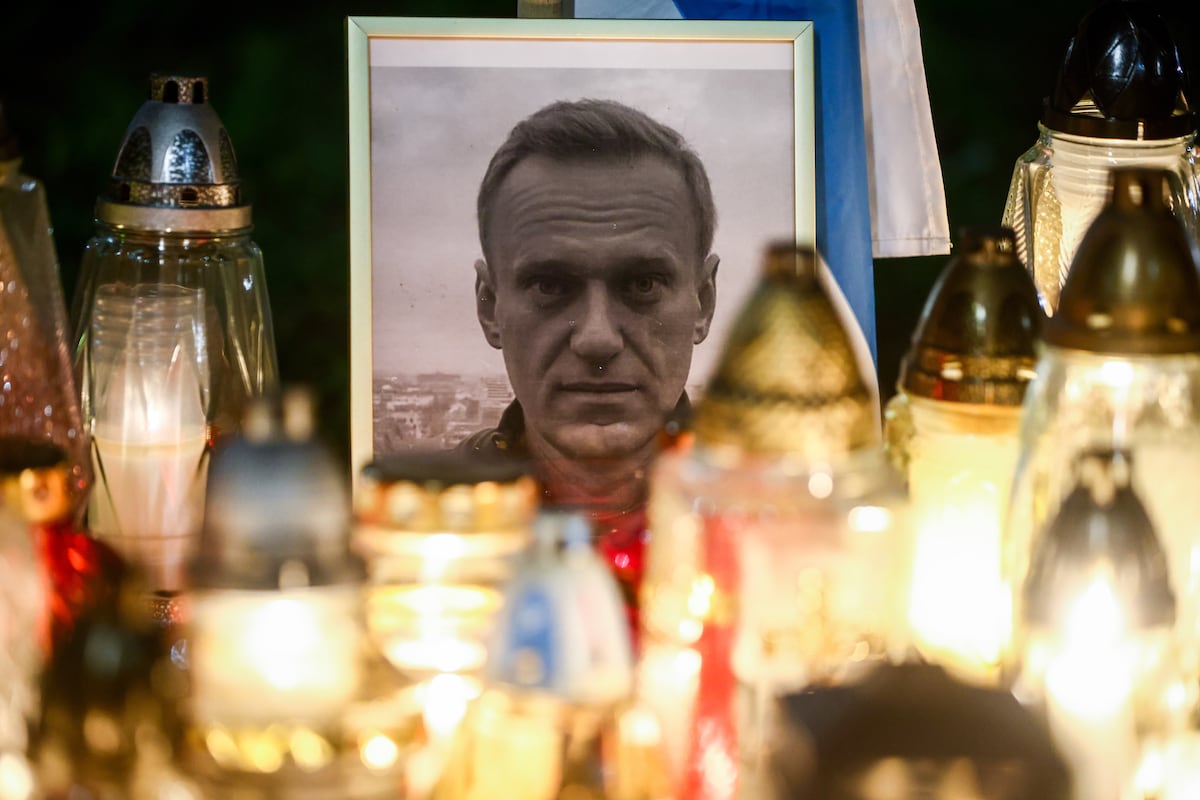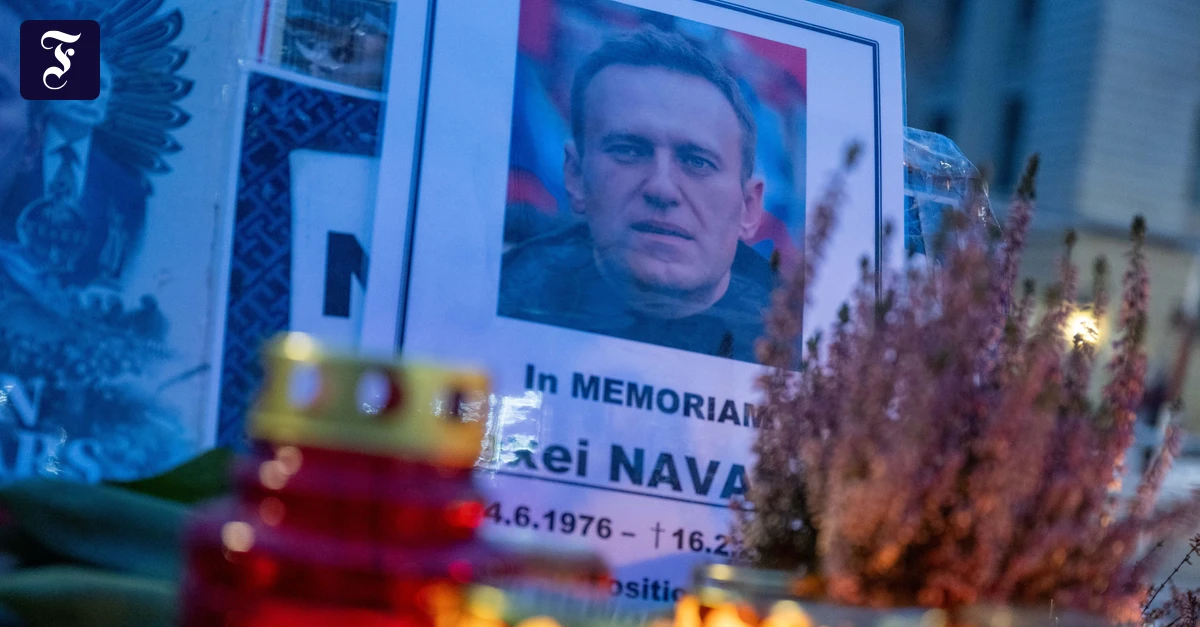
When the former head of the late Alexei Navalny’s Anti-Corruption Foundation (FBK) was let go from his job last fall, he was light on details of the situation. But in a tell-all interview last week, he made some shocking claims.
Among them was an allegation of financial misconduct involving “fictitious employees.” While FBK has been no stranger to controversy since Navalny’s death, this was serious enough to elicit responses from its leadership and kick off the kind of ugly social media spat that many would have preferred to keep private.
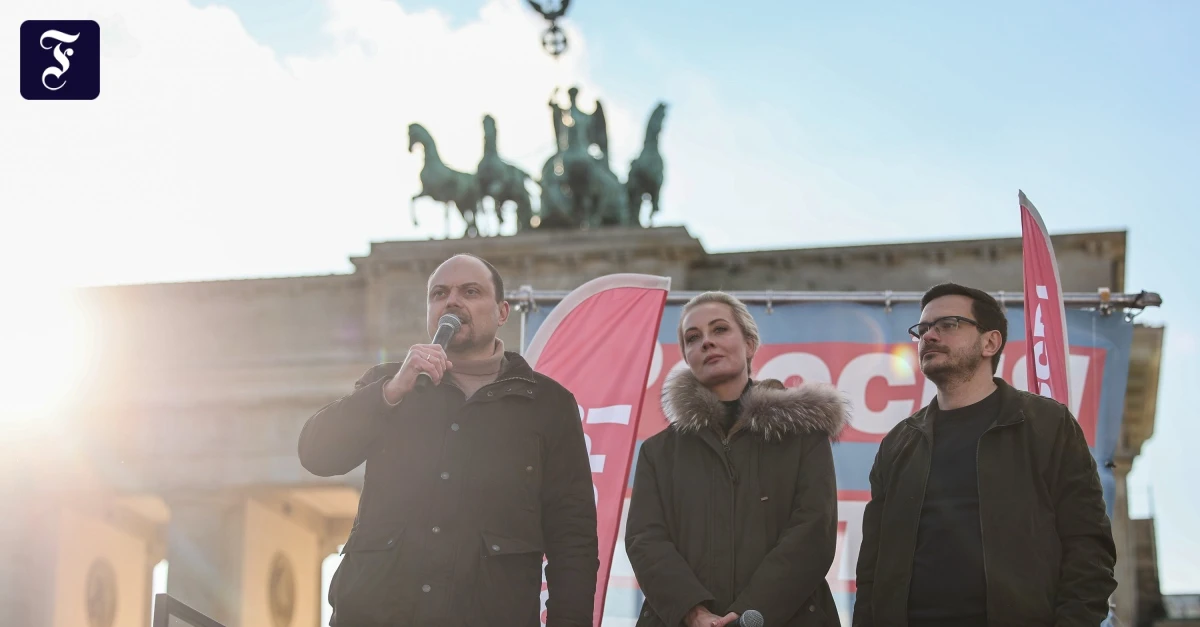
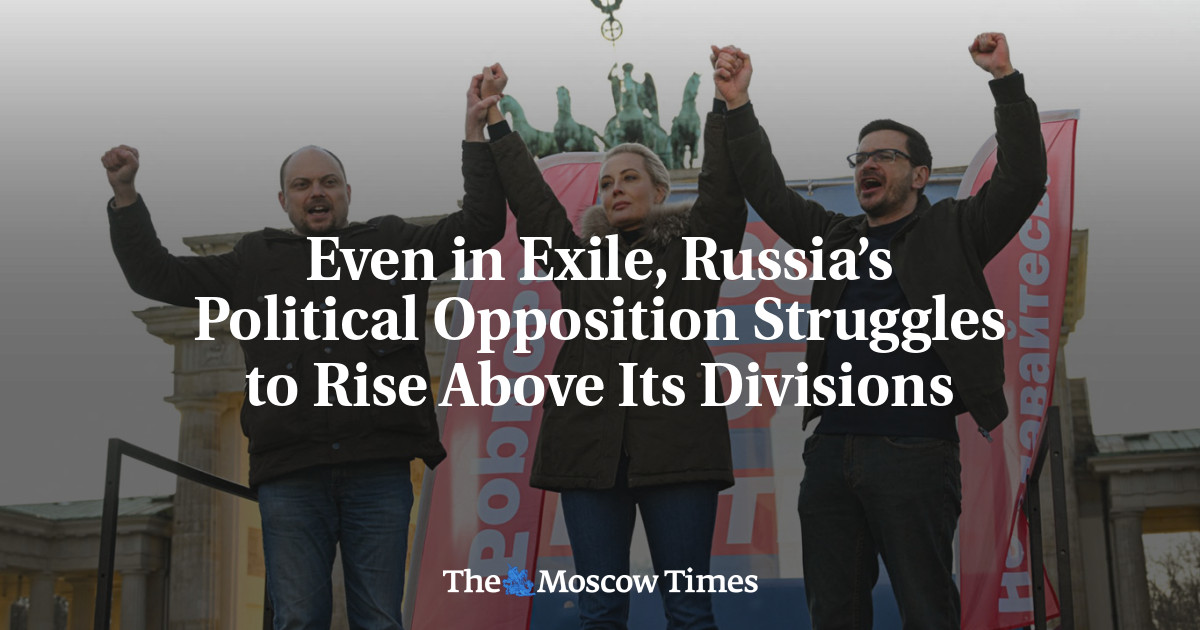
The public row has laid bare the deep divides and infighting that continue to dog Russia’s exiled anti-war political opposition.
More than four years since the invasion of Ukraine forced them to go abroad, these groups have struggled to articulate a cohesive vision and rise above the schisms that have led some to deem them “ineffective.” Critics argue they’re more focused on fighting each other than President Vladimir Putin.
At least, that’s the mainstream narrative.