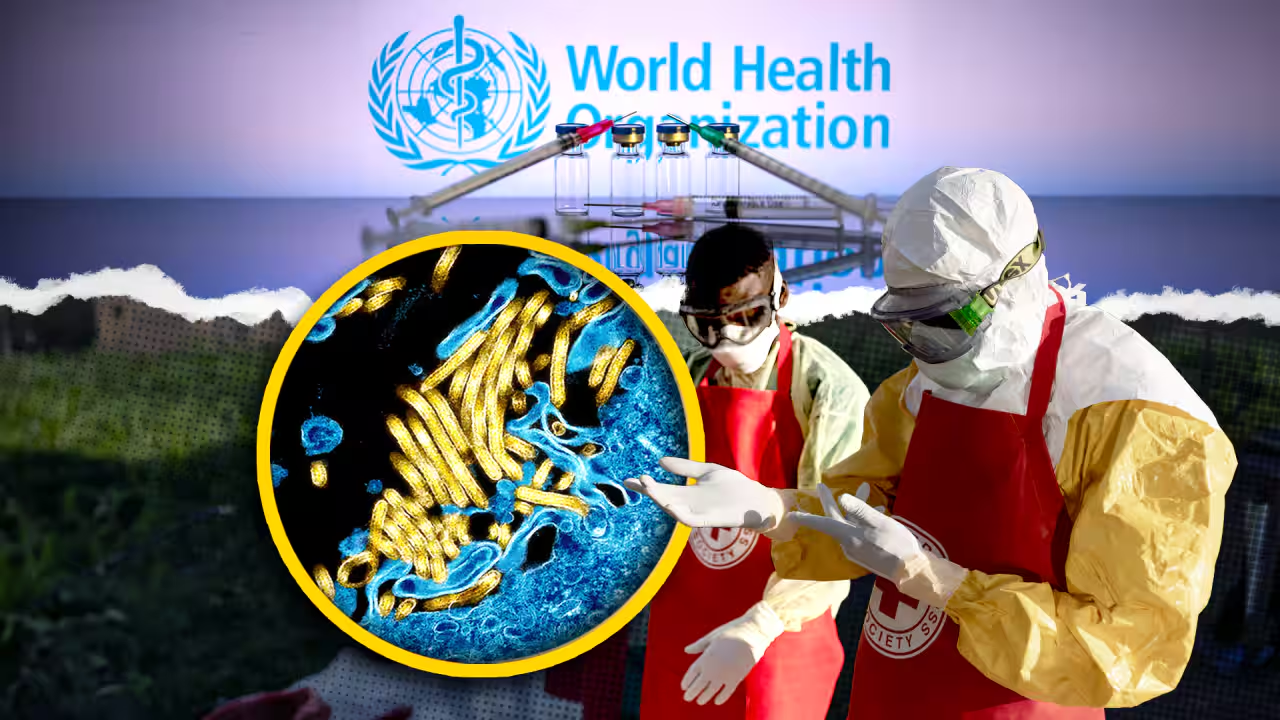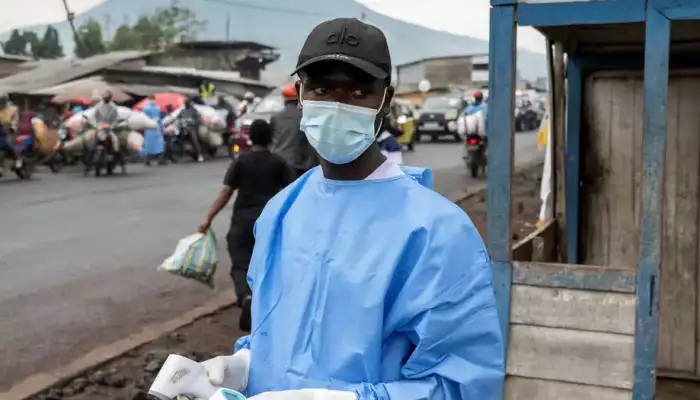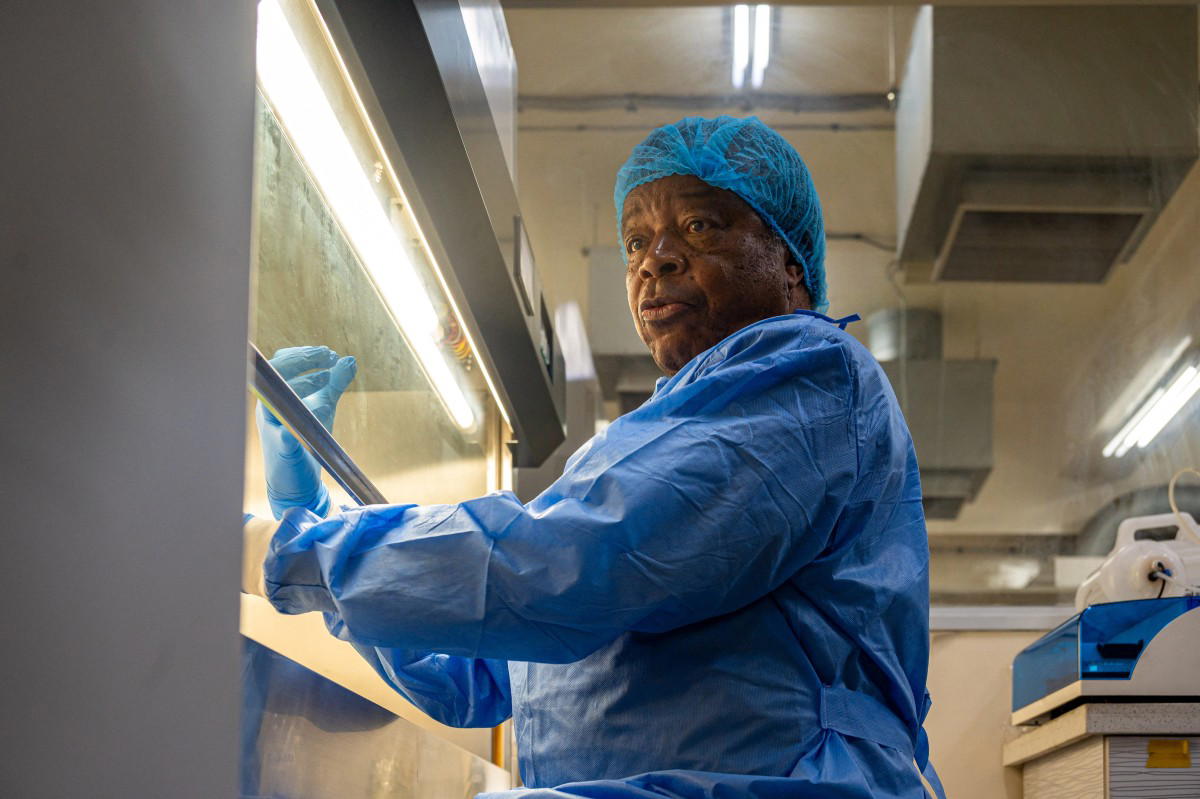
An Ebola outbreak in the Democratic Republic of Congo has killed dozens and spread beyond the country’s borders, with Jean-Jacques Muyembe – the Congolese scientist who co-discovered the virus nearly 50 years ago – telling RFI that health authorities may have detected the epidemic too late and still do not know how far it has spread.
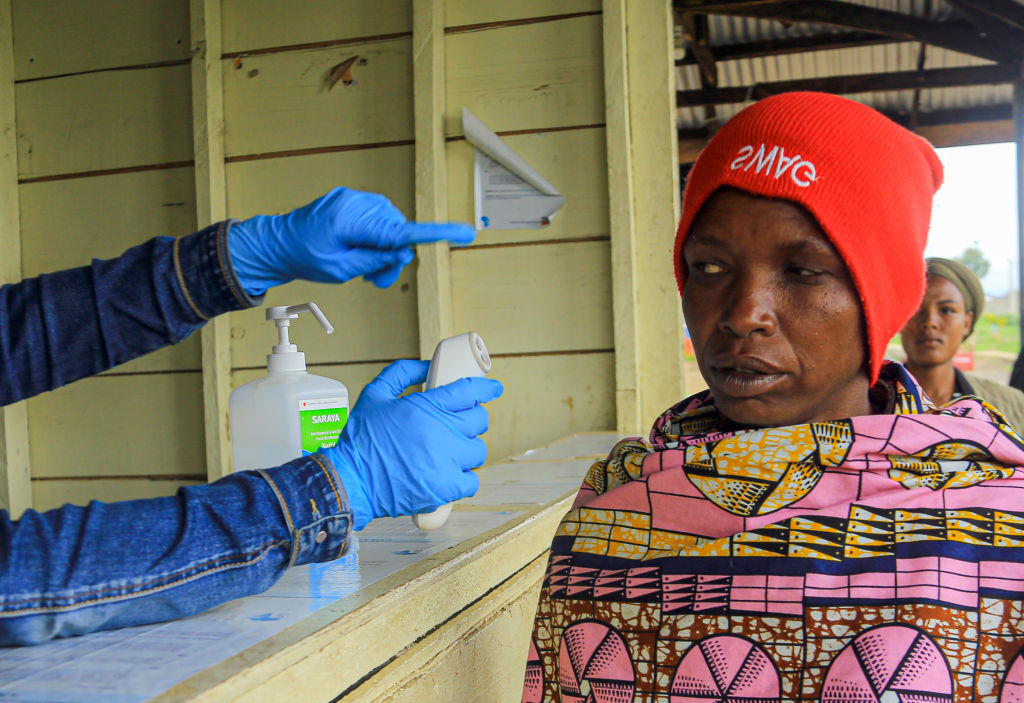
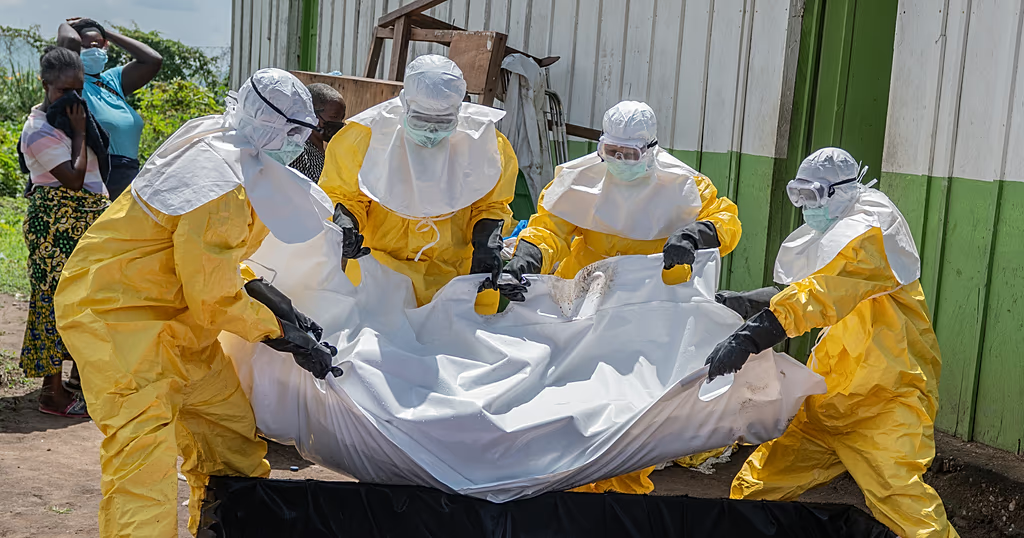
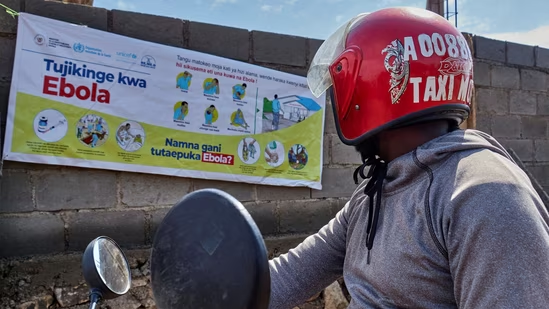
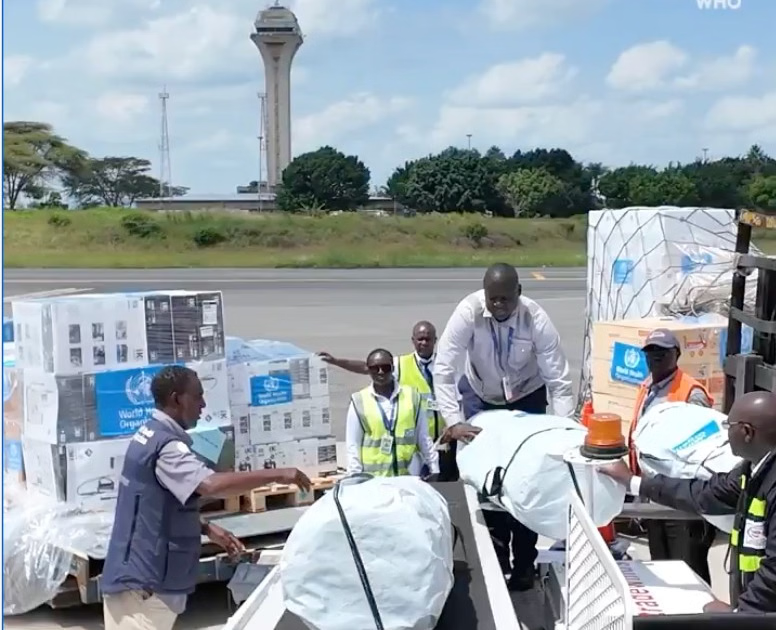
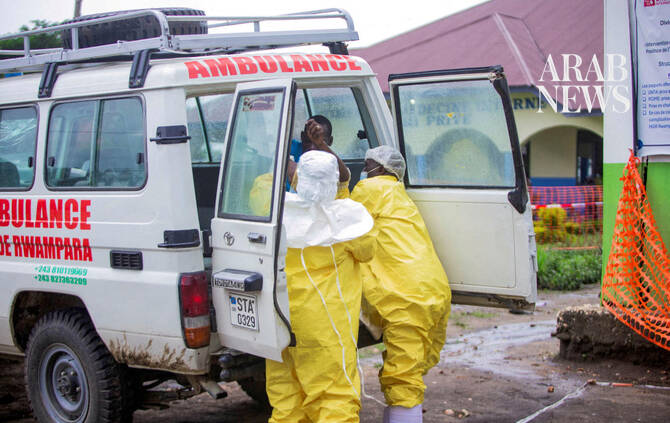
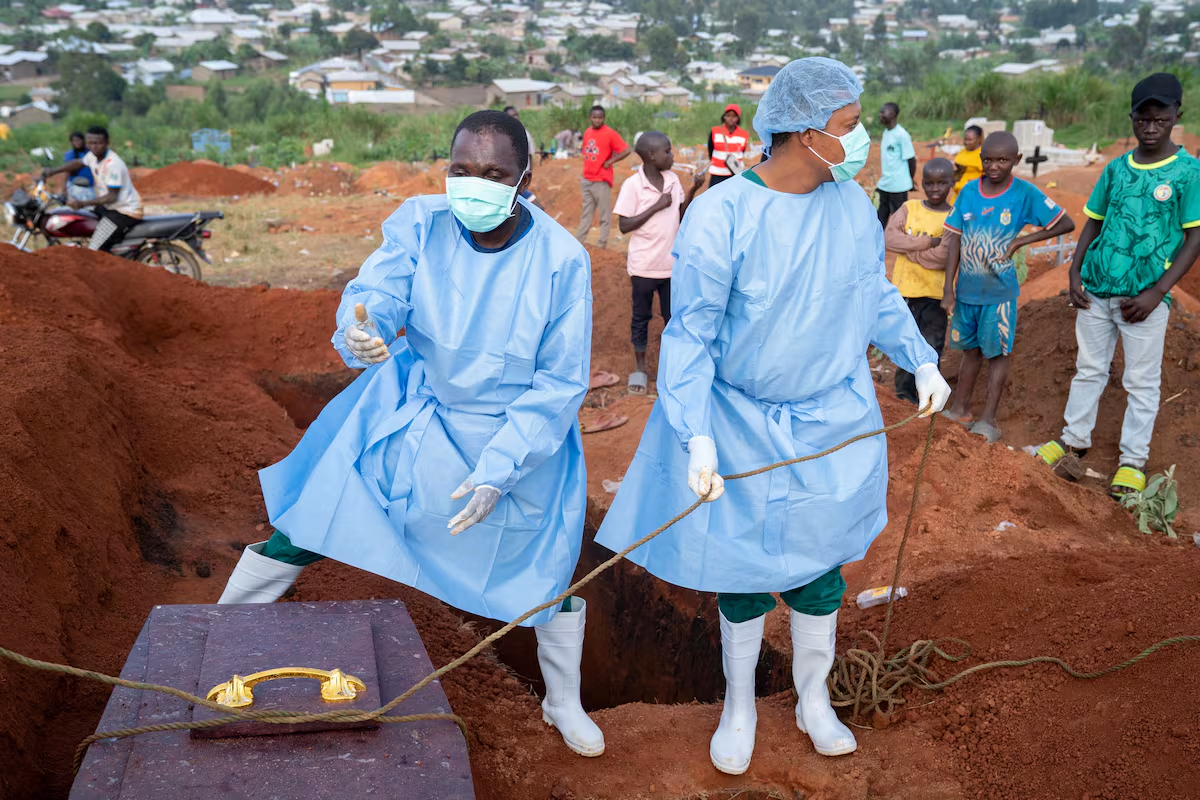
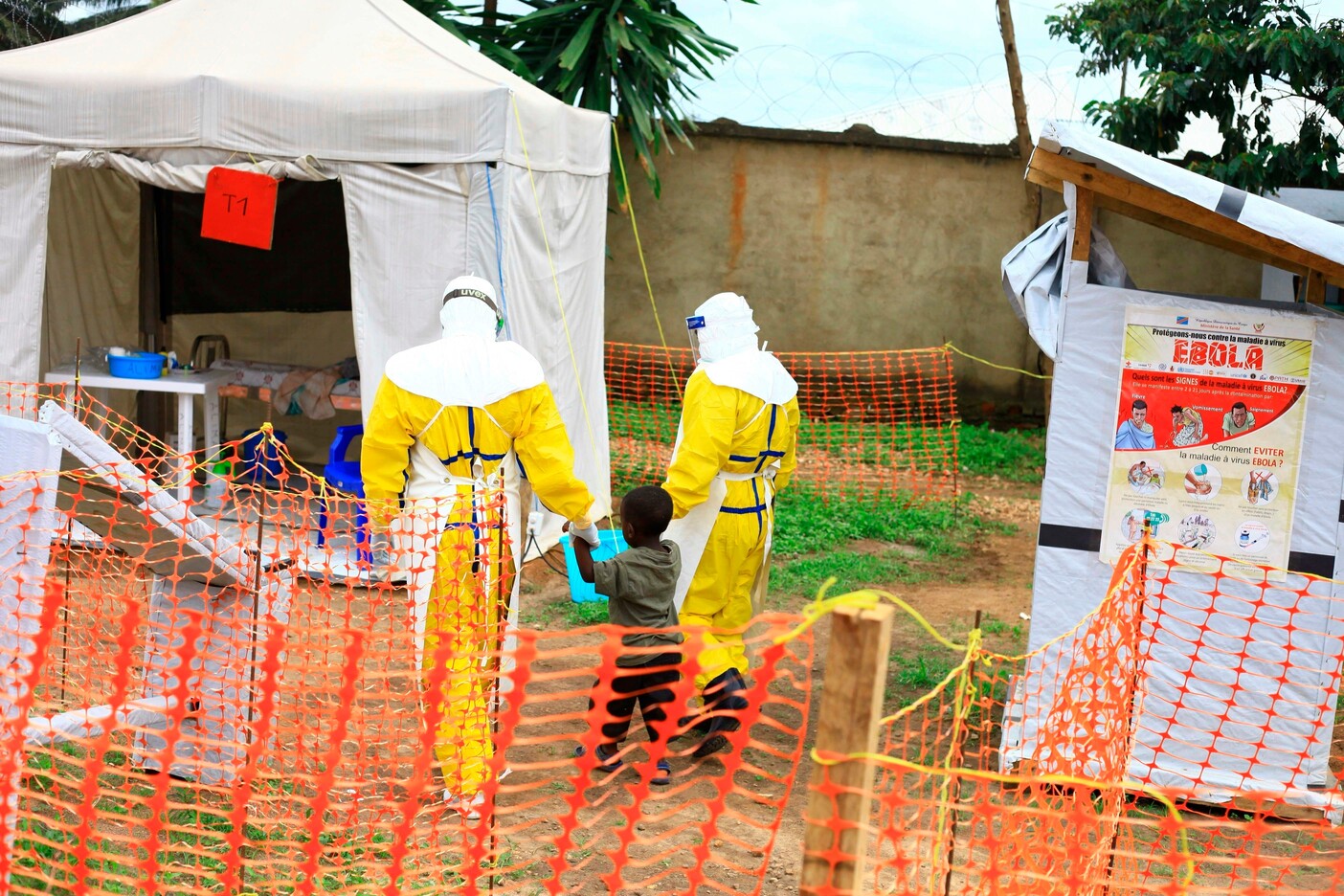
The outbreak, caused by the Bundibugyo strain of Ebola, has already spread into neighbouring Uganda and prompted the World Health Organization to declare a “public health emergency of international concern” on Sunday. Health officials say there is no approved vaccine or specific treatment for the strain, while aid agencies warn that conflict, displacement and weak infrastructure are making it harder to trace contacts and isolate cases. The Africa Centres for Disease Control and Prevention reported 336 suspected cases and 88 deaths over the weekend, although only a small number of cases have so far been confirmed through laboratory testing. 'Uncertainties' The WHO has warned there are still “significant uncertainties” about the true number of infections and how widely the virus may have spread. A case has also been reported in the eastern city of Goma, according to M23 rebels who control the city. Medical charity Doctors Without Borders has described the spread of the outbreak as “extremely concerning” and said it is preparing a large-scale response. Emergency stocks of protective equipment had already been depleted in Kinshasa, with additional supplies being flown in from Kenya, the WHO said. Meanwhile the International Rescue Committee warned that cuts in international donor funding had weakened disease surveillance in the region. New Ebola outbreak in DR Congo: What we know Armed conflict The outbreak began in northeastern DR Congo near the borders with Uganda and South Sudan, in a region long affected by armed conflict and population displacement. Health officials say the delayed detection of the outbreak may have allowed the virus to spread more widely before emergency teams were deployed. WHO head Tedros Adhanom Ghebreyesus said the organisation first learned of suspected cases on 5 May, but laboratory confirmation only came nin days later. The latest outbreak is the 17th recorded in DR Congo. During the deadly 2018-2020 Ebola epidemic in the east of the country, health workers and treatment centres were repeatedly attacked by armed groups, while aid agencies struggled to gain the trust of local communities. Muyembe, who now heads Kinshasa’s National Institute of Biomedical Research (INRB), played a central role in managing that outbreak. He said local staff would again be essential because communities in affected areas were often suspicious of outsiders arriving from the capital, Kinshasa.