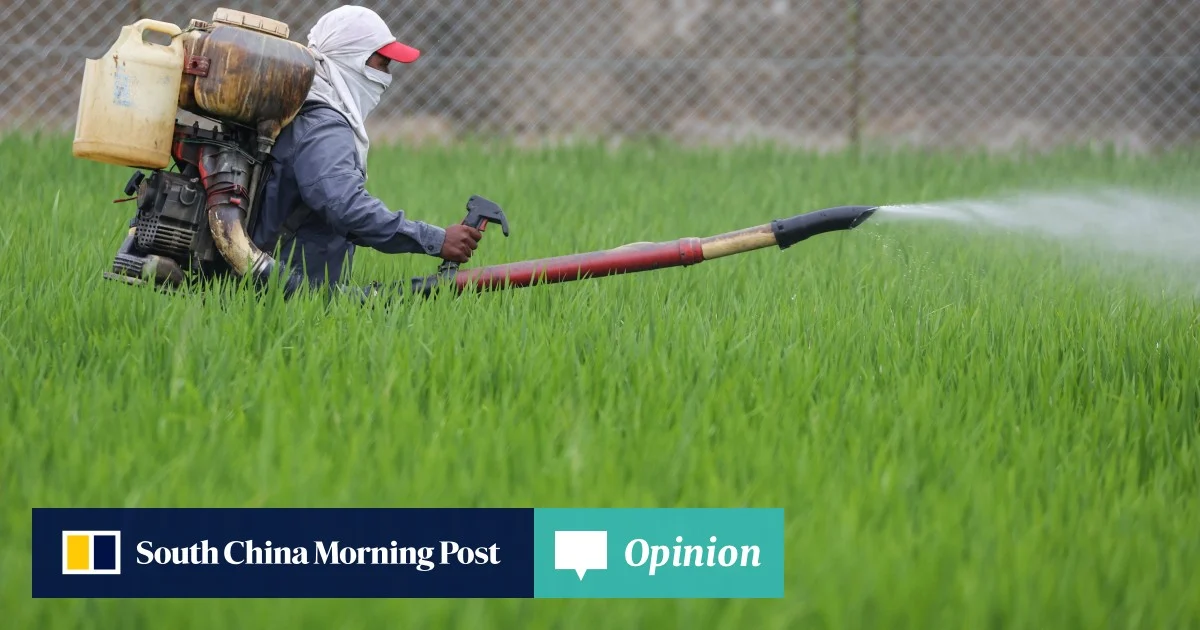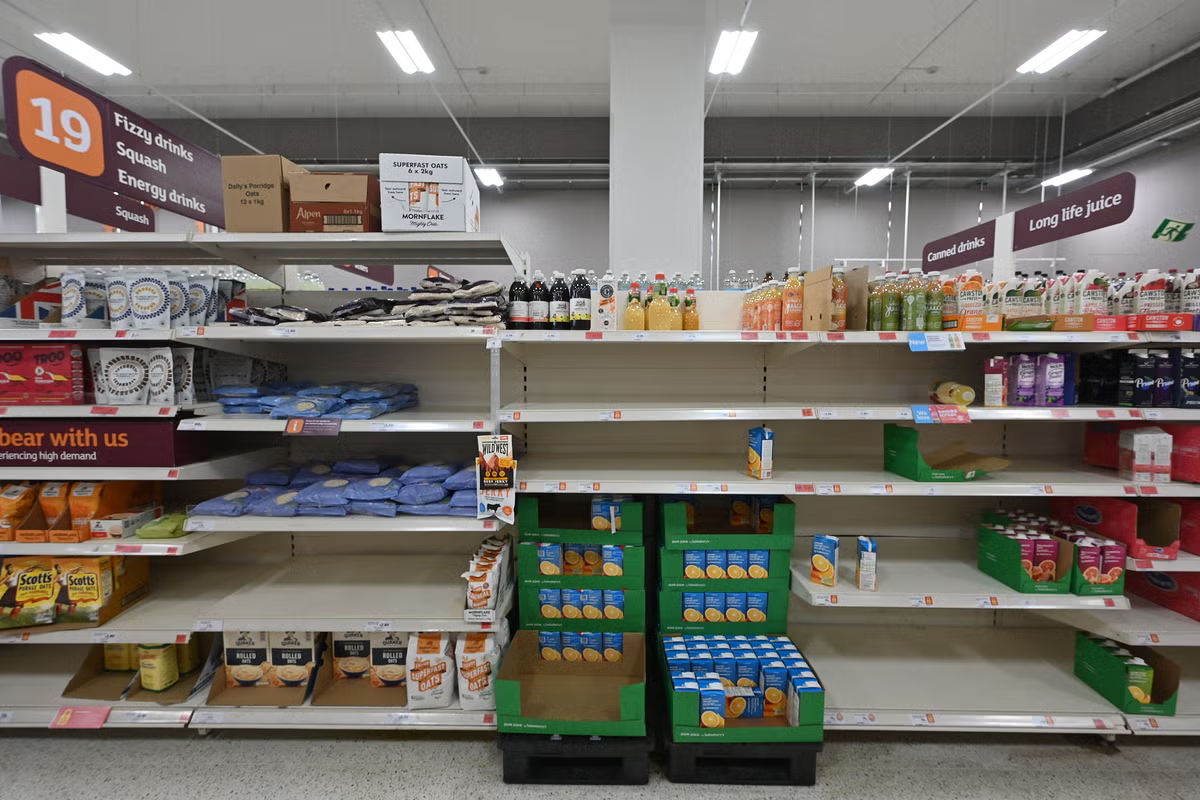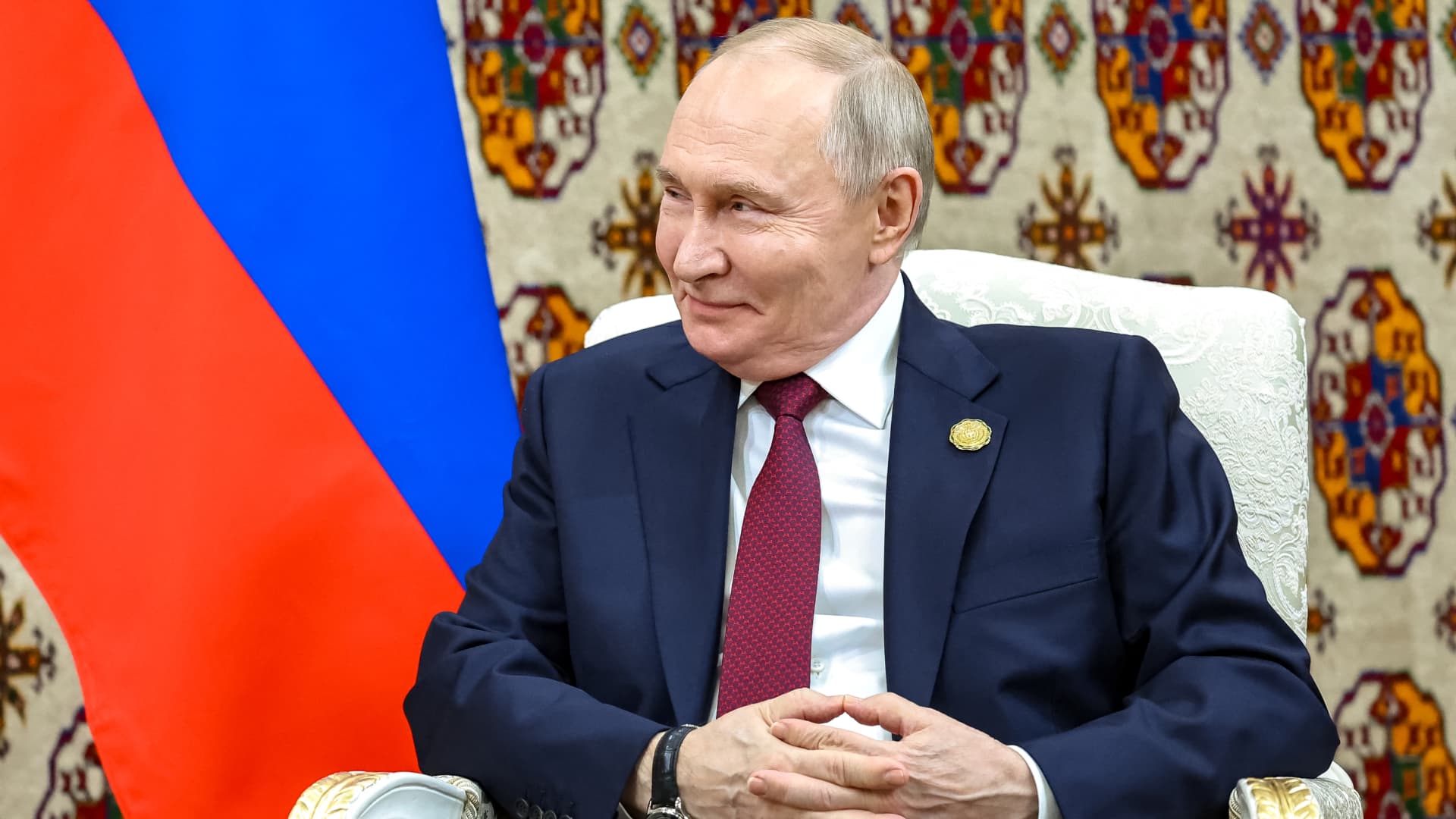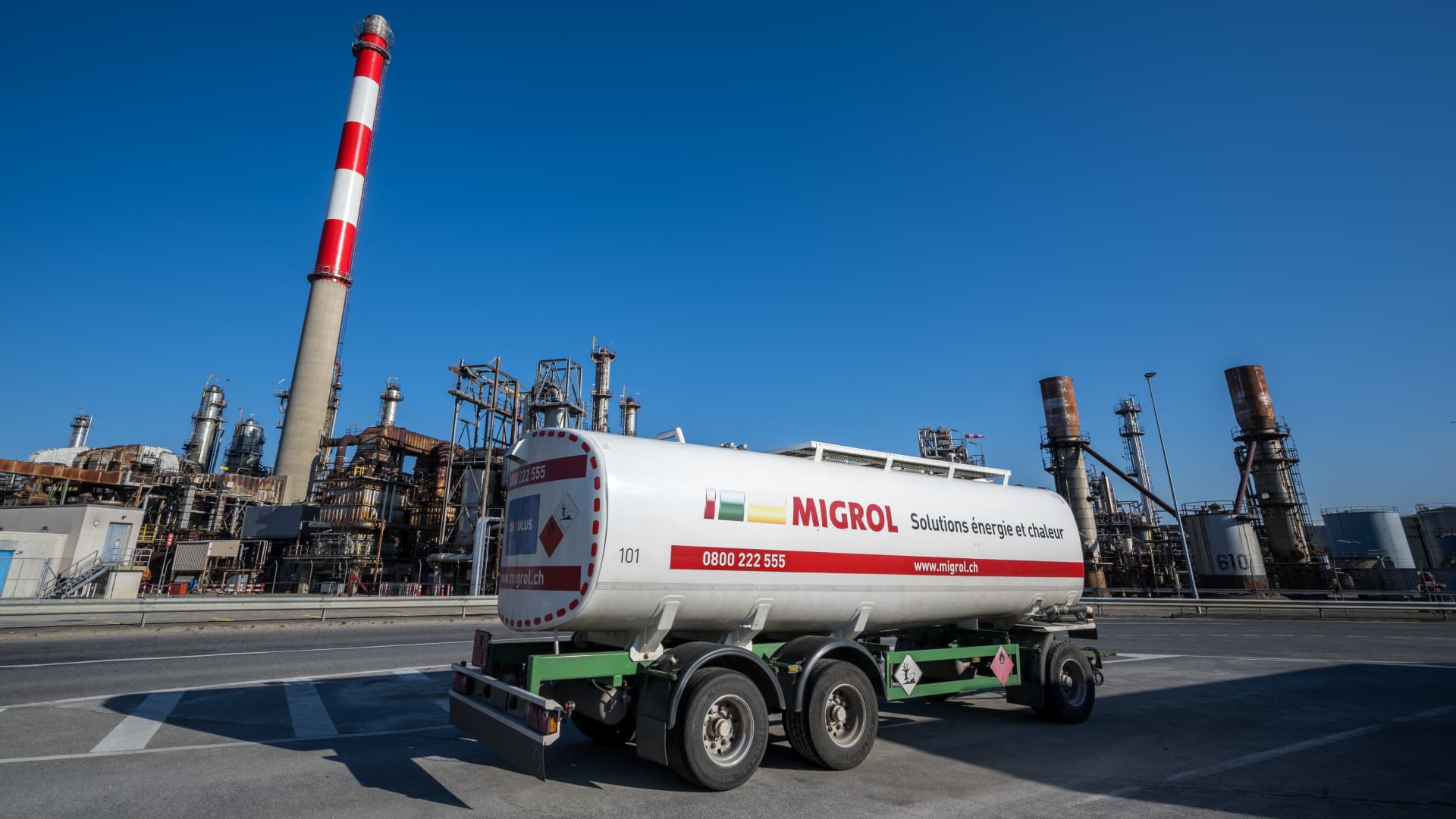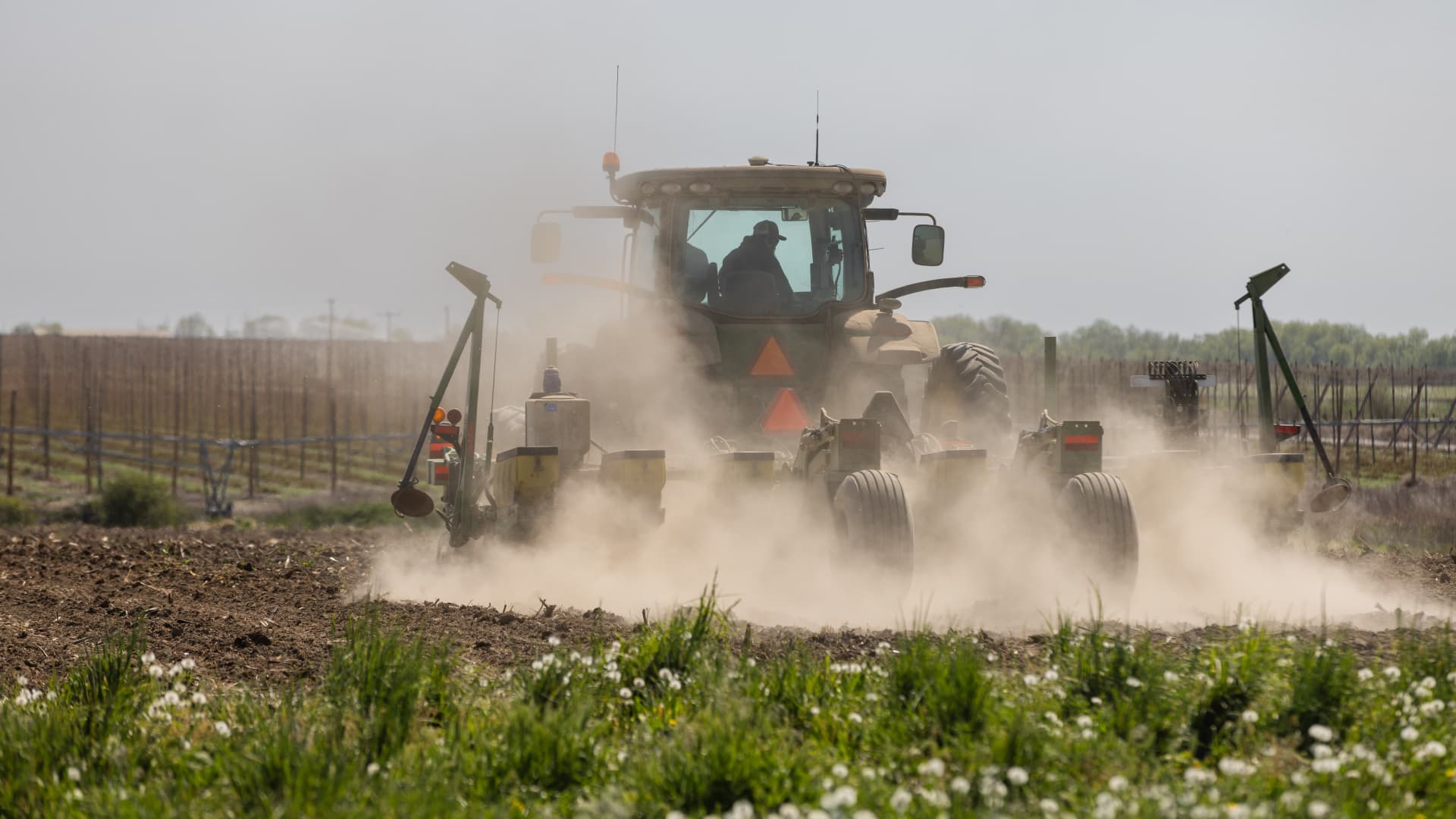
Russia and China may exploit the fallout from the Iran war to increase their influence and leverage over developing countries struggling to cope with energy and food shortages, European Union ministers have been warned.An internal paper written by officials working in the EU’s diplomatic service advised that the global economic squeeze caused by Strait of Hormuz blockade could have “significant geopolitical implications” for Europe. The paper, seen by The Irish Times, said the important role Gulf states played in the trade and supply of fertiliser for farmers meant global food security could be “heavily affected” by the crisis. The developing world could face “significant food shortages and price increases” before the end of this year, officials warned. Governments are continuing to count the cost of Iran choking the Strait of Hormuz, a key shipping lane through which a fifth of the world’s supply of oil and gas passes. Oil tankers passage through the vital waterway has been effectively cut off by Tehran, in retaliation for US and Israeli air strikes which started the war in late February. Boats moored off the coast of Bandar Abbas, Iran, in the Strait of Hormuz on May 15th. Photograph: Majid Saeedi/Getty Iran’s strategy of putting pressure on the Trump administration by throttling oil and gas supplies coming from the Gulf has seen global energy prices rise. Fragile countries already under strain would likely be “disproportionately” hit by the pressure on energy and food supplies, the internal EU paper said. Ministers responsible for international development policy from the union’s governments discussed the warning in Brussels on Monday. Russia was attempting to leverage the sale of its oil and gas supplies to “gain geopolitical influence” during the crisis, while Beijing was also moving to increase its leverage over other countries, ministers were told. “As witnessed in the aftermath of Russia’s full-scale invasion of Ukraine, some actors (most notably Russia and China) are taking advantage of the global shortages to engage in geopolitically motivated government-to-government fertiliser and food trade deals,” EU officials wrote. [ ‘The clock is ticking’: Trump issues fresh threat against IranOpens in new window ]There is some concern in senior levels of the European Commission, the EU’s powerful executive arm that proposes laws and leads on trade policy, that the Gulf states may re-evaluate aspects of their relationship with Washington due to the war. Iran’s decision to launch rockets at Qatar and the United Arab Emirates (UAE), two US allies in the region, did serious damage to the carefully cultivated image of both countries as stable, safe havens in the Middle East. Ministers were advised that pressure on global food supplies and production due to the war will extend “beyond this year”. The internal paper said increases in the price of fertiliser were already affecting agriculture in parts of Africa and Asia. It said the situation would be compounded by an expected weather pattern in the Pacific this year, known as El Nino, which in previous growing seasons caused droughts in Africa that saw a big drop in food production. “This may result in significant food shortages and price increases before the end of 2026, with food-importing countries and the most vulnerable set to be impacted most,” the EU paper said. Speaking in Brussels, Minister of State for International Development Neale Richmond said gaps created by European countries cutting back on overseas aid were being filled by “malevolent” forces. “If Europe retracts itself from the Global South that space will be filled by Russia. We’ve already seen China for years filling that economic space,” the Fine Gael junior minister said. “We see the presence of Russian military and Russian political actors across the continent of Africa,” he said. Moscow was already weaponising its energy supplies as leverage to press governments to “vote with them or abstain” in United Nations decisions, Richmond said.
Russia and China may exploit Iran fallout to increase global leverage, EU ministers warned
Officials advised developing world could face ‘significant food shortages and price increases’ before year’s end
638 words~3 min read