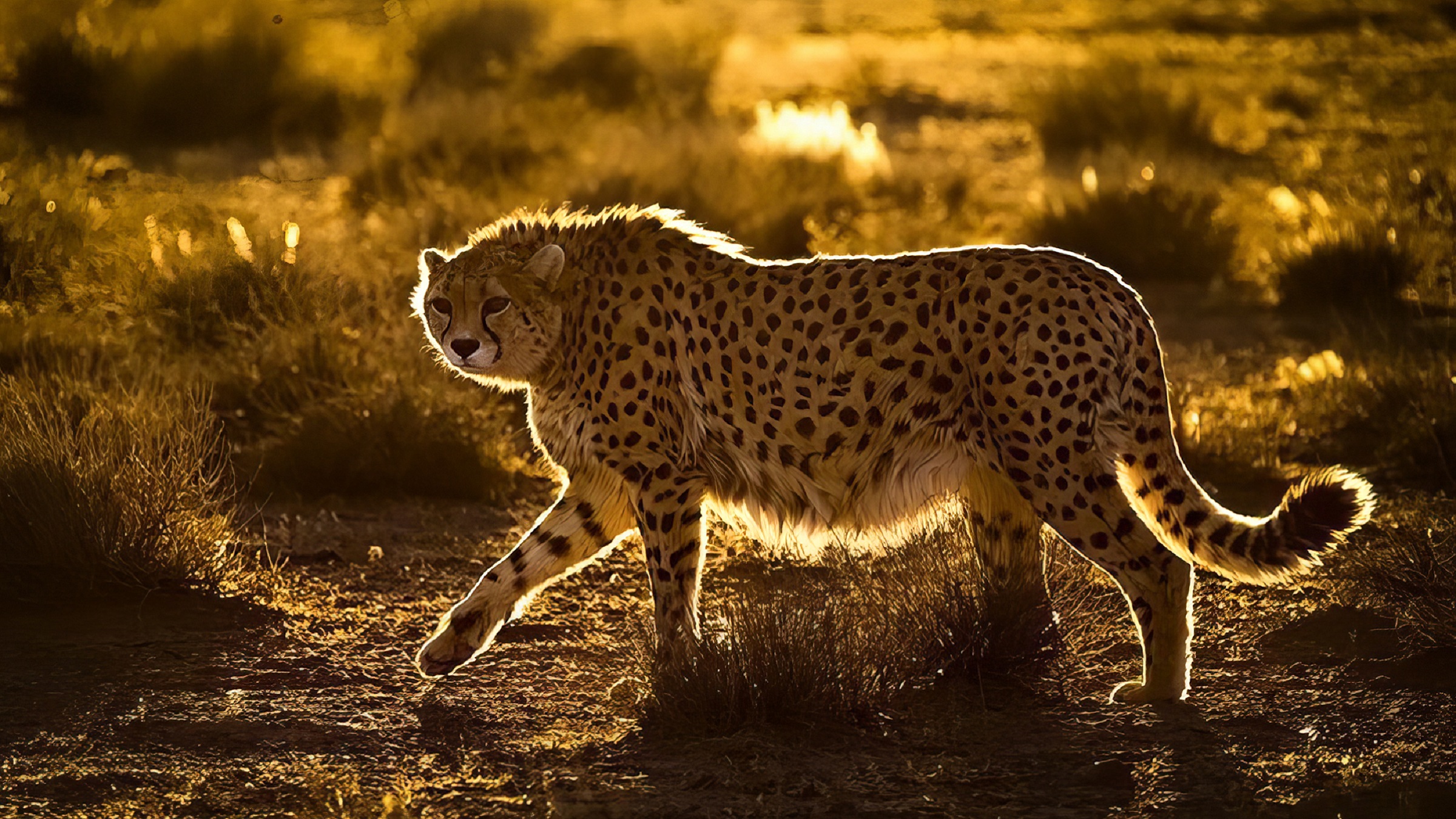
The Asiatic cheetah once roamed from the Arabian Peninsula to India, but today is found only in Iran, and fewer than 30 remain. With the country embroiled in war, the future of this subspecies’ is uncertain.The Iranian government gave the cheetah protected status in 1959 and created a number of protected areas and national parks. But the relative success of these early conservation efforts was undone in the turmoil that followed the 1979 Iranian Revolution, and later, the Iran-Iraq war.Complex geopolitics have hampered conservation efforts, and sweeping Western sanctions have prevented donor funding from reaching local conservation groups.While poaching and human-wildlife conflict are relatively rare, depleted prey stocks, fragmented habitats, dangerous roads and low genetic diversity threaten their fragile existence.
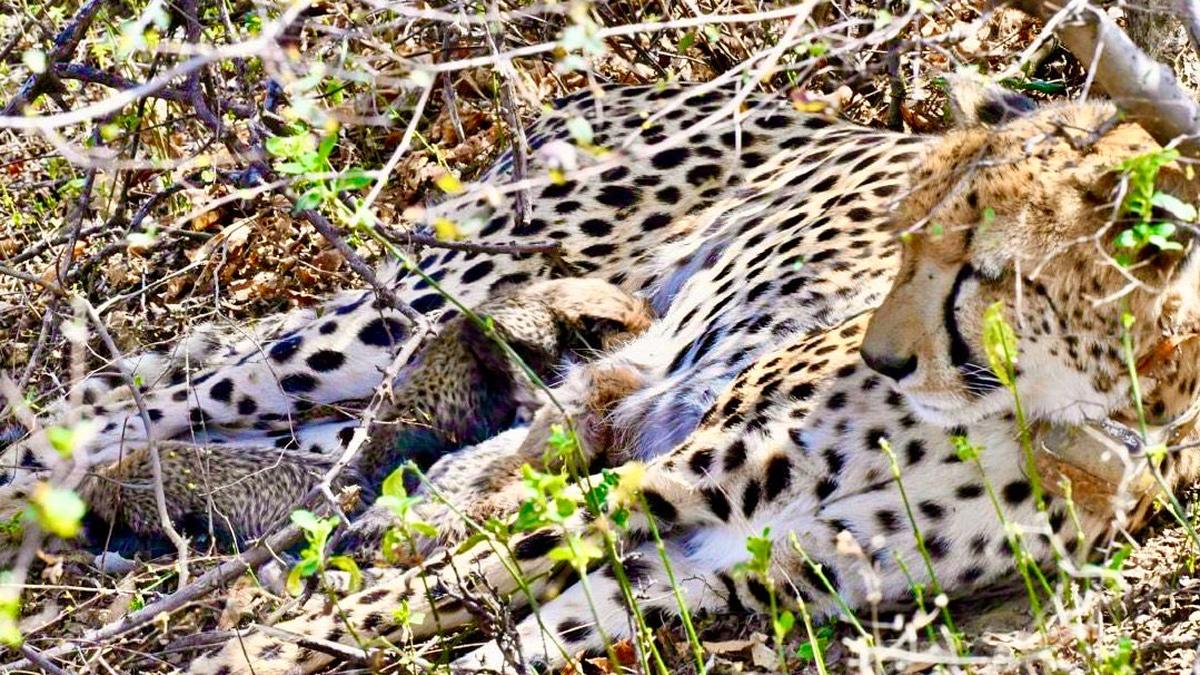
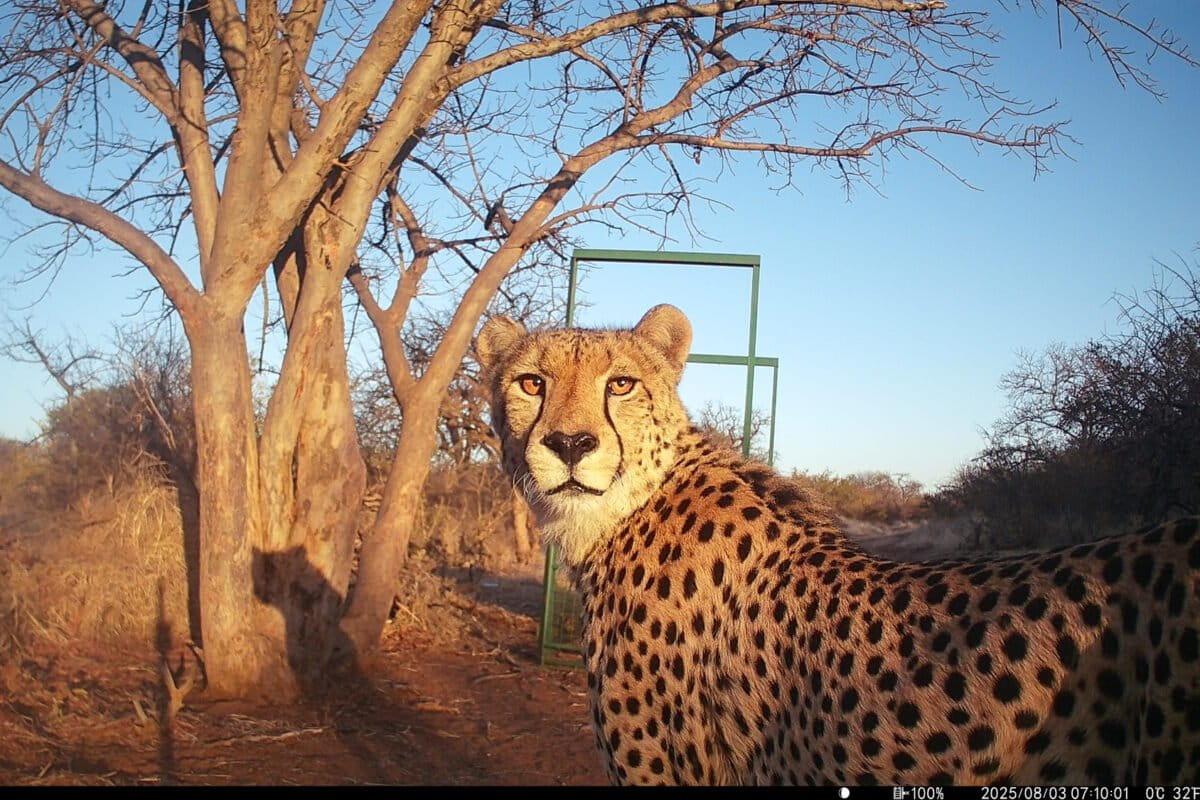
Before the war began in February 2026, there was some rare good news for Iran’s imperiled Asiatic cheetahs. Rangers spotted and filmed a female in the North Khorasan province accompanied by five cubs — a first. No more than four had ever been seen before, and every individual counts.
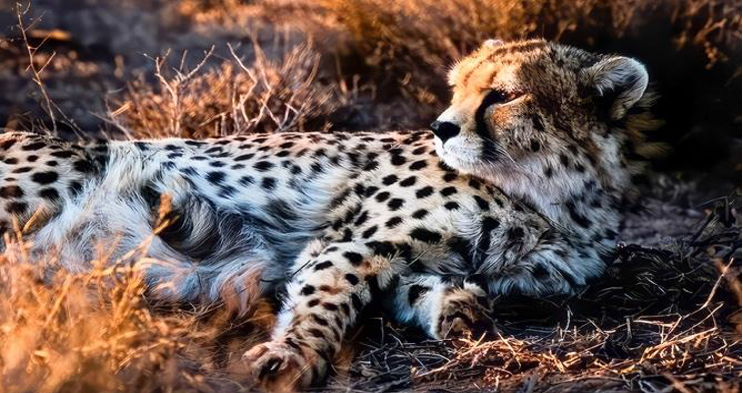
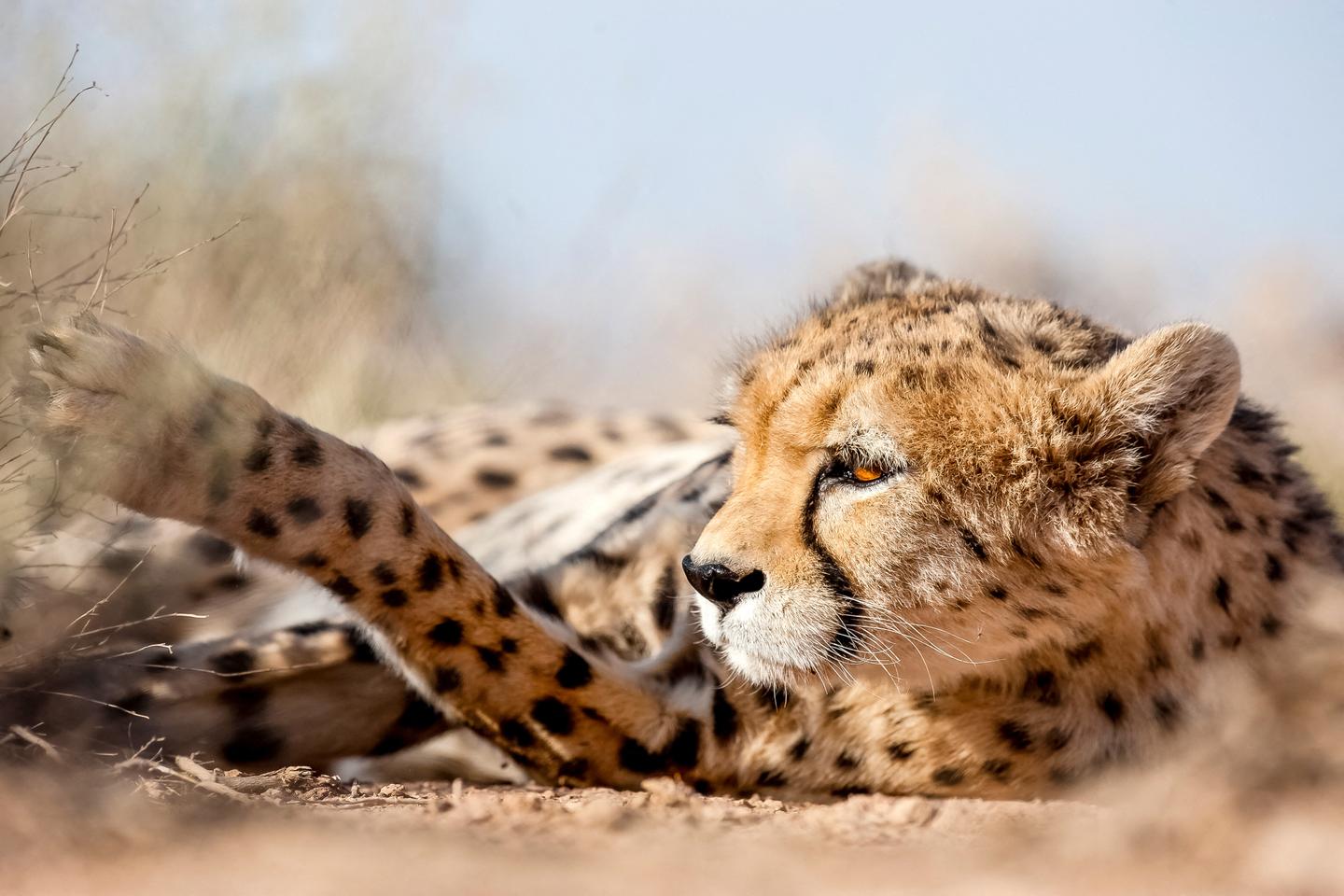
The Asiatic cheetah (Acinonyx jubatus venaticus) is the world’s most endangered big cat, and the number counted in the wild rose to 27. Bagher Nezami, national director of the Conservation of the Asiatic Cheetah Project, told Iranian state-controlled media that these were “ID-carded” cheetahs, known individuals being monitored by researchers. Another five remain in breeding sites and six in captivity, he said.