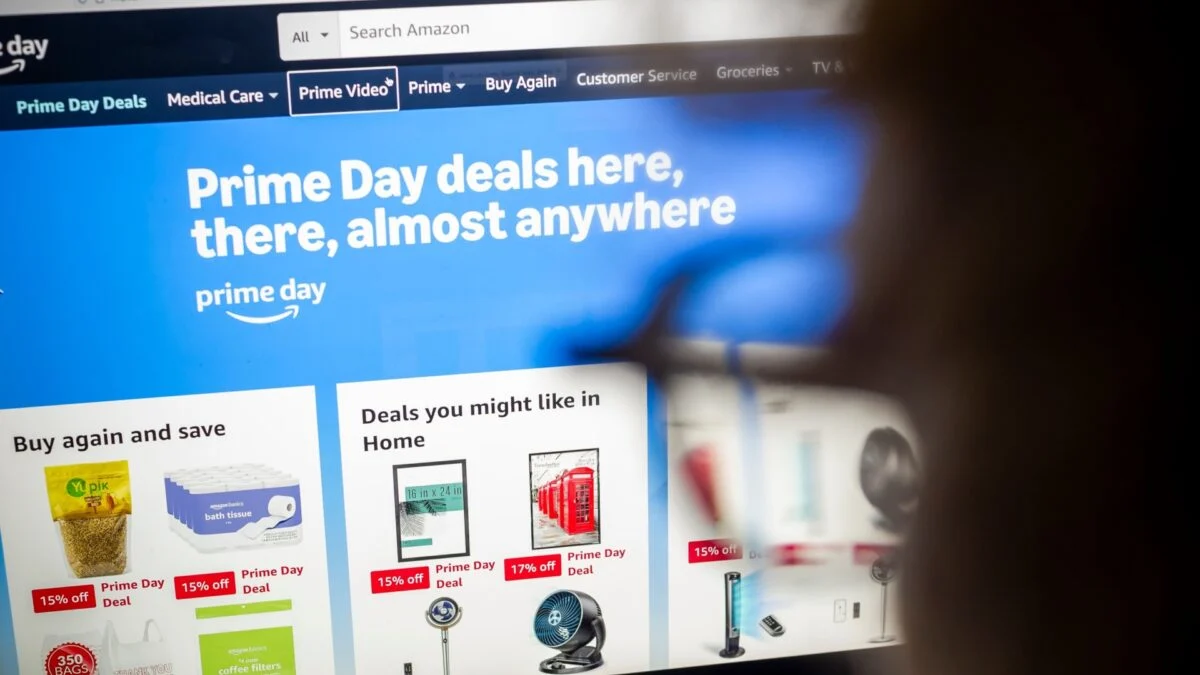
Website designs that try to change your behavior cross a line when they outright deceive, a University of Nebraska-Lincoln researcher says. File Photo by Ritchie B. Tongo/EPA
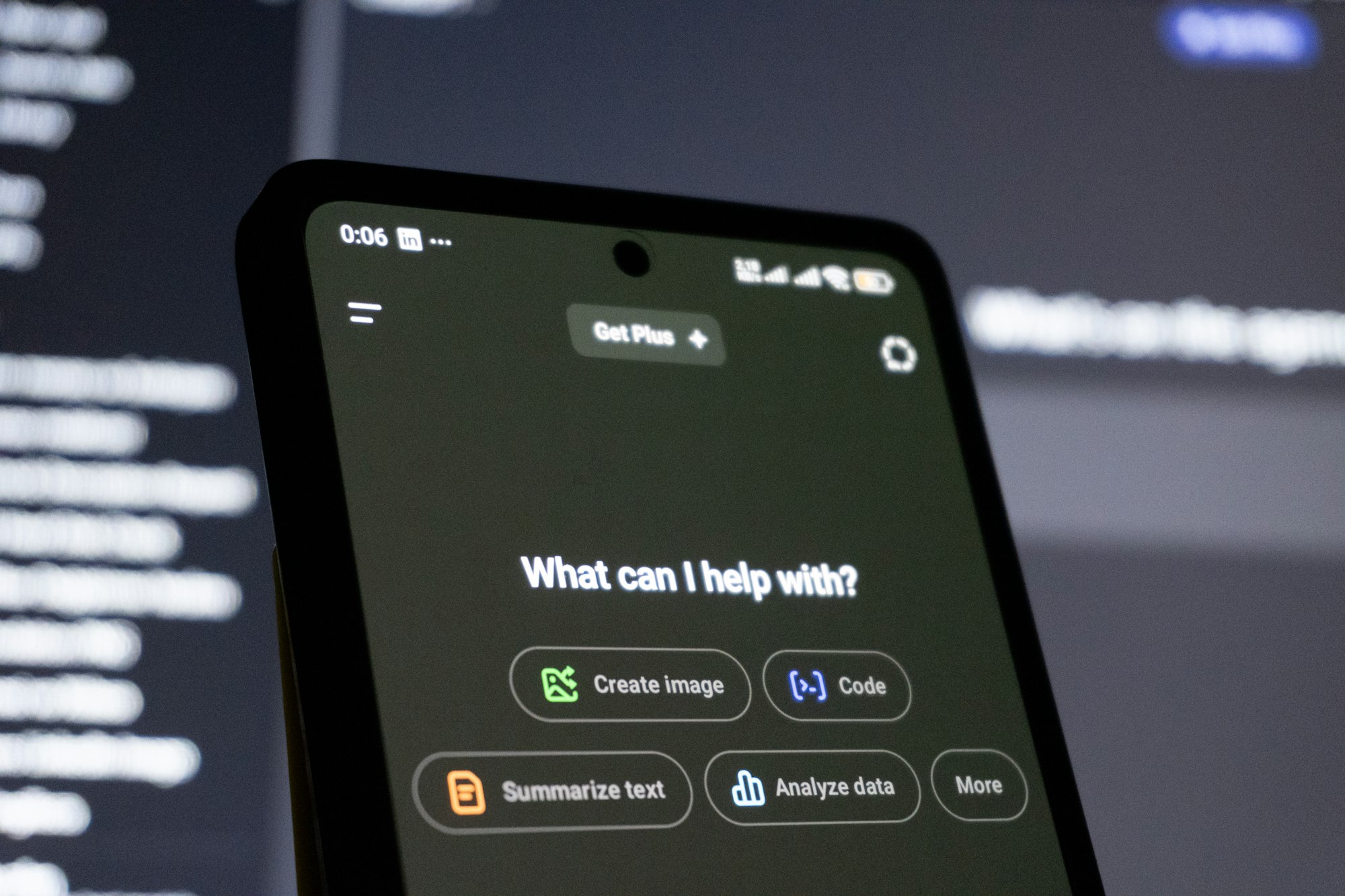
You open a free app to do one simple thing. Before you even start, a full-screen message asks whether you want to try the paid version. The "Start free trial" button is large, bright and hard to miss. The option to keep using the free version is smaller, buried at the bottom. The same prompt appears again tomorrow. And the day after that.
A lot of people look at screens like that and think, "Surely this has to be illegal." We even have a name for them, "dark patterns." They feel pushy. They waste time. They seem designed to wear you down. But in most cases, they are perfectly lawful.
"Dark pattern" is not a legal term with a clear boundary. It is a broad label for digital designs that nudge, pressure, confuse or trap users. As a legal scholar who studies consumer protection and digital design, I think the most important thing for readers to understand is that the label "dark pattern" covers a broad spectrum.
Some of that spectrum is just annoying. Some of it is aggressive salesmanship. And some of it crosses the line into deception or coercion. Federal and state consumer protection laws are mostly aimed at that last category. They do not ban every design choice people dislike, only those that trick or coerce.