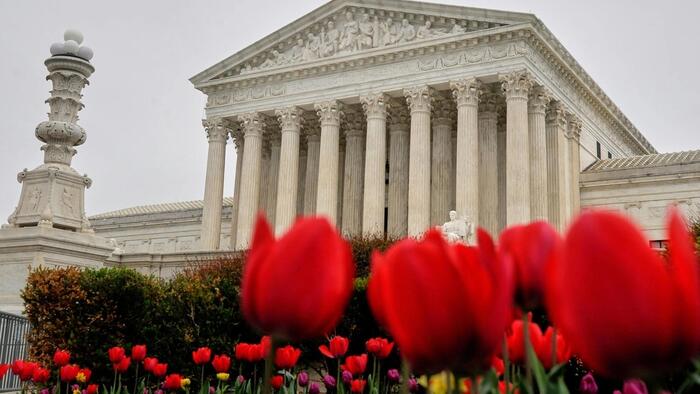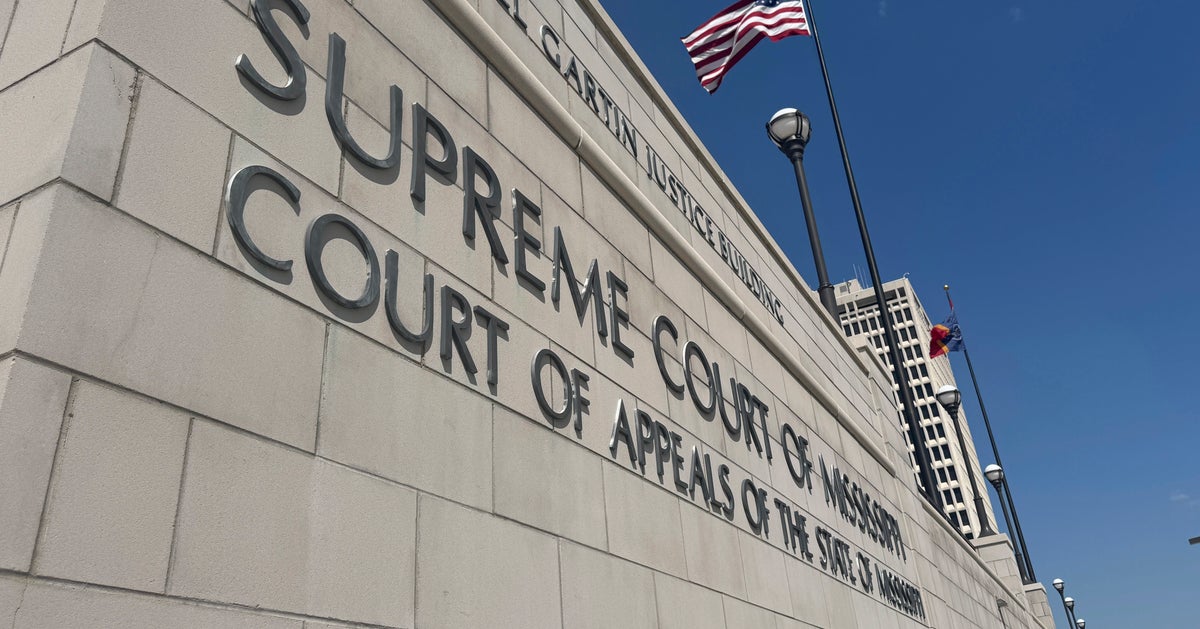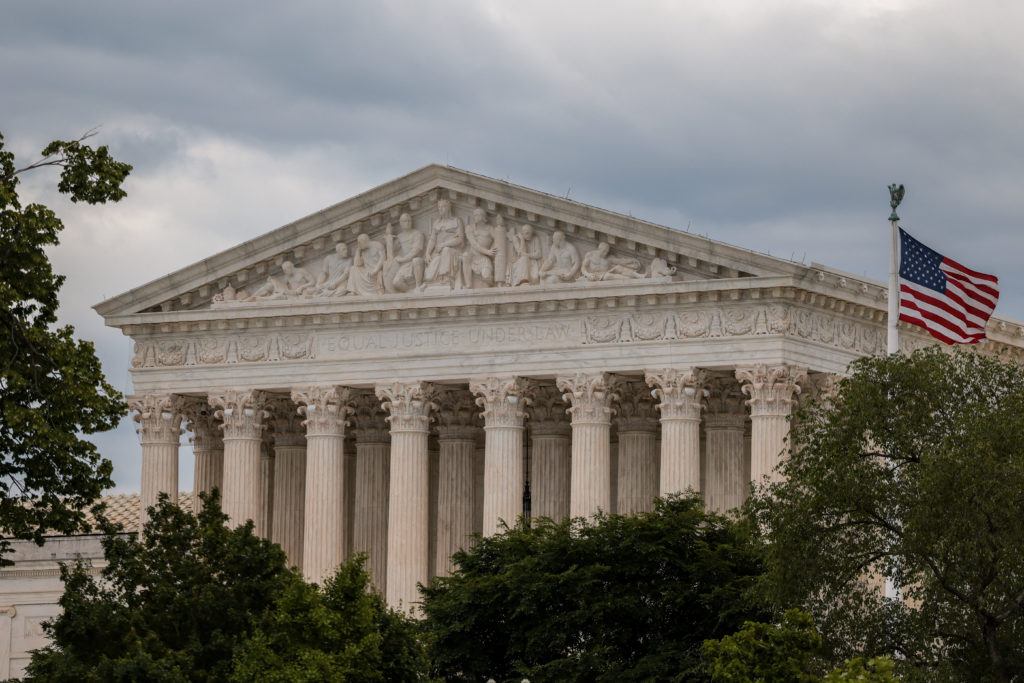
The Supreme Court tossed out federal court rulings in Mississippi and North Dakota on Monday over racial redistricting claims under Section 2 of the Voting Rights Act, weeks after the high court issued a landmark decision changing the standard for such legal challenges.The justices issued the pair of summary dispositions in an orders list, ordering the respective federal district courts where the cases originated to decide on the next steps for both cases with the high court’s recent ruling in Louisiana v. Callais. Justice Ketanji Brown Jackson dissented from the unsigned majority in both cases.In the Mississippi case, the U.S. District Court for the Southern District of Mississippi struck down two state Senate districts and one state House district as violations of Section 2 of the Voting Rights Act, finding that they unlawfully diluted black people’s ability to elect their representatives of choice. In the North Dakota case, the U.S. District Court for the District of North Dakota found that the state’s legislative district map unlawfully diluted Native Americans’ ability to elect their representatives of choice, in violation of Section 2 of the Voting Rights Act.
The Supreme Court’s ruling in Callais last month significantly raised the bar for bringing Voting Rights Act lawsuits over alleged racial gerrymandering, requiring clear proof of intentional racial gerrymandering, rather than the incidental splitting of racial groups into different districts, while pursuing partisan gerrymandering, which is lawful.