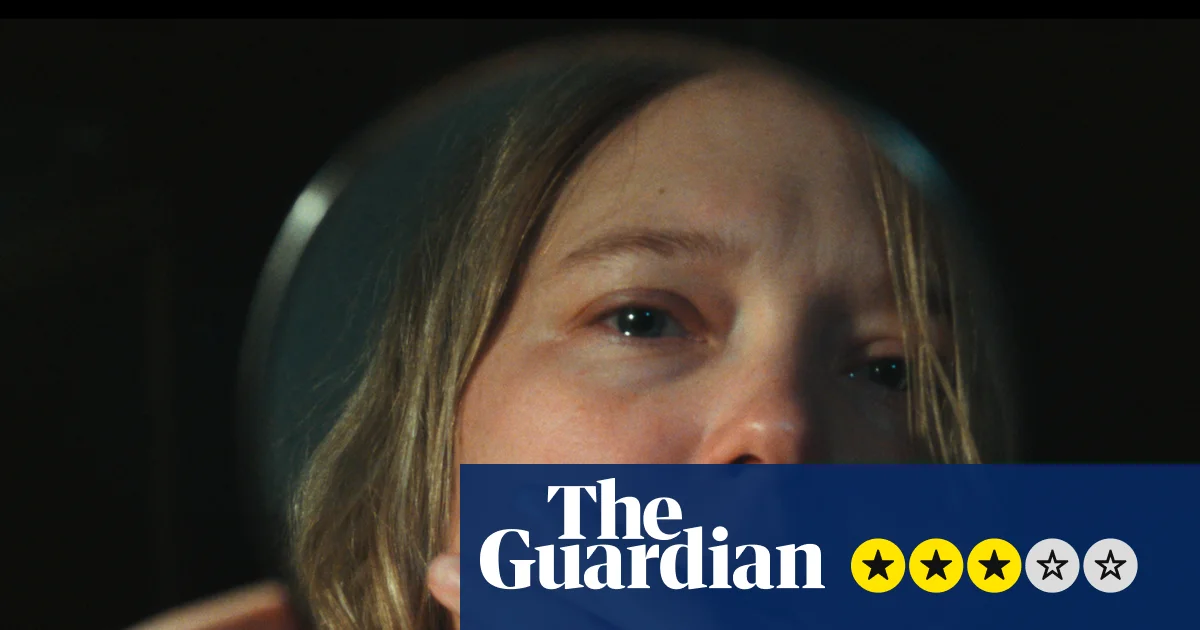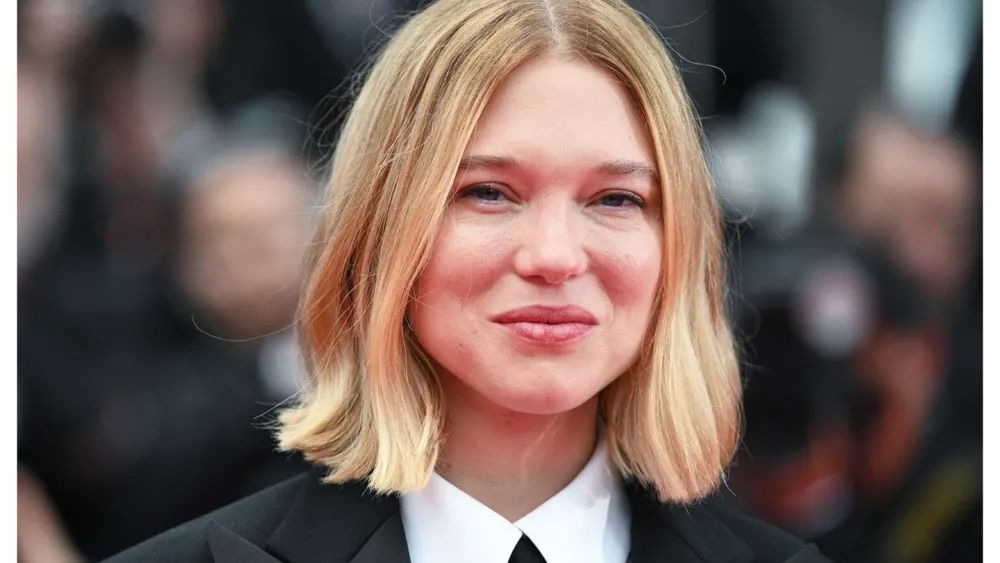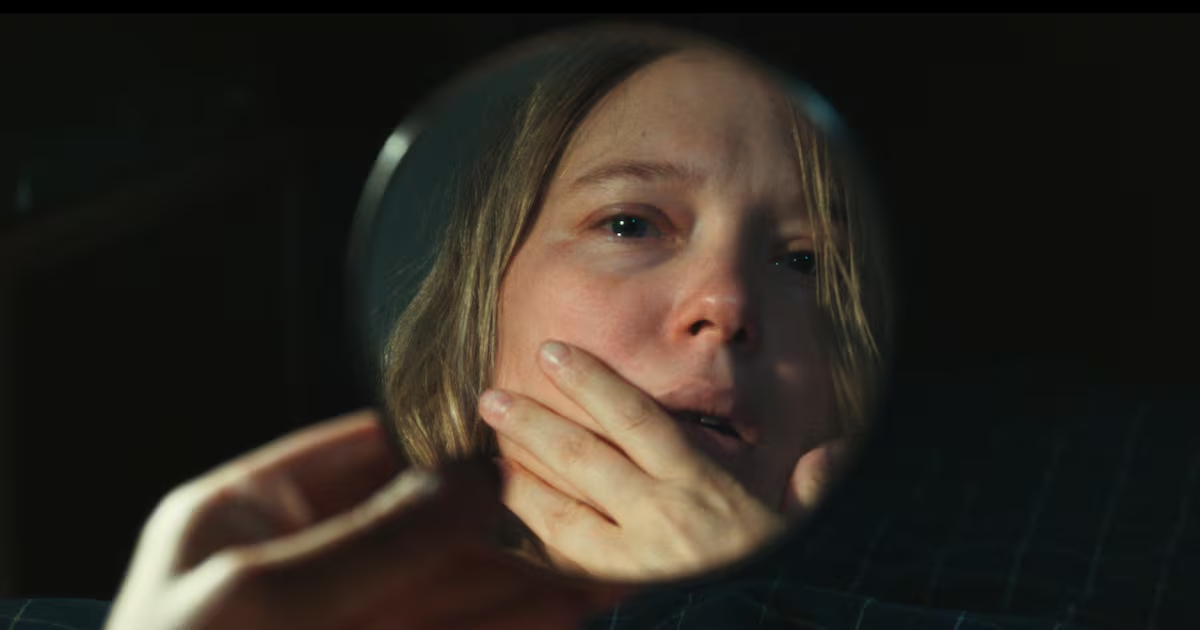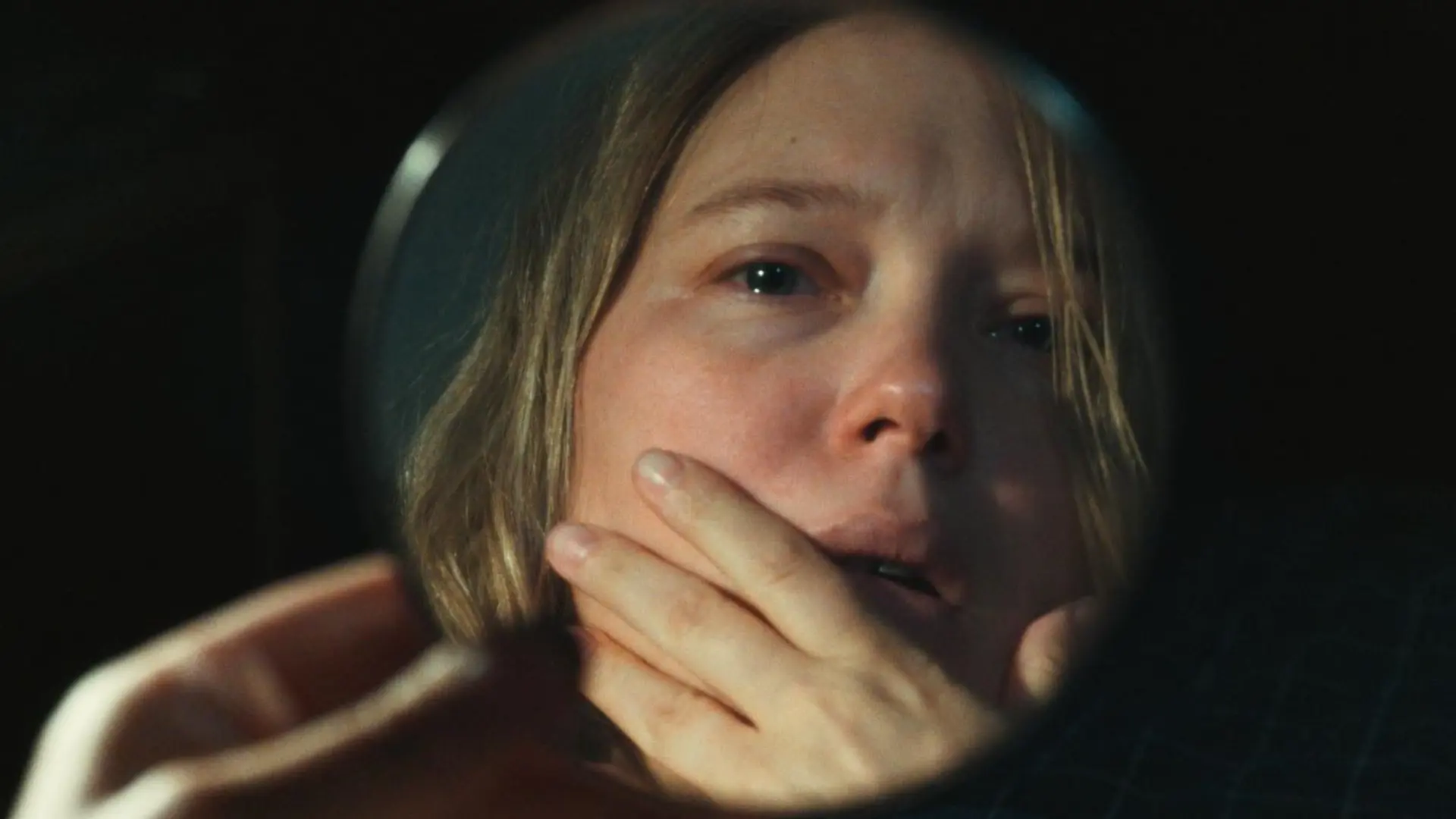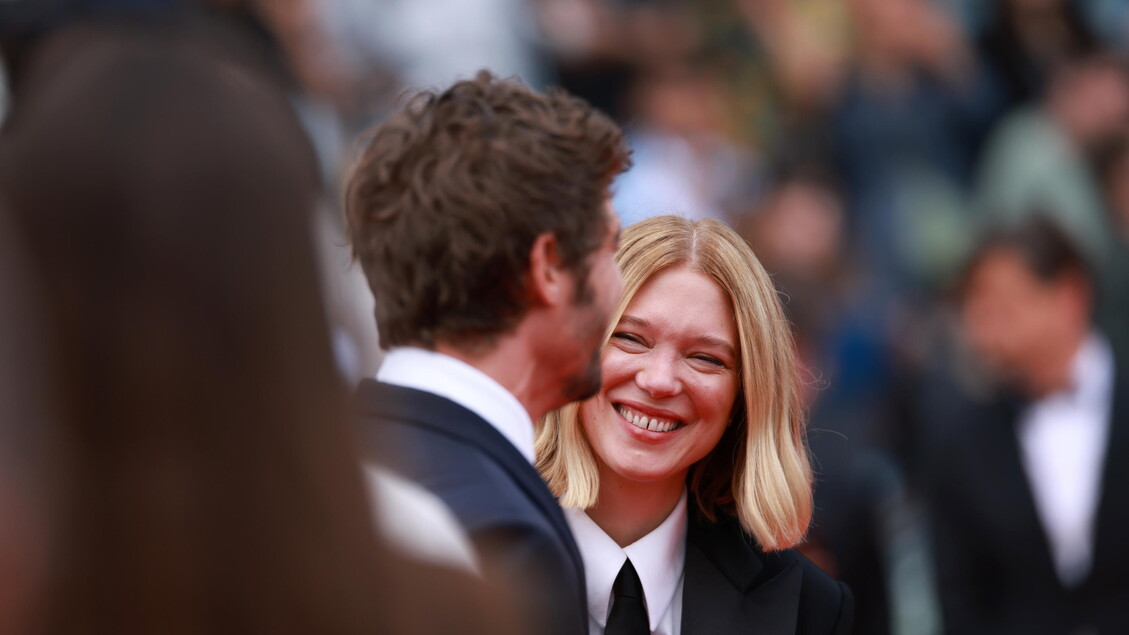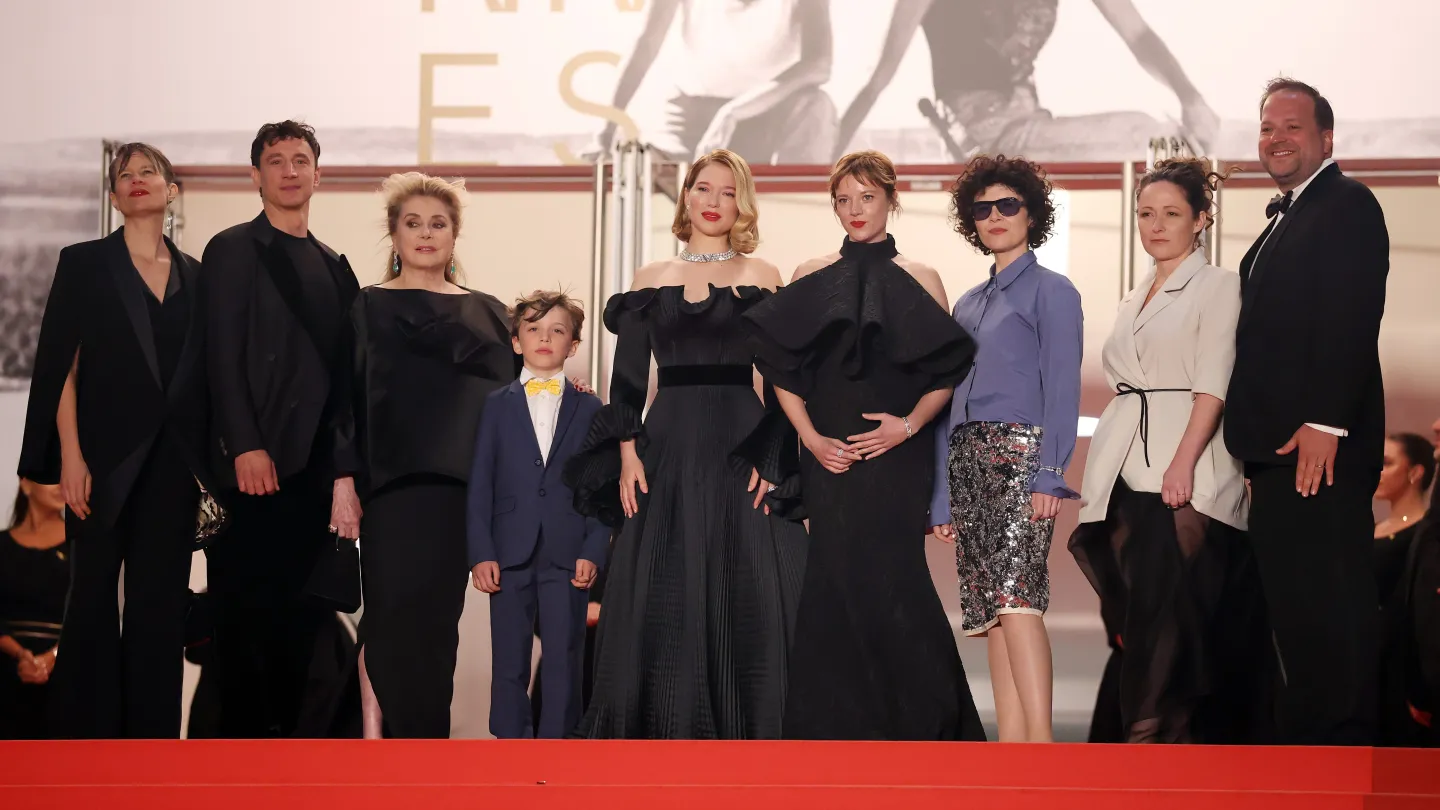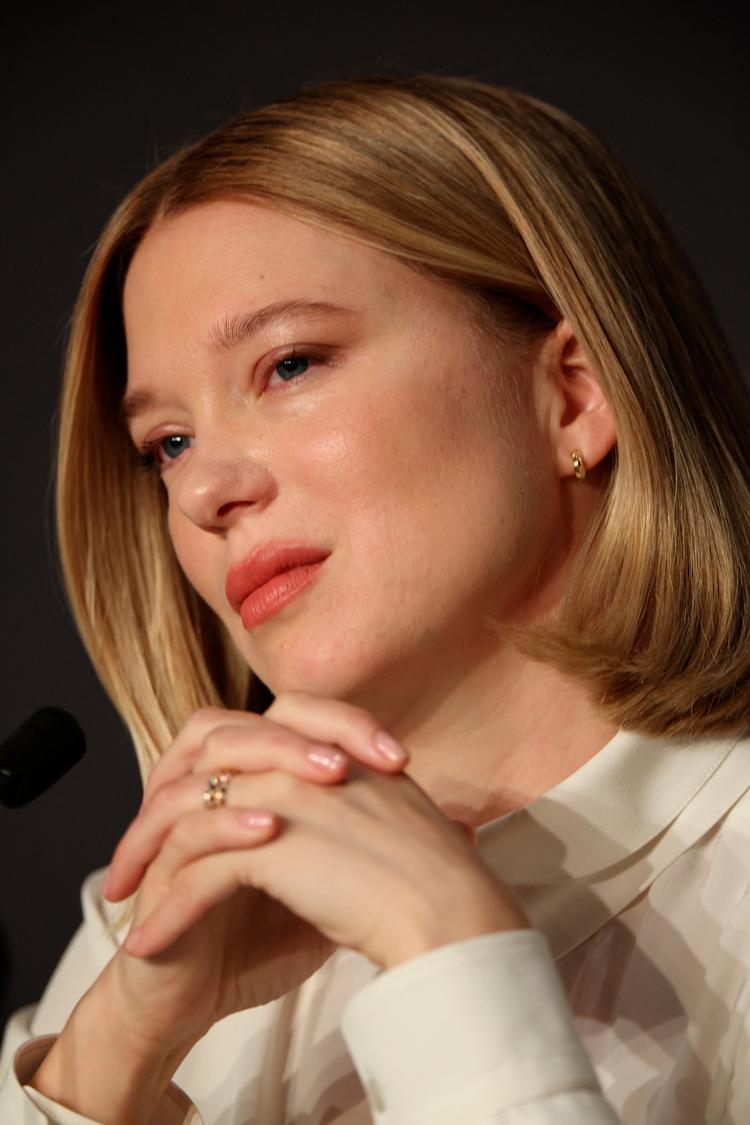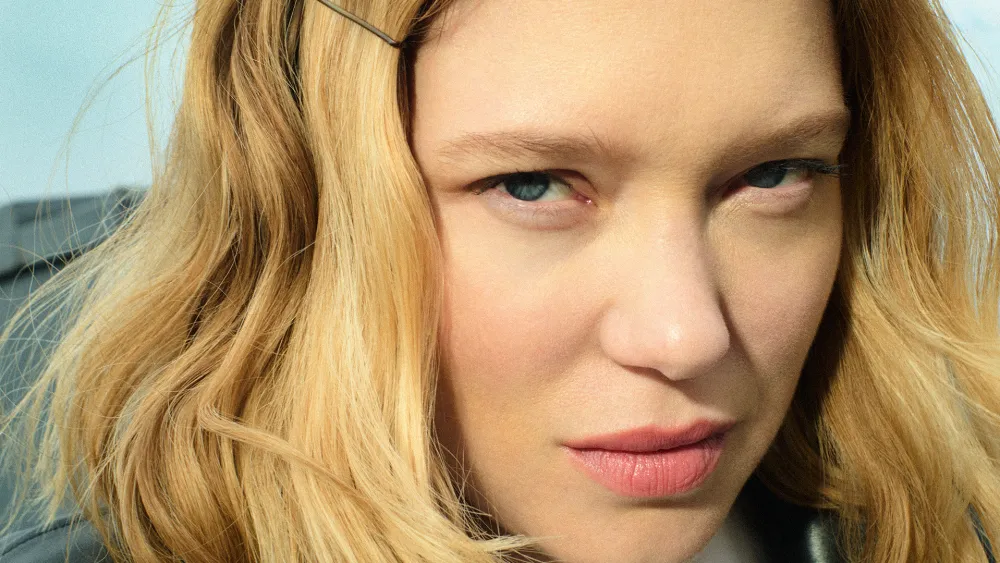
“I’m pregnant. Will that be OK?” Léa Seydoux wasn’t sure if the timing was right at all. She’d been approached years prior by writer-director Arthur Harari to star in “The Unknown,” a science fiction film he was working on; Seydoux had read an intriguing but confusing first draft, then “just forgot about it,” she recalls. Now, Harari was ready to shoot, but she’d be stepping in front of the camera just barely postpartum. “Yes,” Harari replied. “It’s even better.” While making “The Unknown,” which premieres in competition at Cannes on May 18, Seydoux hardly recognized herself. “We shot two and a half months after I had my baby,” she says. (The child, her second with partner André Meyer, was born in December 2024.) “I was still breastfeeding, and I put on a lot of weight. I was quite heavy. I used it — it was interesting, because I was not in my body. This is what David is experiencing.”
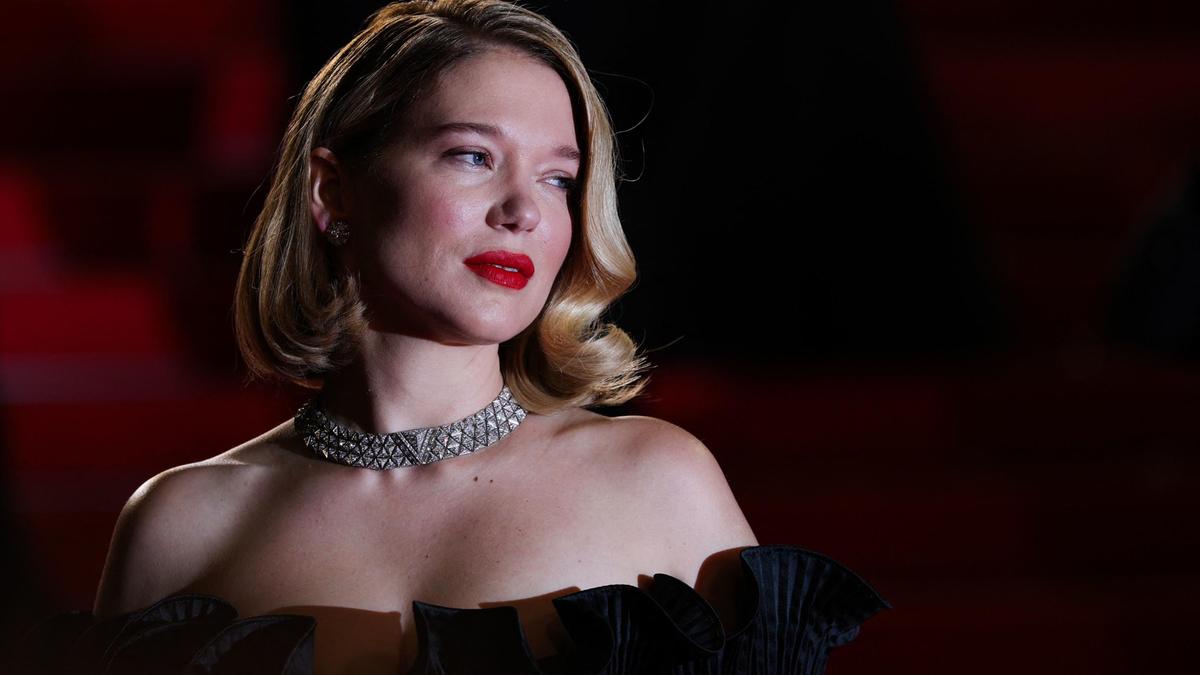
Jason Hetherington for Variety
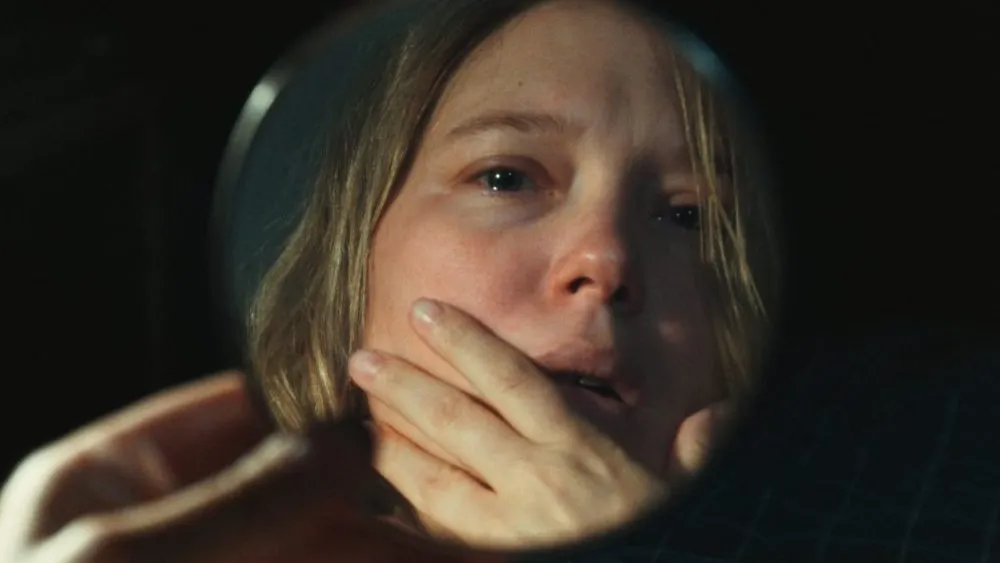
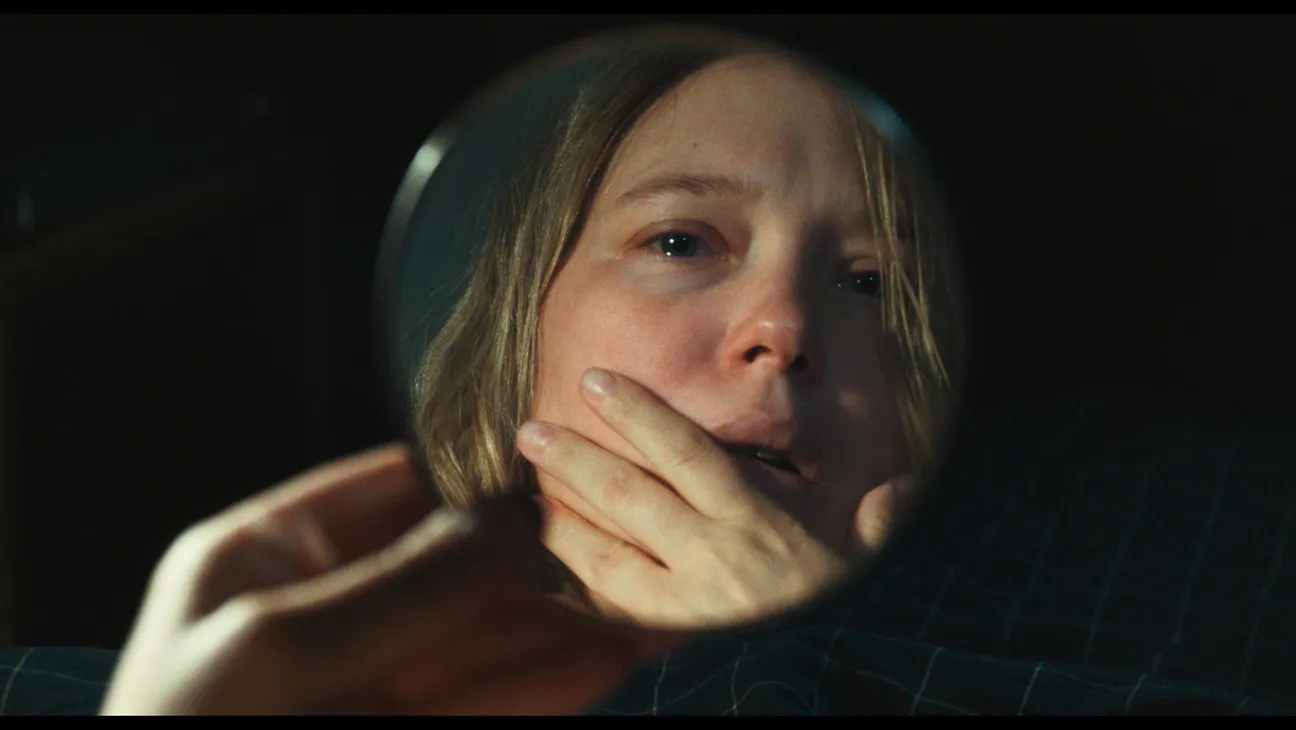
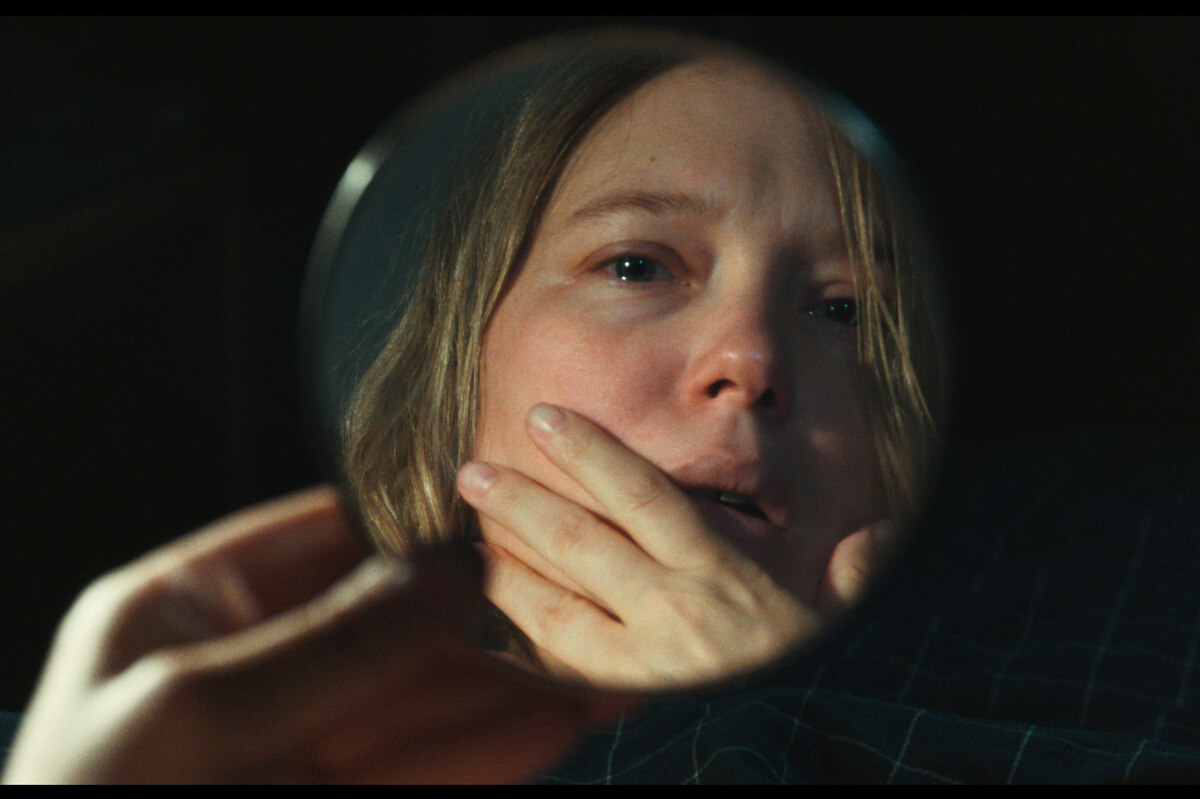
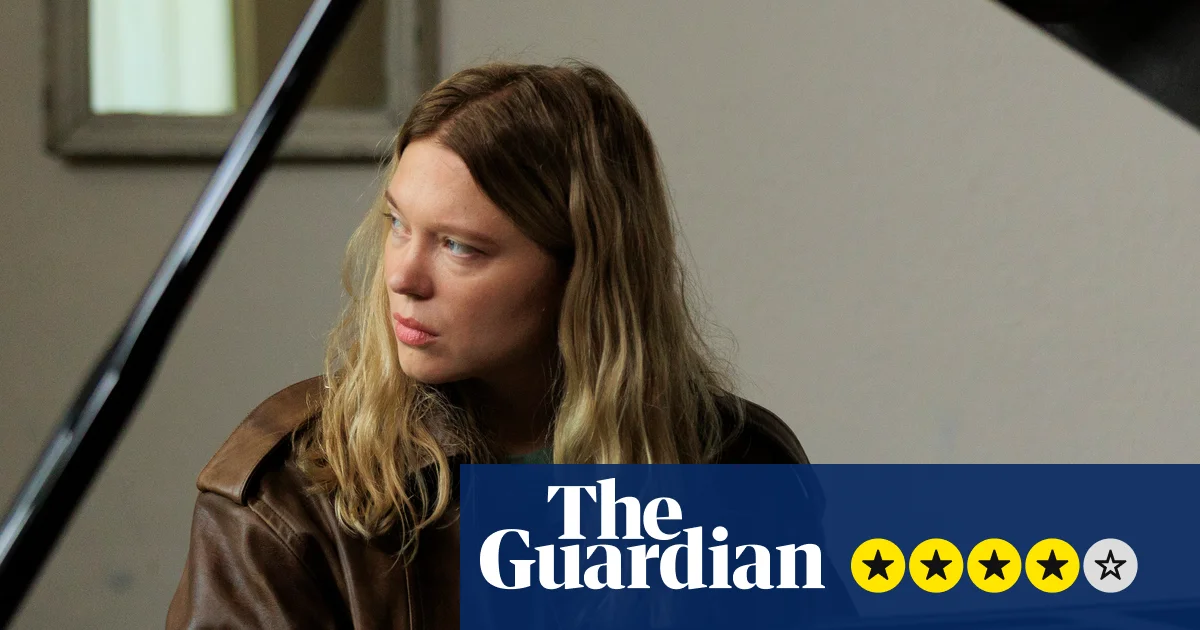
It served the story, because David — Seydoux’s character — doesn’t recognize himself either. Harari (an Oscar winner for co-writing “Anatomy of a Fall”) wrote Seydoux one wild part — she is, at first, an unknown woman who has a one-night stand with a photographer named David (Niels Schneider). When David wakes up, he’s still himself on the inside, but he’s trapped in his partner’s body. Seydoux tromps through the film with a masculine heaviness — a sense of dysphoria that translates to her character’s ungainly bearing. The story, based on a graphic novel co-written by Harari, might sound like an allegory of trans identity. “It made me think of that, of course,” Seydoux says, before she dug deeper. “But it’s more the question of — do I exist? It transcends the gender of a person.” David’s problem, in other words, isn’t that he is in a body of the wrong sex — it’s that he’s not sure he’s David at all. Which rang true for Seydoux, a performer whose best-known roles summon an indomitable fierceness but who is, in conversation, thoughtful and surprisingly vulnerable. “When I was 18, I had strong panic attacks,” she tells me. “Even now, I still have strong panic attacks — and when I have a panic attack, it’s the vertigo of being yourself. I remember having a panic attack: I watched myself in the mirror, and I was like, This is me. I am myself. What I see in the mirror is actually me.” Realizing one is locked into one’s own perspective is a terrifying experience — in part because one can never see oneself the way others do. Even as she’s been in dozens of films, from franchise fare to auteurist cinema, Seydoux still feels a sense of dissociation about her own image. “When I watch a movie with me, sometimes I’m like, Is it really me? Do I really look like this person?” To read through Seydoux’s list of credits is to grasp her talent for transformation — she’s an actress who pushes to the edge while becoming someone else. That’s a process she needs. A Cannes mainstay, Seydoux has become a staple of world cinema thanks in part to her refusal to be pinned down. Since her Palme d’Or-winning breakthrough in 2013 with the frankly sexual, emotionally walloping “Blue Is the Warmest Colour,” Seydoux has dabbled in the Hollywood studio system, lending style and edge to the James Bond franchise (where she played Daniel Craig’s one true pairing, the Proustianly named Madeleine Swann) and to “Dune: Part Two” (where her sly Bene Gesserit noblewoman has big plans for Austin Butler’s fearsome warrior). And directors from Yorgos Lanthimos to Wes Anderson to David Cronenberg have turned to Seydoux when they need a performer willing to try anything. (Harari cast Seydoux after seeing her playing an amoral, status-obsessed TV journalist in the loopy 2021 drama “France.”) Seydoux’s characters across her career have little in common, although fans might see certain hallmarks: There’s a soft-spokenness that makes the listener lean in, whether she’s conveying seduction or threat. Seydoux also approaches her beauty with a quintessentially French casualness. Often, she leverages her preternatural calm, and plays against her angelic looks, to assay authority figures with a certain menace, as in the “Dune” sequel or “The Lobster,” where her rigid rebel leader turns Colin Farrell’s search for romance into a living hell.