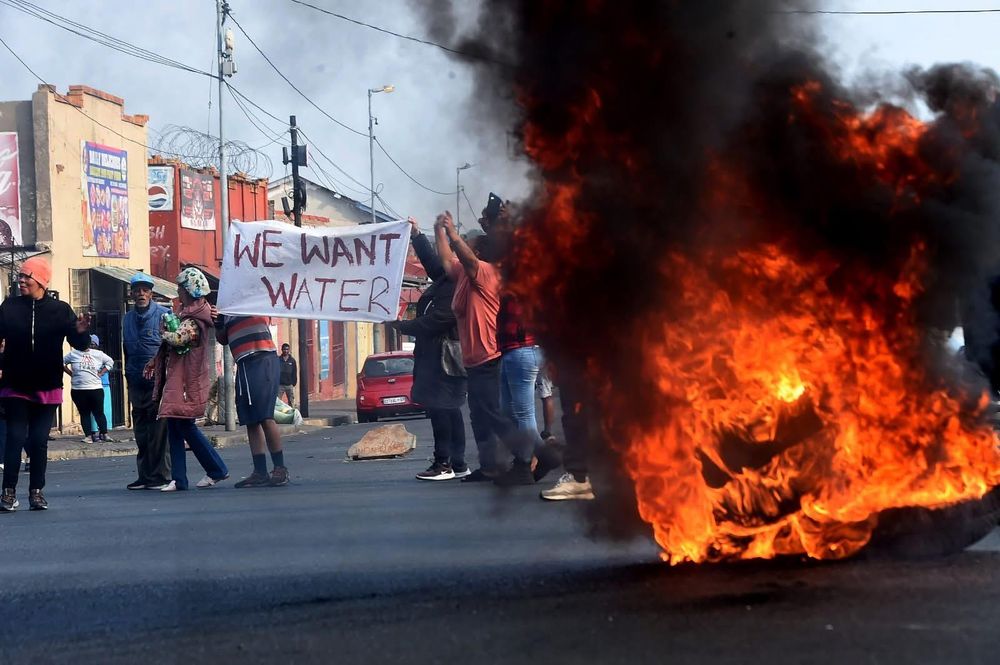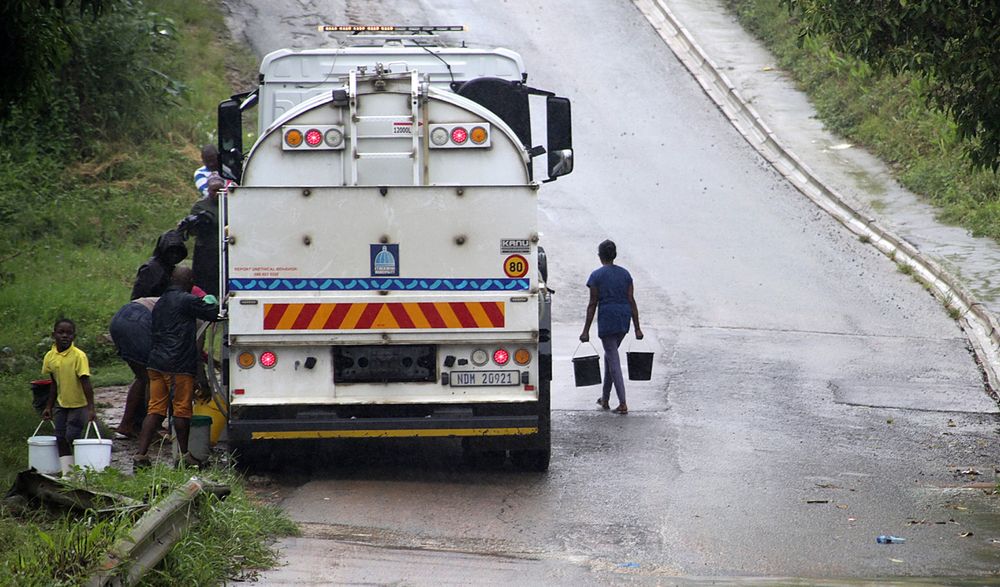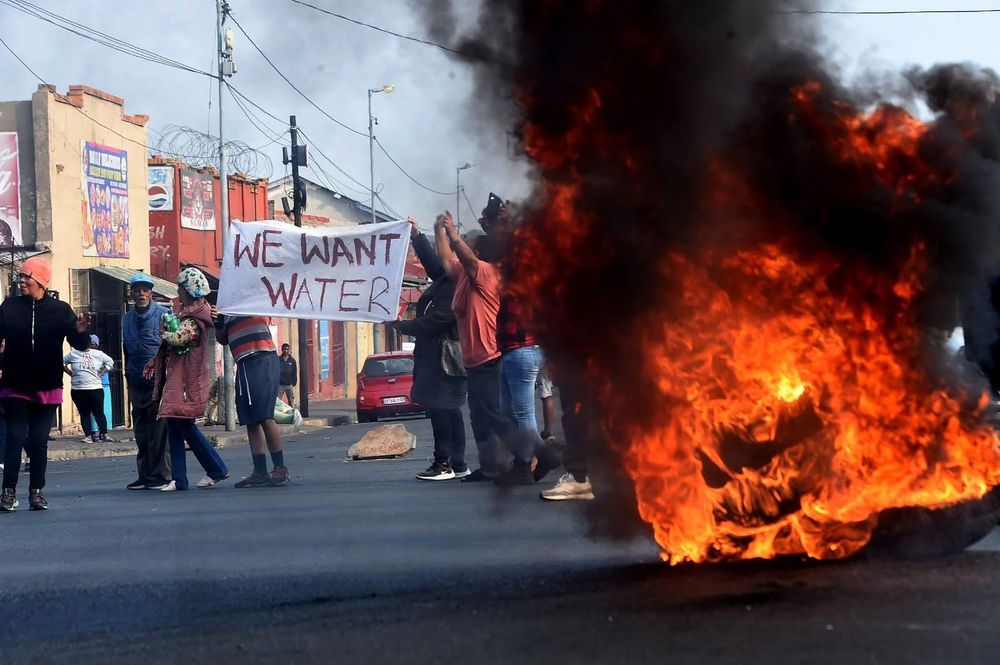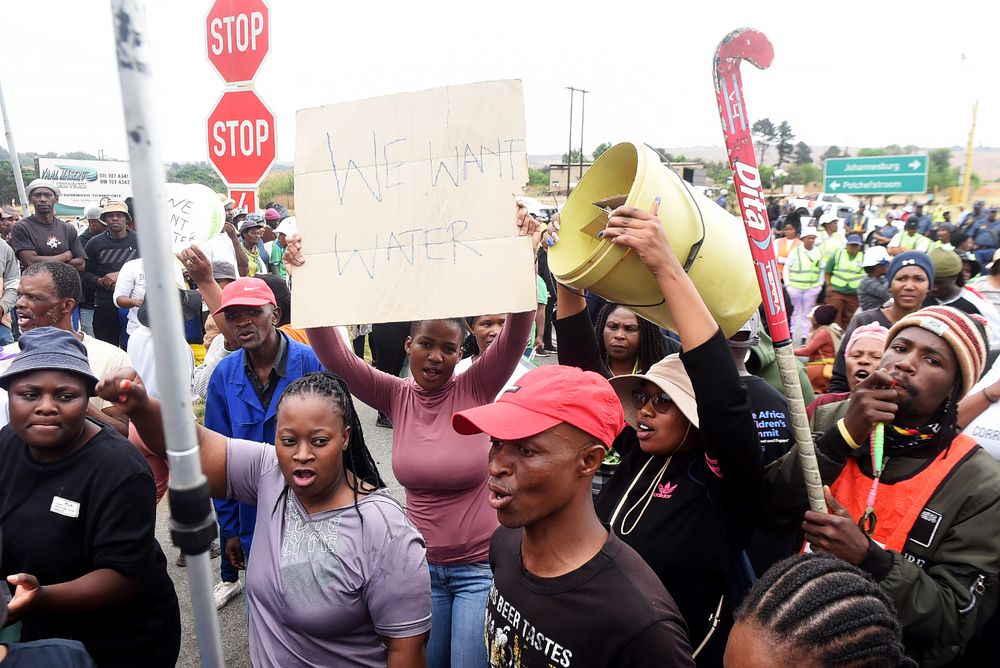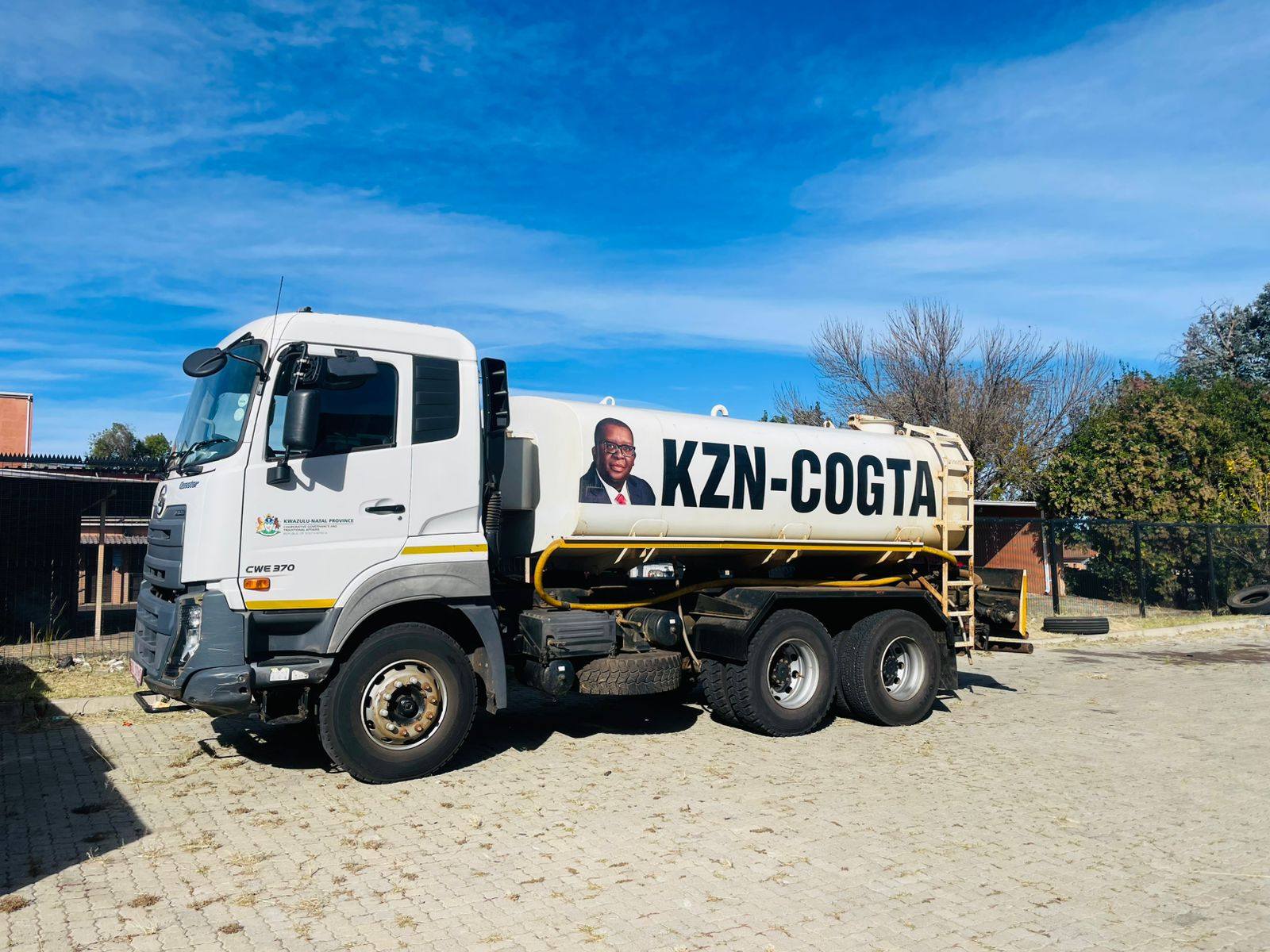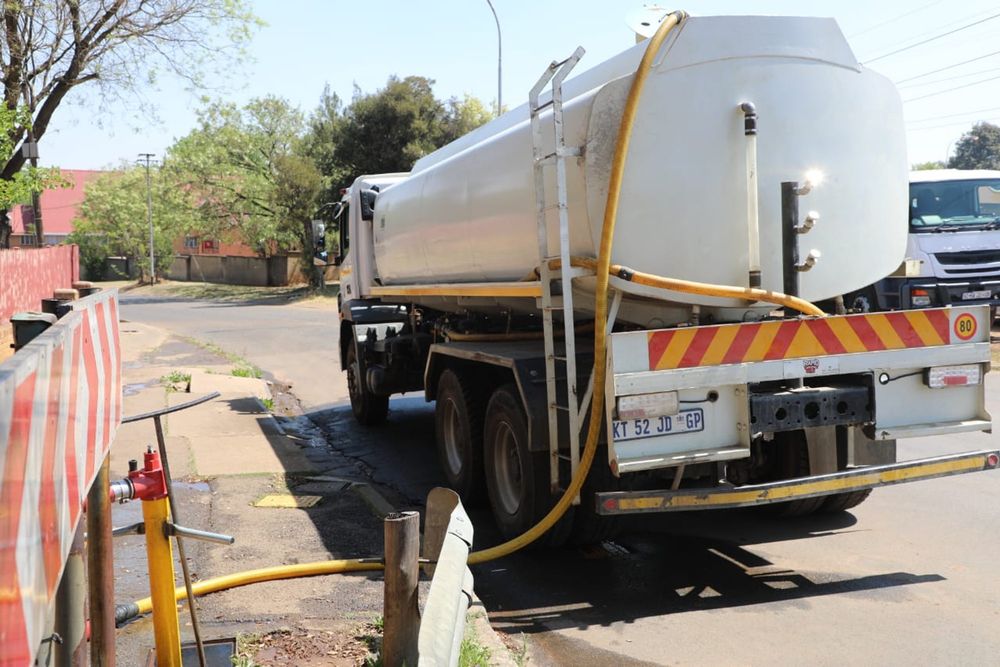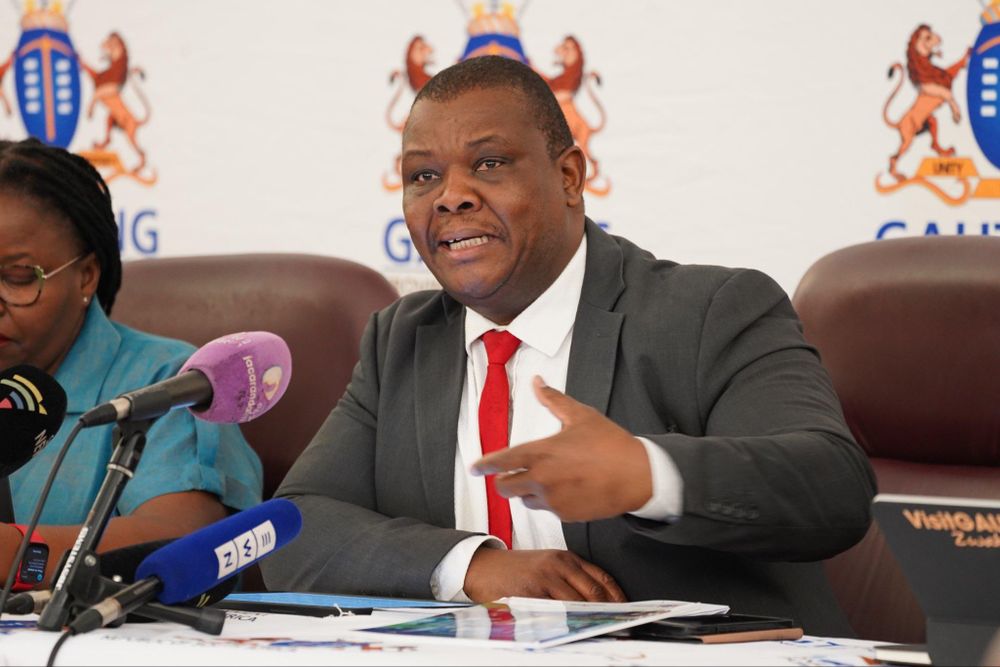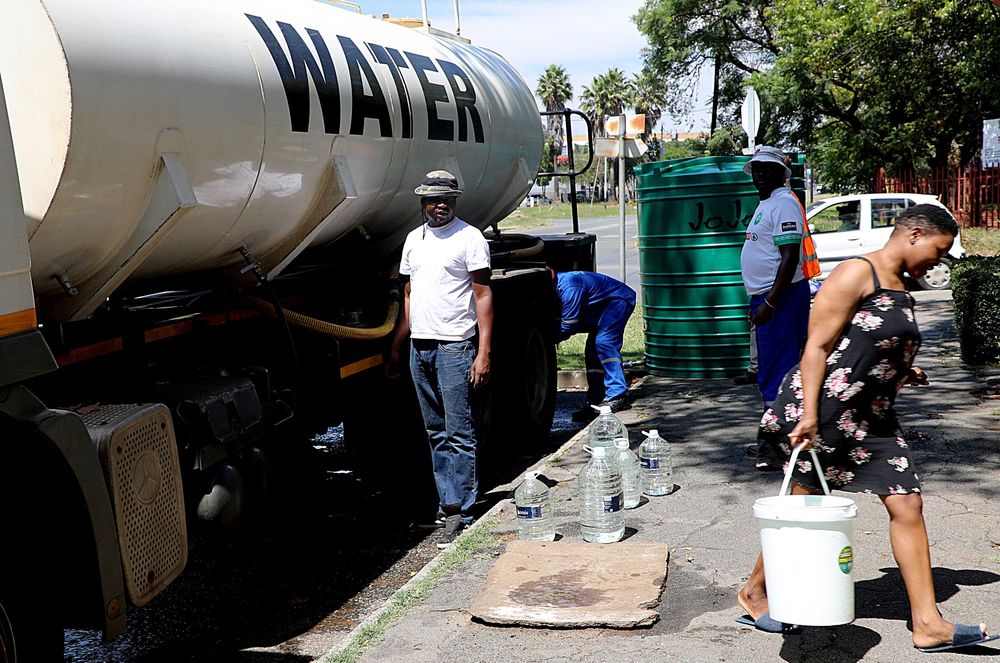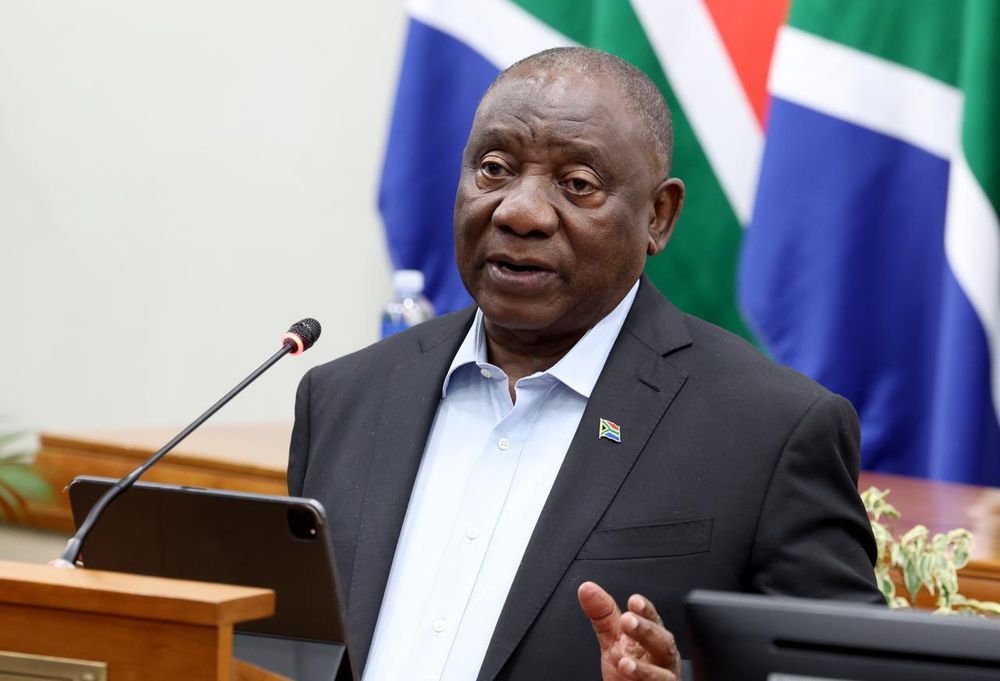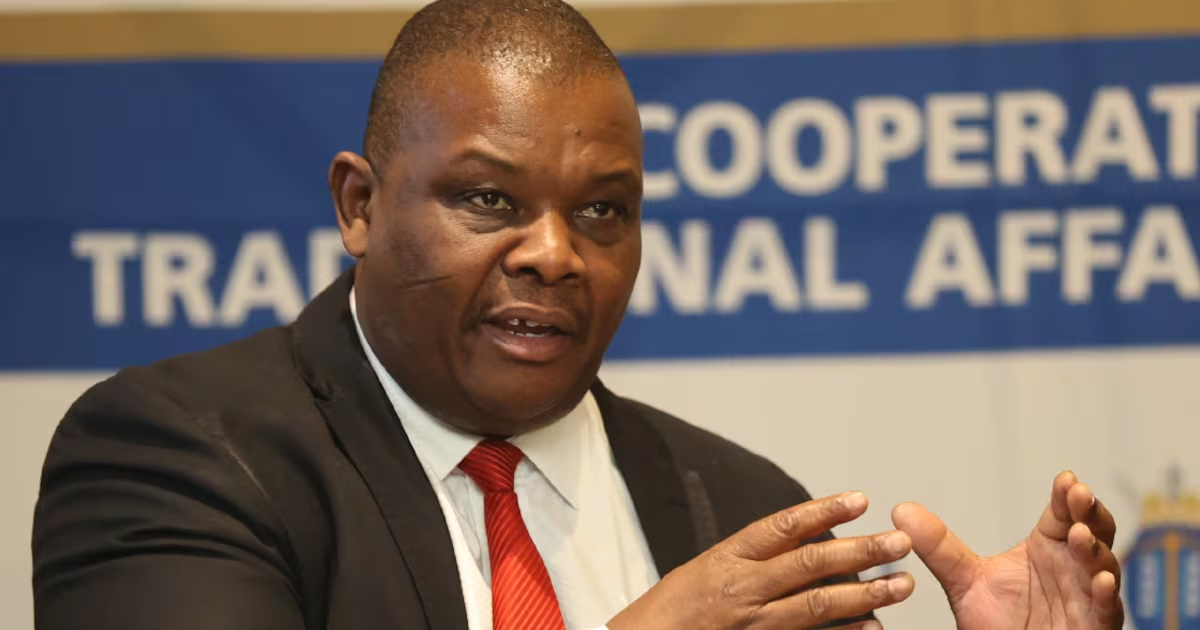
Gauteng infrastructure development and co-operative governance and traditional affairs MEC Jacob Mamabolo has called on the province’s 11 municipalities to invest in procuring and maintaining their own water tanker fleets, after R264m was spent on water tanker services over the past three years. Mamabolo referred to that figure as a “significant expenditure”.Business Day reported in August 2024 that Tshwane was grappling with a water tanker mafia operating in the city and had spent an estimated R98m on water tankers per year. The water supply crisis is challenging Gauteng’s three metros due to increased demand and crumbling infrastructure and has seen a surge in the use of water tankers to supply residents. Tshwane executive mayor Nasiphi Moya announced in April the capital city had purchased 41 water tankers as part of its long-term plan to address water shortages in Hammanskraal, among other areas, and that R2bn had been set aside to capacitate water and power supply infrastructure in the metro. The DA recently criticised the capital city for spending more than R600m on water tankers in the past financial year. “We are encouraged by the investments some municipalities are already making towards procuring their own portable water tankers. While this is a welcome development, we believe more resources must be directed towards expanding these capacities, as outsourced tanker services continue to drive significant expenditure,” Mamabolo said. Business Leadership South Africa (BLSA) CEO Busi Mavuso warned in March that the water challenges blighting South Africa’s economic engines of Johannesburg and Durban were due to sheer mismanagement, and threatened business continuity across sectors. That was after Business Day reported the Treasury was cracking down on municipalities that were underperforming on their budgets, after figures from the second quarter of the 2025/26 financial year pointed to underspending by many, including in the critical water management sector. Data showed that the country’s eight metros — Johannesburg, Tshwane, Ekurhuleni, Cape Town, eThekwini, Nelson Mandela Bay, Buffalo City and Mangaung — collectively spent only 31.5% of their R5.8bn budget on treatment works, pipelines and reservoirs, bulk water supply infrastructure and network upgrades by the end of the three months to December 31 2025. The power and water outages in Gauteng, the country’s economic and financial hub, prompted President Cyril Ramaphosa to establish a national water crisis committee earlier this year, which he chairs, to address the severe water supply issues in Johannesburg and other parts of the country. Last week, Ramaphosa said the national water crisis committee was dealing with immediate challenges in the most affected municipalities while changing the way that water infrastructure was funded and managed. In his keynote address to the National Council of Provinces (NCOP) at Stilfontein in the North West on Friday as part of its “taking parliament to the people” programme, Ramaphosa said the government had prioritised measures to address the water crisis affecting many municipalities across the country. “Two weeks ago, we held a historic meeting of all the mayors in South Africa to discuss the challenges facing municipalities. At that meeting, we outlined the National Water Action Plan, which outlines the focused actions we will take to address the crisis. We were encouraged by the enthusiastic and committed support of all mayors and all provinces to this critical work,” he said. “Over the next three years we will be investing R1-trillion to build energy, water, transportation, logistics, IT and essential other infrastructure. This massive programme will create jobs, support local businesses and supplier development, and develop new value chains,” said Ramaphosa. Mamabolo said his department continued to engage with municipalities to monitor service delivery challenges and ensure appropriate corrective measures were implemented to stabilise water supply across the province. “Through the local government turnaround strategy, the provincial government is working closely with local and national spheres of government to advance co-ordinated, province-wide interventions aimed at strengthening municipalities, improving governance and enhancing service delivery outcomes,” Mamabolo said. “On May 24, the province, together with all 11 municipalities, will provide the public with updates on progress made across various areas, including governance, financial management, infrastructure development, and ongoing efforts to improve service delivery across the province.” This is as the country is set to hold much-anticipated municipal elections later this year, in which opposition parties expect the ANC to perform poorly, as the electorate has grown disillusioned with poor service delivery. The beleaguered local government sector is dogged by malfeasance and fiscal challenges in which billions of rand have been wasted on fruitless, wasteful and unauthorised expenditure annually, affecting the delivery of basic services such as potable water, electricity, clinics and refuse collection. Local government’s worsening state has spurred on the government to focus the second phase of Operation Vulindlela on fixing councils. Vulindlela is a joint initiative of the Treasury and the Presidency created in 2020 to accelerate the implementation of structural reforms and support economic recovery.
Cogta MEC orders own tankers after R264m Gauteng ‘water mafia’ scam
Treasury cracks down as metros underspend on water infrastructure budgets
807 words~4 min read