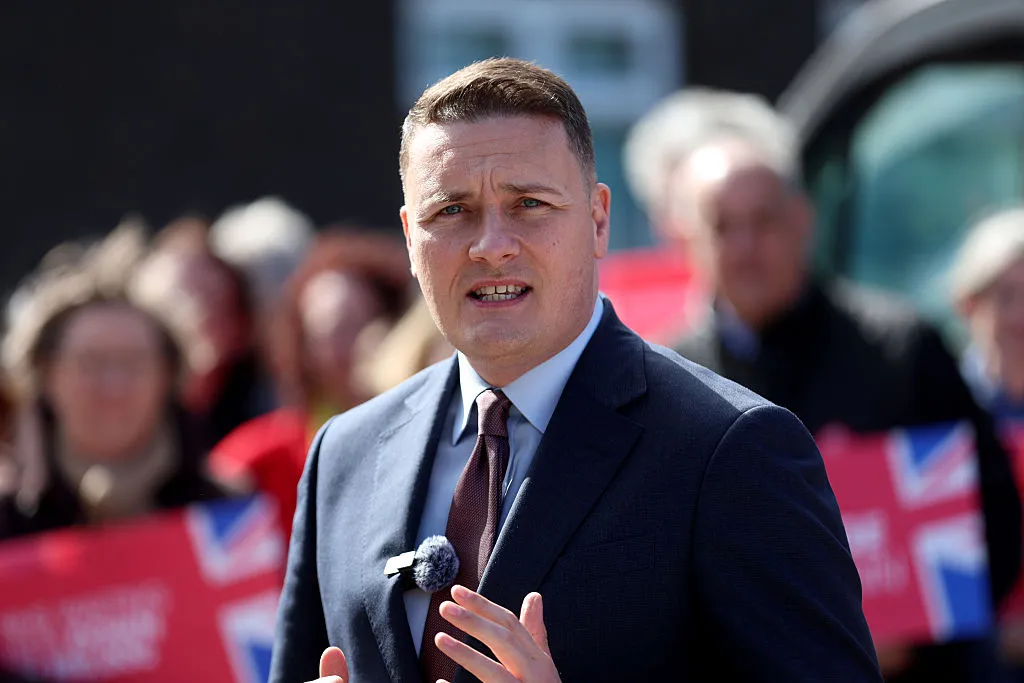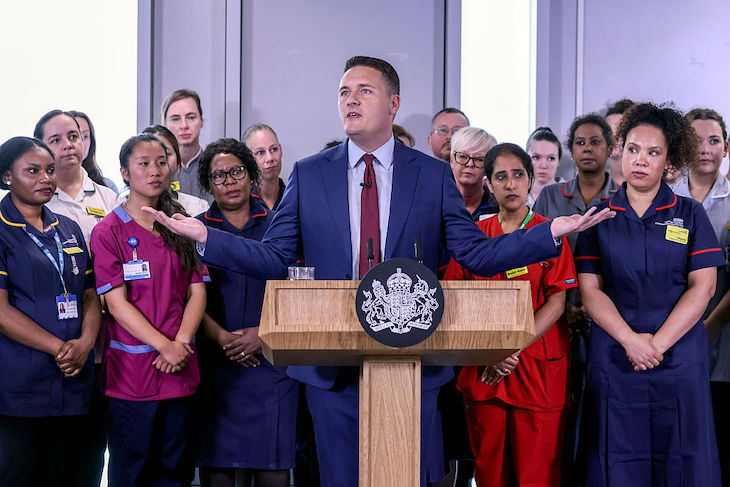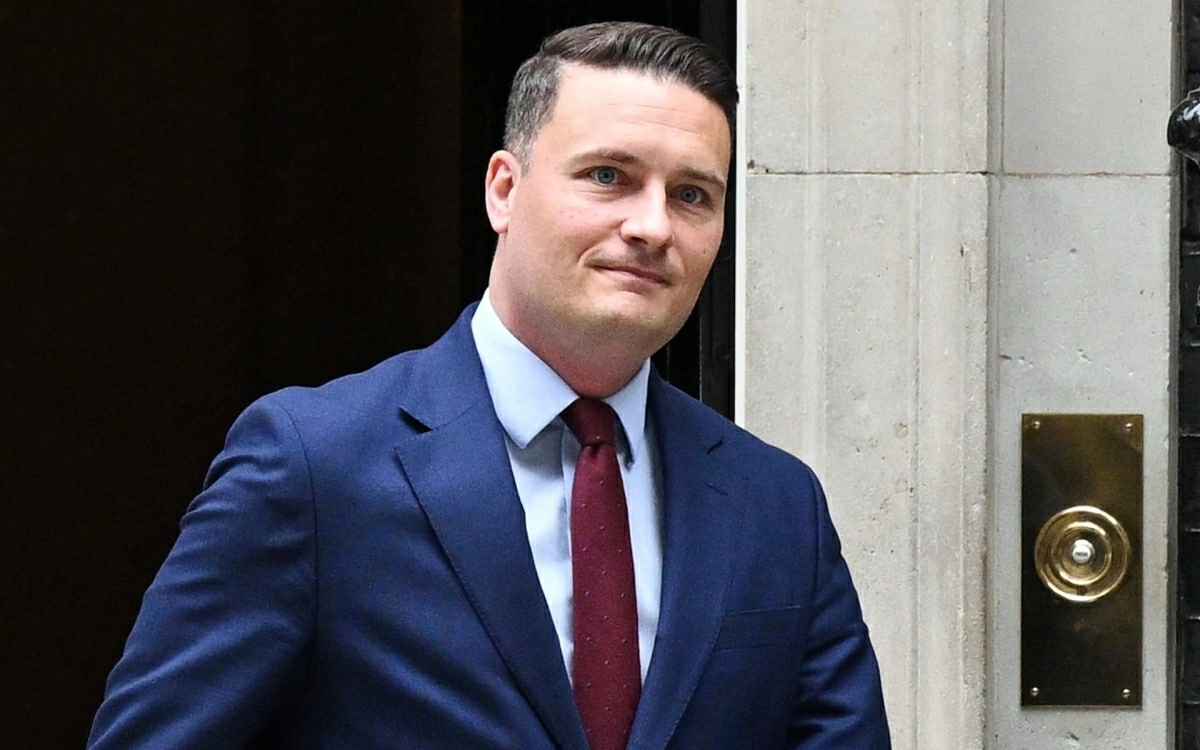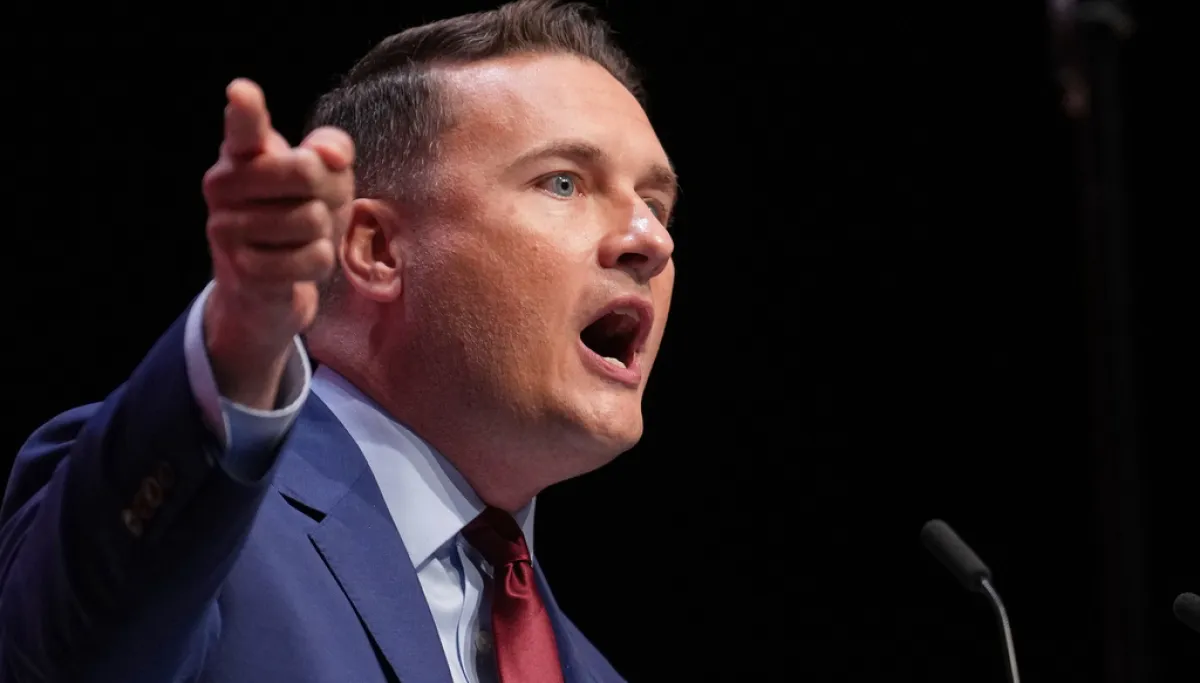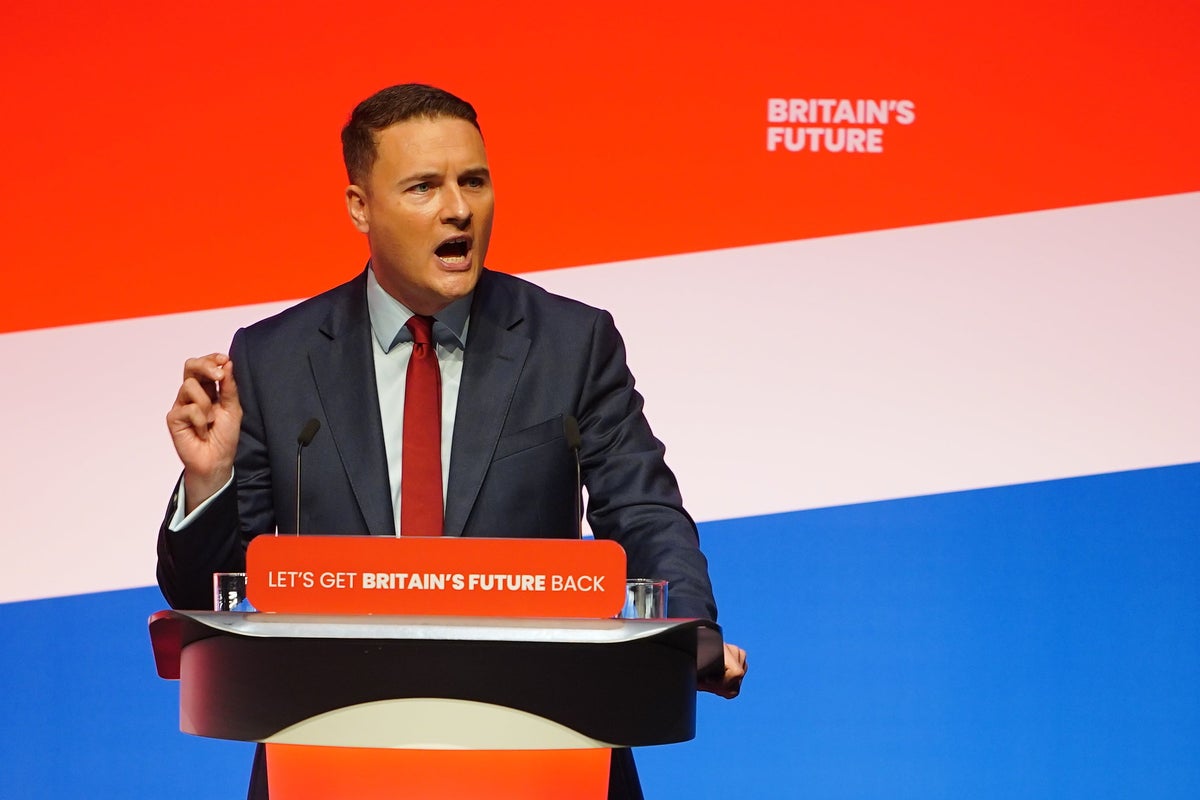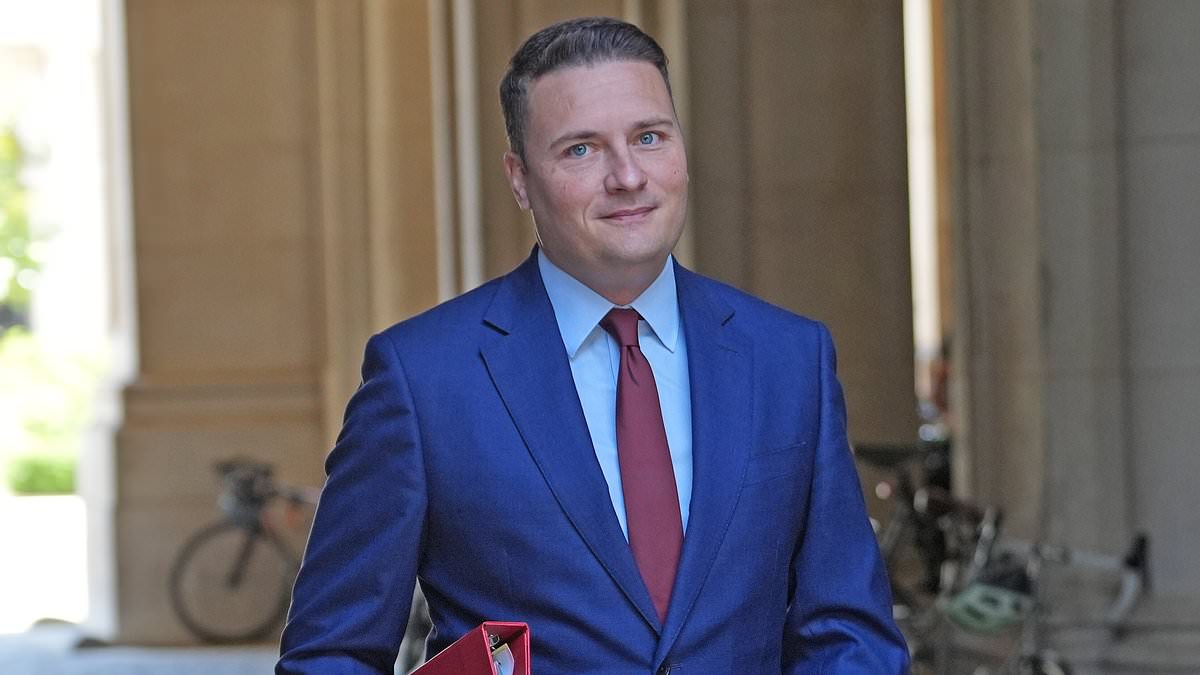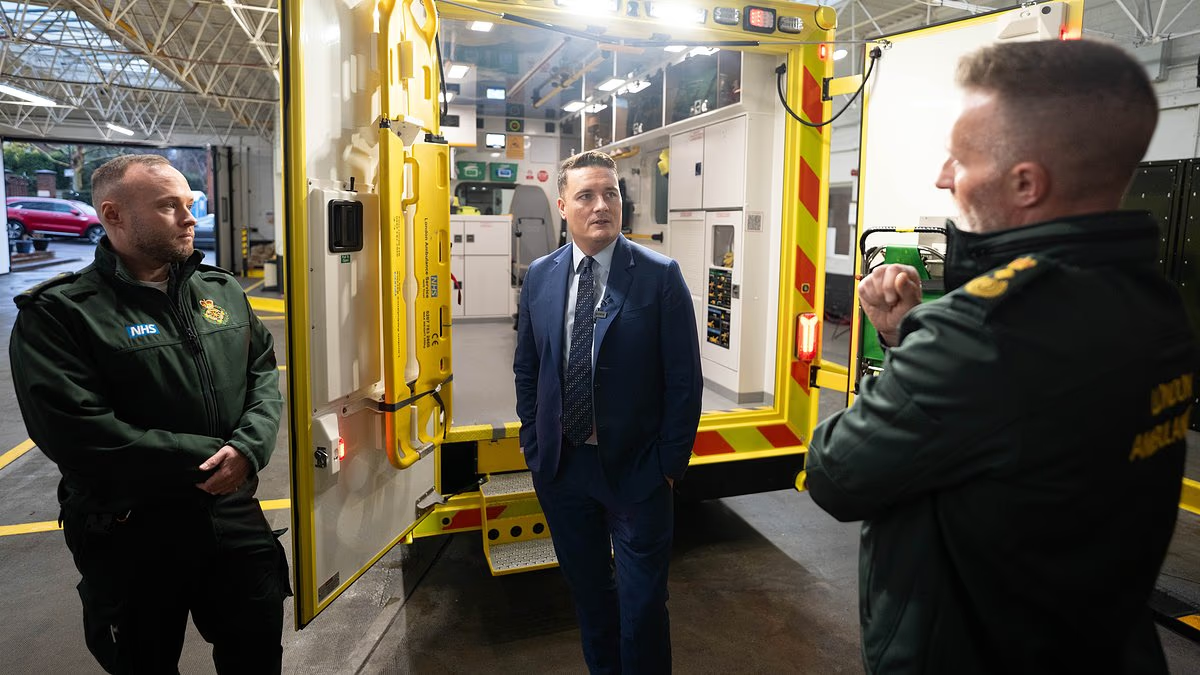
Almost two-thirds of NHS organisations expect to cut or reduce services this year – while more than a half are set to slash jobs.It comes despite Wes Streeting's parting claim that Labour was on track to achieve 'the fastest improvement in NHS waiting times in history'.In his resignation letter on Thursday, the former Health Secretary painted a picture of a service left in ruddy condition.'Today's figures confirm that we surpassed our waiting times target despite strikes, and that waiting lists fell by 110,000 in March - the biggest monthly drop outside of Covid since 2008 - meaning that we are on track to achieve the fastest improvement in NHS waiting times in history,' Streeting wrote.But NHS bodies have told a survey that in fact they are anticipating hacking back services and jobs across their departments.One trust chief executive warned that an 'overriding focus' on finances will have repercussions on patients and staff.The health service's 'hard-won gains' in recent years are 'now at risk', according to NHS Alliance.The poll carried out by the membership body – which formed from the merger of NHS Providers and the NHS Confederation – included 187 responses from the leaders of NHS trusts and integrated care boards (ICBs). Almost two-thirds of NHS organisations expect to cut or reduce services this year – while more than a half are set to slash jobsMore than three quarters (75 per cent) said finances would be even tougher in 2026/27 compared to the previous 12 months.Some 64 per cent said they expected to cut services while more than half (57 per cent) said they expected to reduce clinical staff this year.Meanwhile, 64 per cent expressed concerns about patient experience and more than eight in 10 (83 per cent) said they worried about the impact of financial measures on planned care.More than nine in 10 (93 per cent) said they worried about staff morale.Another poll of GP leaders, which included 48 responses, found almost all (96 per cent) were concerned about the impact of financial measures on day-to-day access.For the new report, NHS Alliance also carried out 65 interviews with trust finance directors in the last year.One trust chief executive said: 'The overriding focus on finance at the expense of patients and particularly staff will have repercussions.'Another said that NHS services 'are being asked to make deep cuts across the board' and warned that 'at some point there will be consequences that will be felt by patients and their families'.The report comes after it emerged that the Government and NHS England had met a key target on waiting times for treatment.Hours later, Wes Streeting resigned as Health Secretary and was replaced by James Murray.NHS Alliance chief executive Sir Ciaran Devane said: 'In the last year the NHS has pulled off a remarkable double – improving performance at a time of growing demand, and balancing budgets in the face of relentless and often unpredictable pressures such as strike action.'In many ways, the NHS is starting to turn a corner. Not only are key waiting time targets starting to be met but public satisfaction is climbing after a long period of decline. 'We know we have a long way to go but these are significant achievements given all the challenges NHS staff have faced. Chancellor of the Exchequer Rachel Reeves (centre), Prime Minister Sir Keir (right) and former Health Secretary Wes Streeting (left) at the launch of the Government's 10-year health plan in 2025'But our survey and interviews also show that the focus on targets and delivering record efficiency savings have come at a cost, with many hard-won gains now at risk.'Local NHS leaders point to likely service closures and job cuts this year, as well as deteriorating staff morale.'They are also concerned that the Government's well-supported ambitions to move more care into the community will be derailed if short-term measures are prioritised and cash savings are not recycled into funding reform.'Sir Ciaran said the prospect of inflationary pressures caused by conflict in the Middle East, as well as the threat of strikes, 'will only make matters worse'.Earlier this month, the British Medical Association started balloting senior doctors on industrial action.Resident doctors also have a mandate to strike until August.Sir Ciaran called for more support for local NHS leaders, adding: 'They want political backing to make difficult decisions, particularly when it comes to reconfiguring local services where there may be opposition from the public to some much-needed changes.'NHS leaders across the system need financial support to mitigate the impact of additional pressures such as rising inflation and industrial action – costs that are not factored into the 2026/27 budget.'And, finally, they believe political and national leaders can help by being clear and consistent about what the NHS needs to achieve this year – balancing financial imperatives, improving performance and transforming the way care is delivered.'A Department of Health and Social Care spokesperson said: 'We recognise the challenges NHS leaders face, but this government has supported the health service with record investment, boosted productivity, and driven improvements in tech.'Waiting lists are at their lowest level in more than three years, and over half a million fewer people are waiting for treatment since July 2024. 'We've also expanded community diagnostics, surgical hubs and GP appointments to get patients seen faster.'We will continue working closely with system leaders to improve productivity, cut waste and reinvest in frontline care so patients benefit from faster, higher-quality services.'
NHS staff cuts and cash crisis tear apart Wes's parting boast
Almost two-thirds of NHS organisations expect to cut or reduce services this year - while more than a half are set to slash jobs.
899 words~4 min read