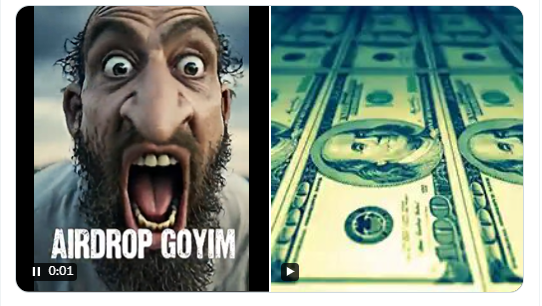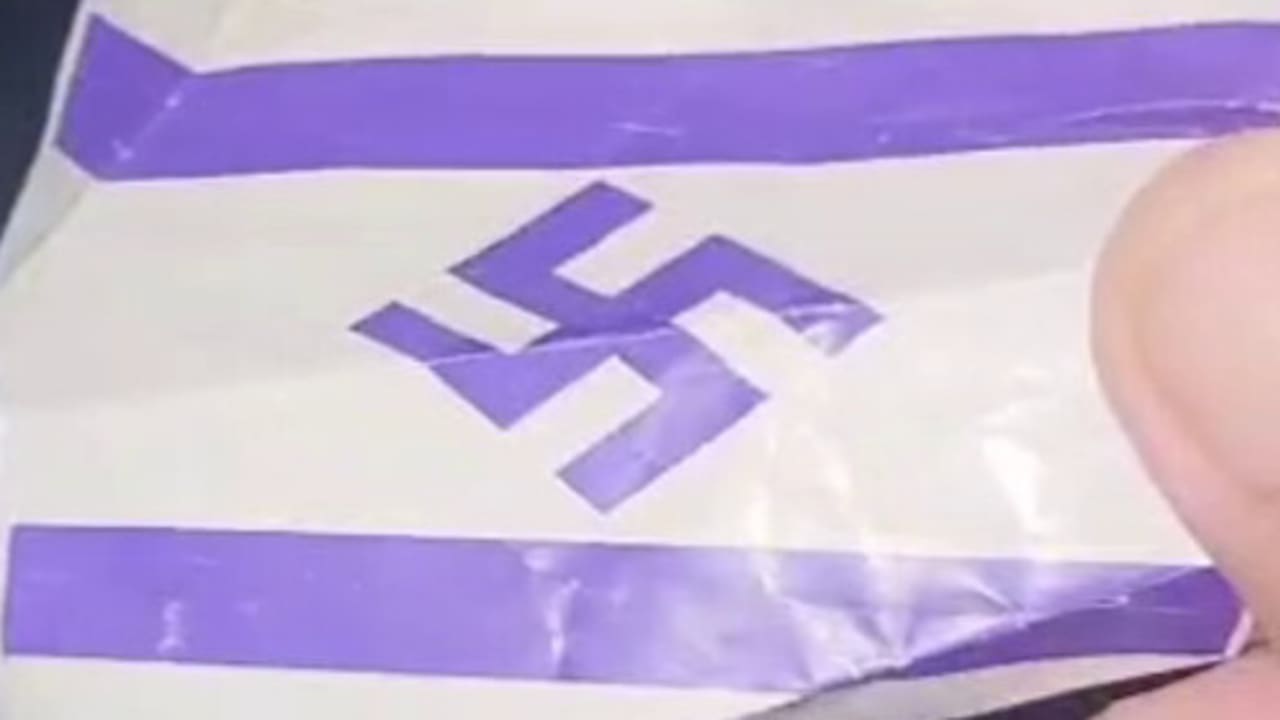
This article includes examples of antisemitic hate speech.
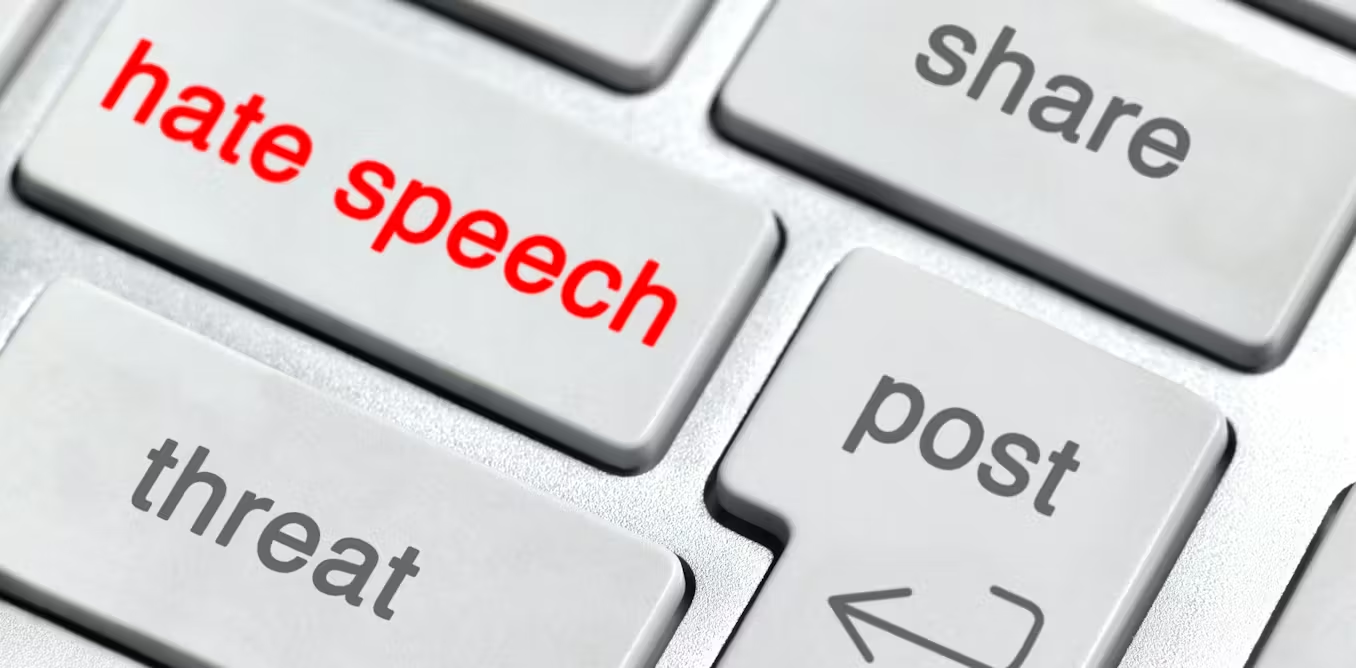
The men accused of carrying out high-profile antisemitic attacks in the United States in recent years shared an important characteristic: They posted hate speech on their social media accounts beforehand.
The FBI said the man who drove his truck into a synagogue outside Detroit in March 2026 posted on Facebook that “Israel is a cancerous/malignant growth” and “Israel is pure evil.” The online footprint of the gunman charged with shooting and killing two Israeli Embassy staffers at the Capital Jewish Museum in May 2025 contained anti-Israel comments. The shooter sentenced to death for killing 11 worshippers at the Tree of Life synagogue in Pittsburgh in October 2018 frequently used antisemitic hate speech in his social media.
Hate speech uses feelings, emotions and attitudes that seek to dehumanize individuals or groups. At times, animosity is clear. But it can also take a more hidden form, using code words or terms understood only by like-minded people. Coded hate speech can evade online content censors and recruit people who might balk at more clearly discriminatory speech.
There are an estimated 5.7 billion social media accounts worldwide. Even when hate speech is explicit, content moderators struggle with the volume and deciding how much to monitor users’ speech. There are also alternative – some argue extremist – sites that limit content moderation, including 4chan, BitChute, Gab, GETTR, Parler, Rumble and Truth Social.