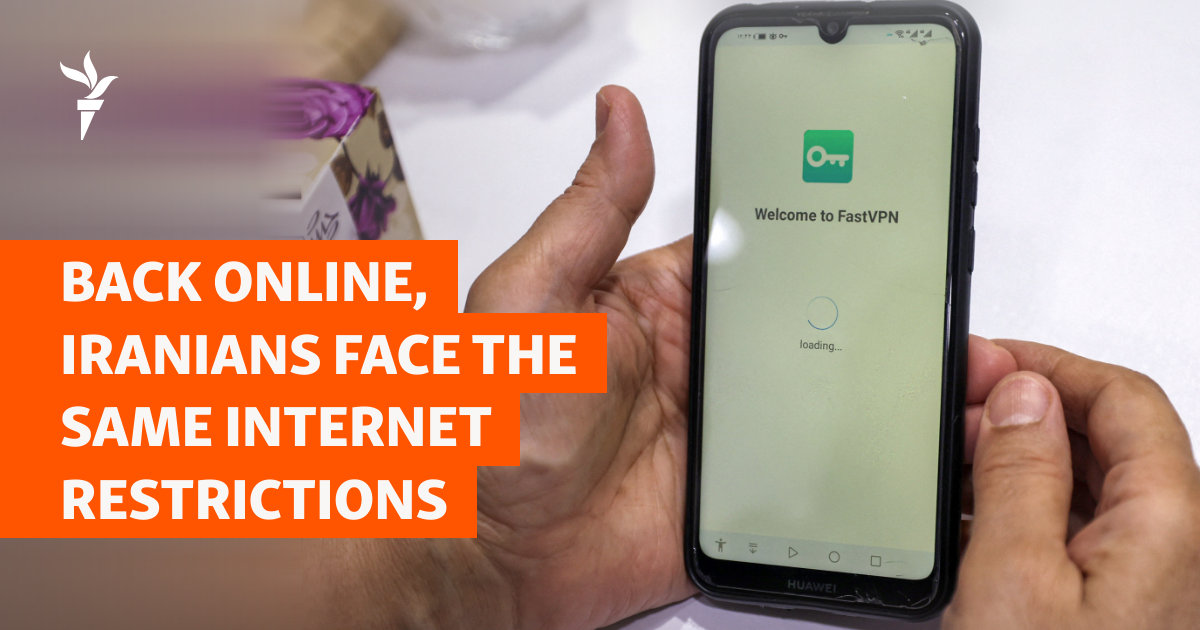
Nearly eighty days have passed since the nationwide internet blackout began in Iran. The government of Masoud Pezeshkian is acting as though it plays no role in the shutdown. However, internet freedom activists state that over the past five months, since the outbreak of the January protests and the first wave of blackouts in 2026, Iran’s internet has undergone fundamental structural changes. They warn it is highly unlikely to ever return to its previous state, often dubbed the “Filternet.”
What exactly has the Islamic Republic done to Iran’s internet under the pretexts of war and national security, and what methods were used to enforce this digital darkness?
Since November 2019, when nationwide protests over an overnight fuel price hike led to a total countrywide internet blackout for roughly 12 days, Iran’s internet has been cut off or severely restricted multiple times, depending on the security crises facing the regime. Every wave of protests, along with military strikes against Islamic Republic positions and its proxies inside Iran, has more or less severed the Iranian people from the rest of the world. This time, however, is fundamentally different.
The Shift from Blacklist to Whitelist