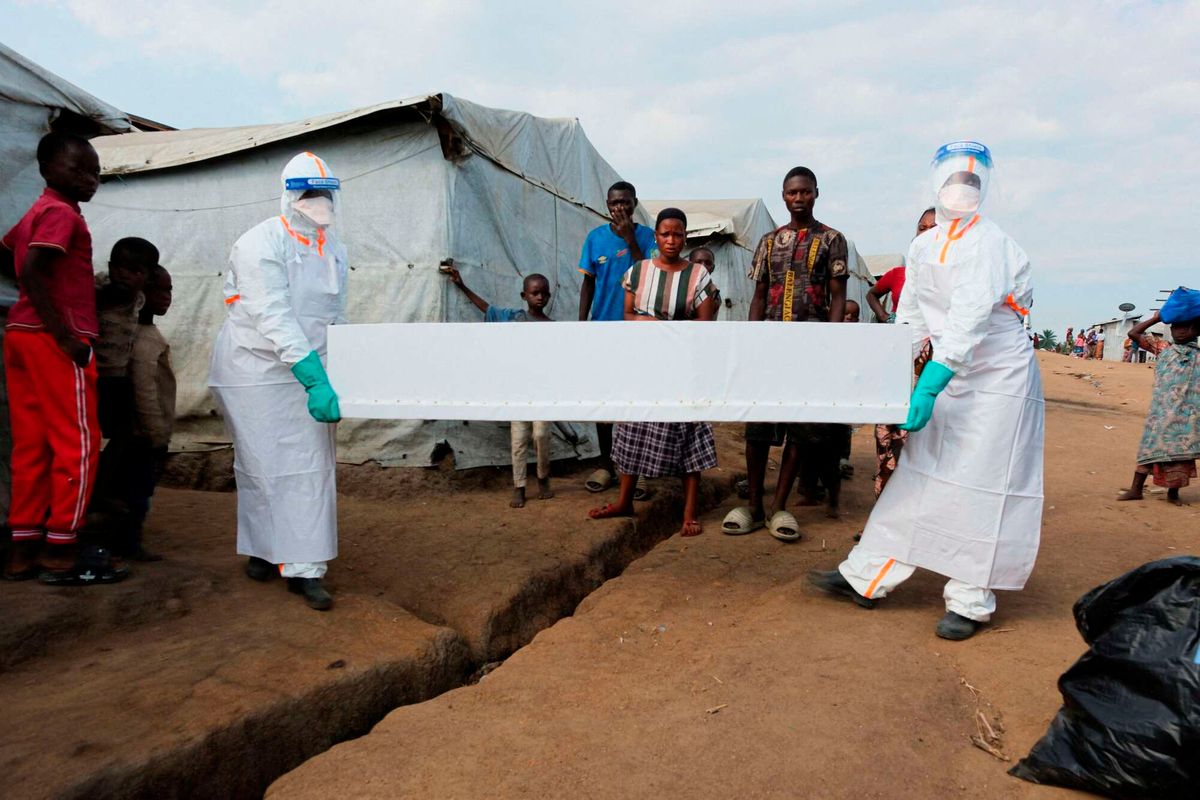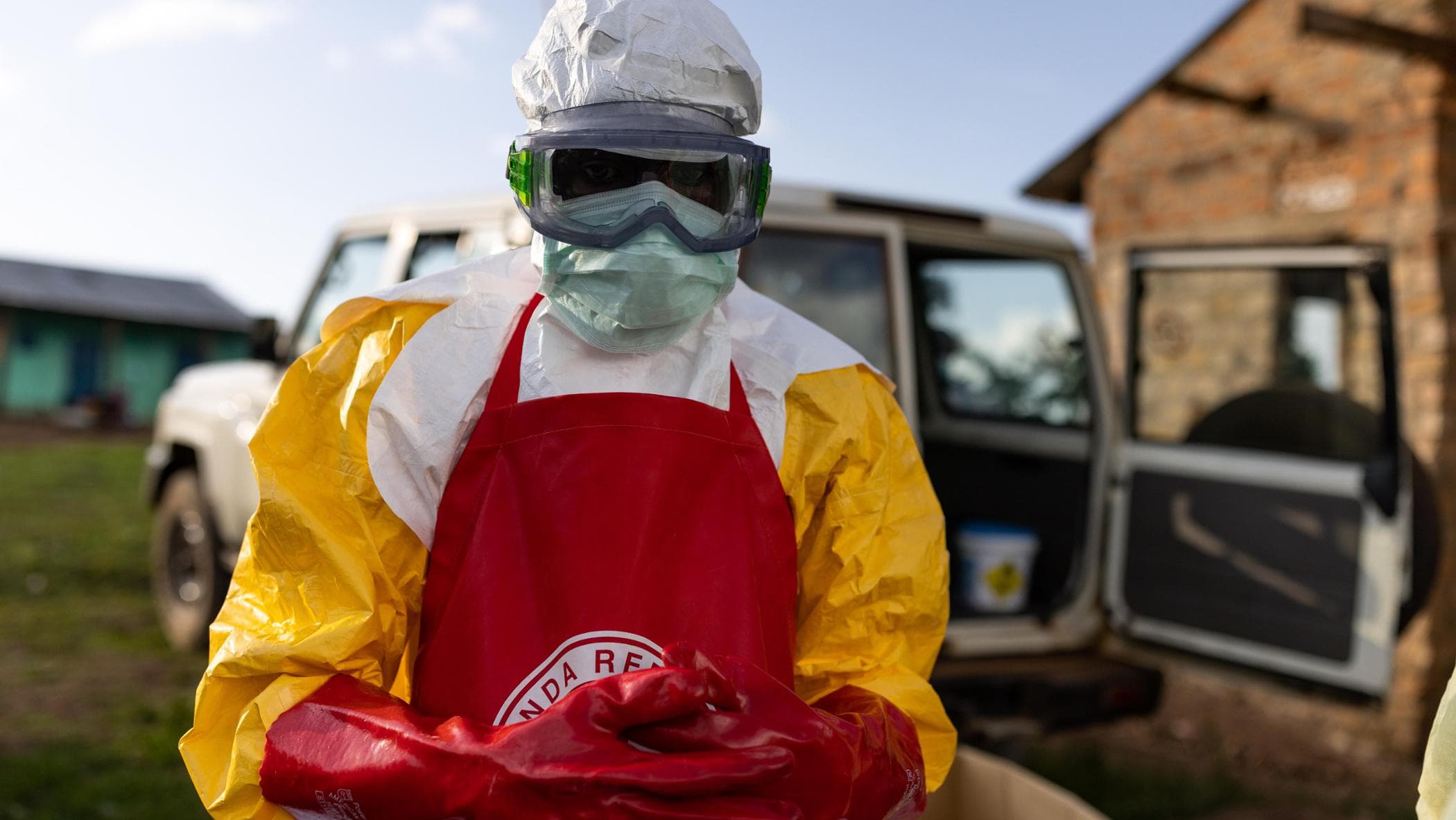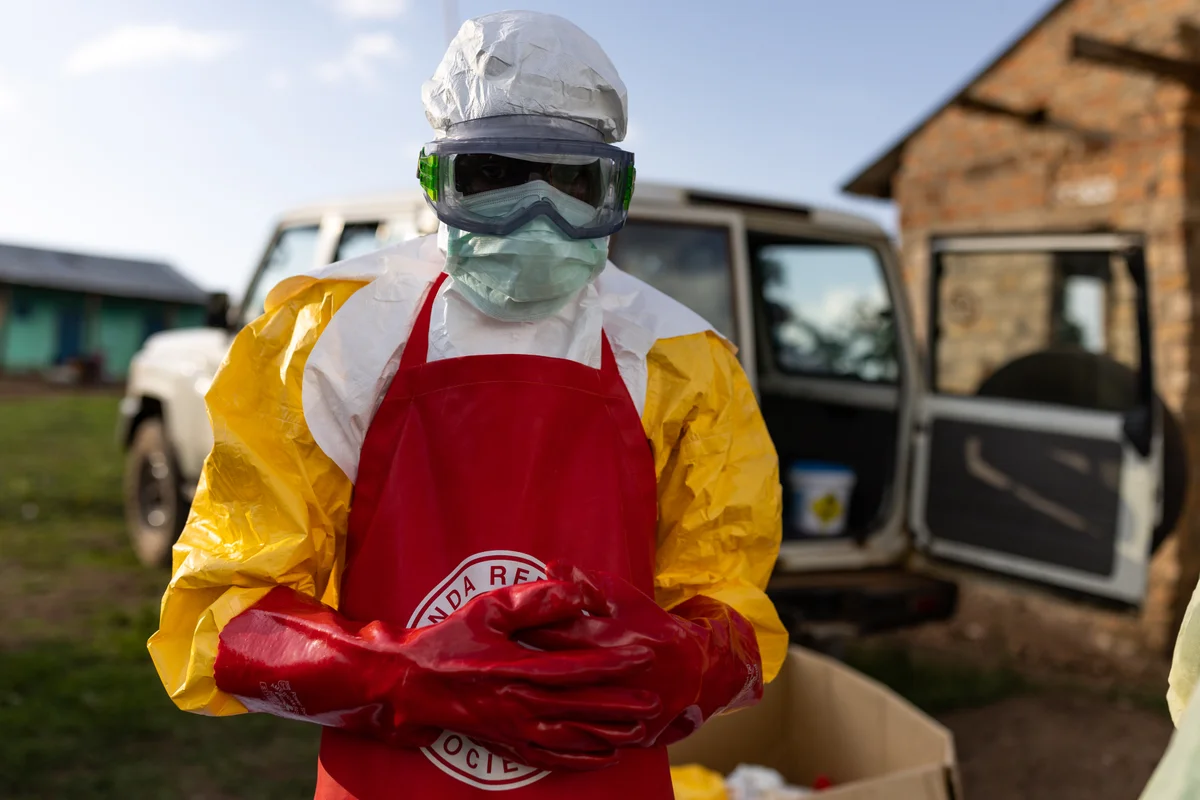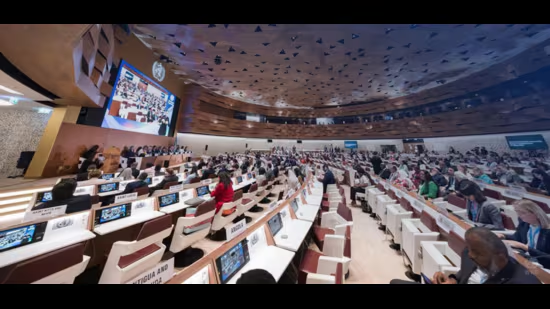
As infectious disease outbreaks become more frequent, they are also becoming more damaging, with widening health, economic, political and social impacts, and less capacity to recover from them, a new report of an independent monitoring and accountability body to ensure preparedness for global health crises has said.The report was launched on the margins of the 79th World Health Assembly. (X)The Global Preparedness Monitoring Board (GPMB)’s report titled ‘A World on the Edge: Priorities for a Pandemic-Resilient Future’, launched in the margins of the 79th World Health Assembly on Monday, warned that a decade of investment has not kept pace with rising pandemic risk. New initiatives have improved aspects of preparedness, but overall these efforts are being offset by the growing effects of rising geopolitical fragmentation, ecological disruption, and global travel, especially as development assistance falls to levels not seen since 2009.The report analyses a decade of Public Heath Emergencies of International Concern (PHEICs), from Ebola in West Africa to COVID-19 to mpox, assessing their impacts on health systems, economies and societies. On key measures, such as equitable access to diagnostics, vaccines and therapeutics, the world is moving backwards.Mpox vaccines reached affected low-income countries almost two years after the outbreak began – even slower than the 17 months it took for COVID-19 vaccines. And the escalating toll of such emergencies extends far beyond health and economic impacts. Both Ebola and COVID-19 damaged trust in government, civil liberties and democratic norms, amplified by politicised responses, attacks on scientific institutions and polarisation that have outlasted the crises, leaving societies less resilient to the next emergency.The report emphasises that the real, near term risk of another pandemic would strike a world more divided, more indebted and less able to protect its people than it was a decade ago, exposing all countries to potentially greater health, social and economic impacts.The report highlights the potential of AI and digital technologies to improve preparedness, especially for monitoring pandemic threats, but emphasises that without effective governance and safeguards they could actually reduce health security and accelerate the access gaps that defined COVID-19.“The world does not lack solutions”, said GPMB co-chair Kolinda Grabar-Kitarovic. “But without trust and equity, those solutions will not reach the people who need them most. Political leaders, industry and civil society can still change the trajectory of global preparedness – if they turn their commitments into measurable progress before the next crisis strikes.”The GPMB, which will conclude its mandate in 2026, identifies three concrete priorities for political leaders to reverse these trends: establish a permanent, independent monitoring mechanism to track pandemic risk; advance equitable access to life-saving vaccines, tests and treatments by concluding the Pandemic Agreement; and secure robust financing for both preparedness and Day Zero’ response activities.“If trust and cooperation continue to fracture, every country will be more exposed when the next pandemic strikes. Preparedness is not only a technical challenge — it is a test of political leadership” said GPMB co-chair Joy Phumaphi.The report said that leadership will be tested this year, as governments work to finalise the WHO Pandemic Agreement and to agree a meaningful United Nations political declaration on pandemic prevention, preparedness and response.
Frequent infectious disease outbreaks becoming more damaging: Report
The report analyses a decade of Public Heath Emergencies of International Concern (PHEICs), from Ebola in West Africa to COVID-19 to mpox | India News
523 words~2 min read