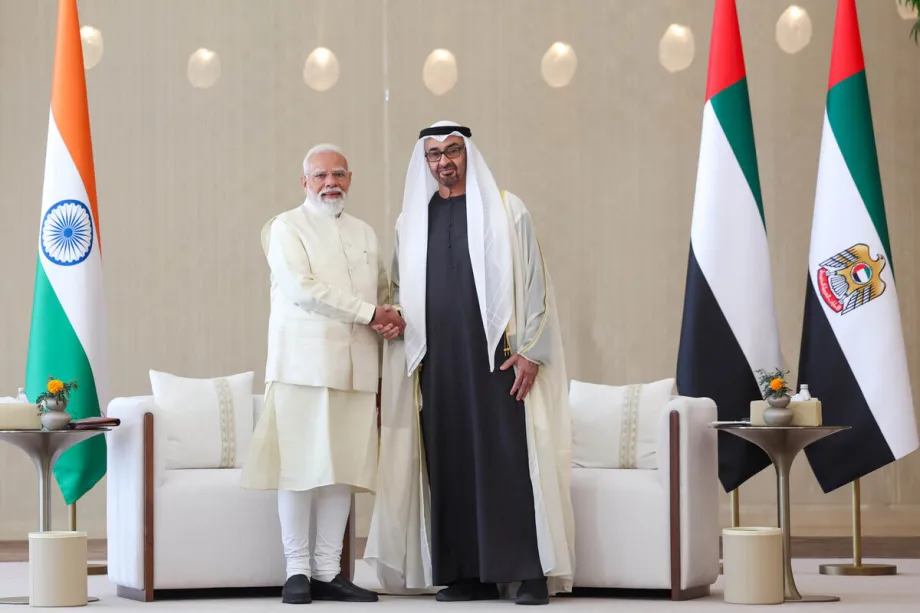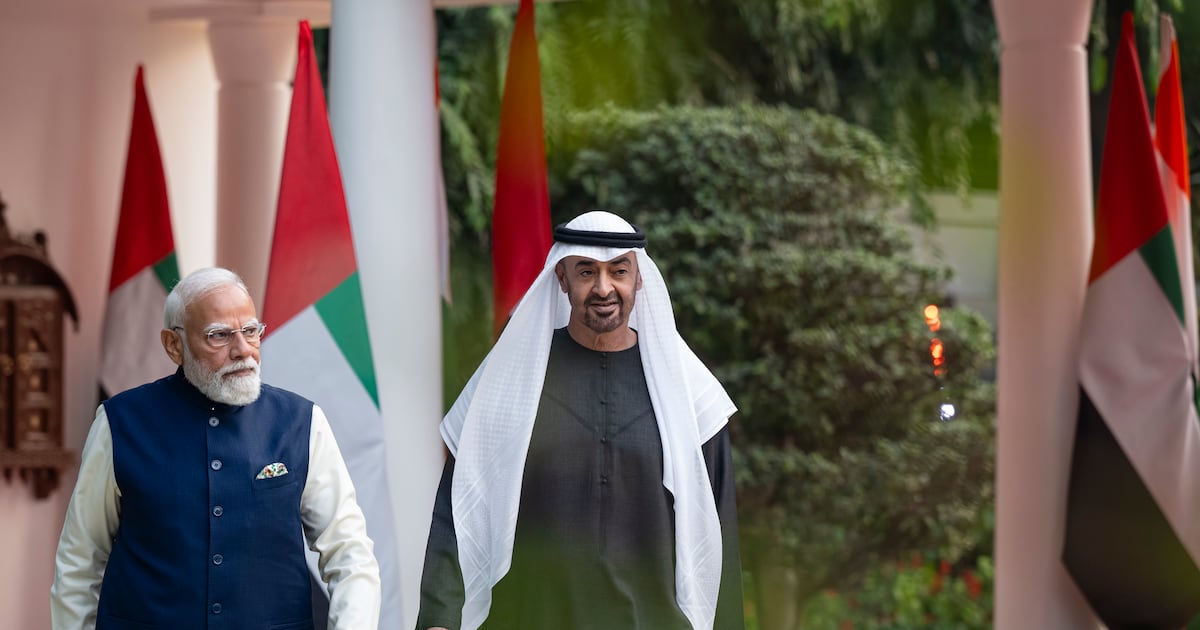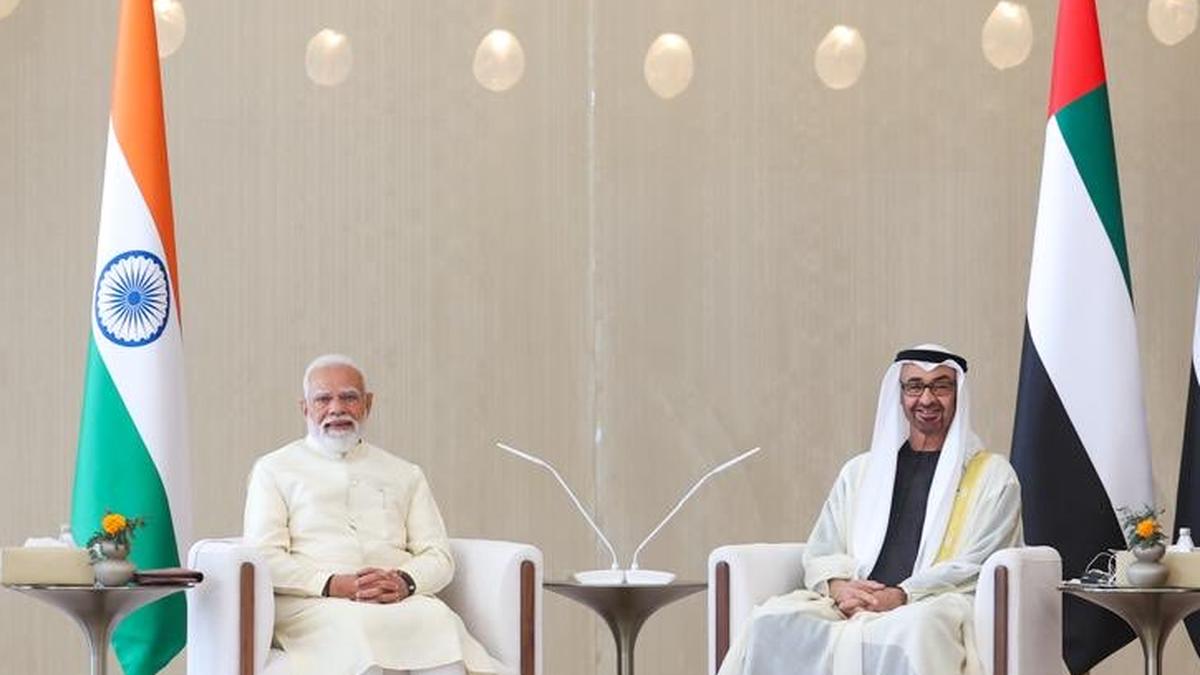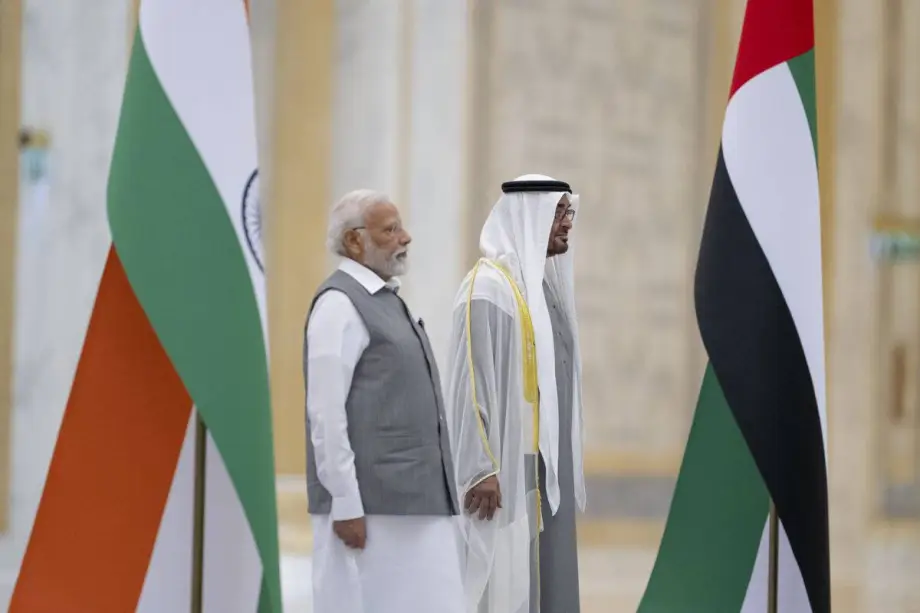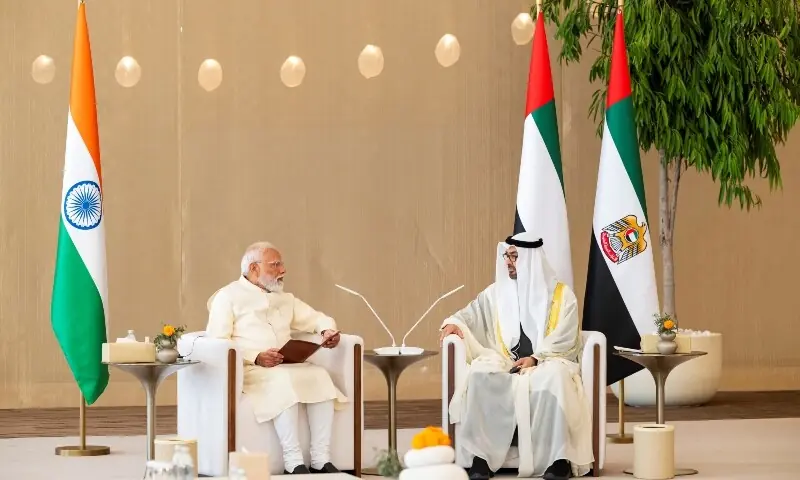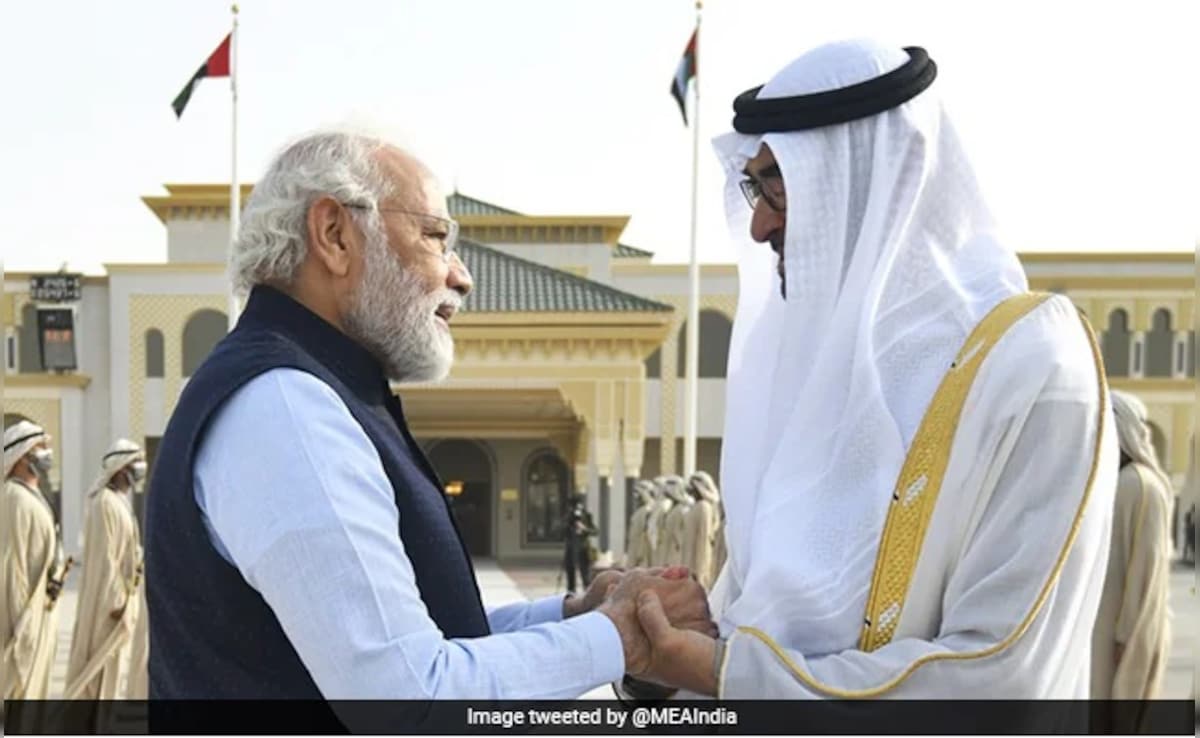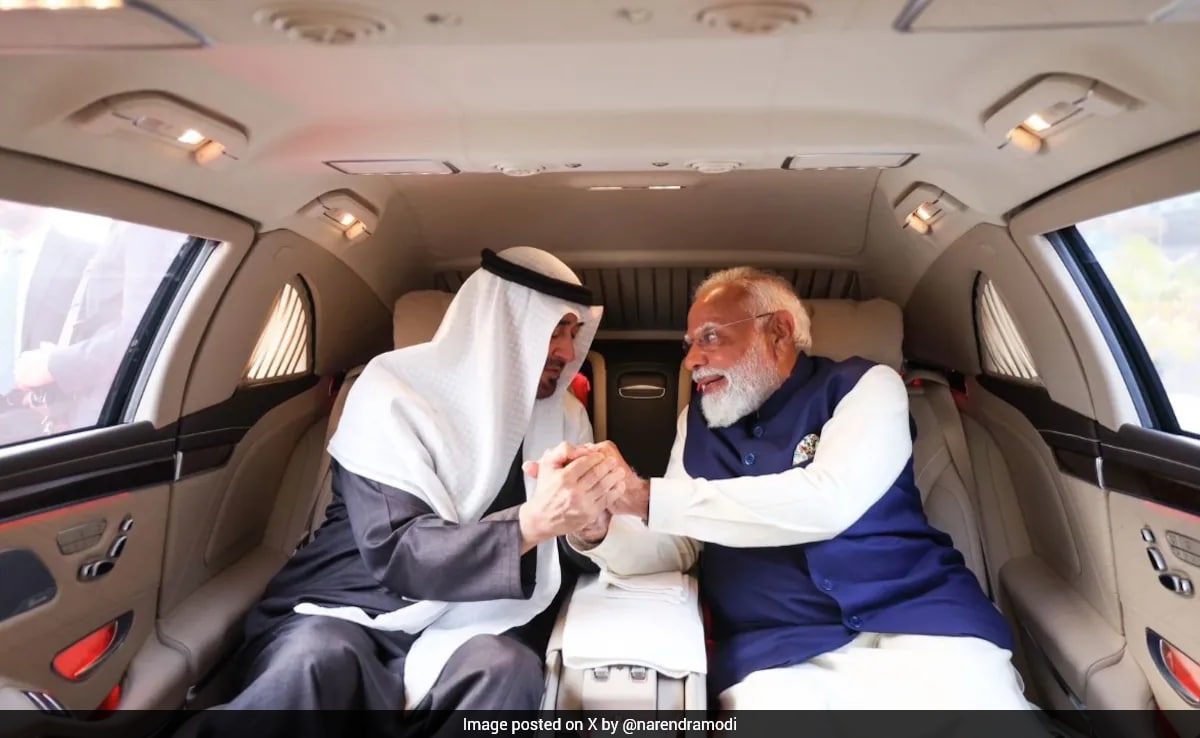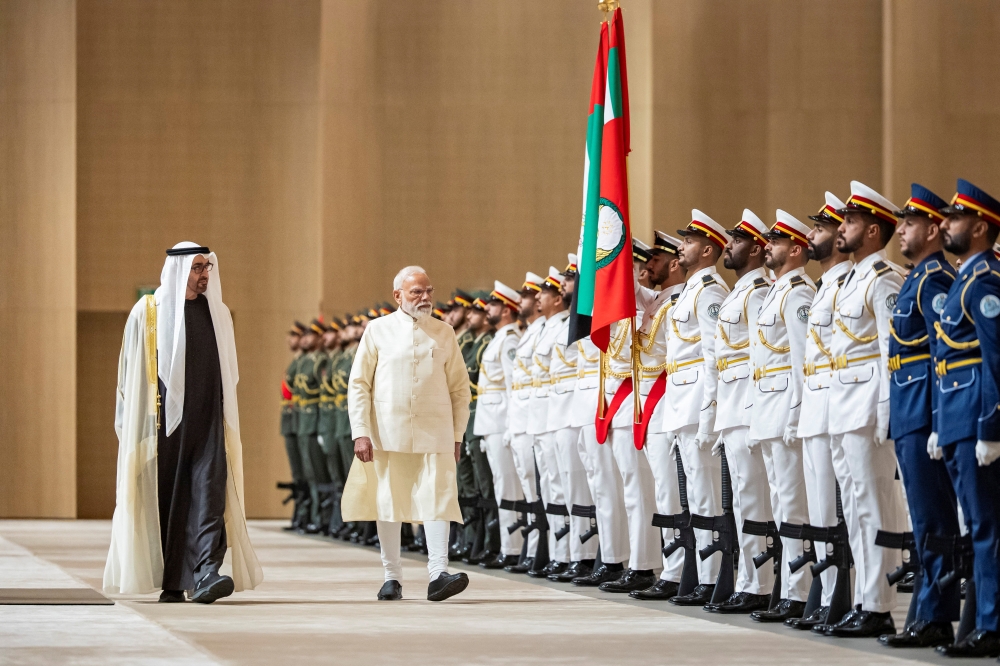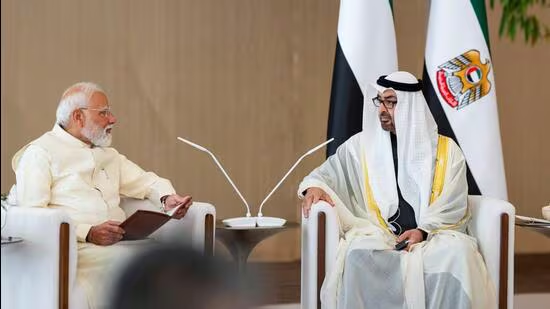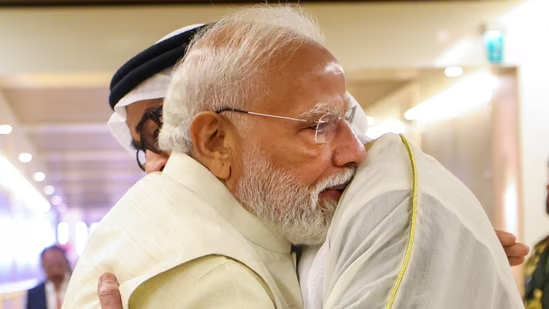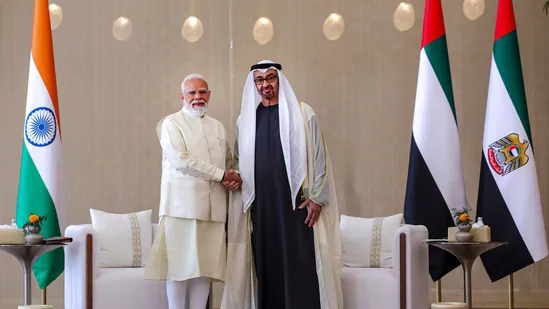
Prime Minister (PM) Narendra Modi’s recent visit to the United Arab Emirates was not simply another diplomatic engagement. It was a reminder that India’s foreign policy has finally begun shedding the hesitations of the past and embracing strategic realism. In a world fractured by wars, energy insecurity, disrupted supply chains and hardening geopolitical blocs, nations that fail to build durable strategic partnerships will steadily lose influence. India appears increasingly aware of that reality.Prime Minister Narendra Modi met UAE President Sheikh Mohamed bin Zayed Al Nahyan during delegation-level talks, in Abu Dhabi on Friday, May 15. (DPR PMO)The significance of Modi’s UAE visit lies not merely in the agreements signed, but in what the visit symbolised: India’s decisive recognition that West Asia is no longer a peripheral concern. It is central to India’s economic growth, energy stability, maritime security and global ambitions.For decades, New Delhi approached the Gulf with caution. India depended heavily on the region for oil and remittances, yet its engagement remained largely transactional. Diplomacy in West Asia was often constrained by ideological anxieties and lack of strategic positions.That era is ending.India today is no longer behaving like a hesitant postcolonial power seeking diplomatic balance at any cost. It is increasingly acting like an emerging major power determined to secure its interests in an unstable world.The UAE occupies a particularly important place in this transformation. The country is India’s third-largest trading partner after the US and China. Bilateral trade touched nearly $ 85 billion in 2024-25, rising sharply after the India-UAE Comprehensive Economic Partnership Agreement (CEPA). Both countries now aim to push trade volumes far higher before the end of the decade. The UAE is also among India’s leading investors in infrastructure, logistics, renewable energy and digital sectors.The economic logic behind the partnership is overwhelming. India is among the world’s fastest-growing major economies, while the UAE is rapidly positioning itself as a global logistics, finance and technology hub connecting Asia, Africa and Europe. The relationship is no longer limited to crude oil imports and expatriate labour. It is evolving into a strategic economic alliance.The human dimension is equally significant. Nearly 3.5 million Indians live and work in the UAE. Their contribution to the Indian economy remains immense. India received more than $ 125 billion in remittances in 2023 according to World Bank estimates, the highest in the world, with Gulf countries accounting for a substantial portion.Yet the real importance of Modi’s visit becomes visible only when viewed against the larger geopolitical backdrop.West Asia today is one of the world’s most unstable strategic theatres. Conflicts across the region, tensions involving Iran, attacks on maritime routes and fears of wider escalation have once again exposed how fragile global energy systems remain. For India, this vulnerability is deeply consequential.India imports roughly 87% of its crude oil requirements. Every major disruption in the Gulf directly affects inflation, transportation costs, industrial production and fiscal stability inside India. Rising crude prices immediately increase pressure on ordinary households through higher fuel, food and logistics costs.This is why the energy agreements reached during the UAE visit matter far more than political critics are willing to acknowledge.Cooperation on strategic petroleum reserves, crude storage and long-term energy supply arrangements strengthens India’s ability to withstand external shocks. India already stores part of its emergency oil reserves through collaboration with Abu Dhabi National Oil Company (ADNOC). Expanding such arrangements is not diplomatic symbolism; it is strategic necessity.Diplomacy must be judged by measurable outcomes. Does it strengthen energy security? Does it attract investment? Does it expand geopolitical influence? Does it protect trade routes and supply chains? If the answer is yes, then the diplomacy has delivered.By those standards, India’s engagement with the UAE has been remarkably successful.Modern geopolitics rewards realism, not sentimentality.Every major global power — the US, China, Russia and the European Union — aggressively competes for influence in the Gulf because the region remains central to global energy flows, shipping routes and financial networks. India cannot aspire to global relevance while behaving as though West Asia is strategically optional.Some critics also argue that India risks excessive dependence on Gulf energy producers. This argument ignores economic reality. India is now the world’s third-largest energy consumer. Renewable energy expansion is essential, but no serious economist believes India can abruptly detach itself from fossil fuels without severe economic consequences. Until alternative energy systems become fully mature, stable Gulf partnerships are indispensable.The defence and maritime dimensions of the UAE relationship are equally important. India and the UAE have steadily expanded cooperation in intelligence-sharing, cyber security, counterterrorism and naval coordination. This marks a significant evolution in India’s Gulf policyThe Arabian Sea and the wider Indian Ocean region are becoming increasingly contested strategic spaces. Piracy, drone warfare, extremism and geopolitical rivalries now threaten maritime corridors through which most of India’s trade flows. Nearly 80% of India’s merchandise trade by volume moves through sea routes. Securing those corridors is therefore not optional; it is fundamental to India’s economic survival.One of the most striking features of India’s current West Asia policy is its strategic balance. New Delhi today maintains strong ties simultaneously with the UAE, Saudi Arabia, Iran, Israel and the US despite their competing regional interests. Few countries have managed this balancing act effectively.This reflects a level of diplomatic confidence India often lacked in earlier decades.The UAE visit demonstrated that New Delhi now understands a basic geopolitical truth: Influence in the 21st century will not belong merely to countries with military power. It will belong to nations capable of securing energy access, controlling connectivity routes, attracting capital, shaping supply chains and building durable strategic partnerships.The economic opportunities emerging from India-UAE cooperation are enormous. Gulf investments in Indian ports, industrial corridors, logistics hubs and renewable energy projects could significantly accelerate India’s infrastructure ambitions. Simultaneously, India offers the UAE a massive consumer market, technological talent and long-term growth potential.Projects linking India, the Gulf and Europe through integrated trade and logistics corridors may eventually reshape regional commerce itself. Connectivity is rapidly becoming geopolitics by another name.India’s foreign policy is becoming more pragmatic, economically driven and interest-based. The UAE partnership is among the clearest examples of that transformation.In an era of geopolitical fragmentation, nations that fail to secure reliable partnerships and resilient economic networks will steadily lose strategic space.India appears determined not to be one of them.(The views expressed are personal)This article is authored by Debika Dutta, columnist and teacher, Jawahar Navodaya Vidyalaya, Mangaldai, Assam.
India’s Gulf doctrine finally taking shape
This article is authored by Debika Dutta, columnist and teacher, Jawahar Navodaya Vidyalaya, Mangaldai, Assam.
1,064 words~5 min read