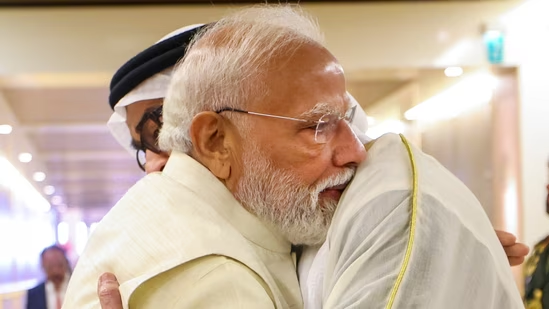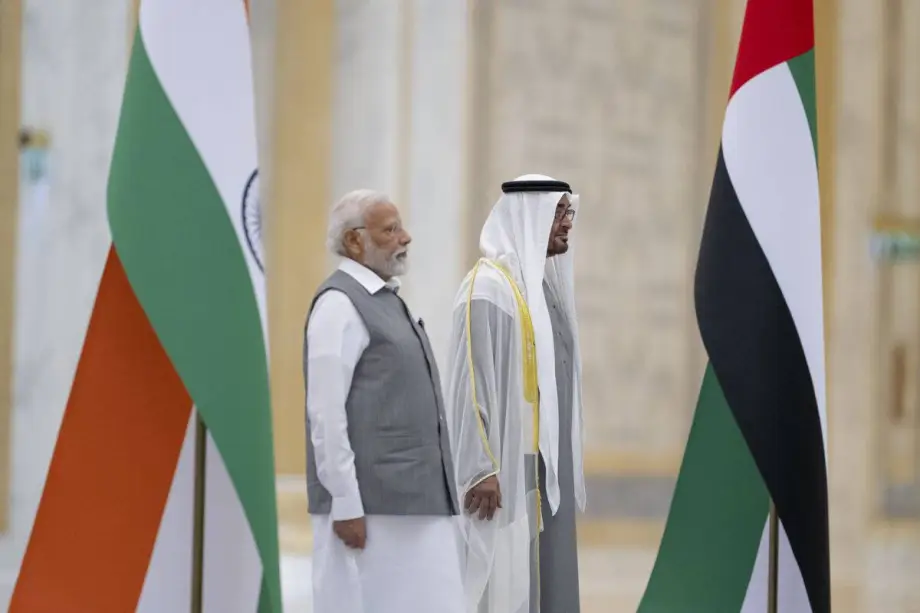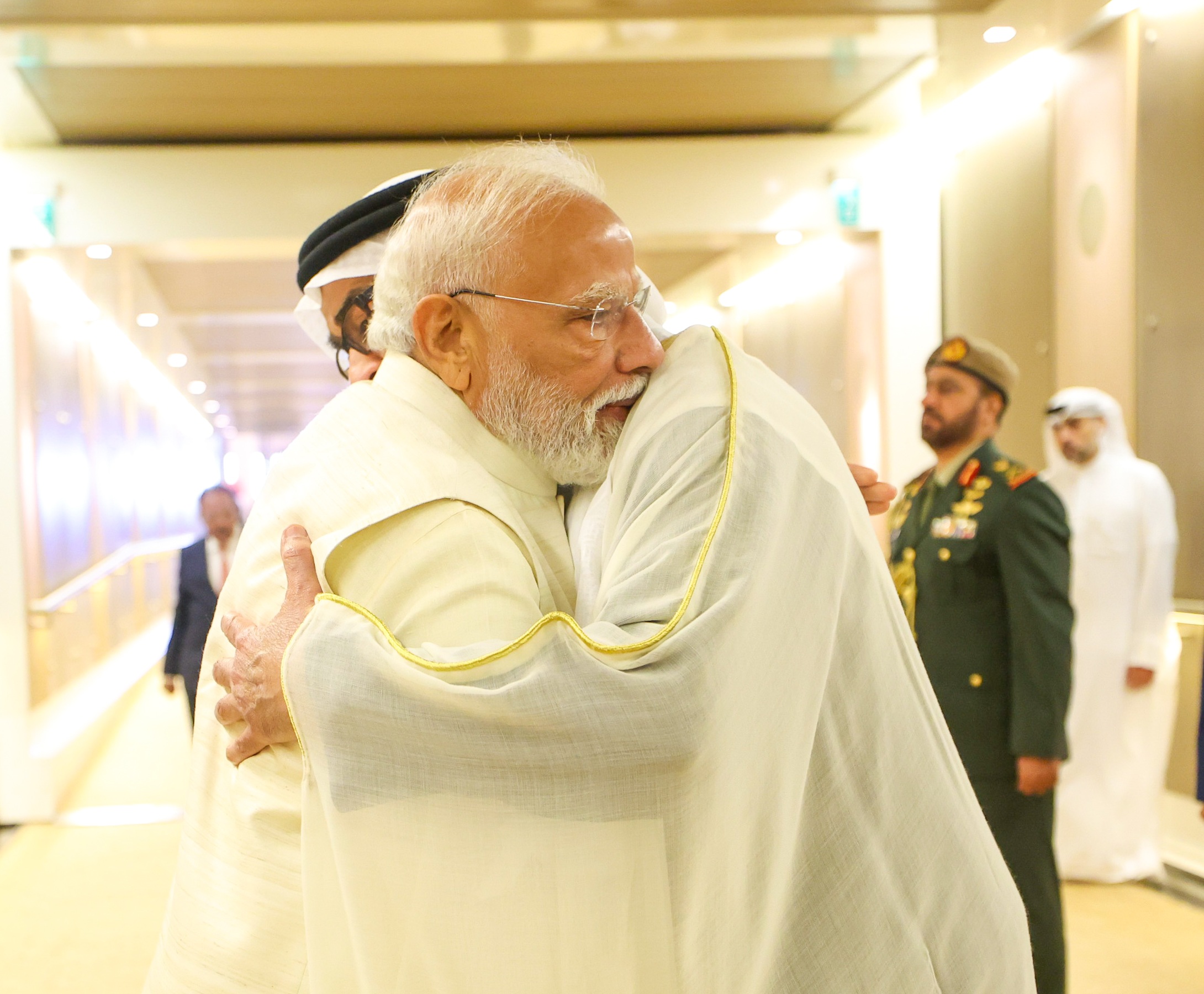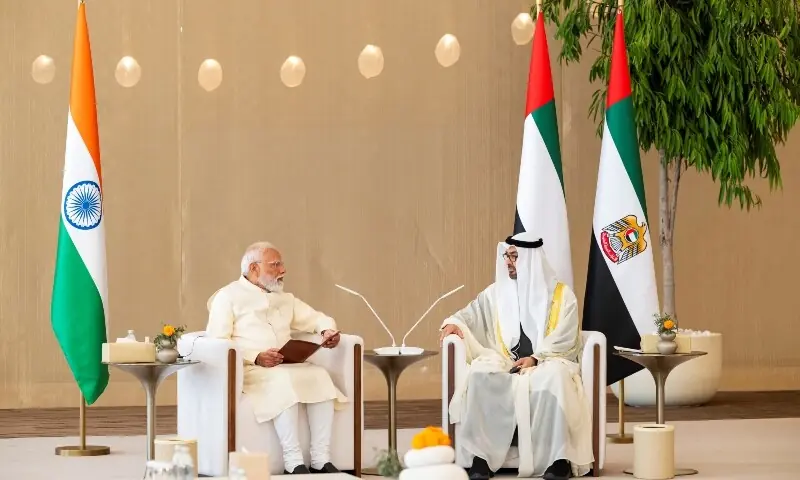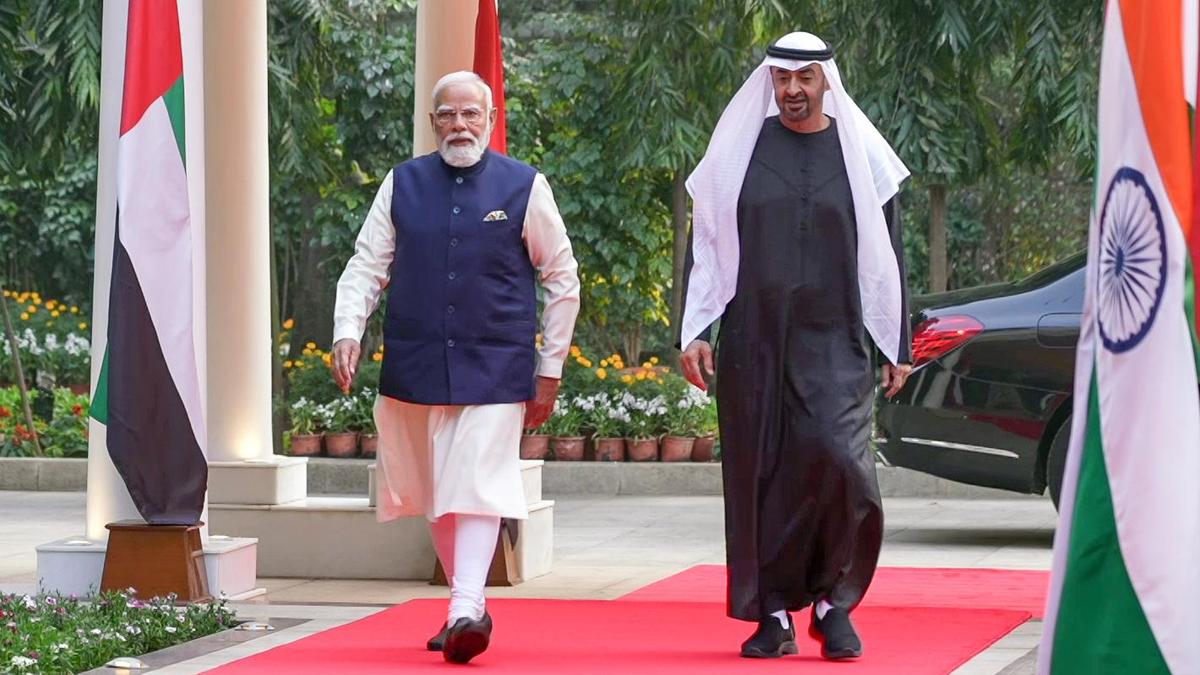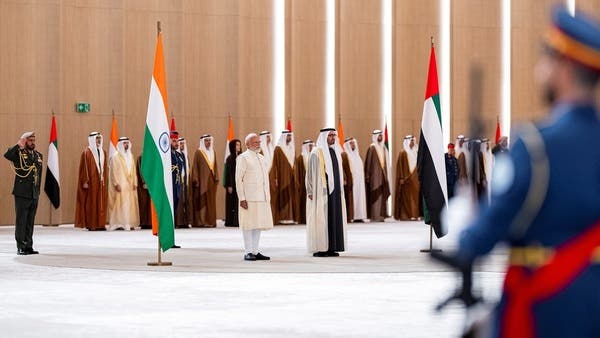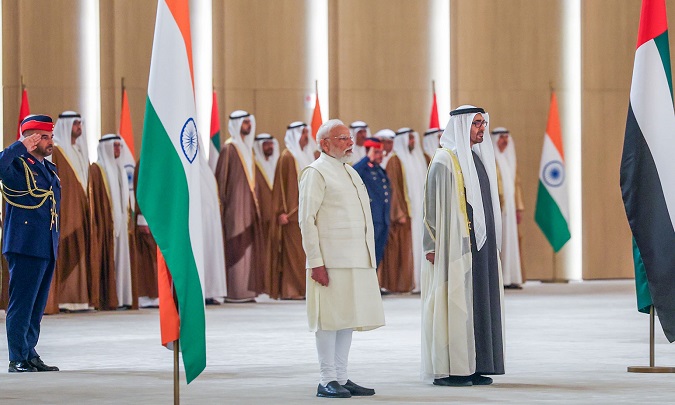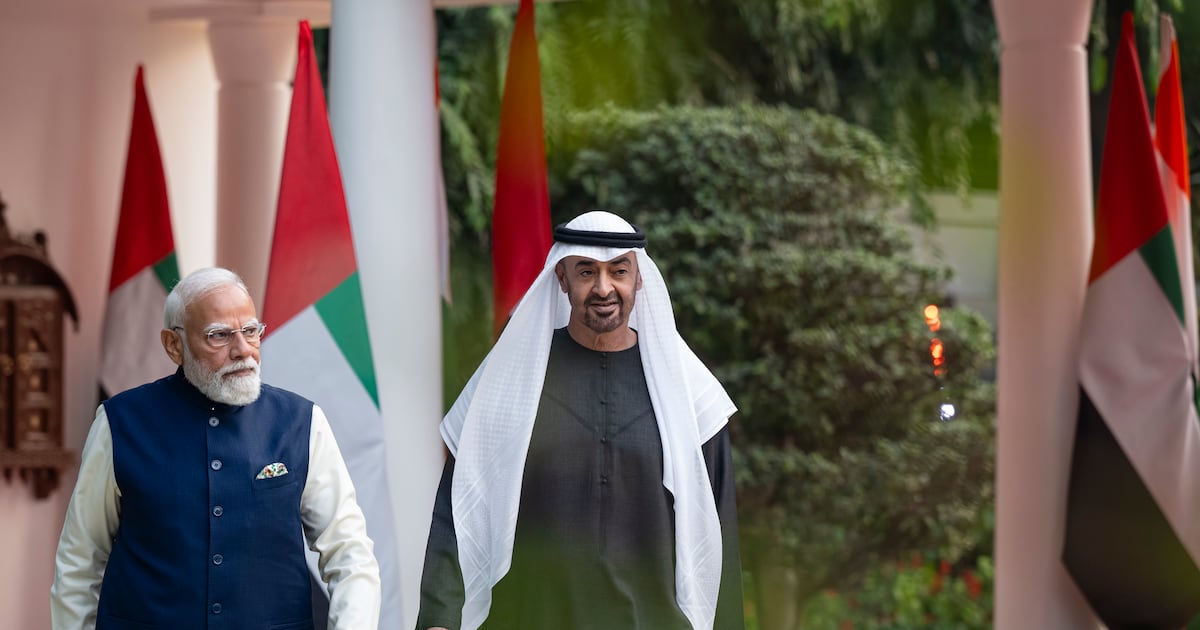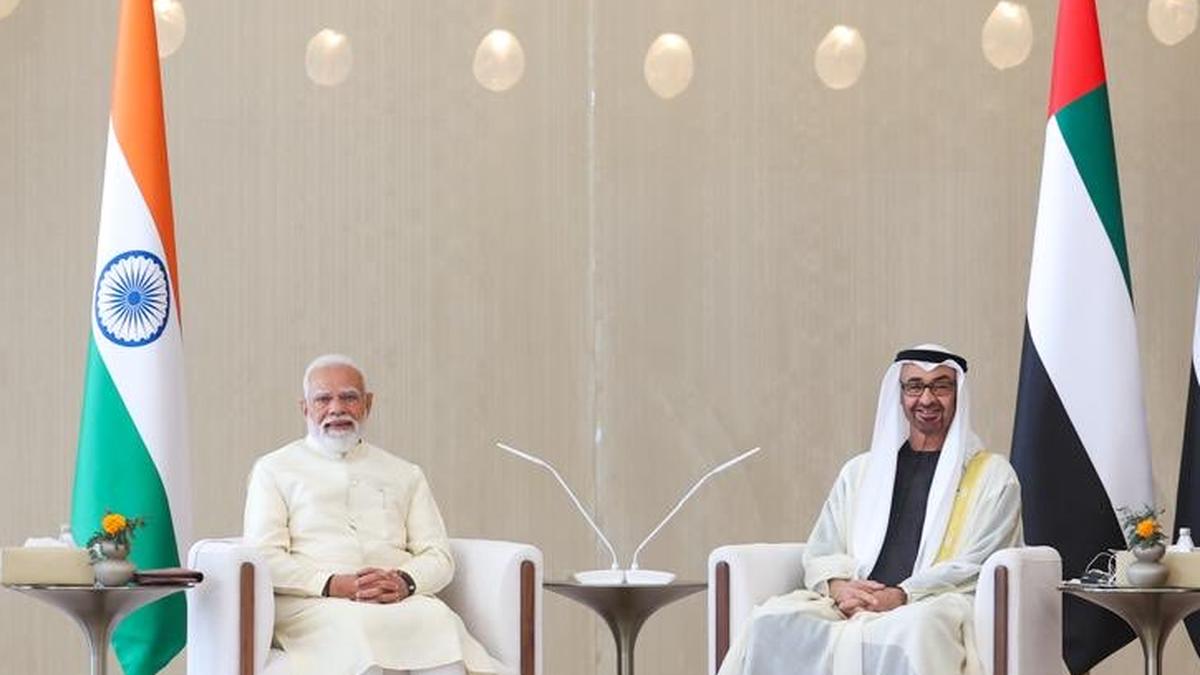
Prime Minister Narendra Modi and UAE President Sheikh Mohamed bin Zayed Al Nahyan during a meeting in Abu Dhabi, on May 15, 2026. Photo: X/@narendramodi
India and the UAE concluded a framework defence cooperation agreement, and signed agreements on building India’s strategic petroleum reserves and LNG supplies as Prime Minister Narendra Modi made a brief stopover in Abu Dhabi on Friday and met with UAE President Mohammad Bin Zayed Al Nahyan (MbZ).Mr. Modi travelled to the UAE as the first stop in his week-long, five-nation trip to the Netherlands, Sweden, Norway and Italy. This was his first stop abroad, with energy security on the agenda, just days after Mr. Modi had warned of energy shortages in the wake of the war in West Asia, urging Indian citizens to forego foreign trips and gold purchases while conserving fuel and electricity.Expressing support for the UAE, that has received the brunt of attacks by Iran in retaliation for attacks by the U.S. and Israel, Mr. Modi said the targeting of the UAE was “unacceptable.”“We condemn the attacks on the UAE,” Mr. Modi said in his opening remarks, seated next to MbZ. “The way the UAE has been targeted is not acceptable,” he added, praising the UAE’s “restraint” in responding to the attacks since February 28, when the war was started by U.S. and Israeli strikes that killed Iranian Supreme Leader Ali Khameini. Mr. Modi offered India’s support for all peace efforts in the region.In a video address, Foreign Secretary Vikram Misri said the Strategic Defence Cooperation Framework that was concluded during the visit had been proposed during an equally brief visit by MbZ to Delhi in January this year.“Under this [agreement] the two sides will strengthen their collaboration in defence manufacturing, defence technology, defence equipment, industrial collaboration and cooperation and in coordination across various areas,” Mr. Misri said.Areas of cooperationA Ministry of External Affairs (MEA) release expanded on the areas of cooperation, including training, military exercises, special operations and interoperability, indicating the armed forces would engage each other much more closely, including in “maritime security, cyberdefence, secure communications and information exchanges”. The agreement is significant as traditionally UAE Armed forces have been trained by Pakistani military officers, and the first five Chiefs of Air Staff of the UAE were Pakistani officers on deputation in the 1970s-1980s. MbZ’s visit to Delhi in January 2026 followed a strain in UAE-Pakistan ties following the announcement of a Saudi-Pakistani mutual defence pact in 2025.Boosting India’s Strategic Petroleum Reserves (SPR) was another major outcome of the visit, said officials, as the UAE’s Abu Dhabi National Oil Company (ADNOC) signed two MoUs for crude oil storage in India up to 30 million barrels with the Indian Strategic Petroleum Reserves Limited (ISPRL) in Andhra Pradesh and Odisha, and for potential crude oil storage facilities in Fujairah, UAE as well. ADNOC also plans to collaborate on LNG and LPG storage facilities in India, and committed to a potential long-term contract for gas supplies with the Indian Oil Corporation Ltd (IOCL), the MEA release said. “As demand accelerates alongside a rapidly expanding population, the strength of the UAE–India energy partnership becomes ever more critical,” said Sultan Al Jaber, ADNOC Managing Director and Group CEO, in a statement on Friday, adding that the agreements would reinforce “supply security” and deepen strategic ties. In 2019, India and Saudi Arabia had signed an MoU between Aramco and ISPRL, to store about 4.6 million barrels of oil in its Padur reserve in Karnataka.India and the UAE also signed two MoUs on cooperation in ship-building and in building supercomputer hubs in India during Mr. Modi’s visit, his 8th to the UAE since 2014. Published - May 15, 2026 02:23 pm IST