When a homeowner in Budapest files a household insurance claim, it may never be handled by a human. At Uniqa Insurance Hungary, an artificial intelligence system known as NiQA can analyse photos, interpret documents, calculate losses and determine payouts, in some cases authorising payments on its own.
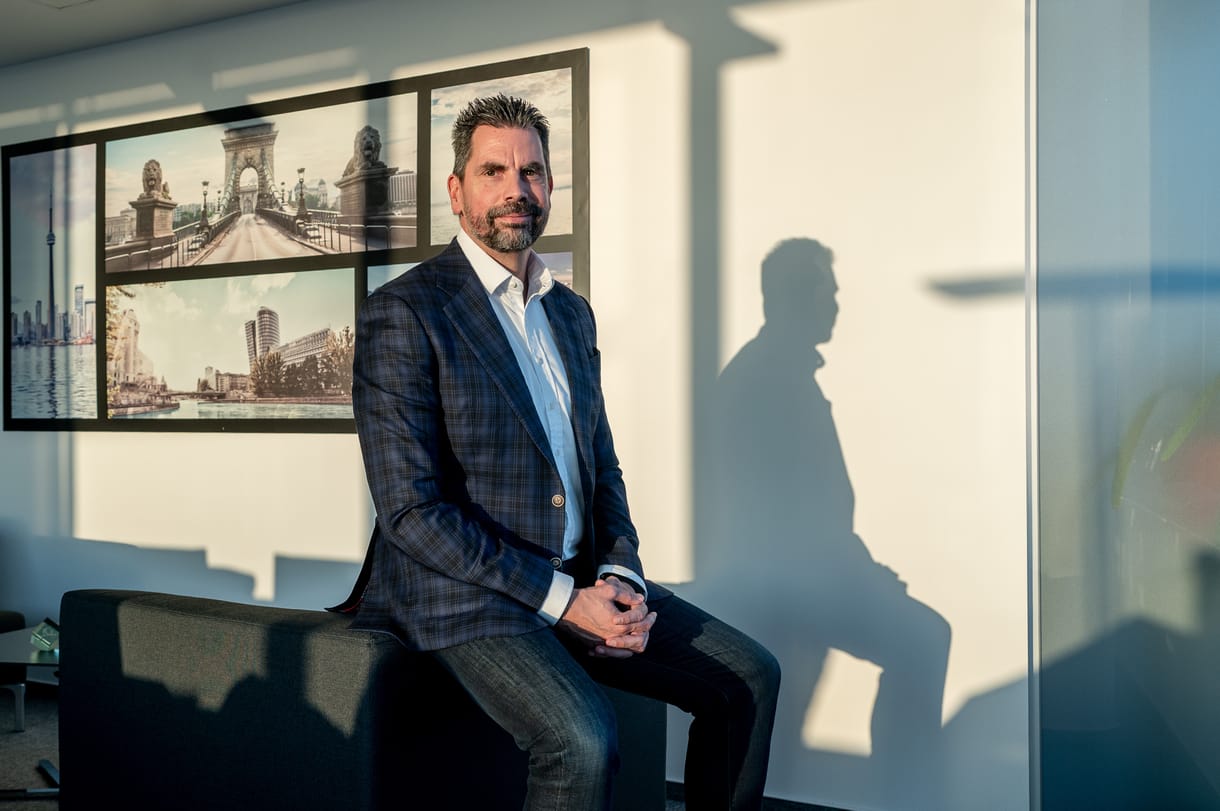
“Since last month, NiQA has been operating autonomously, authorising and executing payments up to a predefined threshold without any human intervention,” says chief executive Krisztián Kurtisz, who worked on the project with the Corvinus School for Executive Education and Development (SEED) in the Hungarian capital.
The system can settle claims within 24 hours but the deeper change is organisational. “The real significance is the management model it demands,” says László Eszes, director of Corvinus-SEED. Companies, he argues, must rethink “the division of decision rights between human experts and AI systems”, alongside new control mechanisms and structures.
Examples such as Uniqa are no longer isolated. Research published this year by MIT Sloan Management Review suggests that “humans and AI working together can outperform either humans or AI working alone”. The challenge for executives — and for the business schools teaching them — is knowing how to combine the two: when to trust the system, when to question it and when to override it.