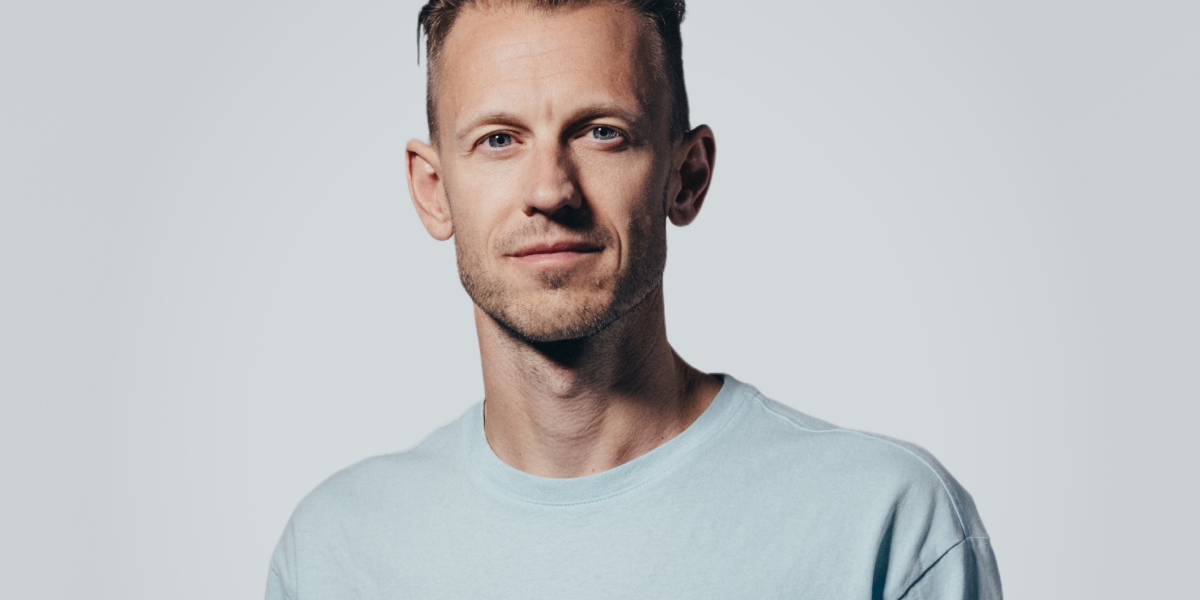
Carl Fritjofsson, who has run Stockholm, Sweden-based Creandum’s San Francisco office since 2016, says the timeline for European founders to cross the pond is compressing at a pace he’s never seen.
“There is more demand in the U.S. today than there is in Europe,” he told Fortune. “Especially if you’re selling towards enterprises with some kind of AI-native product. That is pulling people to do the U.S. expansion faster than ever before.”
The pull factor is real: AI firms captured 61% of global venture capital in 2025—and 80% to 81% of total global venture capital in the first quarter of 2026. The overwhelming majority of that demand lives on American enterprise procurement budgets.
Receipts from Creandum’s own portfolio make the case. Lovable, the Swedish vibe-coding startup Creandum backed early, crossed $400 million in ARR in February—adding $100 million in a single month with 146 employees—and sits at a $6.6 billion valuation. The company’s growth is nearly entirely digital and borderless, a model Fritjofsson describes as “bottoms-up from day one”—no boots on the ground required, as U.S. users have flocked to the platform without a U.S. expansion plan.
But not every company gets to grow the way Lovable did. For enterprise-focused startups, “ready for the U.S.” still means putting a founder on a plane—and that’s where the playbook gets complicated. Fritjofsson acknowledged that the Trump administration’s visa friction is real, even if he’s not ready to call it a dealbreaker.