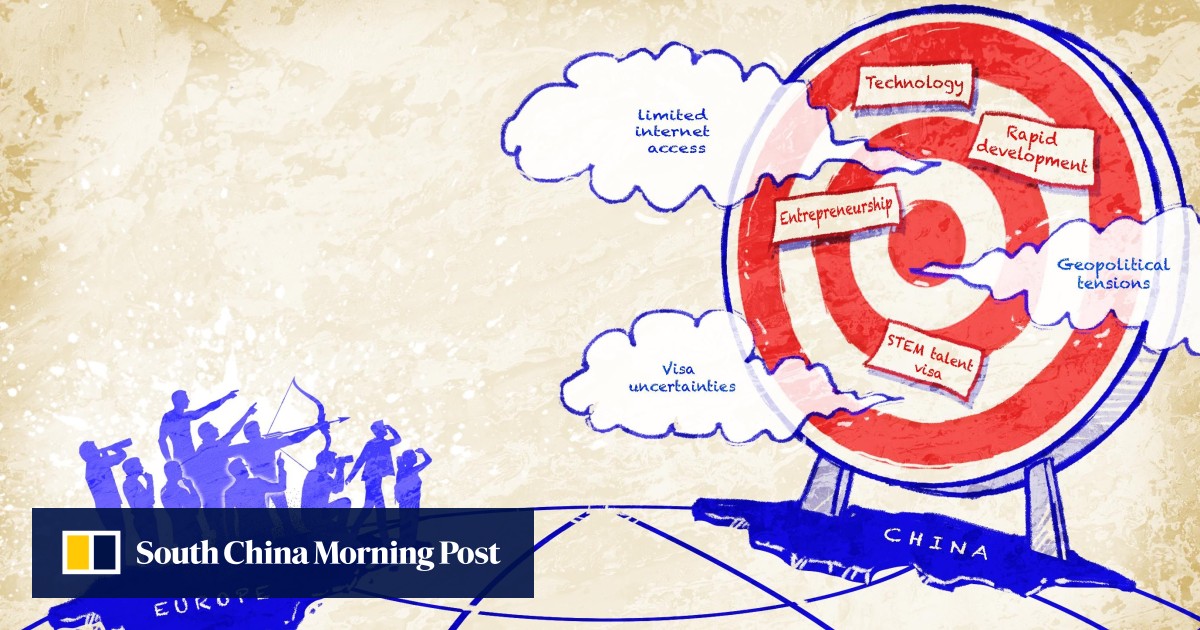
Openness to foreign talent could be a competitive advantage for up-and-coming tech hubs around the world, particularly as the U.S.—traditionally the world’s leading tech sector—begins to look more skeptically at immigration.
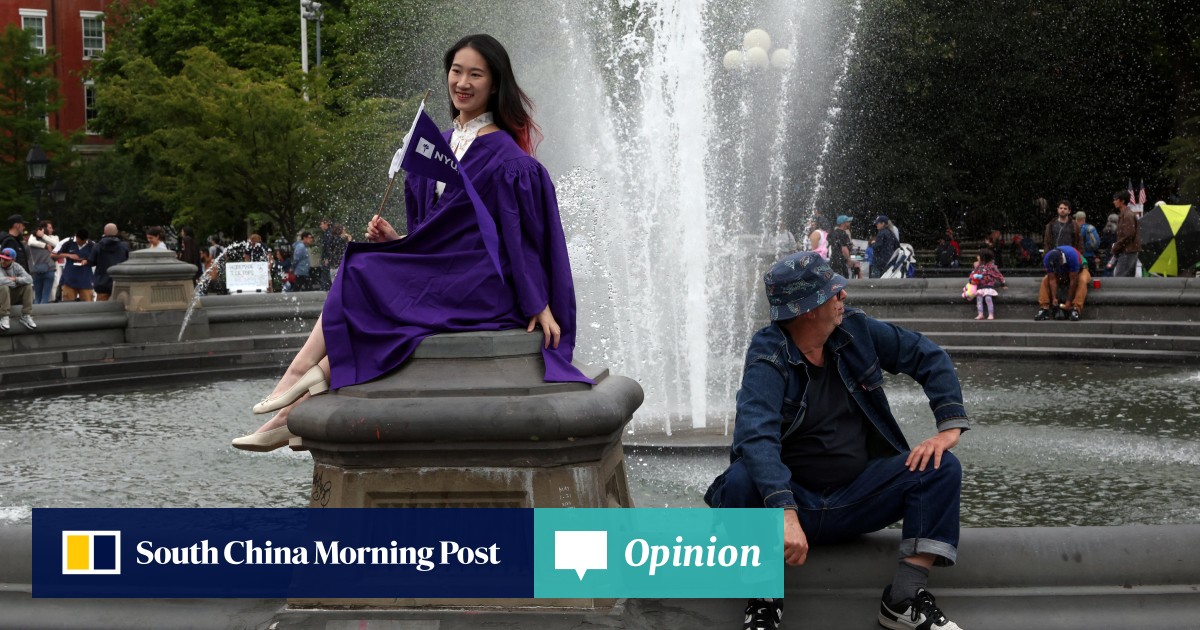
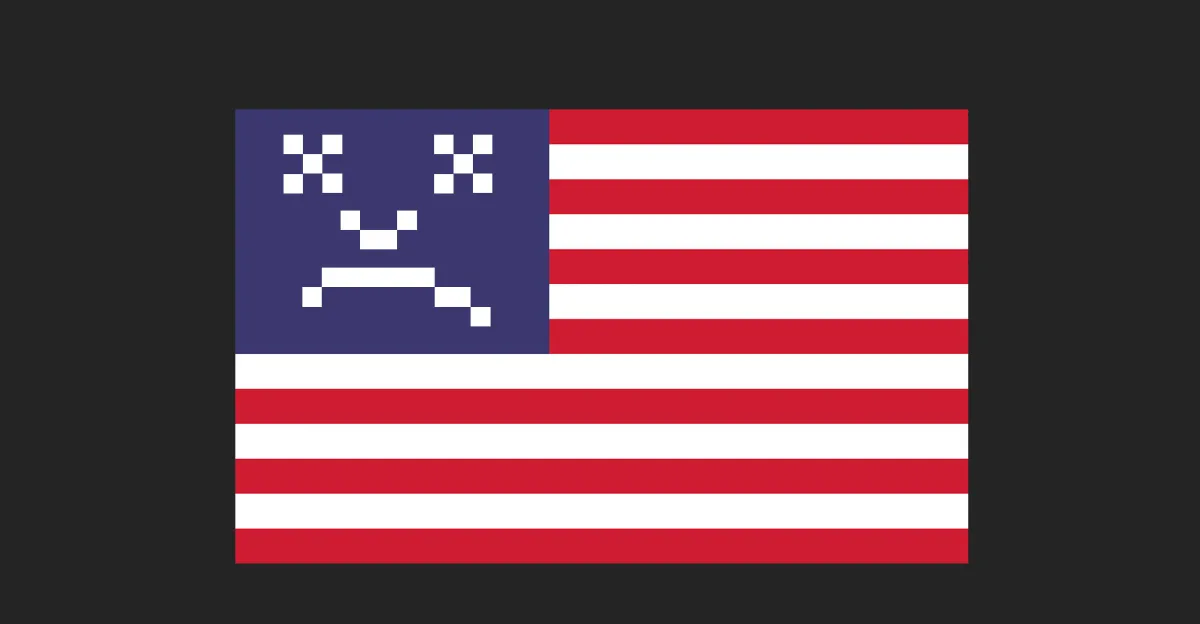
The Trump administration is tightening visa policies, leading to delays for those trying to enter the U.S. And moves like the White House’s campaign against leading universities may be discouraging international students from pursuing education in the U.S.
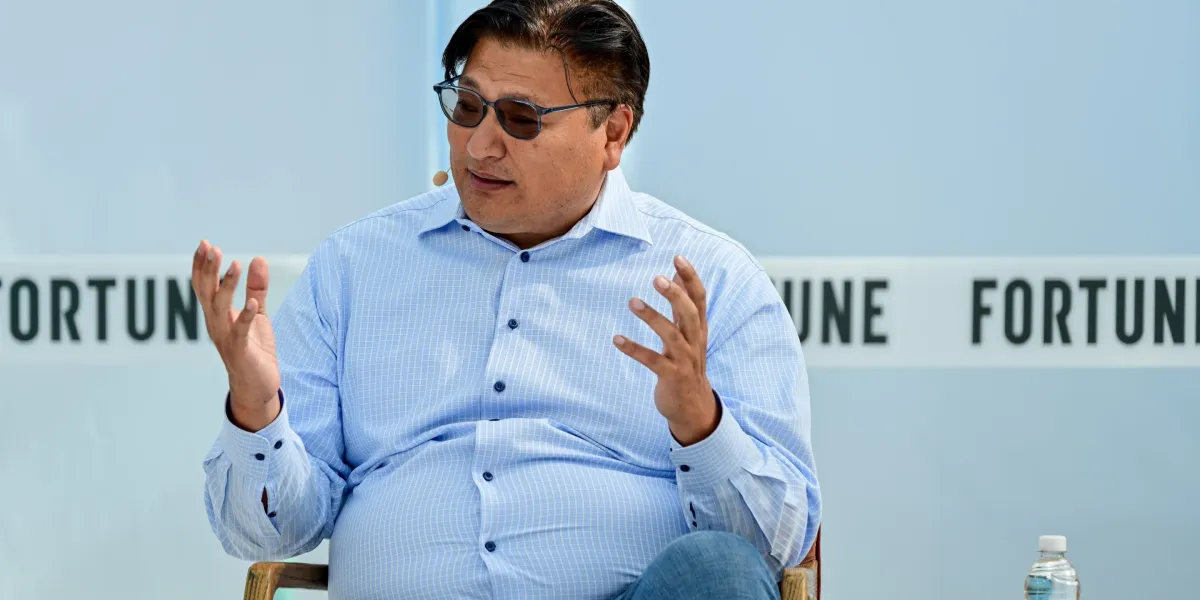
While Silicon Valley itself will always “remain very pro-immigrant,” the broader political changes within the U.S. could create opportunities for other regions, said Hans Tung, managing partner of U.S.-based venture capital firm Notable Capital, at the Fortune Brainstorm Tech conference in Park City, Utah last week.
“When I look at Europe, this is a perfect time to be a lot more open, to include a lot more STEM students from around the world to go to Europe, to innovate on AI in Europe,” Tung said. “Wherever is more open still has a chance to win the next cycle.”
Wendy Tan White, CEO of Intrinsic, a robotics firm owned by Alphabet, pointed out a lack of local talent is constraining U.S. ambitions to revive domestic manufacturing. “That has to be replaced in some way,” she explained. “I think the only way to do it now is through intelligent automation, especially if you want to bring that reshoring of manufacturing back to the U.S.,” White said.