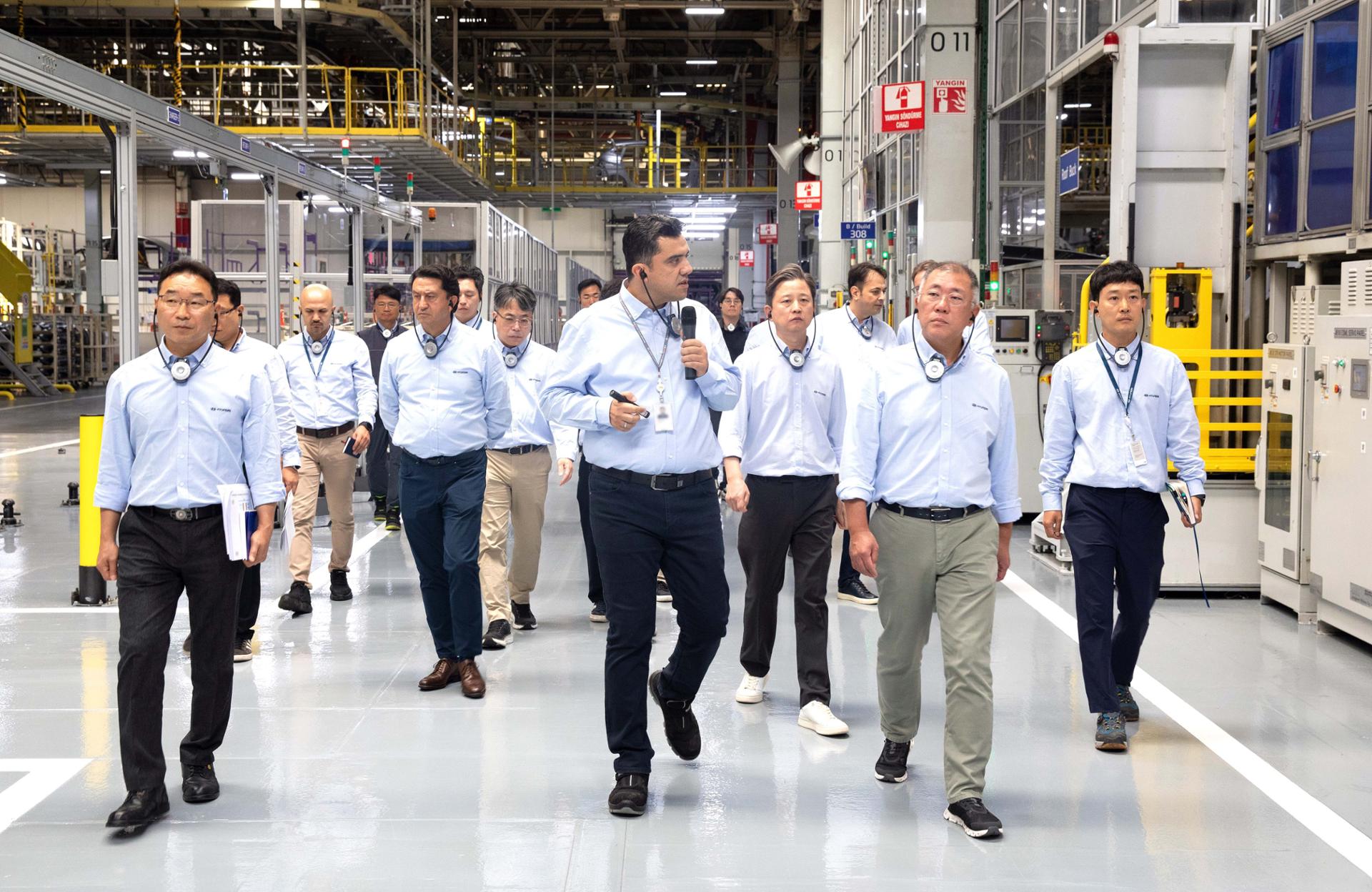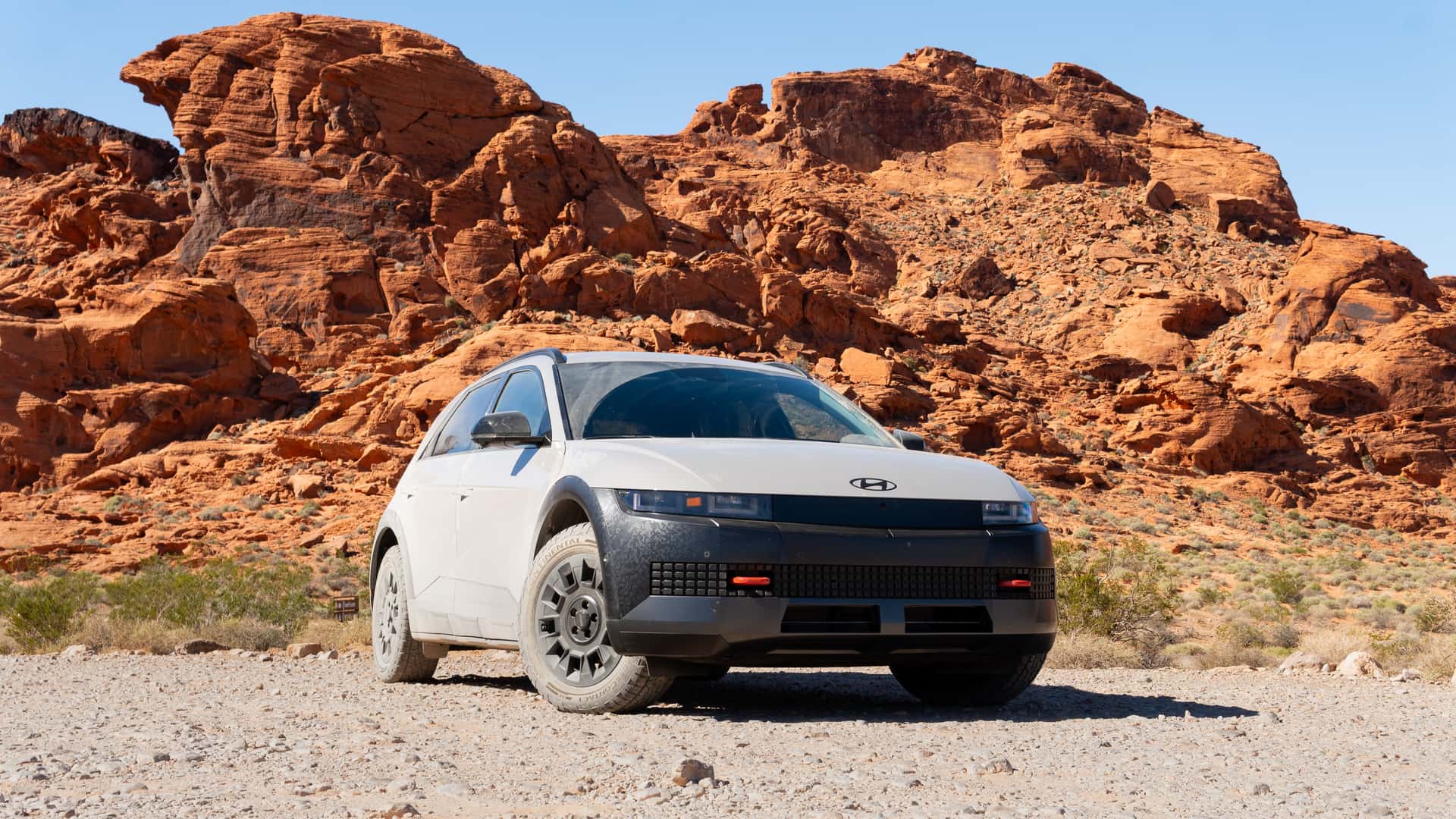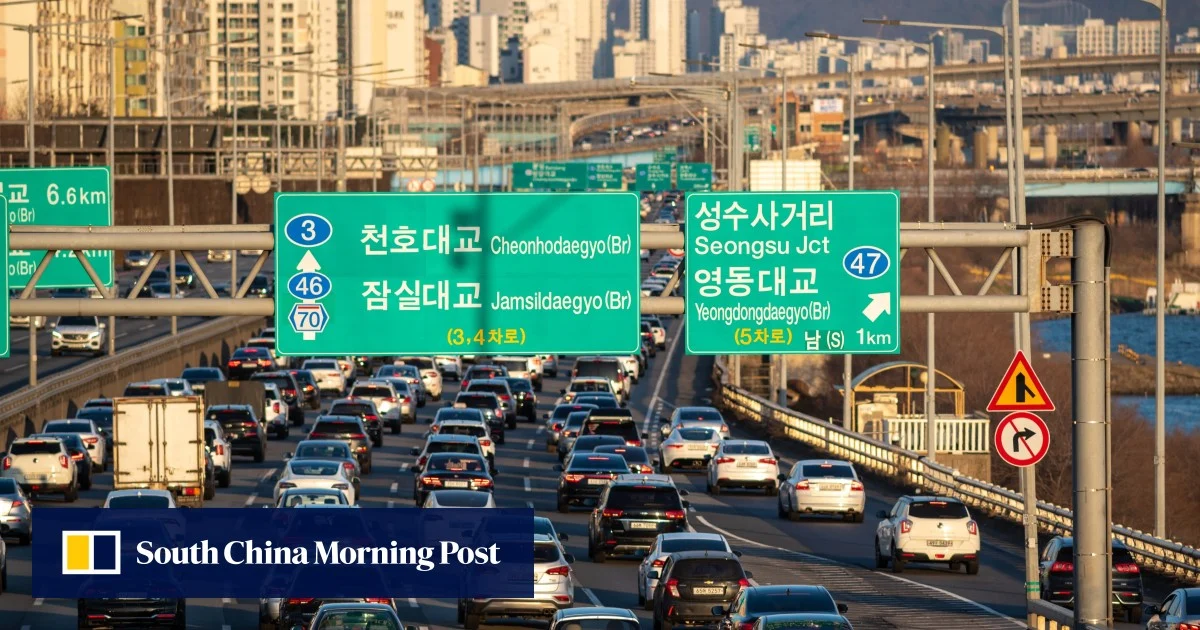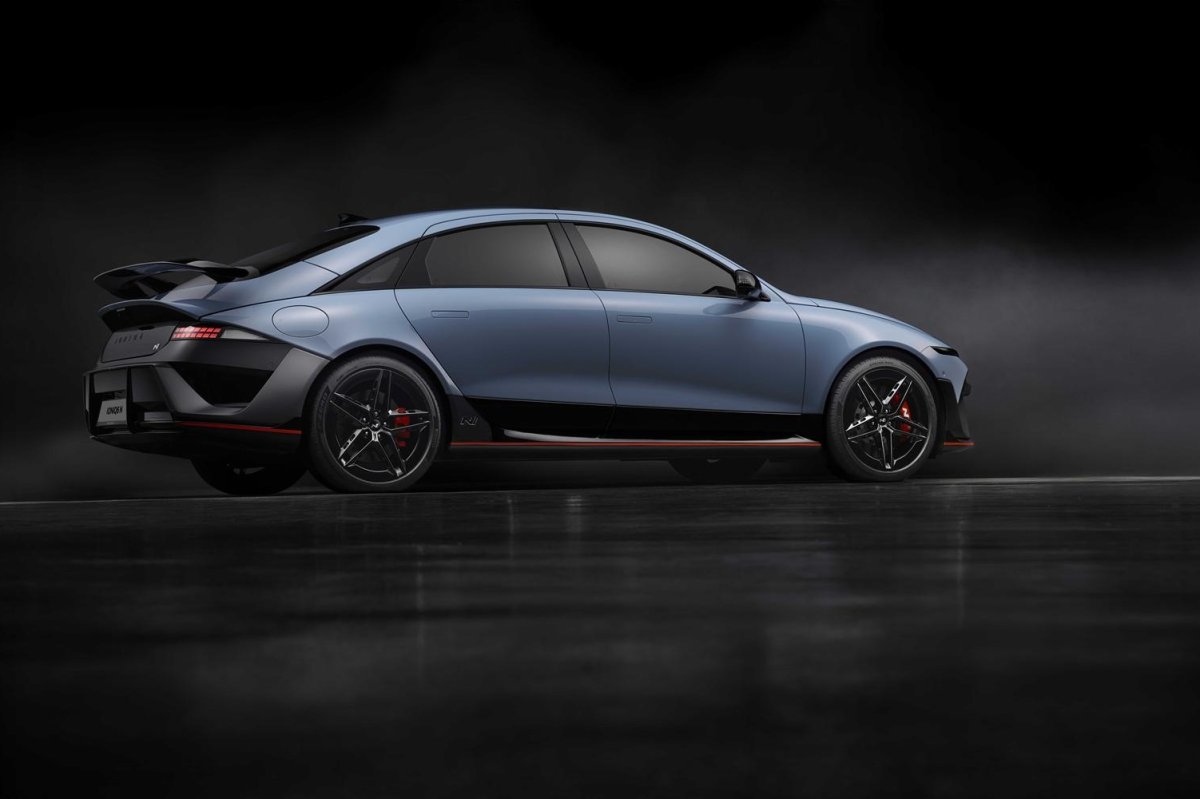
Hyundai Motor Group Executive Chair Chung Euisun (front, center) attends a ceremony marking the completion of renovations at the company’s Gangnam headquarters on Thursday. (Hyundai Motor Group) Hyundai Motor Co. said the prolonged slowdown in electric vehicle demand has ended in Korea following signs of a rebound in the first quarter, as it pushes a more aggressive EV strategy.The automaker stated in its recent quarterly report that the prolonged slowdown in Korea’s EV market effectively ended in the January-March period, as aggressive price cuts by automakers sparked a sharp recovery in EV sales. Overall industry demand rose 5.6 percent from a year earlier, while EV demand surged 150.9 percent.Facing rising competition in the market, Hyundai highlighted its strengthened EV strategy as it expanded its membership program in the same period, covering services from vehicle purchases to maintenance, helping EV sales surpass internal targets. The company also saw strong demand for its flagship EV lineup, including the Hyundai Ioniq 9 SUV, as domestic EV sales surged 59 percent from a year earlier.Hyundai currently sells 10 EV models in Korea, including the Ioniq 5, Ioniq 6, Ioniq 9 and Genesis GV60. Among them, sales of the Ioniq 5 in the domestic market surged 84.8 percent year-on-year to 7,625 units in the January-April period.Hyundai’s remarks on the “end of the EV chasm” appeared to be limited to the domestic market, excluding major global regions such as the US, where record first-quarter sales were primarily driven by hybrids, and Europe, where battery-powered and plug-in hybrid vehicle sales showed notable growth.Industry insiders say Hyundai’s assessment reflects an inflection point in the Korean EV market, long dominated by Hyundai and Kia, as a flood of Chinese brands and lower-priced imported EVs leveraging the Chinese supply chain gains traction with aggressively budget-friendly models.An industry source said, “Before Tesla — which supplies most of its Korean vehicles from its Shanghai Gigafactory — and BYD began aggressively slashing EV prices, Korean consumers had relatively few affordable alternatives, leaving Hyundai and Kia as the most viable choices. But as Tesla and BYD push to expand their presence in Korea, a price war has become increasingly inevitable.”The source added that rising fuel costs due to the ongoing Middle East conflict, combined with a broader range of lower-priced EV offerings, are reshaping consumer sentiment and reviving demand in what had been a sluggish Korean EV market.According to the Korea Automobile Importers & Distributors Association, Tesla’s cumulative sales in Korea jumped 445.2 percent year-on-year to 34,154 units from January to April, surpassing Hyundai’s EV sales of 24,785 units, while trailing Kia’s 48,238 units.Tesla’s Model Y rear-wheel-drive variant alone sold 21,254 units during the period, outselling Kia’s bestselling EV3, which recorded 12,572 units.BYD, which debuted in Korea's passenger vehicle market last year, has also witnessed notable sales expansion. The company sold 5,991 vehicles in the same period, outpacing other foreign brands such as Volvo Cars, Lexus and Audi.
Hyundai says Korea’s ‘EV chasm is over’ amid intensifying price war
Hyundai Motor Co. said the prolonged slowdown in electric vehicle demand has ended in Korea following signs of a rebound in the first quarter, as it pushes a mo
485 words~2 min read