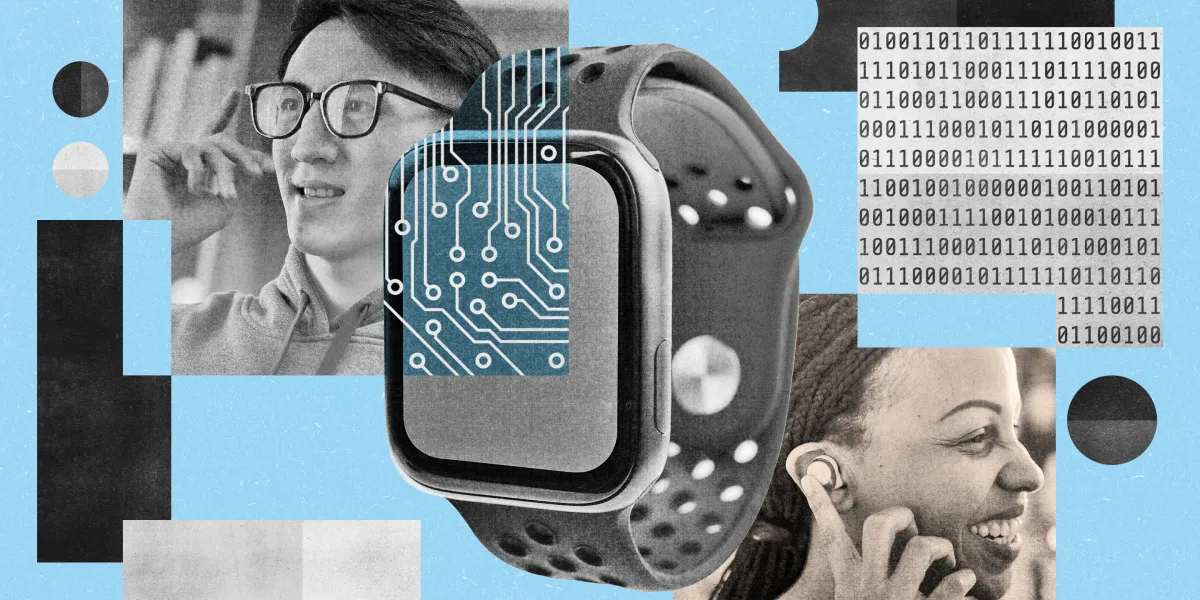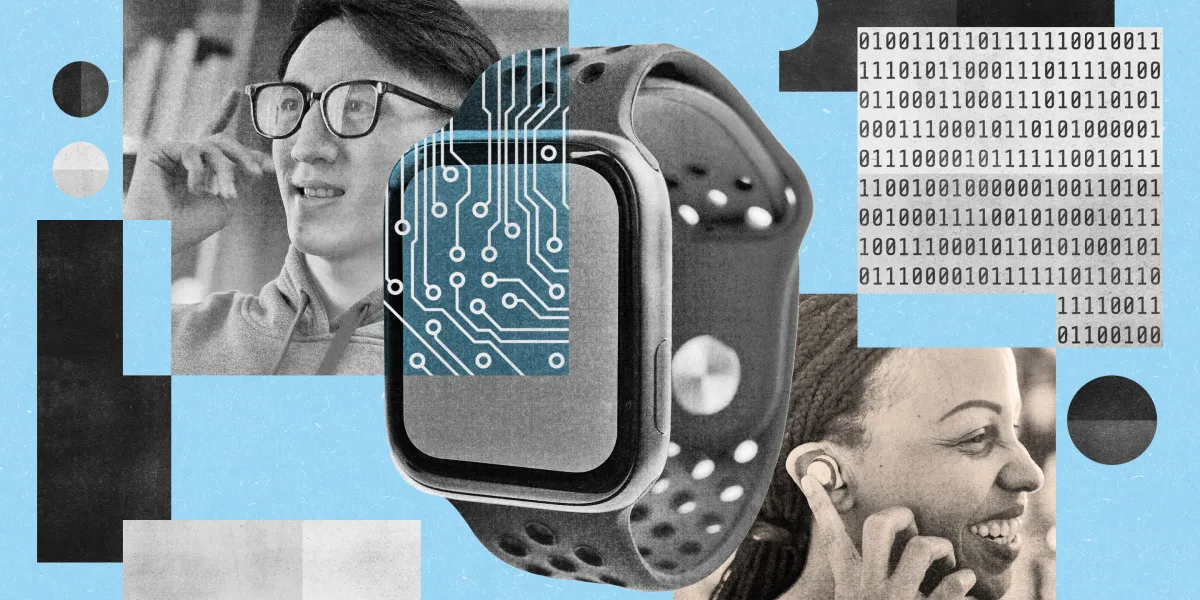
Within the next ten years, our phones will no longer be our primary personal device. That’s pretty universally agreed upon in Silicon Valley among tech executives, including those at Apple, the major winner of the smartphone era.
That’s because computers and phones weren’t made for AI. Our devices were made to be responsive to our prompts, not to anticipate our needs. In the AI era, this will flip, and a consumer device will prevail that can see, hear, and learn in real time—becoming a proactive, hyper-personalized guide through life. This will be made possible by AI agents, which will increasingly be able to learn, sense, and react to a constant stream of real-time data, and by the shift to next-generation 6G wireless networks.
The gadgets best suited for this new reality are still in the evolutionary phase, with the various tech industry titans all seeking to advance their vision. Google and Meta are developing smart glasses with cameras that can listen and observe. OpenAI has acquired legendary iPhone designer Jony Ive’s hardware startup, io, for $6.5 billion to develop a family of AI-powered consumer devices.
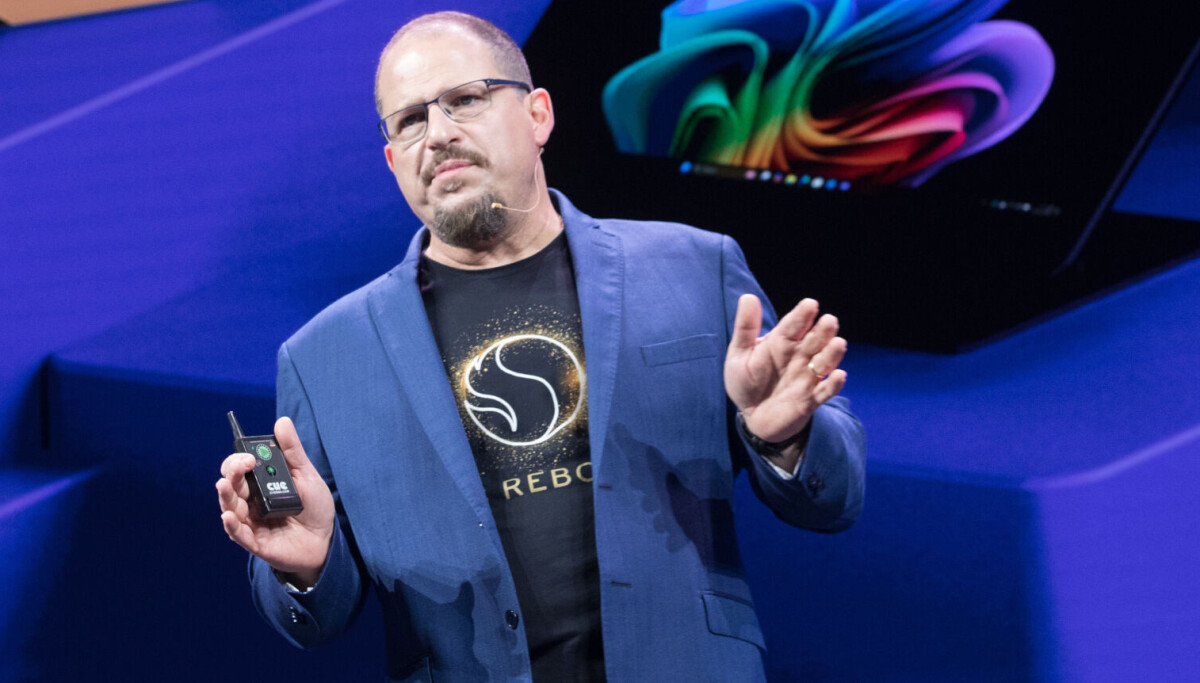
The person with perhaps the best insight into what will replace our handheld obsession is Cristiano Amon, CEO of Qualcomm.