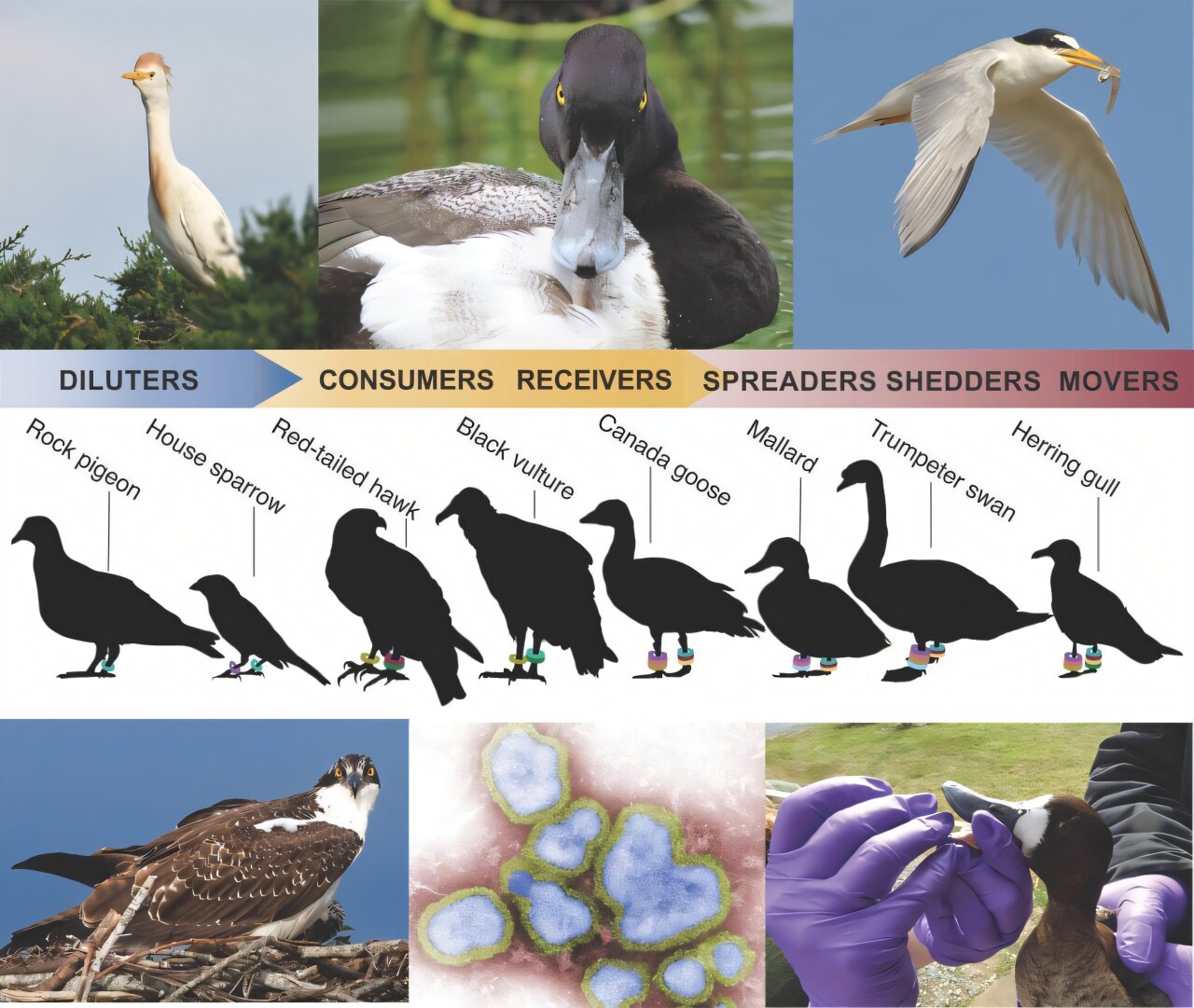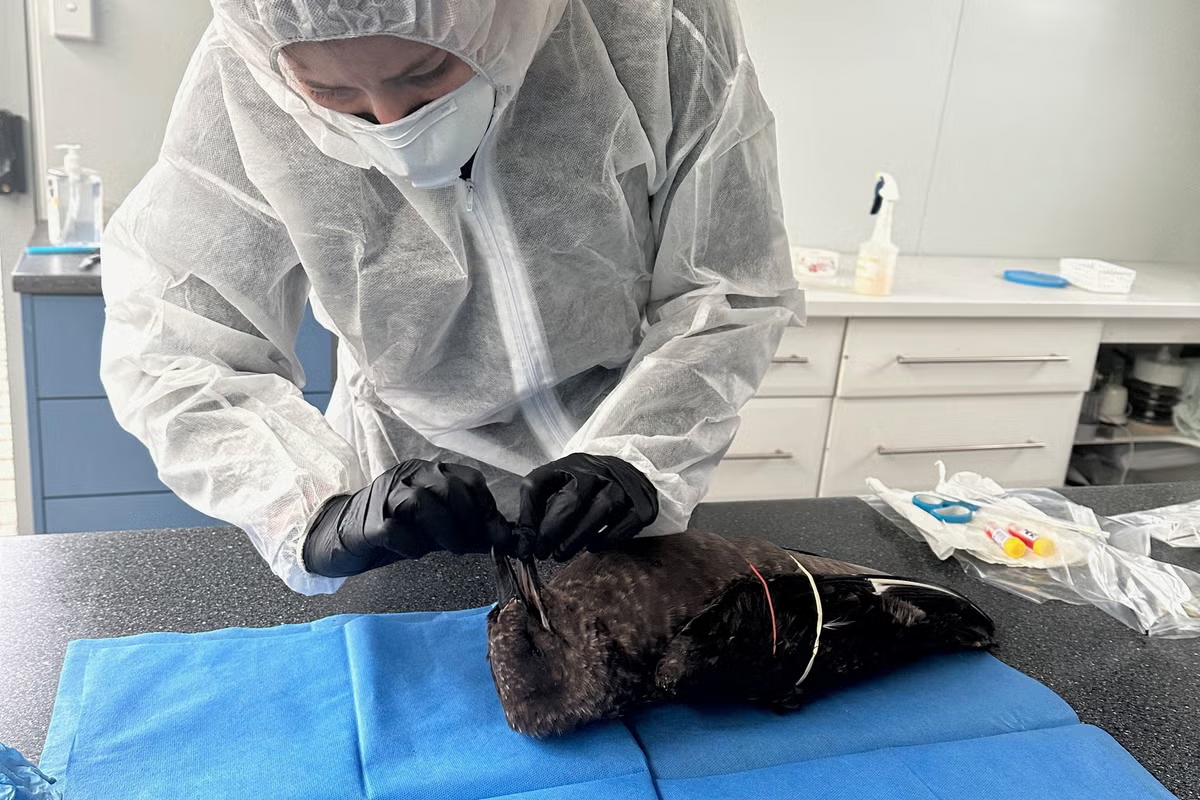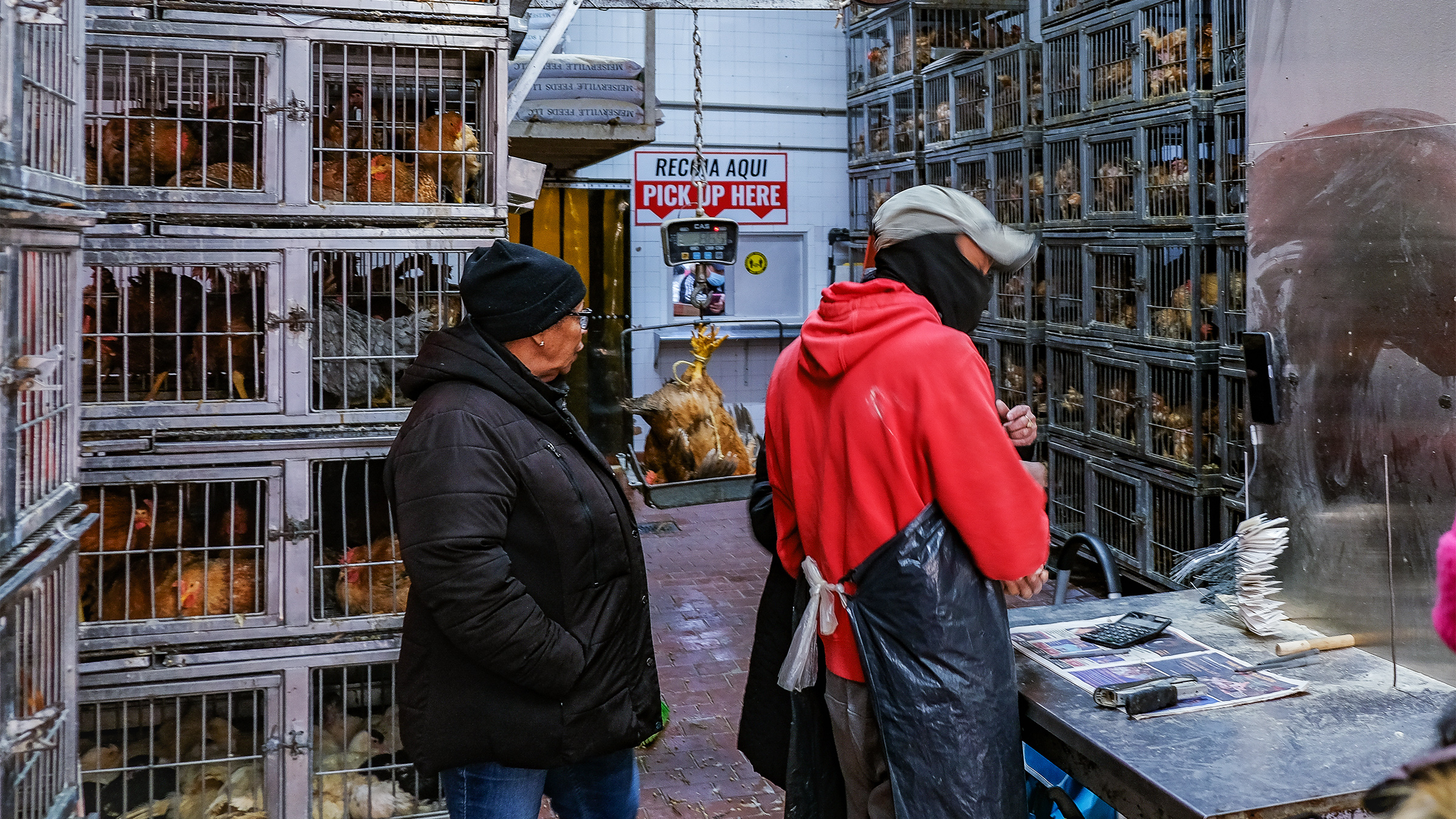
The H5N1 strain of highly pathogenic avian influenza has spread across the globe, infecting hundreds of birds and mammal species. Few places offer a clearer view of the virus’s spread in urban wildlife than New York state, where the Atlantic Flyway and a layered surveillance system have made the virus easier to track.Scientists and local wildlife rehabilitators in New York City have reported a sharp uptick in suspected avian influenza cases this past winter. The current H5N1 strain is unusual not only for its significant impact on migratory birds, but for its ability to jump to a growing number of mammal species.H5N1 continues to surface in live animal and poultry markets across New York City, after more than a decade of recurring avian influenza outbreaks. Experts say the crowded, mixed-species conditions in these markets can amplify viral spread and create new opportunities for spillover to other species, potentially including humans.If H5N1 can move this readily across species in a city as heavily surveilled and globally connected as New York, experts warn that the risks may be even greater in other urban centers with more migratory wildlife, large live animal markets and weaker surveillance.
Avian bird flu surges in New York urban wildlife, increasing disease concerns
NEW YORK — Catherine Quayle has been caring for sick and injured wild animals in New York City for the past 12 years, first as a volunteer at the Wild Bird Fund, the city’s only wildlife rehabilitation center, and now as that NGO’s communications director and a licensed rehabber. Despite all her experience, she is […]
2,319 words~11 min read