“Some history professors try to stop their students using artificial intelligence for their projects – I require my students to use two or three different AI models, and show how they’ve used AI every step of the way.”
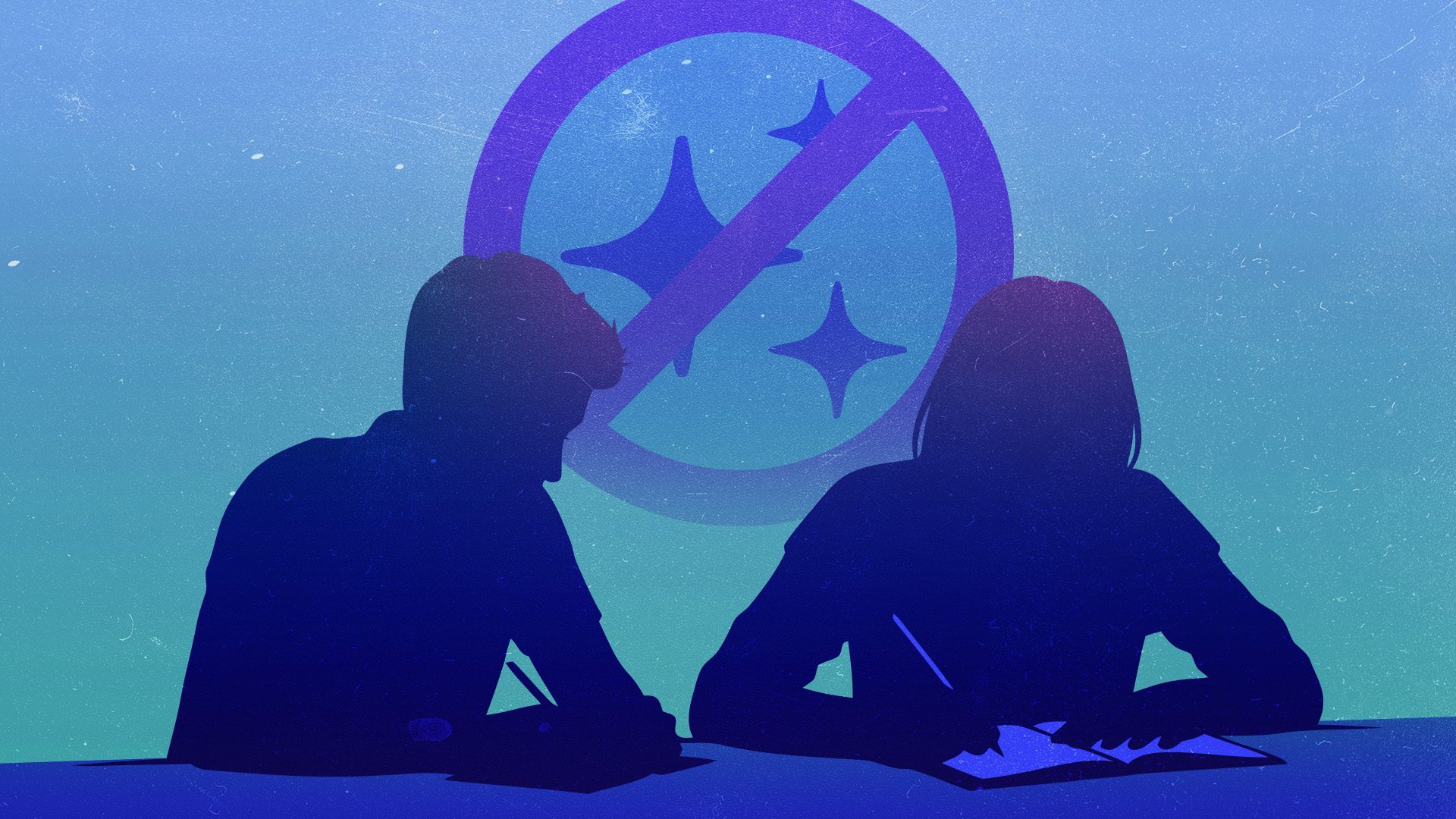
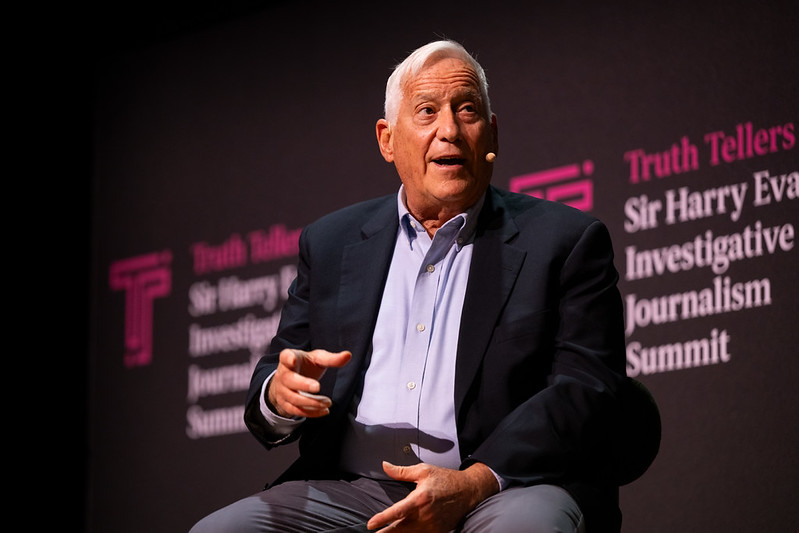
For Walter Isaacson, one of America’s most celebrated historians and biographers known for his acclaimed profiles of Apple co-founder Steve Jobs and Tesla tycoon Elon Musk, attempting to block the use of the now-ubiquitous technology is not just futile but a wasted opportunity to educate students.
“All technology tools are a wonderful arrow in the quiver of the historian – and the professor teaching history,” explained Isaacson, who has moved effortlessly from a stellar journalistic career (editor of Time magazine, chairman and CEO of CNN) into writing award-winning biographies and history books, and is now professor of history at Tulane University in his home town of New Orleans.
Many historians and educators would disagree, despairing at the bland and formulaic chatbot-written or influenced prose that is frequently submitted by students. For many sceptical of AI’s merits, digging into archives, teasing out pivotal details from hours of interviews or exploring inconsistencies in records should be the key skills taught to would-be historians.