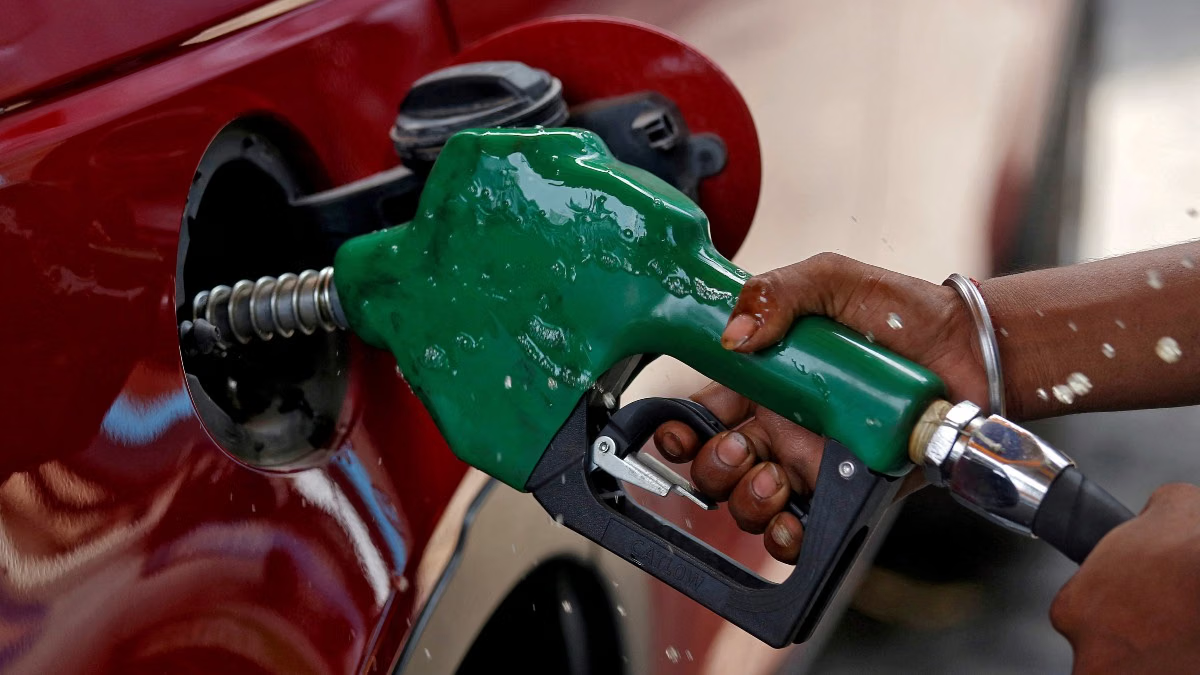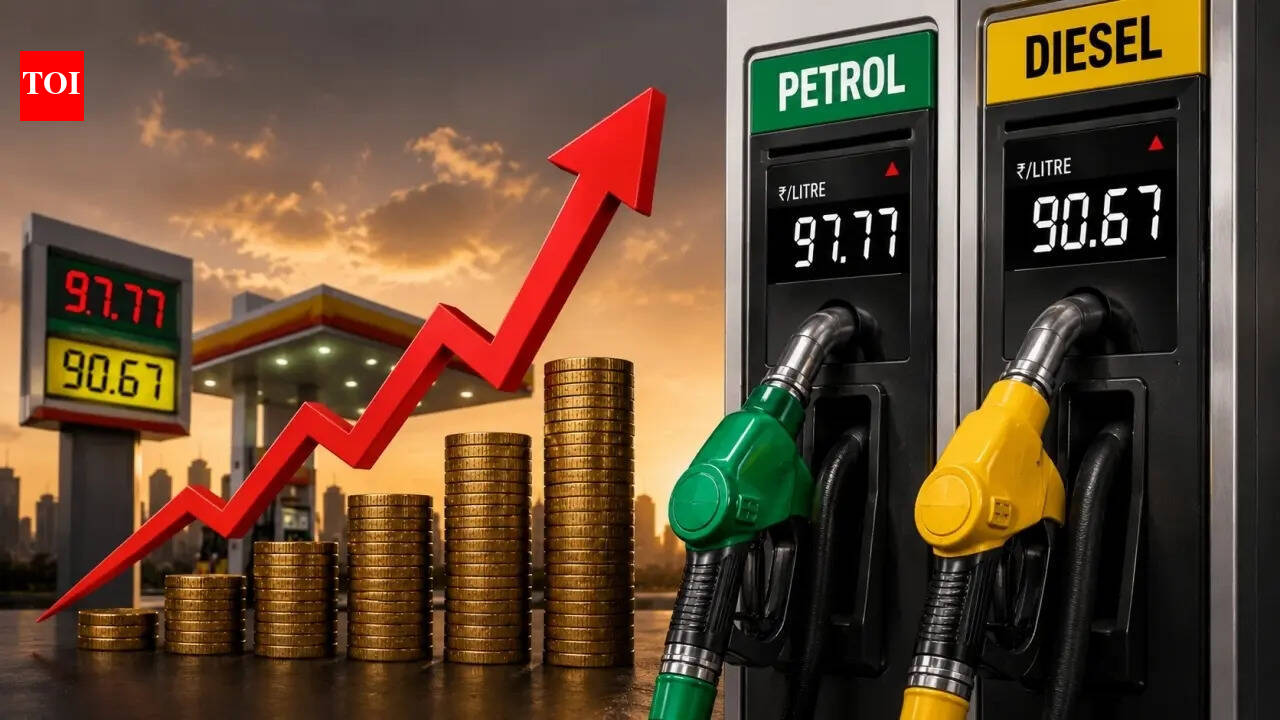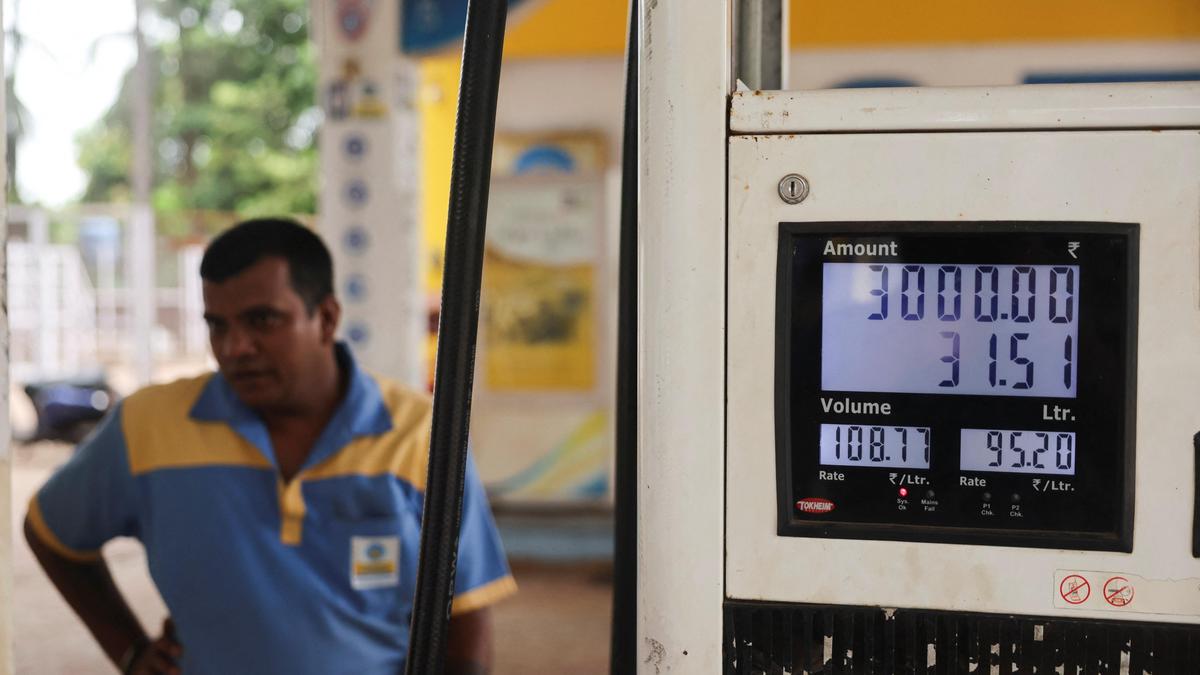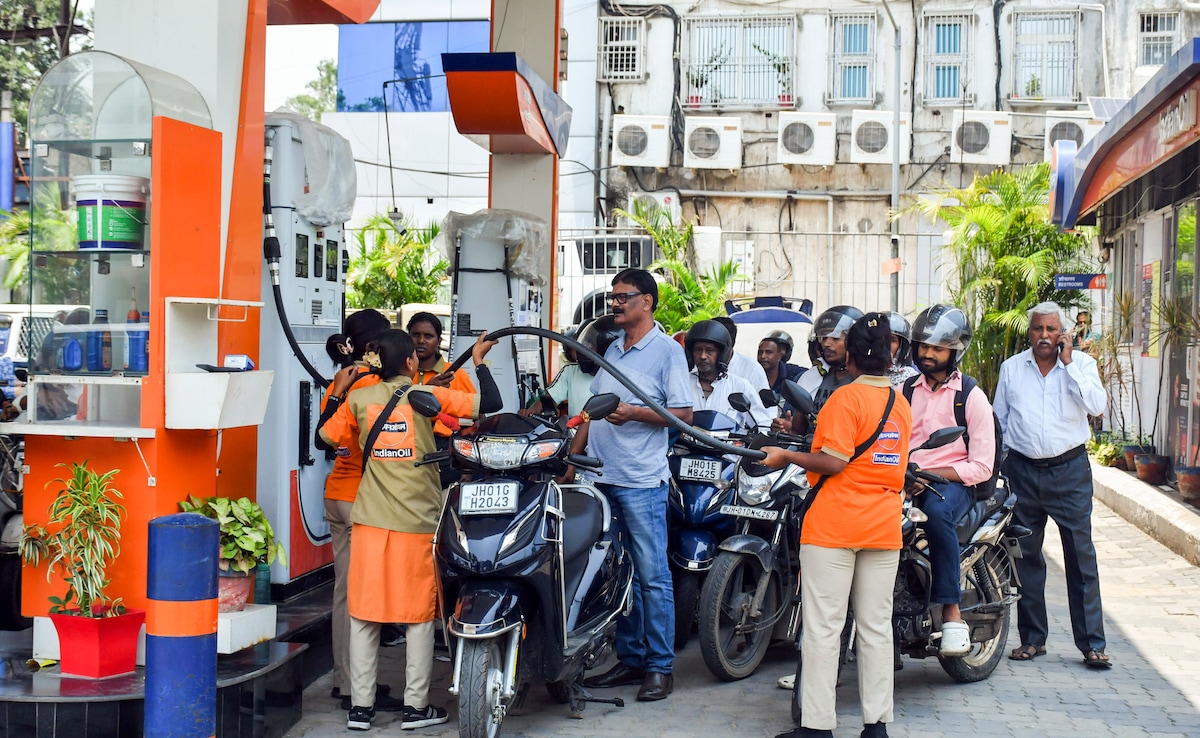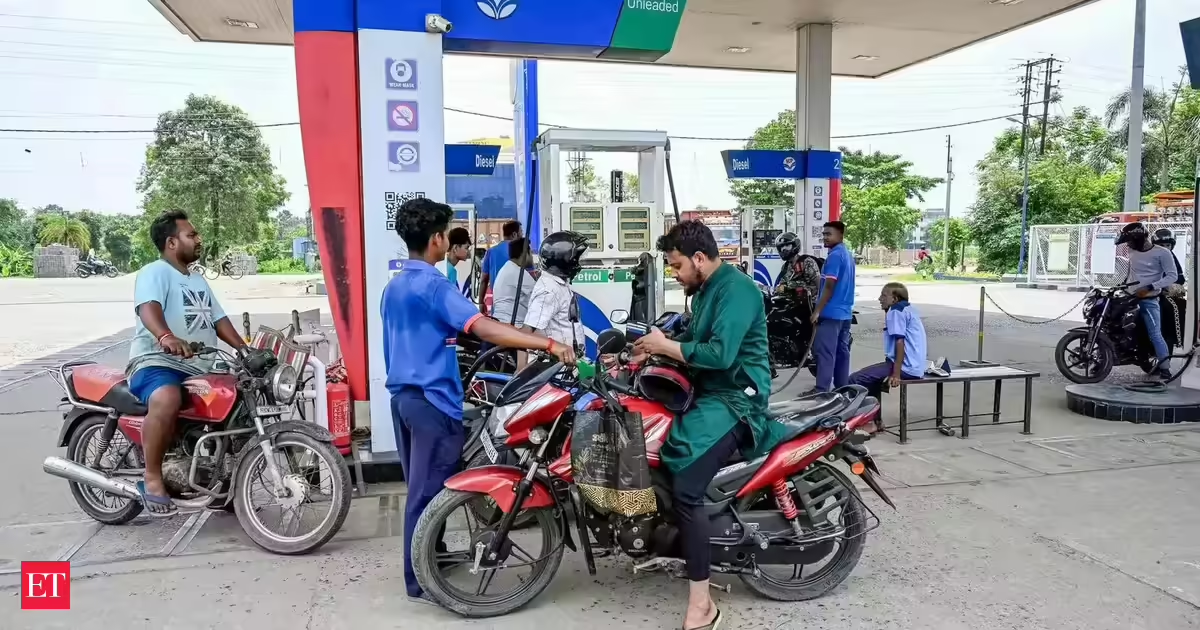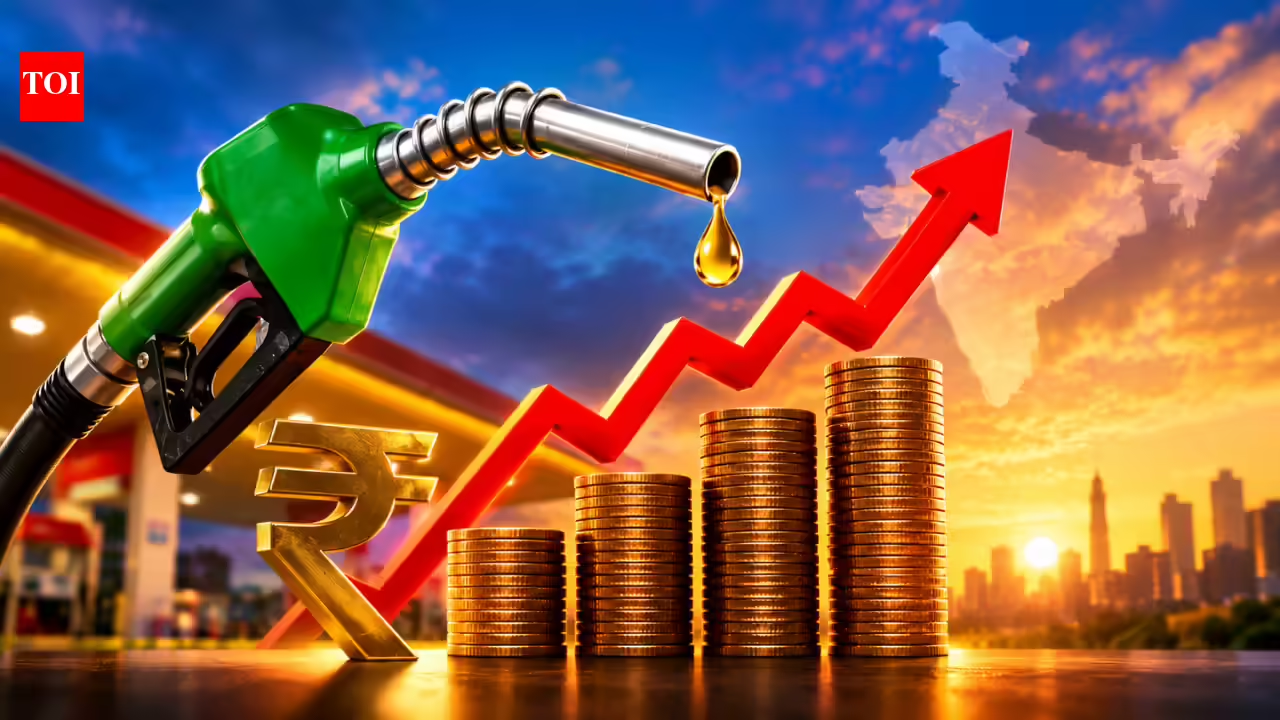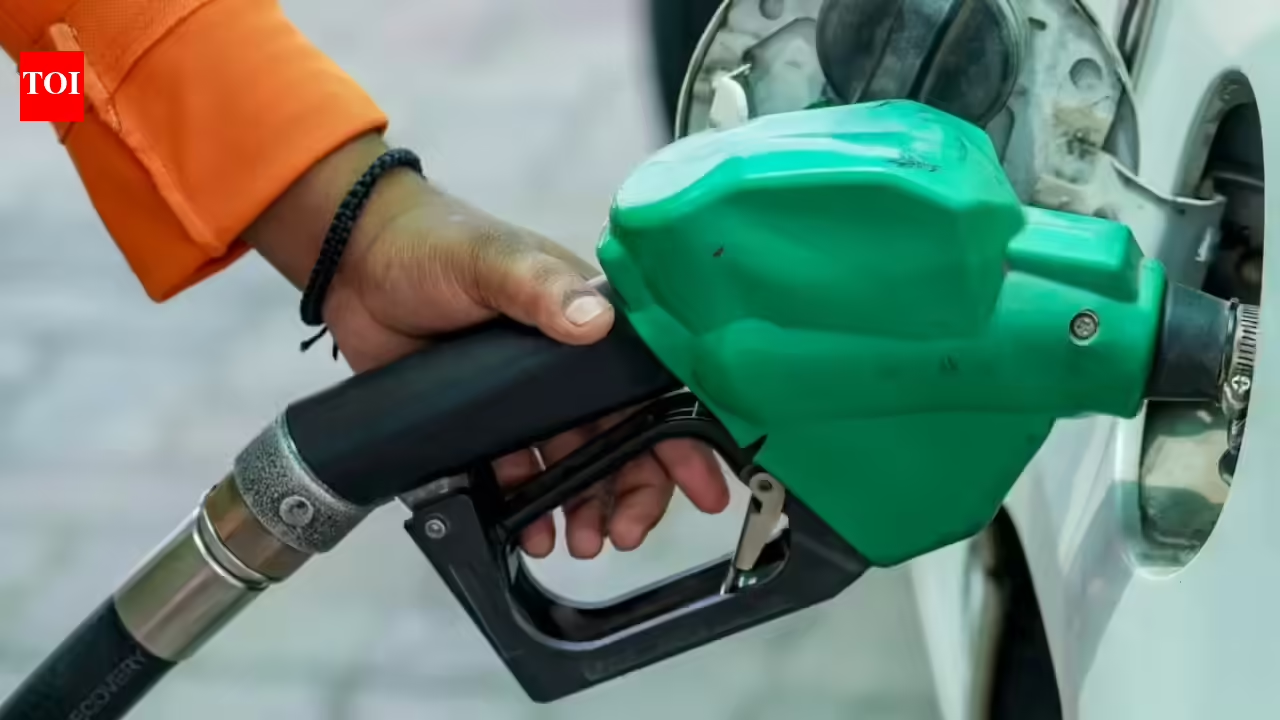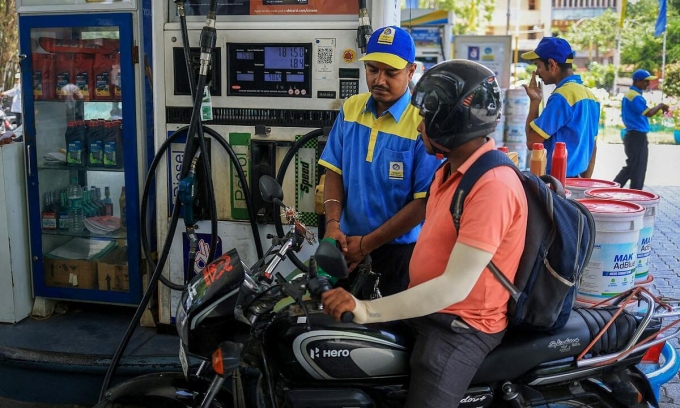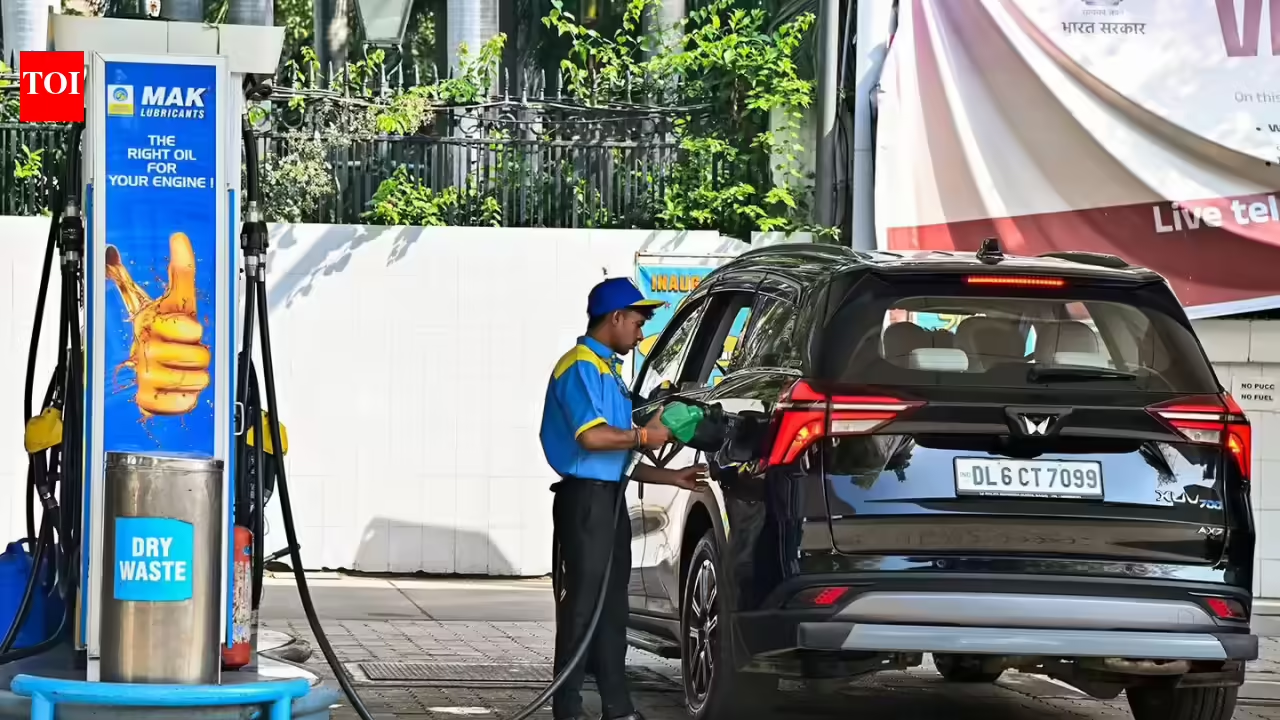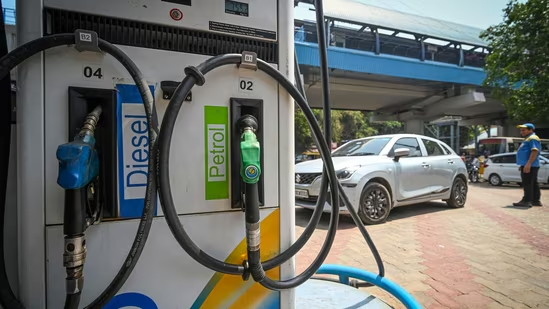
Petrol and diesel prices across India shot up significantly last week, when the central government raised the price by ₹3 per litre. This came as a major price hike for the motor fuels after a long time. According to the government, the price hike was necessitated by the rising crude oil price in the international market. owing to the conflict in the Middle East. This price hike has left many motorists worried about their fuel bills.Petrol prices in India have surged by ₹3 per litre on May 15, which has left many motorists worried about their fuel bill. (Hindustan Times)Cutting the fuel bill comes down to improving vehicle efficiency and tweaking driving habits. The most effective strategies include maintaining proper tyre air pressure, accelerating smoothly while driving, reducing engine idling, lightening the vehicle's load, and combining errands into a single trip to minimise fuel consumption.If you are wondering how to keep your fuel bill in check, here are the top five tips to help you save more fuel and keep the costs down.Drive smoothly and steadilyAggressive driving, including rapid acceleration and hard braking, can reduce a car's fuel economy by up to 33% on the highways and 5% in the city. Avoid jackrabbit starts and sudden acceleration. Be gentle with the accelerator and brakes. Accelerate and apply the brake gradually. Use cruise control on the highway to maintain a constant, optimal speed. Also, while driving in the city's congested roads, anticipate the traffic ahead so you can coast to slow down rather than applying the brakes suddenly.Maintain correct tyre air pressureMaintaining correct tyre air pressure is a key step to ensure optimum fuel economy. Underinflated tyres create more rolling resistance, which means the engine has to work significantly harder to move the vehicle. This eventually wastes fuel. Check the tyre air pressure once a week. Always inflate your tyres to the OEM's recommended PSI, which is typically visible on the sticker located inside the driver's side door frame. Filling the tyres with nitrogen is a good idea as it lasts longer than regular air.Minimise engine idlingLetting the car idle wastes fuel and releases unnecessary emissions into the environment. If you are waiting for longer in a traffic jam or at a red signal, turn off the engine. Many modern cars come with automatic start-stop technology that handles this for the driver, which eventually saves fuel. However, in the older models, unavailable with the automatic start-stop technology, manually turning the key to kill the engine is highly effective in the aforementioned situation.Reduce unnecessary weightLightening the load on the car can improve the fuel economy in the long run. Every extra 45 kg the car carries reduces its fuel economy by roughly 1-2%. Hence, remove unnecessary items from the trunk and backseat. Remove exterior roof racks or cargo carriers if you aren't using them, as they create aerodynamic drag and put extra weight on the car, resulting in the car's engine burning more fuel. Also, avoid installing unnecessary accessories on the car.Combine the errandsMultiple cold starts cause the engine to run less efficiently than when it is fully warmed up. Hence, instead of making multiple short trips, consolidate your tasks into one planned route. This allows you to complete all the errands in a single loop, saving both time and fuel. Also, using public transport like a bus or metro whenever possible can help you save fuel as well.
Hit by the latest petrol price hike? These 5 tips can seriously cut your fuel bill
If you are wondering how to keep your fuel bill in check, here are the top five tips to help you save more fuel and keep the costs down.
567 words~3 min read