China kicked off 2026 with a headline number that looked like a victory lap. Q1 GDP hit RMB 33.42 trillion, roughly $4.9 trillion, marking a 5% year-on-year increase. But April’s data is telling a different story, one where the cracks beneath that polished surface are getting harder to ignore.
The numbers behind the slowdown
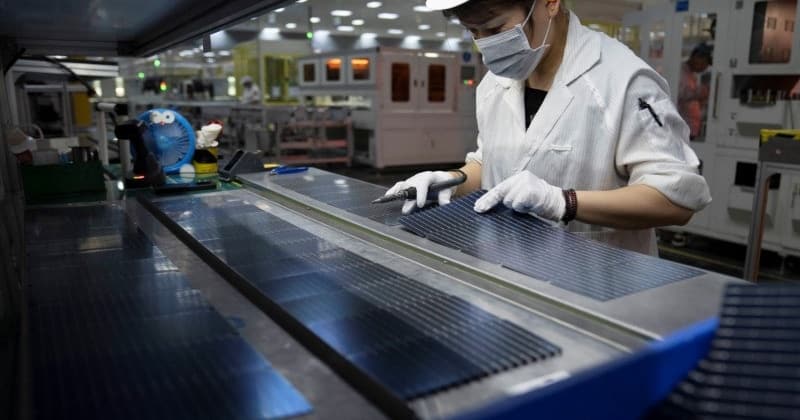
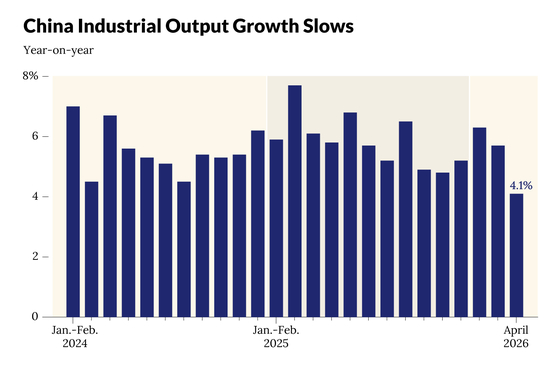
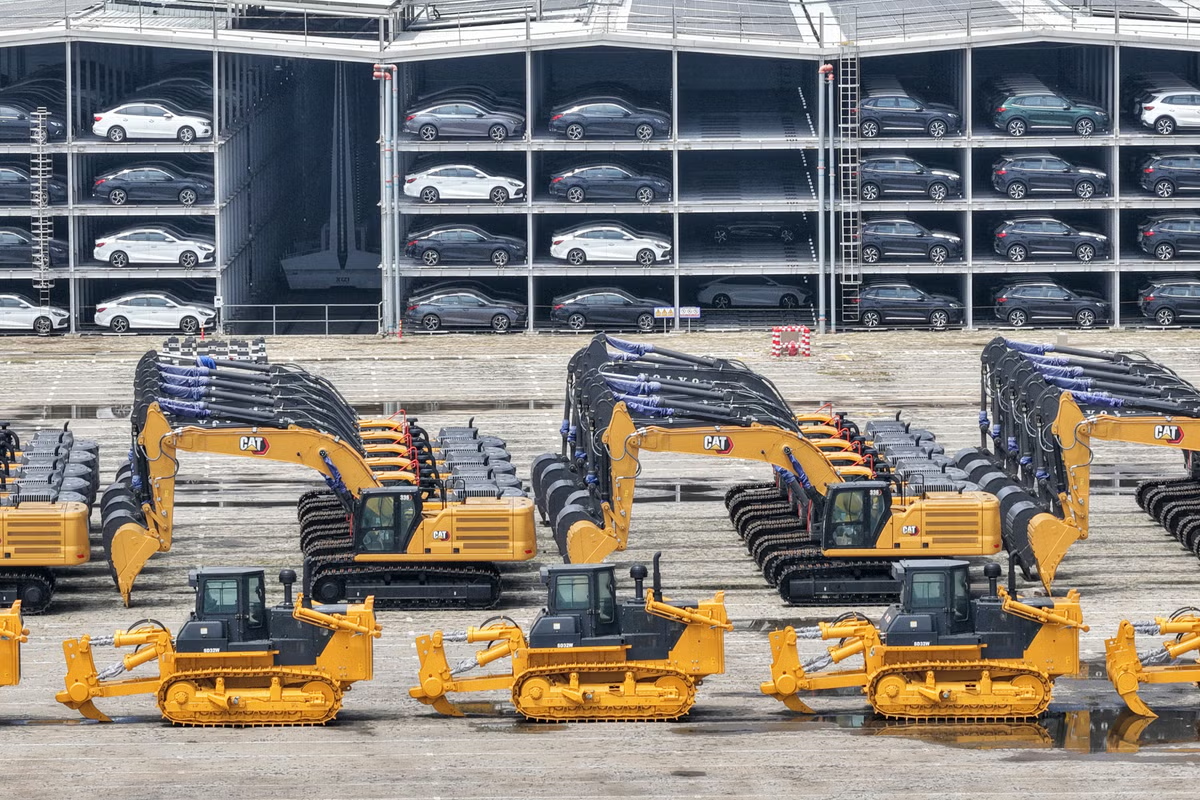
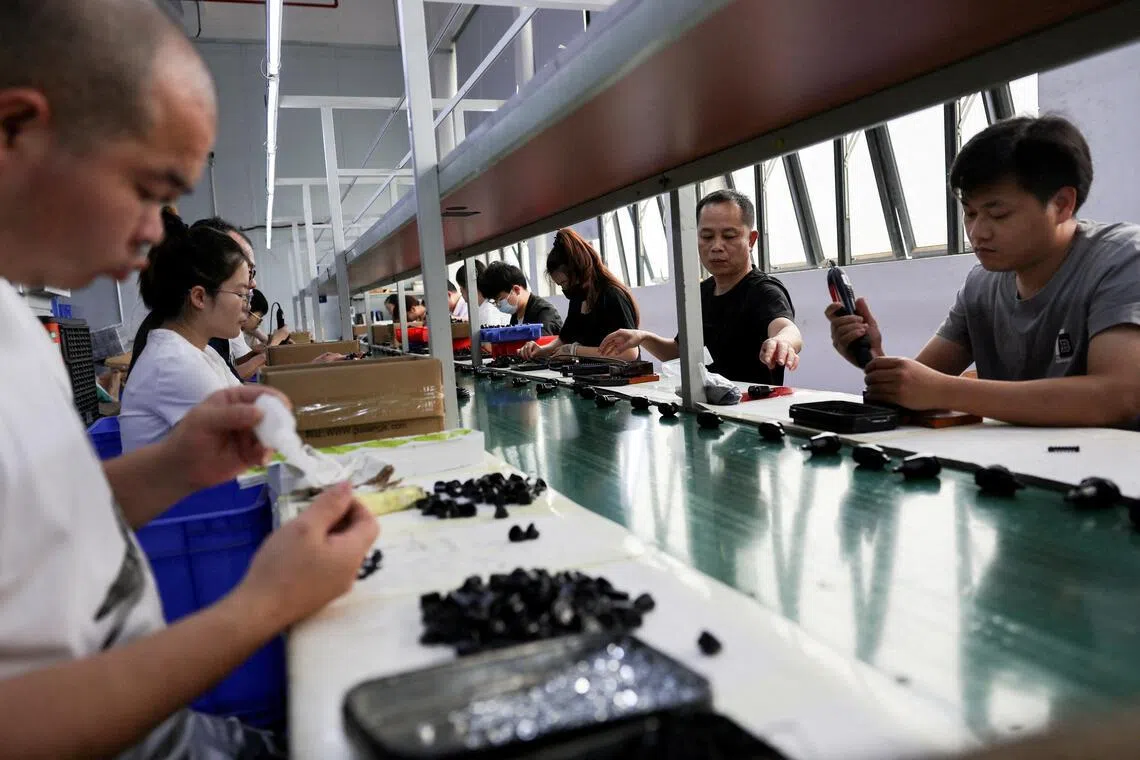
Industrial output expanded 6.1% year-on-year in Q1, a respectable figure on its own. High-tech manufacturing was the star performer, surging 12.5% over the same period. Think AI chips, electric vehicles, and solar modules, the sectors where China has been pouring resources and ambition for years.
High-frequency indicators for April suggest retail sales are declining, which means the average Chinese consumer isn’t spending with the same enthusiasm that factory floors are producing.
The property sector remains the most visible wound. Real-estate investment dropped 11.2% year-on-year in Q1 2026. For an economy where property has historically accounted for a massive chunk of household wealth and local government revenue, that kind of contraction isn’t just a line on a chart. It’s a structural drag that touches everything from consumer confidence to bank balance sheets.