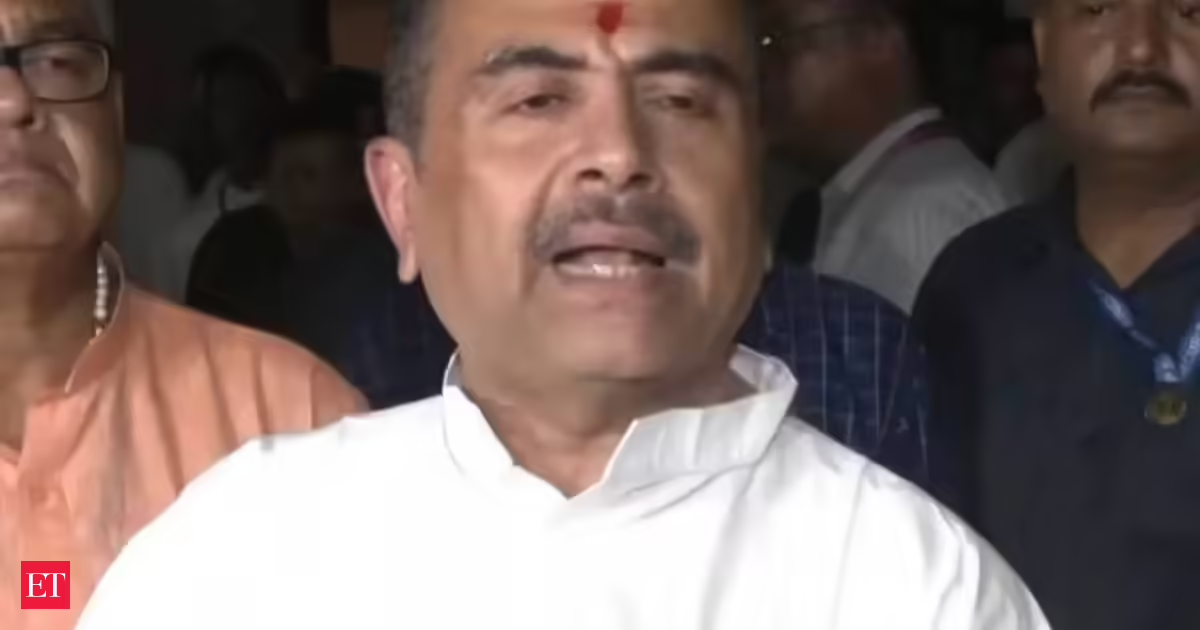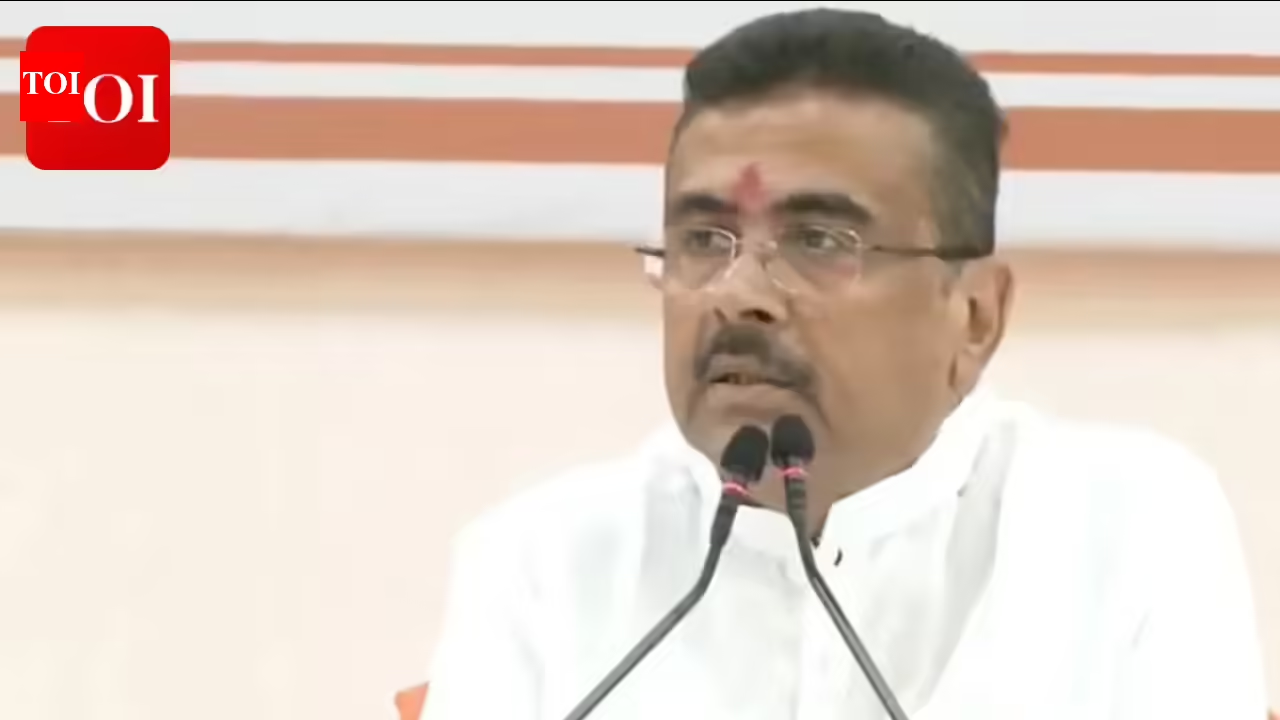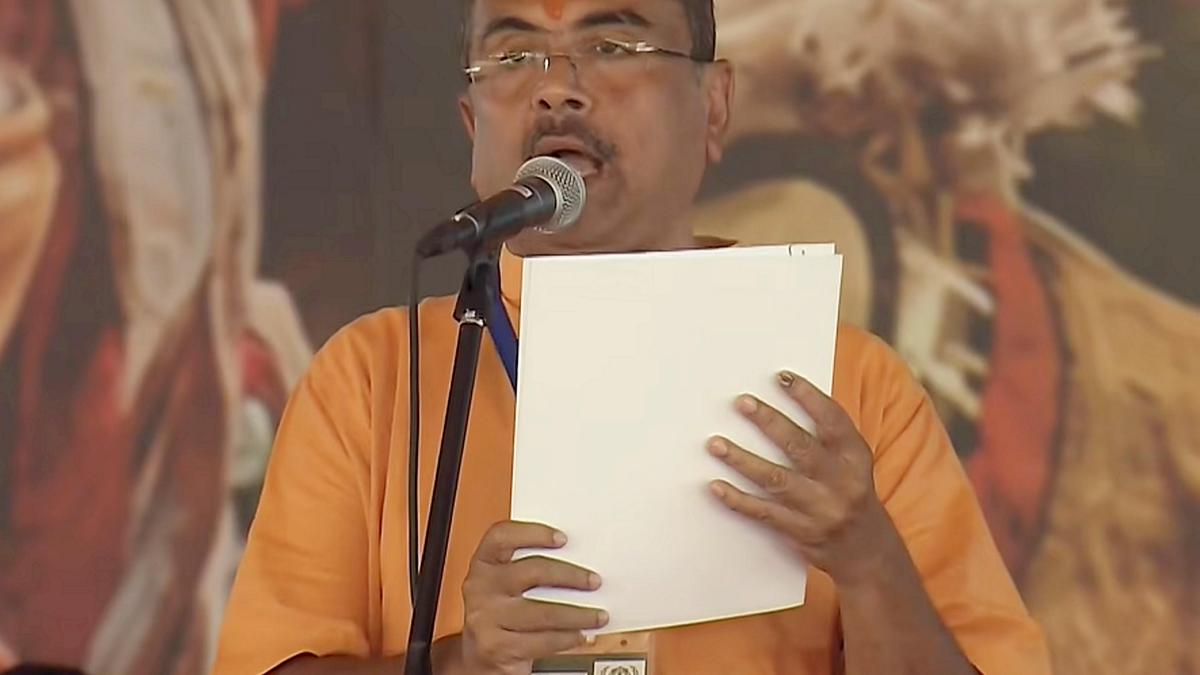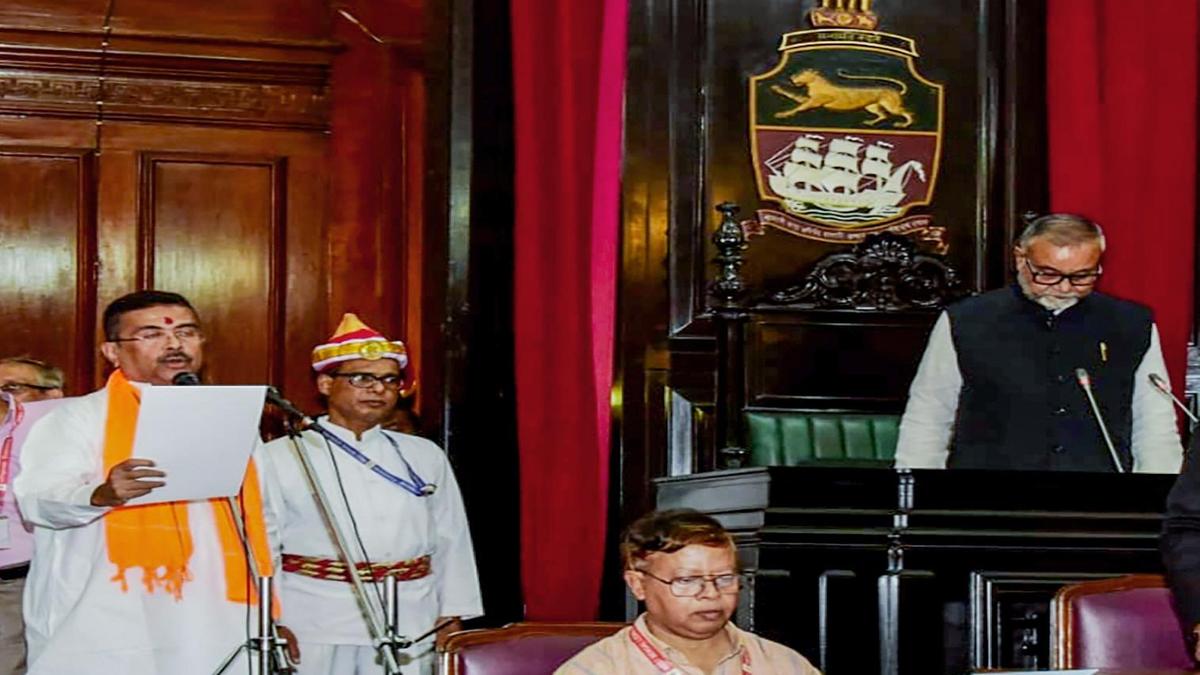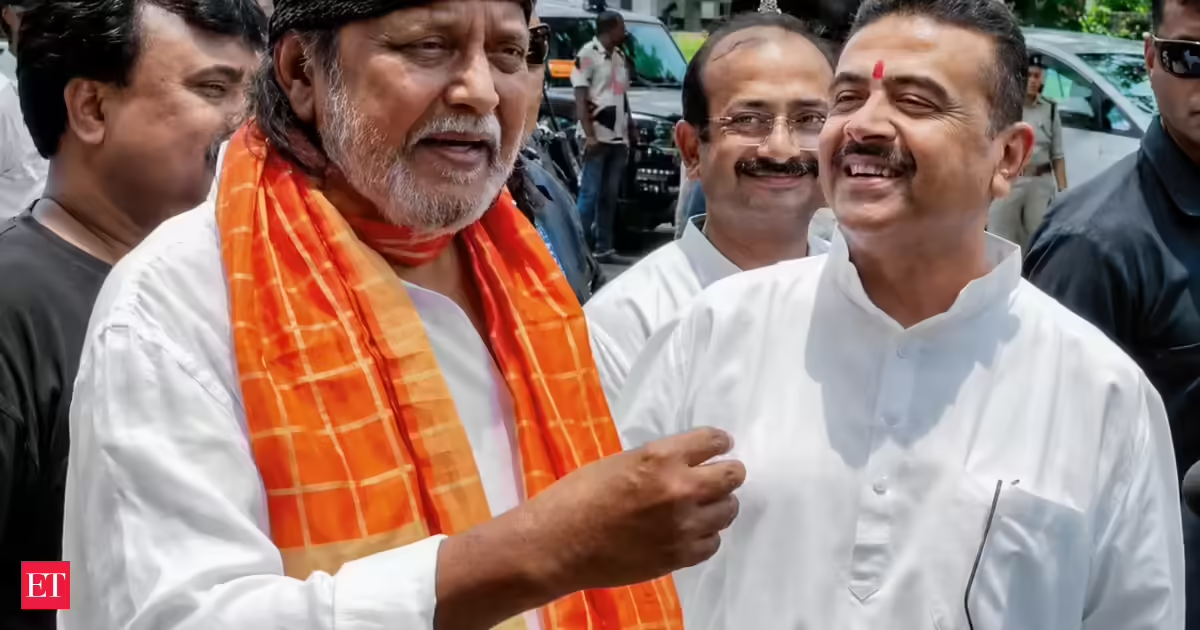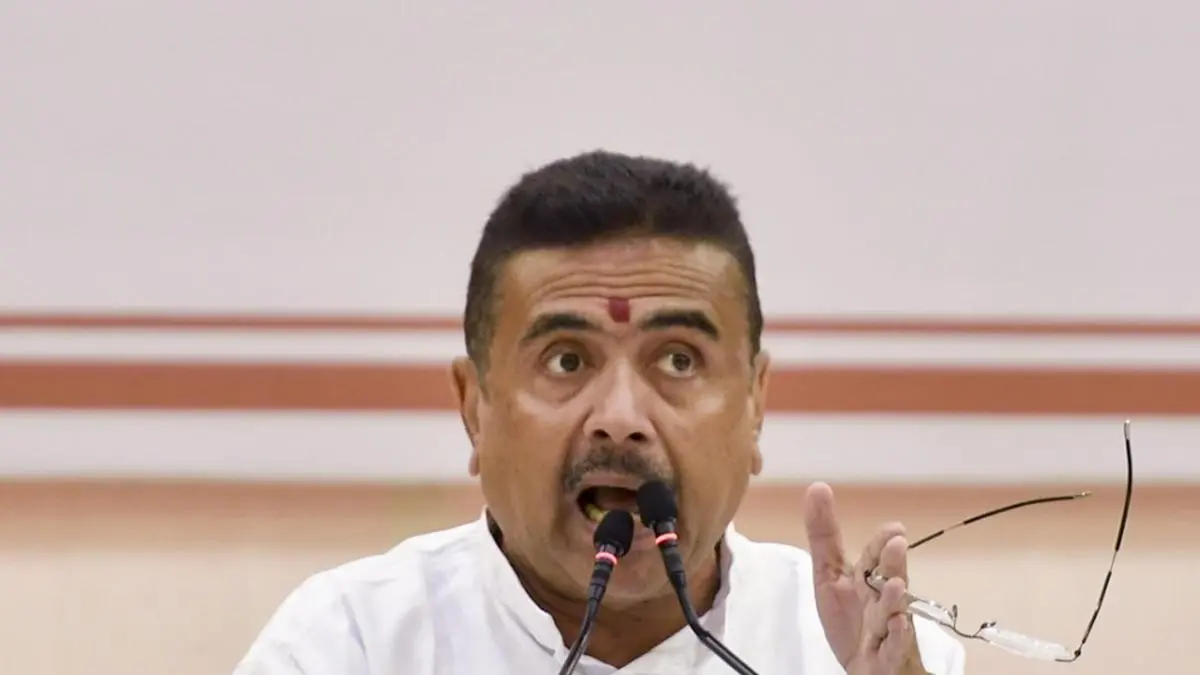
Challenges and opportunities: West Bengal Chief Minister Suvendu Adhikari
| Photo Credit:
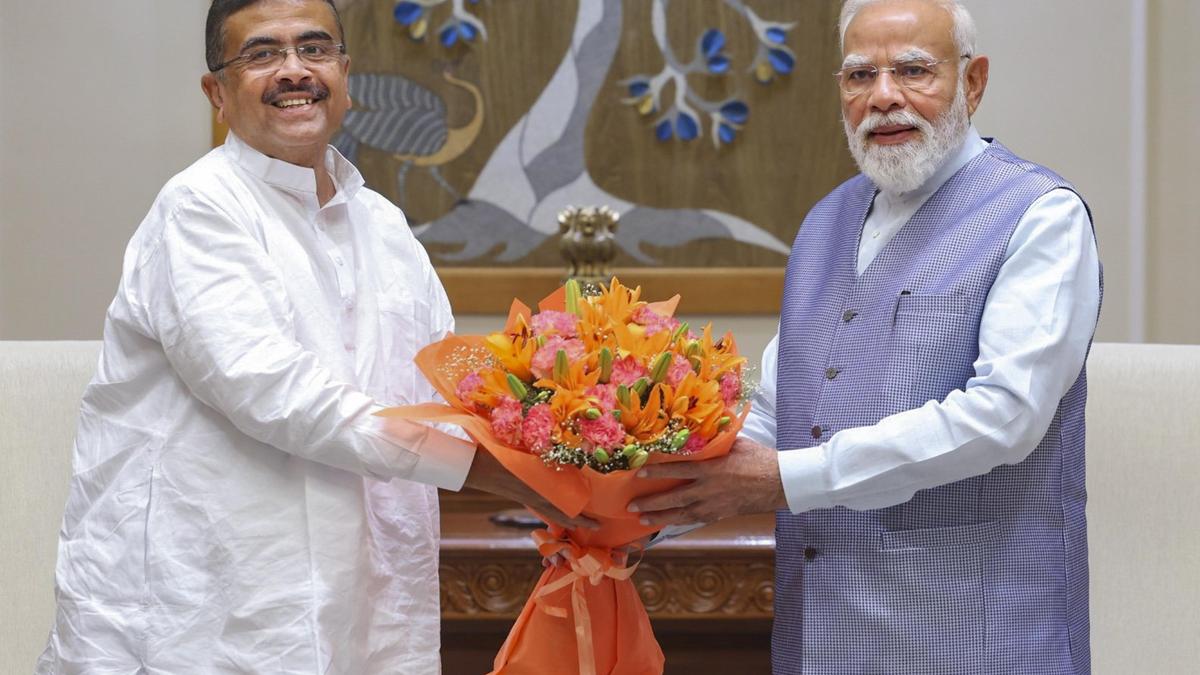
The debut week of the new government in West Bengal has offered a glimpse into both the possibilities and the anxieties in the State’s political transition. The new Chief Minister, Suvendu Adhikari, has secured the kind of cooperation from the Union government that remained elusive through much of the Mamata Banerjee era, underlining how political alignment now shapes the functioning of Indian federalism. The decision to induct two top election officers into the government has raised uncomfortable questions about institutional distance and neutrality. The early signals, therefore, are layered; they suggest an administration eager to unlock long-stalled channels of decision-making, even as it risks reinforcing the perception that India’s institutions are steadily being drawn into partisan ecosystems.The new government inherits a legacy of colossal systemic challenges. The State has lived through a prolonged arc of deindustrialisation stretching back to the late 1960s and 1970s, a decline shaped by militant trade unionism, capital flight, infrastructure stagnation and administrative drift. Bengal’s weakened industrial base, low capital formation and severe fiscal stress are prime concerns. The debt burden (38 per cent of State GDP, against 29.2 per cent all-India) is so high that governance risks becoming a mere holding operation, rather than one with a development thrust. Yet, Bengal retains immense latent advantages. Few States possess its geographical advantage, intellectual capital, port access and educational legacy. The State sits at the gateway to eastern India and the Bay of Bengal, adjacent to Bangladesh and proximate to Nepal, Bhutan, the Northeast and South East Asia. This unique geography can be turned into strategic and economic advantage.The challenge is not merely economic. Bengal is a politically sensitive border state carrying layered histories of migration, communal memory and ideological contestation. Maintaining social cohesion and law and order requires political restraint as much as administrative firmness. The new Chief Minister’s unfortunate averments, on the day he received his MLA certificate, that a BJP government would “work only for Hindus” sit uneasily with the obligations of Constitutional office.Equally troubling is the attempt to exclude deleted disputed voters, more than a third of whom were Muslims, from welfare schemes as the statement by Social Welfare Minister Agnimitra Paul seems to suggest. Paul has declared that women, whose names were deleted during the Special Intensive Revision of electoral rolls, will be excluded from the new Annapurna Bhandar scheme. The true test of the new administration will lie not in sharpening social binaries but in demonstrating that it can transcend them. Bengal has seen ideological churn before. The new government will be judged by whether it can restore institutional credibility, revive productive investment, stabilise public finances and preserve Bengal’s social equilibrium.Published on May 18, 2026