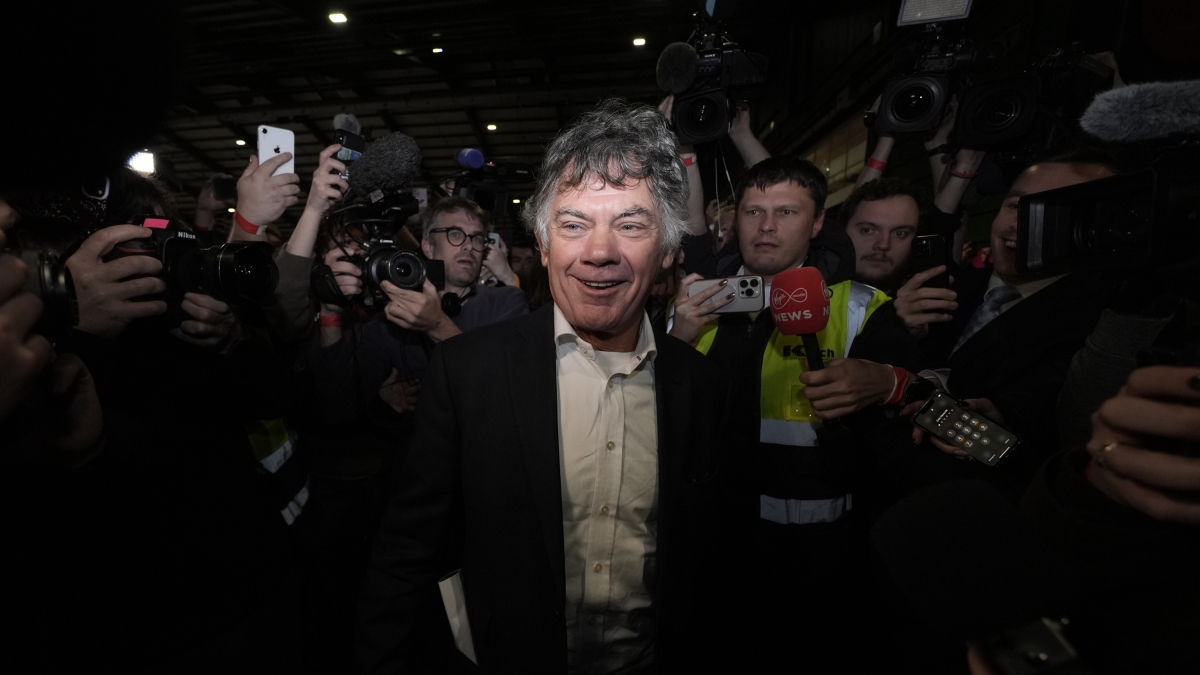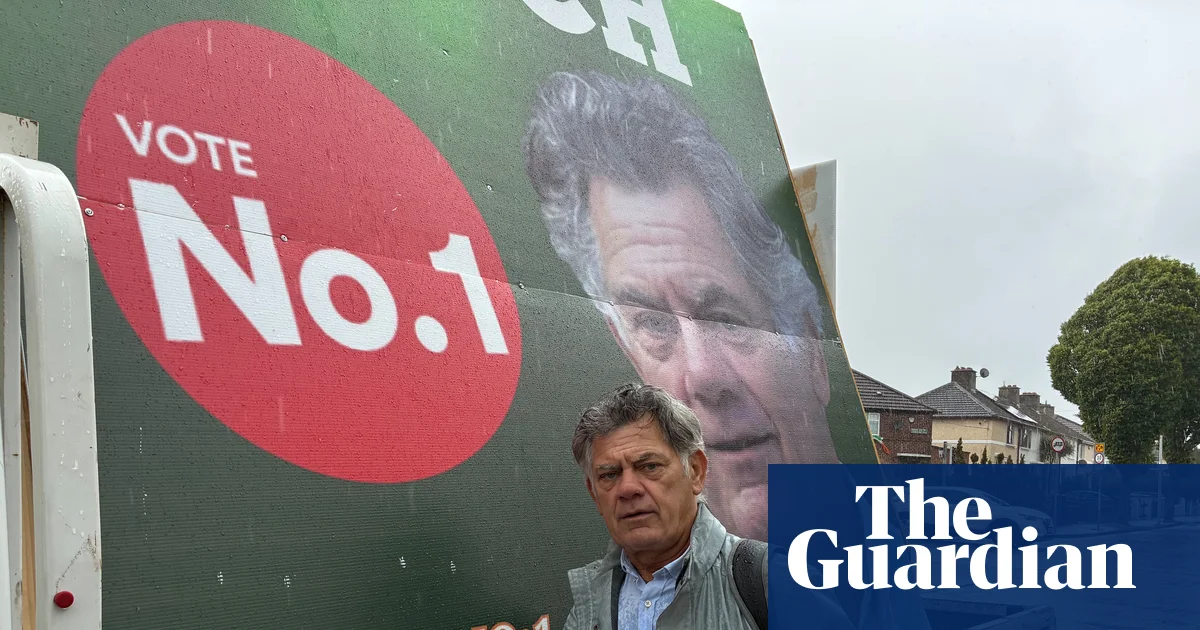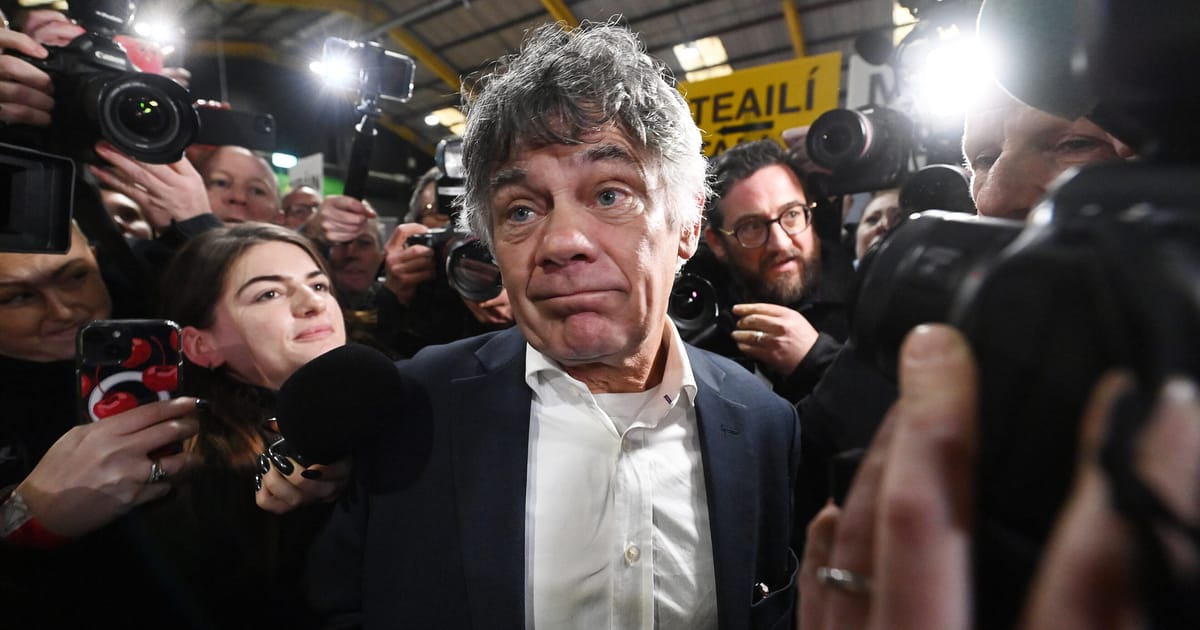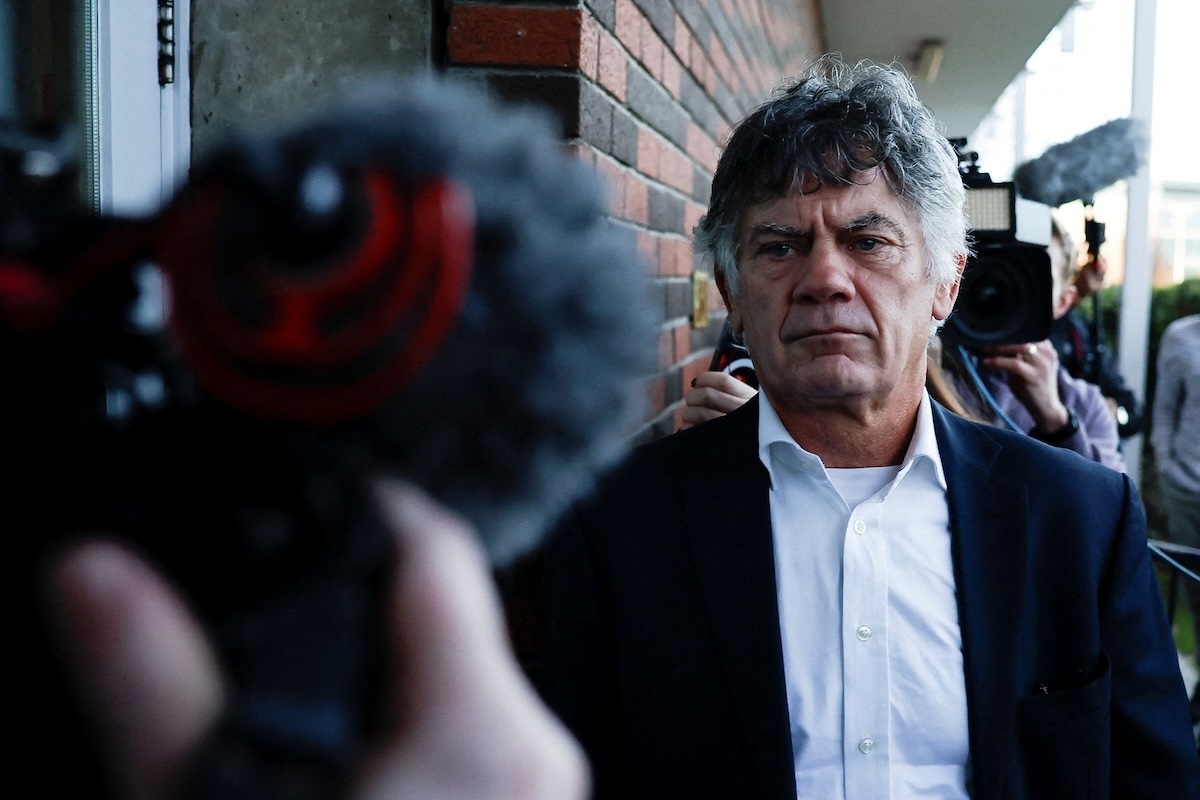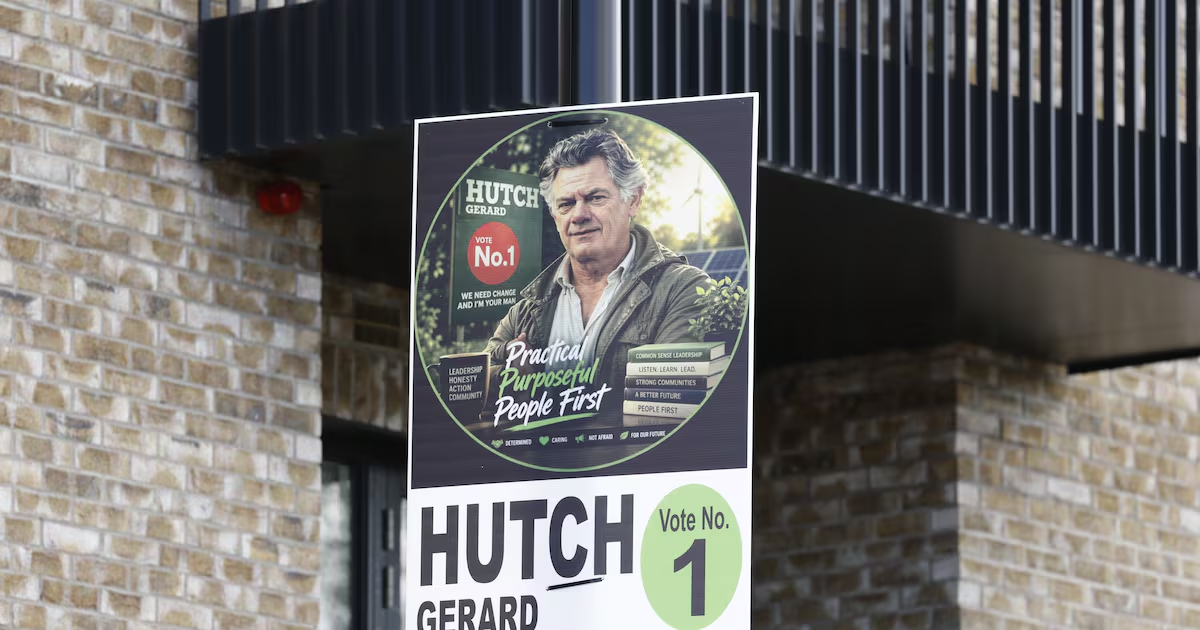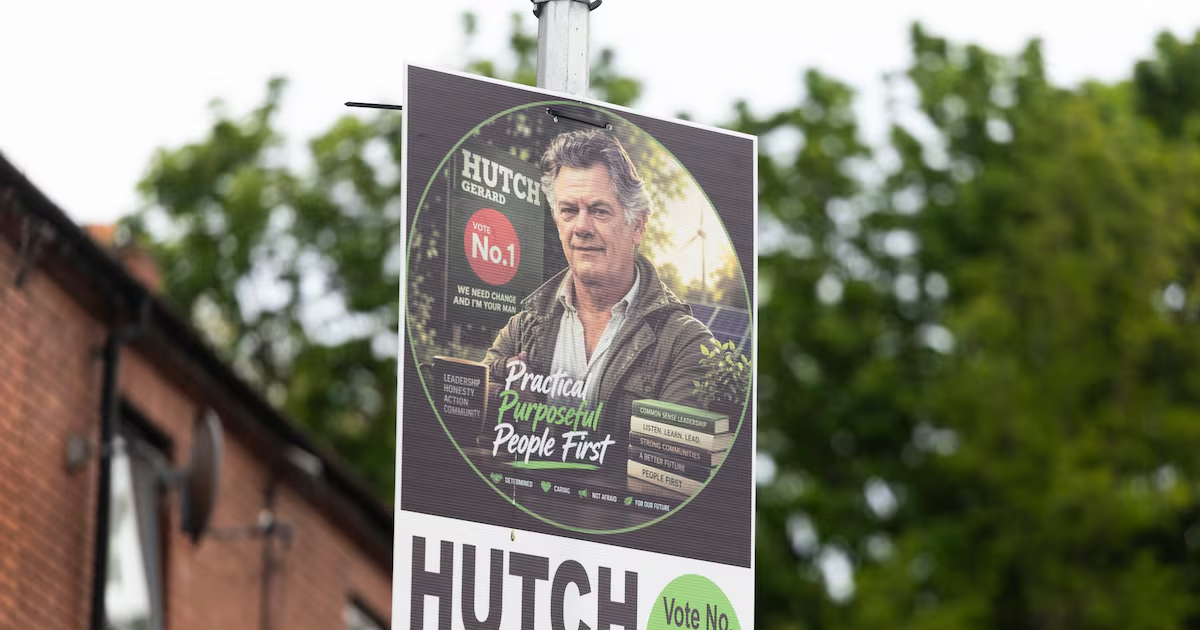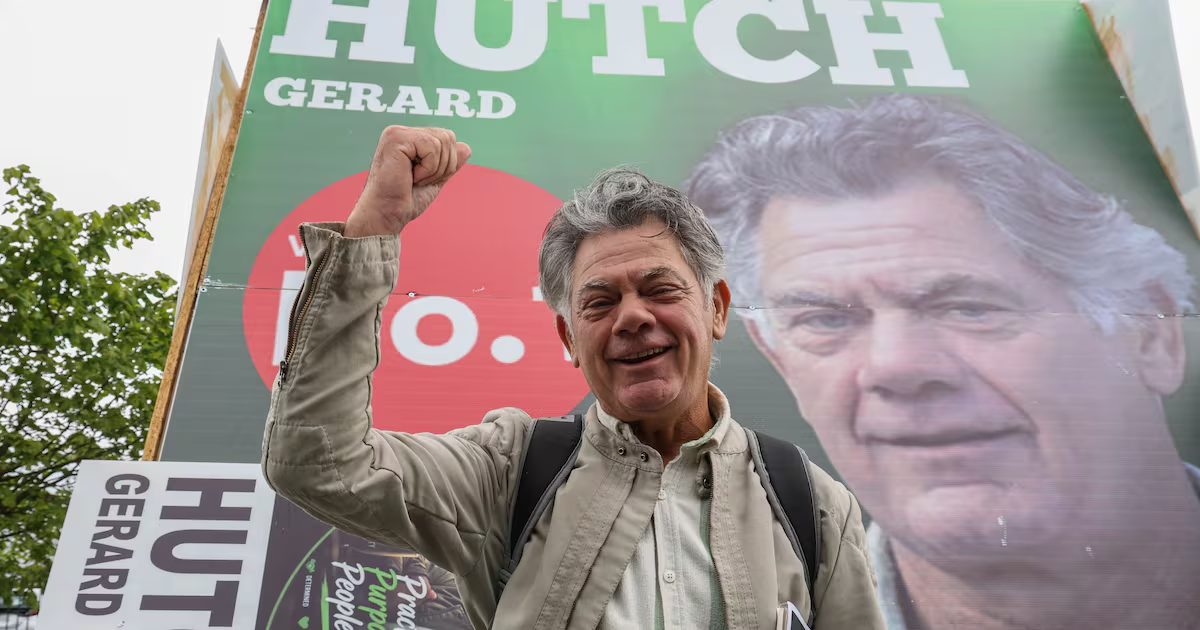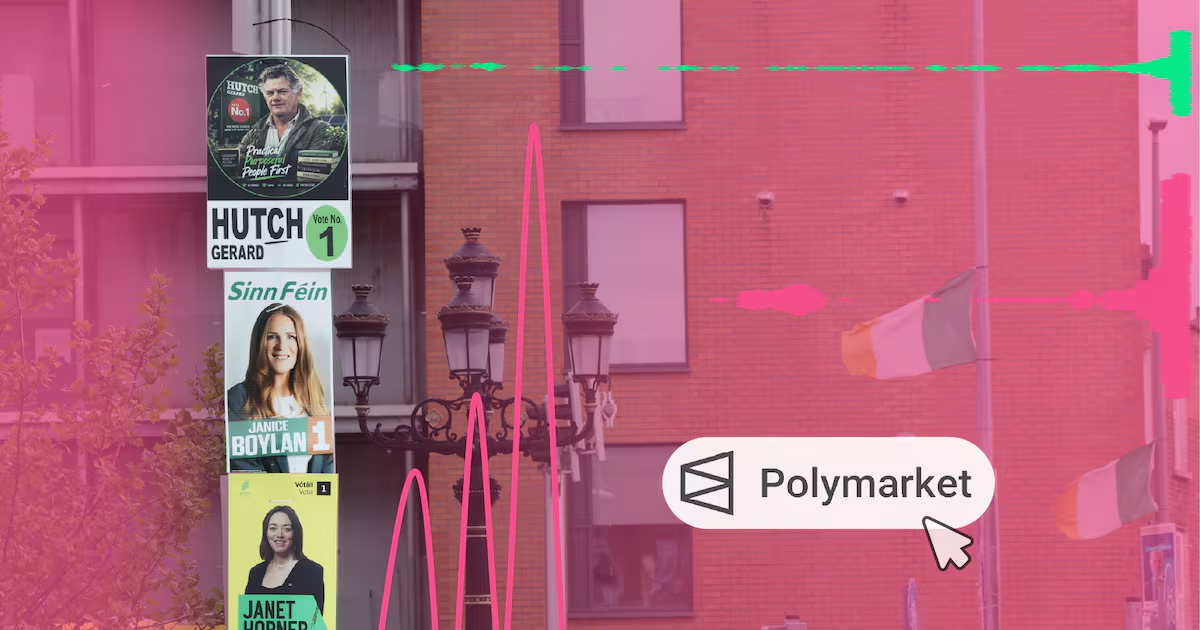
On April 21st, Gerry Hutch was taking a last hike through the volcanoes near his Lanzarote villa as he prepared to return home to run for election in his childhood neighbourhood of Dublin Central. At the same time, a series of trades by anonymous international cryptocurrency accounts were being made, betting $150,000 (€129,000) in the space of a week that the veteran criminal turned would-be politician would fail. This is the world of prediction markets where, before a candidate has even started campaigning, a new online market of “future traders” can place huge sums on the outcome. By May 15th, more than $1 million had been traded on the Dublin Central byelection on the controversial Polymarket platform. Traders bought shares for and against various candidates’ chances of winning, including Gillian Sherratt and Mary Fitzgerald, names mentioned as potential runners but who never made the ballot paper. Most of the shares, totalling $500,000, have been traded on Hutch, with the majority betting he will not win. There is no suggestion Hutch or any of the other candidates are involved in the betting.The bets highlight a new international vested interest in Irish political outcomes, even for relatively globally inconsequential events such as the Dublin Central byelection on May 22nd. According to an analysis by the Irish Times Investigations Unit in collaboration with the Anti-Corruption Data Collective (ACDC), they also show signs of illicit activity. Betting vs Trading Polymarket, the self-described “world’s largest predictions market”, has turned niche political and pop culture events into a global betters’ market. On the United States-based website, anonymous international crypto traders could make huge bets on whether the Houthis would strike Israel before a certain date or who would appear alongside Bad Bunny at the Super Bowl. “Kalshi were the first,” says Karl Whelan, professor of economics at University College Dublin, referring to Polymarket’s main competitor. “It’s an Arabic word for ‘everything’, so basically you can bet on everything.” These are not officially gambling markets, but present themselves as “futures markets” – a type of financial trading traditionally used to trade on the future price of goods such as oil. As a result, these are regulated by the Commodity Futures Trading Commission in the US and, thus far, have not been licensed by gambling authorities in other countries – including Ireland. “It’s a gambling operation,” Whelan says. “But as they are not legally licensed anywhere, they don’t have to obey any gambling laws in specific places.” This is not the first attempt at an online predictions market. Dublin-based Intrade briefly became the world’s leading prediction market between 2008 and 2012, before it ceased trading in 2013, citing possible financial irregularities.Polymarket has surged in popularity since 2024, when geopolitical predictions became a key focus of its trades. Yet with unlicensed activity aided by anonymised crypto wallets, Polymarket has also increasingly become embroiled in insider trading allegations.Most notable was a series of profitable trades on when the US-led strikes on Iran would take place, raising the question of whether some inside the Trump administration or US military had used insider information.Conflict experts have expressed concern that the profitability of the market may actually shape geopolitical events on the ground. “What if a few Houthis saw that and placed a bet and were motivated to attack?” Whelan asks. Polymarket presents a new vested interest in global politics, potentially even motivating international traders to take action to influence the elections they have placed money on or even sabotage opposing candidates in order to win. Why Hutch? The surge of interest in the Dublin Central byelection could just be a quirk of the publicity Hutch attracts. “People bet on what they’re interested in and the Hutch thing is interesting,” Whelan says. “You’ve got this guy who is an international criminal and people are voting globally.” In the past month, many betting on Dublin Central have spent small amounts – buying less than $500 in yes/no shares on whether various candidates will win. “Most people on there are just amateurs,” Whelan says. “But there’s a small group of elite traders soaking up all the gains.” An analysis by the Irish Times Investigations Unit found clusters of larger trades. For example, the $150,000 worth of shares betting that Hutch would lose were placed in the week before April 22nd. In many cases, individual crypto wallets were buying multiple shares larger than $500 in a “no” vote for Hutch to win. Within a few hours they were selling those same shares with little to no profit. In monetary terms, most of the Polymarket trades on the Dublin race were categorised as suspicious, according to the ACDC, a not-for-profit group of analysts that investigates illicit finance. Bets were classified as suspicious based on three criteria: if the users bought $500 worth of “no” positions, before selling those positions within six hours and making less than 1 per cent profit or loss. These criteria were based on the US Treasury’s Financial Action Task Force list of warning signs of potential illicit financial activity. As of May 12th, 86 per cent of trades on the byelection met these criteria, accounting for just under $927,000 of the $1,072,776. Out of the almost half million worth of trades on Hutch’s chances as of May 12th, 93 per cent met this criteria ($416,275).This level of unusual trading contrasts with betting patterns on the Galway West byelection, where less than $44,000 of bets have been placed. None met the criteria for suspicious transactions. Furthermore, a significant number of the suspicious trades could be traced back to the same wallet from a Cayman Islands-based crypto exchange.ACDC says various factors including the short time between trades and heavy use of a single crypto exchange could indicate attempts to use the Dublin race to launder money, but there is no way to be certain based on the available data. Other experts say the bets are likely to have constituted “wash trading”, a form of self-matching betting that is illegal in many securities markets. Wash trading may be done to make it look like there is more money being bet on a certain market. This could be done for PR purposes “to fake interest” in a given market, hedge fund manager Patrick Boyle says. It is also done in the hope of receiving future rewards from the trading platform, says Allen Sirolly, the author of a recent paper on wash trading. “This activity can be done by individuals or by professional farming studios.” Artificial intelligence (AI) could also be responsible.“It could be AI-led automatic trading,” David Szakonyi, an ACDC analyst, says. “But they could have done Galway, too, and they didn’t – this suggests human selection.” However, Whelan says the trades are not necessarily indicative of wrongdoing. “From my perspective, rapid trading of positions over $500 with small gains is extremely common on prediction markets. If that behaviour is inherently suspicious, then there are a lot of suspicious people on Kalshi and Polymarket.” Polymarket did not respond to a request for comment.The betting around the Dublin Central byelection adds to mounting evidence of unusual activity on the platform, which operates in Ireland in a legal grey area. The newly established Gambling Regulatory Authority of Ireland (GRAI) has set a deadline of the end of June for websites providing “relevant gambling activities” to Ireland to apply for a business-to-consumer gambling licence.If Polymarket fails to do so then the GRAI could apply to the High Court for an order directing that a person providing a prohibited gambling activity cease activity. Kalshi appears to have taken pre-emptive action – adding Ireland to a list of restricted jurisdictions on its websites.Even outlawing online prediction markets at home will not prevent international traders gambling on Irish politics or even interfering with the most mundane events.On February 24th, France in effect blocked users from placing new bets on Polymarket, classifying it as unauthorised gambling. Two months later, authorities noticed a weather sensor at Charles de Gaulle airport was being tampered with, suddenly raising the temperature to 22 degrees. At the same time, a user on Polymarket won $20,000 for successfully betting on unexpected temperature spikes in Paris. A police investigation is under way.
Why have international traders bet $1m on the Dublin Central byelection?
Almost $500,000 alone has been wagered on Gerry Hutch’s chances of becoming a TD or not
1,361 words~6 min read