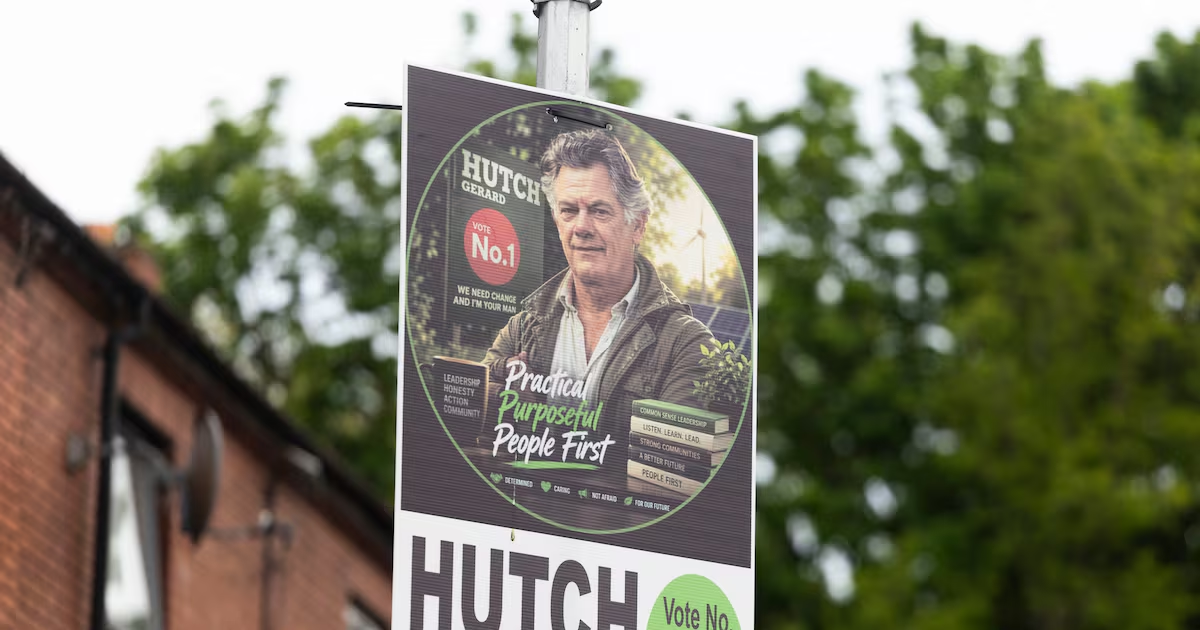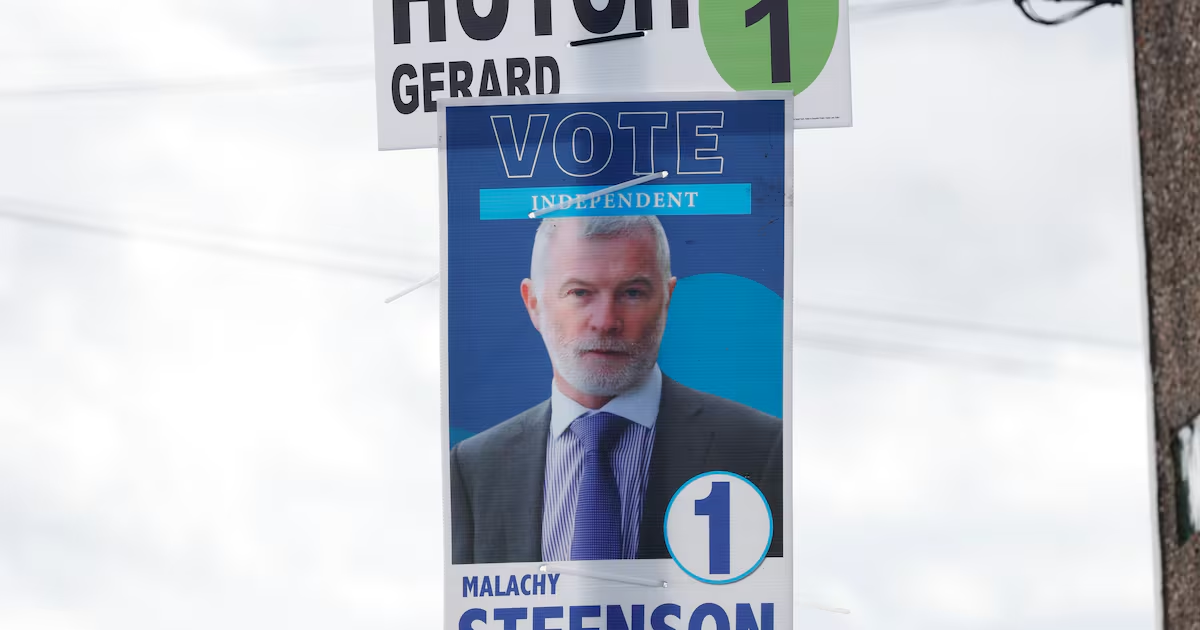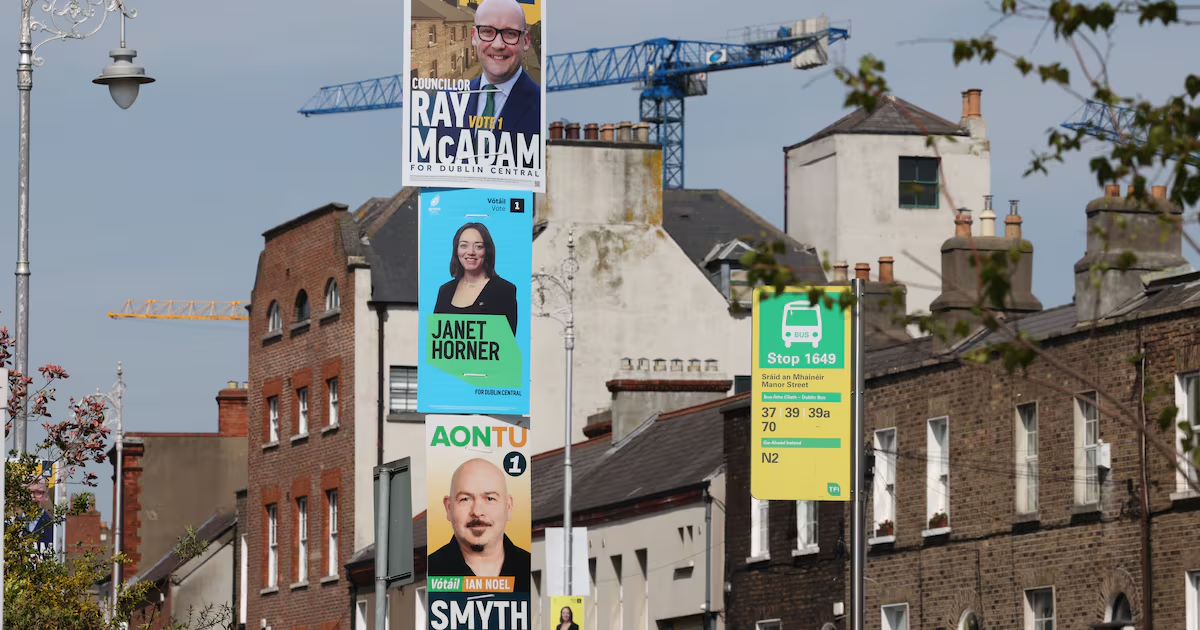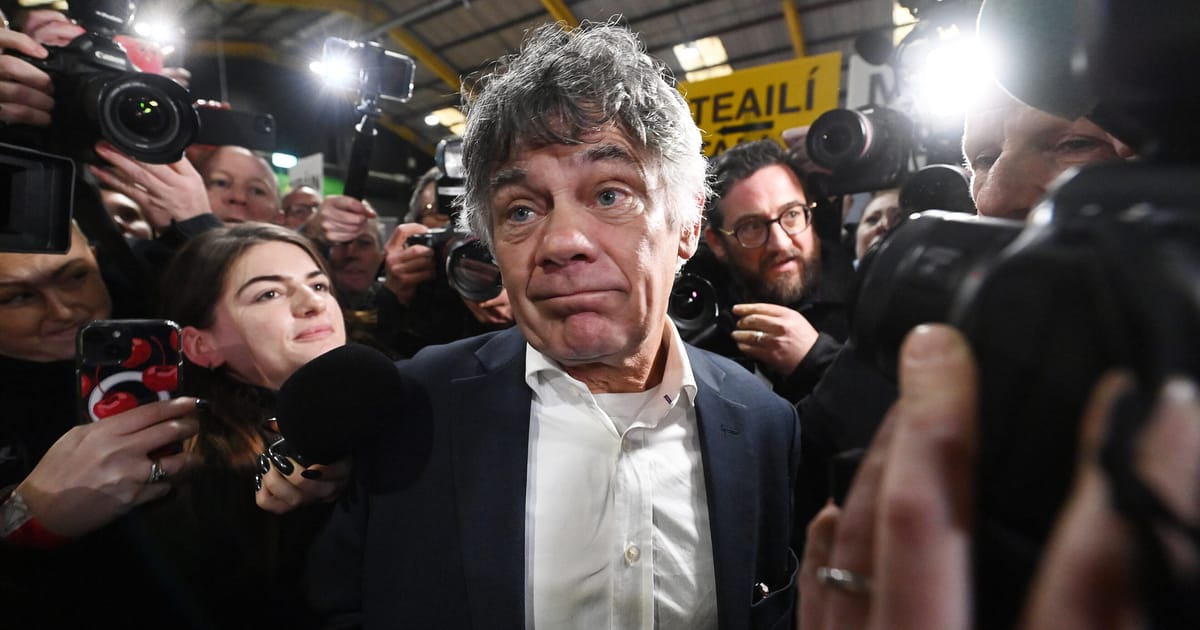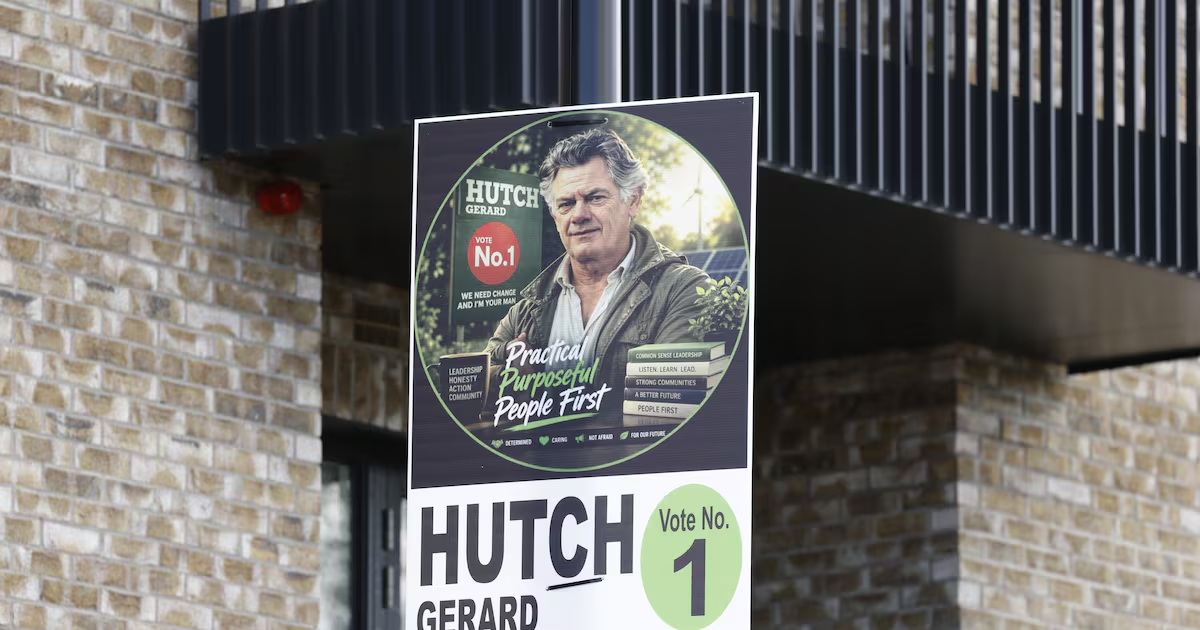
Most of the money placed on the Dublin Central byelection on the controversial Polymarket platform came from accounts engaged in highly suspicious betting behaviour, an Irish Times investigation has found.Of more than $1 million (€860,250) placed on various candidates, 86 per cent came from accounts engaged in self-trading behaviour, where a bet is placed on a candidate before quickly being reversed with little or no profit or loss incurred.Almost half of these unusual bets were placed on Gerry Hutch, the gangland figure known as ‘The Monk’, to lose in the byelection, which takes place on Friday.Experts say these betting patterns can be indicative of illicit behaviour such as money laundering, market manipulation or attempts to make a betting market appear more active than it is. There is no suggestion Hutch or any other candidate is involved in the betting.Polymarket, which did not respond to requests for comment, allows users to place bets anonymously using cryptocurrency. [ Why have international traders bet $1m on the Dublin Central byelection? ]Unlike normal betting platforms, users trade yes or no “positions” with others rather than betting against the house. It also allows accounts to bet on a wide range of geopolitical events. Users with insider knowledge can make huge sums by betting on future events such as planned military operations. In Ireland, where Polymarket does not currently have a gambling licence, it operates in a legal grey area and it is likely it will soon come under regulation by the Gambling Regulatory Authority of Ireland.The Irish Times analysis was carried out in co-operation with Anti-Corruption Data Collection (ACDC), a not-for-profit group of analysts who have conducted extensive research on Polymarket.Bets were classified as suspicious if they met the following criteria: users bought $500 worth of “no” positions before selling those positions within six hours and making less than 1 per cent profit in the process. These criteria are based on the US Treasury’s list of red flags for potential illicit financial activity.Election posters for the Dublin Central byelection are seen in Drumcondra. Photograph: Sam Boal/Collins As of May 12th, 86 per cent of trades on the byelection met these criteria, accounting for just under $927,000 of the $1,072,776. These unusual transactions were made by 434 accounts and across 1,373 individual trades.Out of the almost half million worth of trades on Hutch’s chances as of May 12th, 92 per cent met this criteria ($416,275).Smaller amounts of suspicious trades were placed against five other people, including disability rights campaigner Gillian Sherratt, who sought to run for Sinn Féin, and Fianna Fáil senator Mary Fitzpatrick, neither of whom is a registered candidate.Many of the suspicious transactions were closely grouped together in time. For example, over a 26-hour period starting on March 27th, 26 accounts bet at least $1,000 on Hutch to lose the election. Each bet was reversed within 12 minutes or less for almost the same price.Further analysis by ACDC showed 97 per cent of suspicious bets on the Dublin byelection were subsequently cashed out to a single cryptocurrency exchange located in the Cayman Islands in the Caribbean.This level of unusual trading stands in stark contrast to betting patterns on the Galway West byelection. Less than $44,000 has been placed on that contest on Polymarket and none of the bets met the criteria for suspicious transactions.The Irish Times asked eight experts to examine the data, with seven saying the patterns were highly unusual. ACDC said various factors, including the short time between trades and heavy use of a single crypto exchange, could indicate attempts to use the Dublin race to launder money, However, it said there was no way to be certain based on the available data.Other experts said it is likely the bets constituted “wash trading”, a form of self-matching betting that is illegal on many securities markets. This may be done to manipulate odds or give the impression of high public interest in a market, said hedge fund manager Patrick Boyle.
Investigation: Suspicious betting on Gerry Hutch in Dublin Central byelection
More than $1m wagered through controversial Polymarket platform
657 words~3 min read