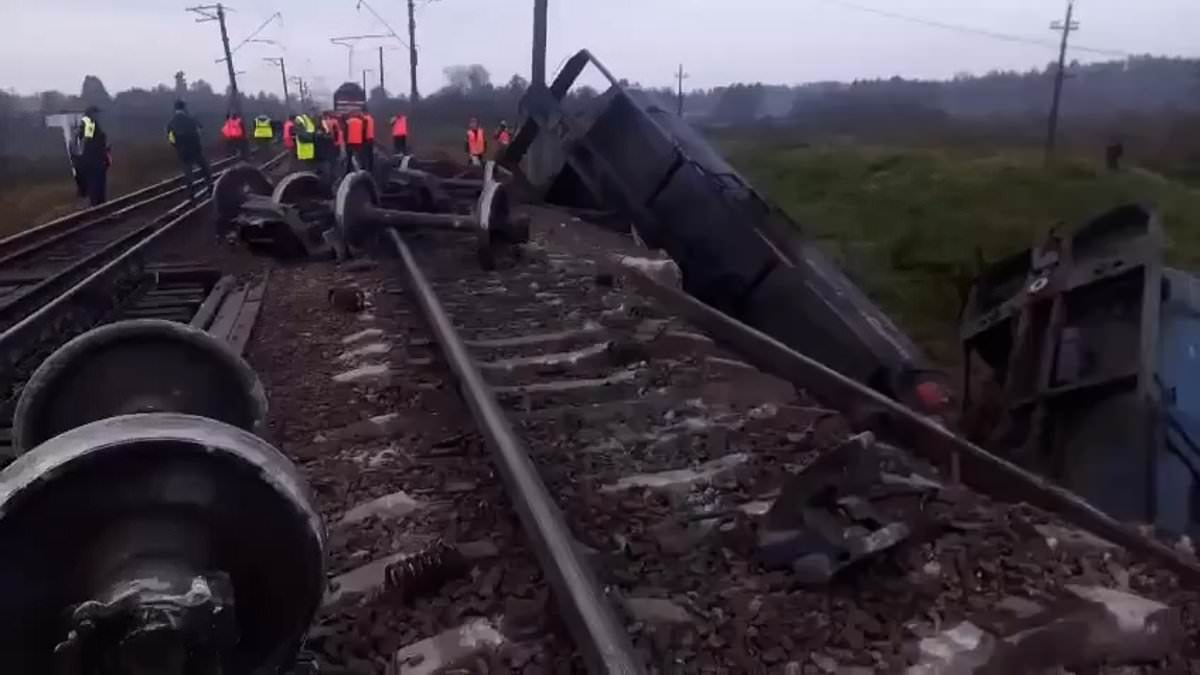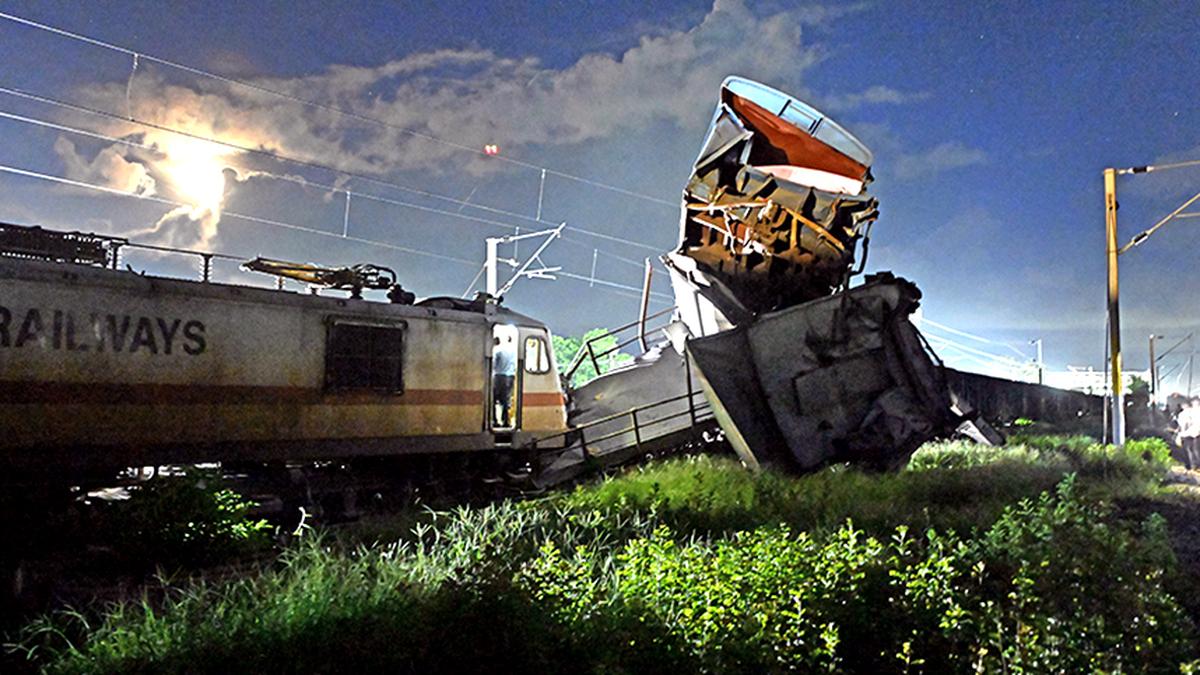
Following two recent train accidents in Lithuania this month, investigators have ruled out sabotage, concluding that the incidents were caused by human error and a technical fault. In response, the prime minister has given Lithuania’s Railways and the Transport Ministry two weeks to come up with a plan on how to ensure rail safety.
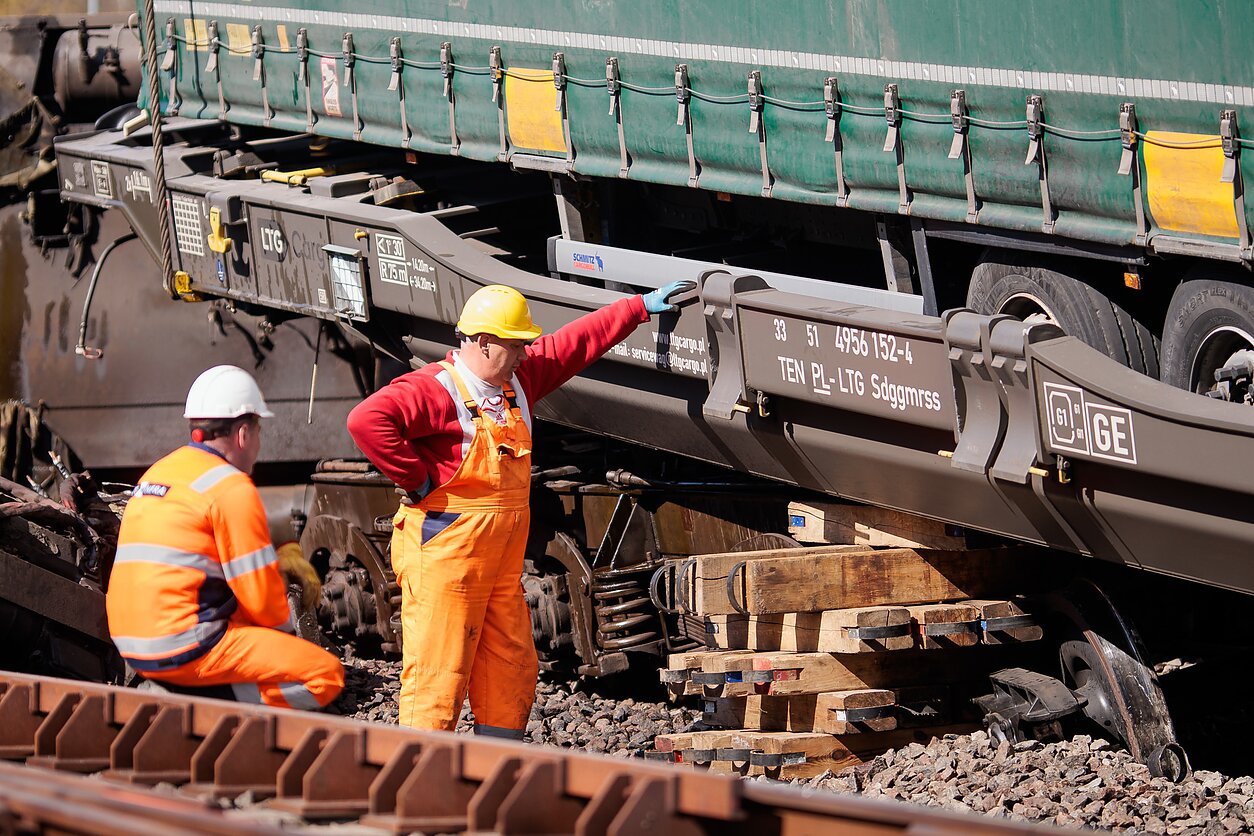
“I went to take a look and was stunned. There was a fault with the wagon. It jammed, the bearing started disintegrating and fell off. Accidents like this are rare, but they do happen. Usually, when the monitoring systems are switched on, they detect both the initial and secondary danger signals,” said train driver Vidmantas Simonavičius.
However, on that Friday evening, no danger was detected because the system monitoring rolling stock overheating had been switched off on that section of track.
The train driver maintains that if the system had been operating, he would have learned about the wagon defect sooner. According to the preliminary findings, the rolling stock was to blame. The wagon still had six months remaining before its next technical inspection.
“The infrastructure was not at fault. That section is one of the best-maintained and receives the highest level of investment because it is our main artery,” said Vytis Žalimas, head of LTG Infra, the infrastructure branch of the state-owned Lithuanian Railways (LTG).