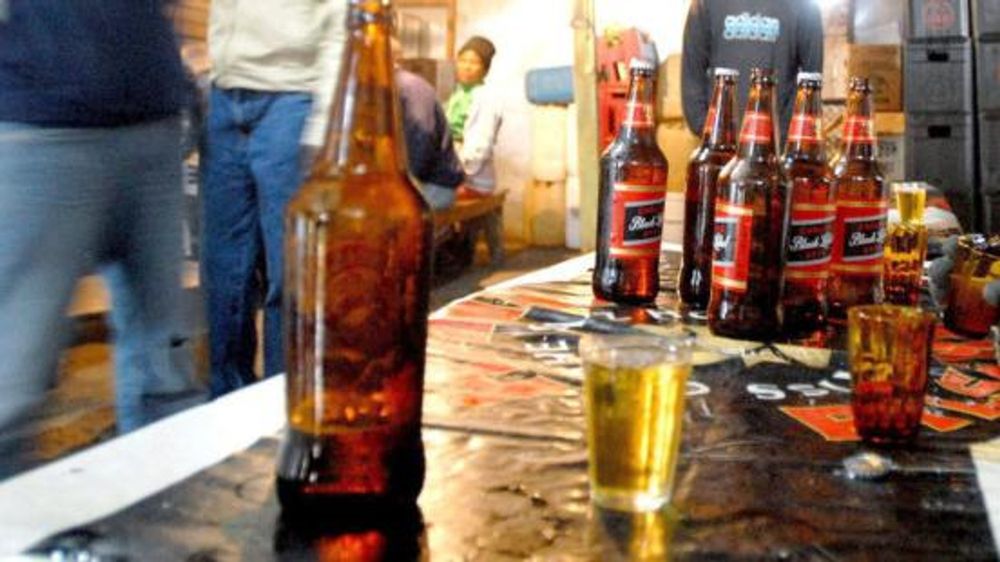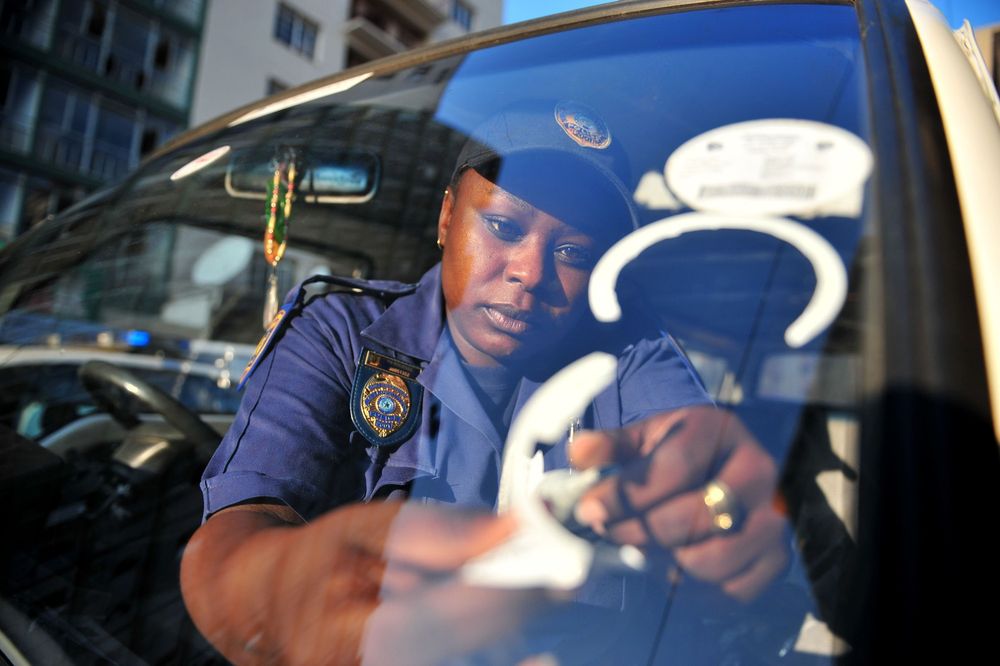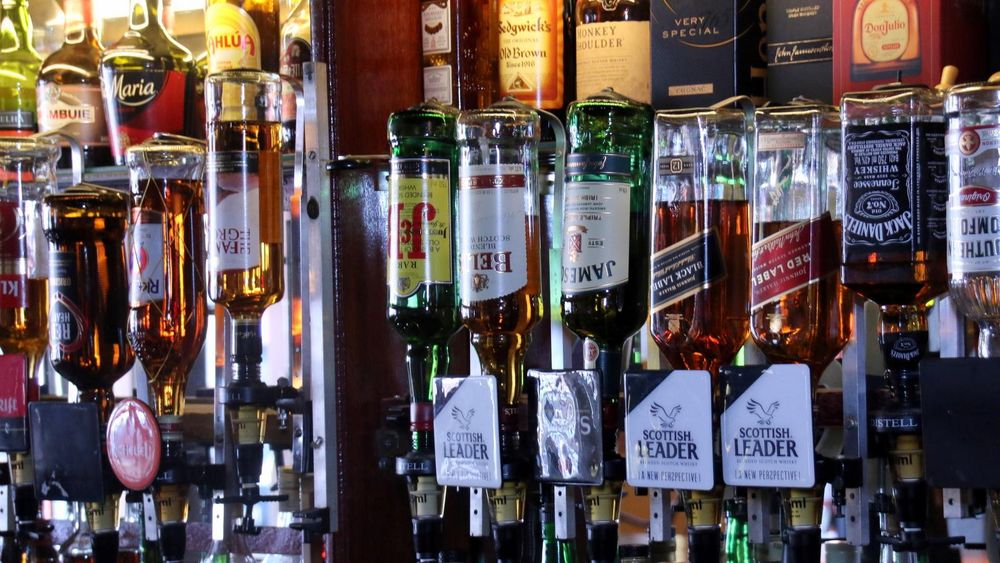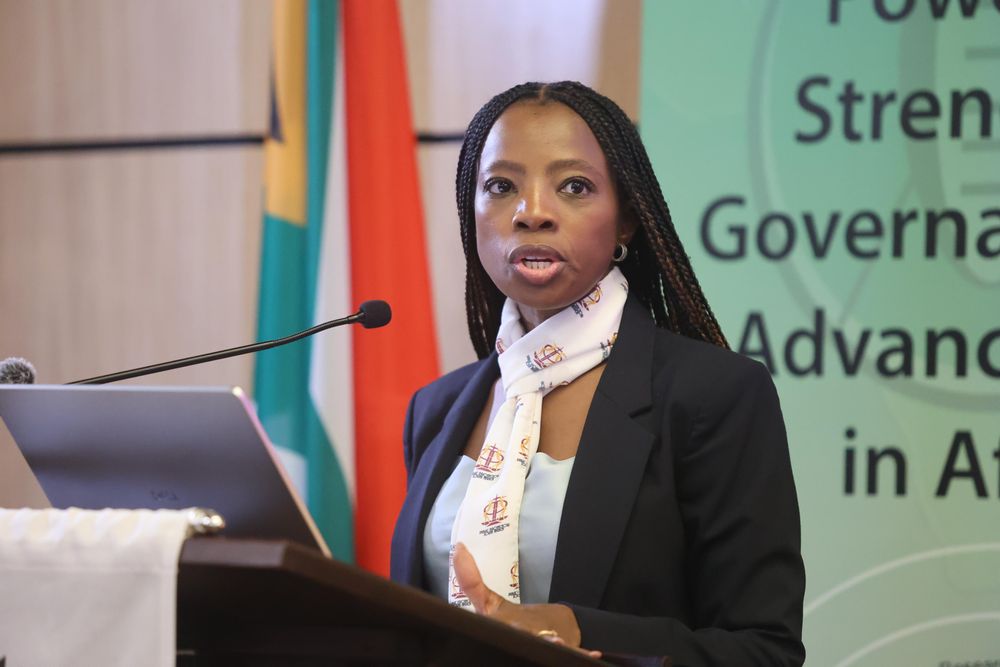
An inquiry has found a systemic collapse of governance, enforcement and accountability at the Gauteng Liquor Board (GLB), warning the province’s liquor licensing system has drifted into what it describes as “deregulation by stealth”.The report, released by Gauteng agriculture & economic development MEC Vuyiswa Ramokgopa, says the regulator suffered from widespread licensing irregularities, poor record-keeping, weak enforcement, alleged corruption and collusion involving inspectors, officials and unregulated consultants.Ramokgopa released the report after taking office in April and submitted it to the Gauteng legislature’s portfolio committee on economic development. The department says the report was released in the interests of transparency, accountability and restoring public confidence in government institutions.The inquiry found liquor outlets operating unlawfully near schools, places of worship, children’s recreational facilities and residential communities, in contravention of the Gauteng Liquor Act. It says this points to severe enforcement strain, with fewer than 20 inspectors responsible for monitoring more than 33,000 licensed outlets in Gauteng and an estimated 200,000 illegal outlets operating outside the regulatory framework.The report says the board’s problems are not isolated administrative lapses but symptoms of a deeper drift from rule-bound governance to discretionary practice. It identifies duplicate and irregular licences, transfers and renewals without lawful records, weak enforcement, missing minutes and agendas, revenue leakage and consultant capture as part of the pattern of dysfunction.It says the GLB’s governance framework has collapsed structurally and ethically, with no functional delegations of authority, board charter or resolutions register. Decisions were taken informally, recorded erratically and often remained unsigned, while audit findings were left unresolved across several financial years.Inspections were reactive rather than intelligence-led; follow-ups were inconsistent, and the enforcement vacuum had allowed a culture of impunity to develop. The report links weak regulation to wider social and economic harm, including unfair competition for compliant traders, lost municipal revenue, alcohol-related violence, hospital trauma admissions, gender-based violence and community safety concerns. It says areas such as Alexandra show how vulnerability, overcrowding and syndicate-driven liquor trade converge where enforcement is weak.The findings come amid wider concern about illicit alcohol in South Africa. A 2025 Euromonitor International study commissioned by the Drinks Federation of South Africa found that illicit alcohol accounts for 18% of total market volume, with the illicit market estimated at R25bn a year and fiscal losses to the state at R16.5bn in 2024. The same study found illicit alcohol volumes had risen 55% since 2017, reaching more than 77.3-million litres in 2024. The GLB has faced mounting pressure over corruption allegations and delays. In June 2025, then Gauteng finance & economic development MEC Lebogang Maile appointed a 15-member committee of inquiry to investigate allegations of bribery and long processing times for liquor licences, according to the SABC News. In April 2025, the DA in Gauteng said a written reply by Maile showed the GLB had spent R1.5m on 25 court cases, of which 21 were lost and four were settled. The party said the cases were brought by licence applicants affected by delays.Compliance and enforcementRamokgopa said the department has begun implementing key recommendations, including strengthening compliance monitoring and enforcement operations, reviewing suspicious and unlawfully issued licences, digitising licensing systems, improving consequence management and strengthening co-ordination with municipalities, the South African Police Service and metro police.Civil society organisation the Social Movement for Advocacy, Rights and Transformation (Smart) said the findings confirmed long-standing concerns raised by residents, parents, educators and civil society organisations about the uncontrolled spread of liquor outlets in communities. Smart said the weak regulation of the sector contributed to substance abuse, school absenteeism, school dropouts, gender-based violence, domestic violence and crime. It called for criminal investigations, prosecutions, lifestyle audits, the closure of illegal outlets near schools and stronger community participation in liquor licensing processes.The inquiry recommends a broader overhaul of the regulator, including QR-coded licences, a public verification portal, revenue assurance systems, stronger digital records, improved inspectorate capacity and renewed co-operation with municipalities.Ramokgopa said the release of the report marks the start of a broader process to restore integrity, accountability and public trust in the GLB and the province’s liquor regulatory environment.
Fewer than 20 inspectors for 33,000 licensed liquor outlets in Gauteng
Licensing irregularities and alleged corruption at Gauteng Liquor Board, inquiry finds
672 words~3 min read