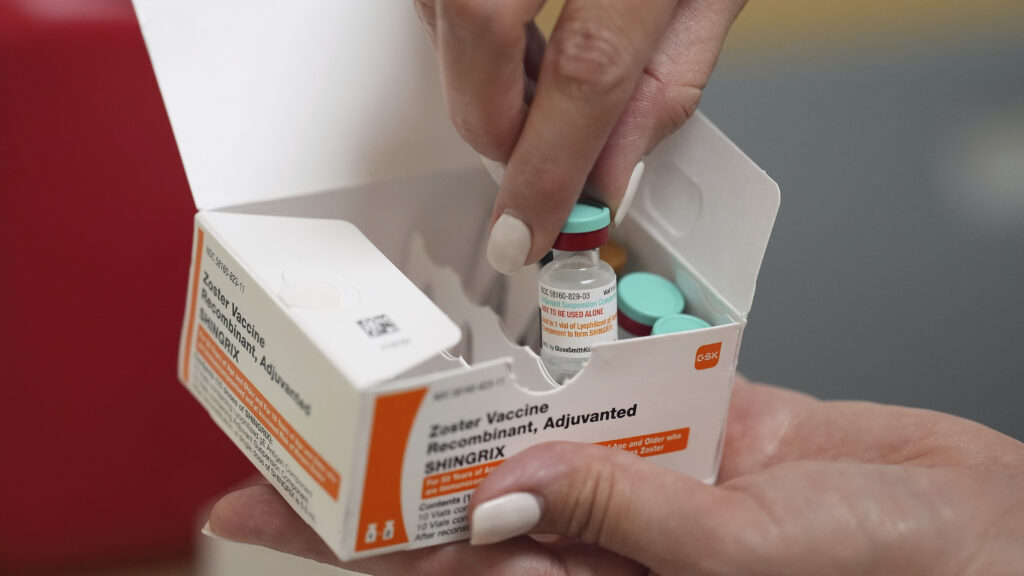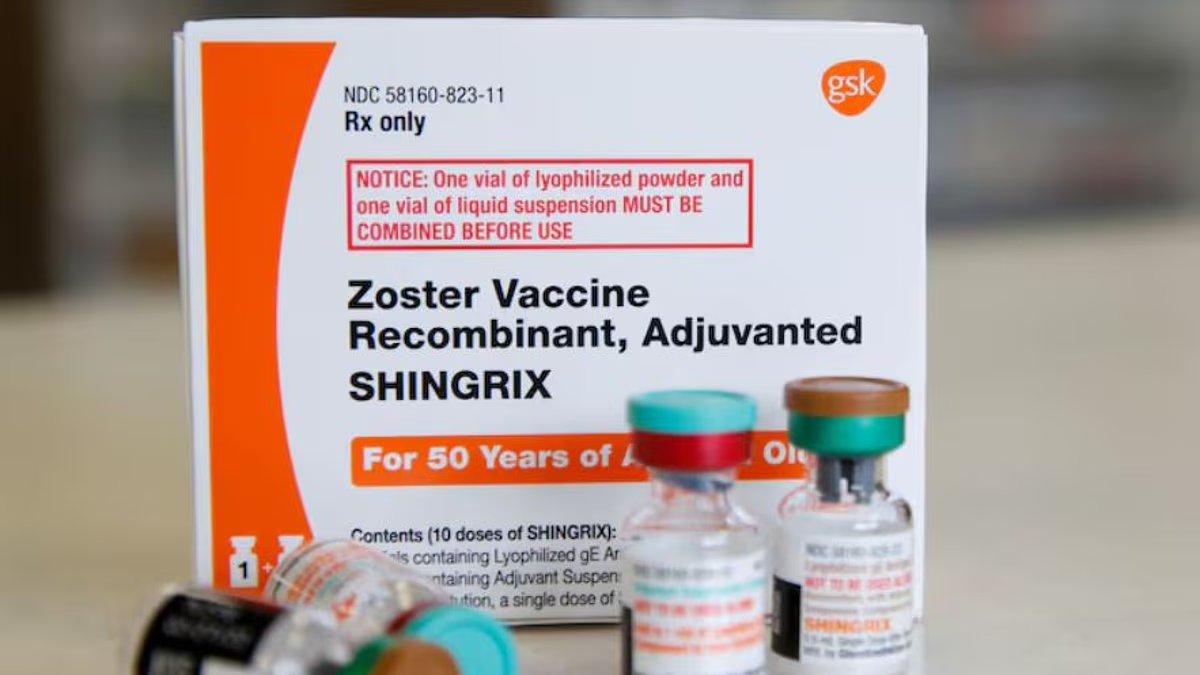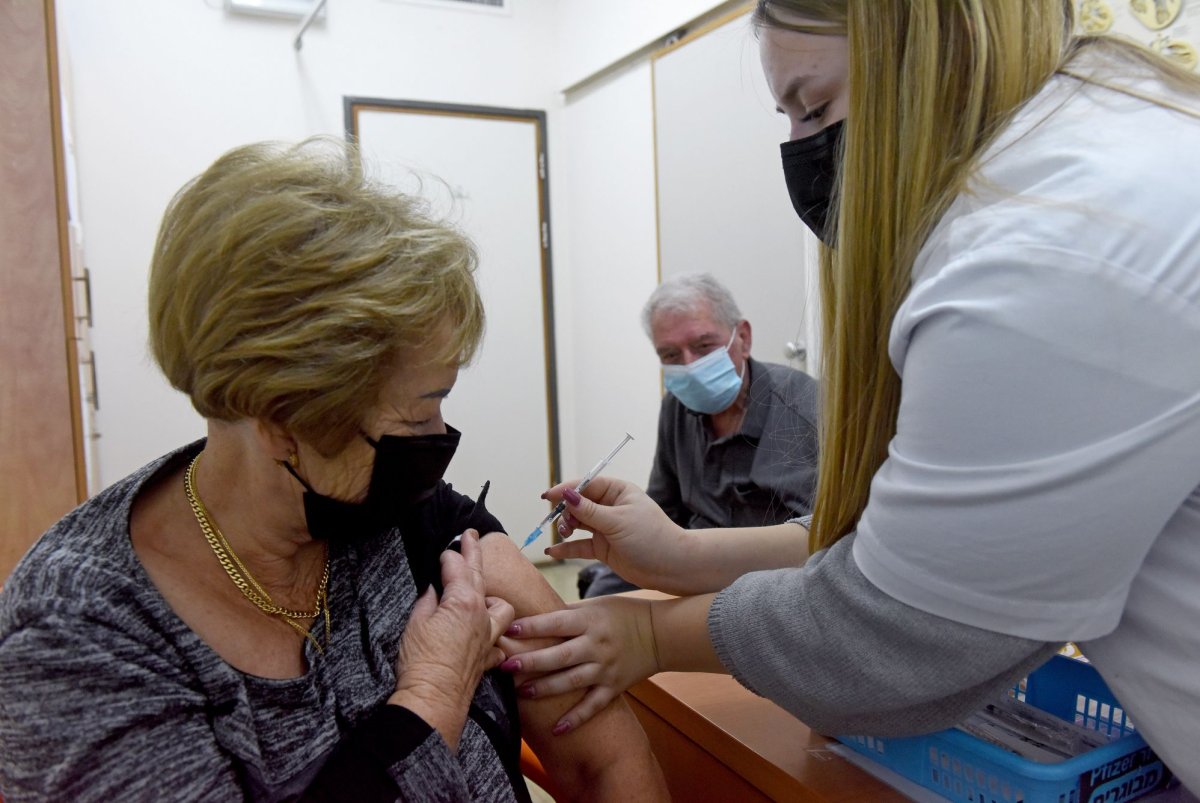
Shingrix is set to arrive in South Africa after years of delay. Doctors say it could prevent a painful and often debilitating illness in older adults, but high prices may limit its impact. “It’s not a question of if you’ll get shingles, but rather when,” said Cape Town pain specialist Milton Raff.It sounds worrying, but many clinicians quietly agree. Raff explains that shingles becomes far more common with age, and when it strikes, it can do more than cause a rash. In older adults, it can trigger problems, from chronic nerve pain to a loss of mobility and independence. These can be difficult to reverse.Now, a far more effective vaccine will arrive in South Africa before the end of the year. Shingrix, manufactured by GlaxoSmithKline, has been available in the US and Europe for nearly a decade. It is expected to reach local pharmacies before year’s end after approval by the South African Health Products Regulatory Authority (Sahpra) in July 2025. For many experts its arrival marks a turning point.Unlike its predecessor, Zostavax, which used a weakened live virus, Shingrix is not a live vaccine. That makes it suitable for people with compromised immune systems, including those undergoing cancer treatment or taking immunosuppressive medication. It is also far more effective. According to data from the Centers for Disease Control and Prevention, Shingrix prevents more than 91% of shingles cases in older adults. Its predecessor offered far weaker protection, at 18%-64% and performed especially poorly in the age group most at risk.There is also growing interest in whether preventing shingles could have wider benefits. Emerging research suggests people who receive a shingles vaccine may be less likely to develop dementia. But experts stress that this link is not yet fully understood and the vaccine is not approved for dementia prevention.What is shingles?Shingles is caused by the varicella-zoster virus, which also causes chickenpox.After a person recovers from chickenpox, the virus doesn’t disappear. It lies dormant in nerve cells and can reactivate years later, usually when immunity weakens. It often begins with pain, burning or tingling, followed by a rash and clusters of small blisters. Though it commonly appears around the upper body, it can affect other parts of the body.Shingles is not something most people “catch” in the traditional sense. In most cases, it develops when a virus, already in the body, becomes active again. However, someone who has never had chickenpox can develop it after exposure to fluid from shingles blisters. According to Healthline, a person with shingles is no longer contagious once the blisters have crusted over.The risk rises sharply after 50 and is higher in people with weakened immune systems, whether due to illness, medication or prolonged stress. Raff said shingles is often misdiagnosed early on. “It’s treated as general pain, but it’s actually a nerve condition,” he said. Early antiviral treatment is crucial. If caught early, many people recover within about a week. But for some, the pain lingers long after the rash has healed. This condition, known as postherpetic neuralgia, can last for months or even years and is often described as one of the most debilitating forms of chronic pain.South Africa has lagged behindFor Shabir Madhi, dean of the faculty of health sciences at Wits University, the delay reflects a broader, more persistent problem: unequal access. South Africans, he said, are often among the last to receive vaccines that have long been available in wealthier countries.From the manufacturer’s perspective, the picture looks different. GSK spokesperson Kamil Saytkulov said bringing a vaccine to market is rarely straightforward. It depends on a mix of public health priorities, expected demand, infrastructure readiness and commercial viability. These factors, she said, must align before a product is introduced into a new country.But even once those hurdles are cleared, timing is not in the regulator’s hands. Boitumelo Semete, CEO of Sahpra, said the vaccine was licensed nearly eight months ago. After that, the next move lies with the manufacturer. Regulators can approve a product but they cannot compel companies to supply it.Price is the bigger hurdleIf access has been slow, affordability may prove the real barrier. The manufacturers set the price and submit a cost analysis to Sahpra. The regulator then establishes a single exit price, which caps what pharmacies may charge. At present, the unlicenced version of Shingrix has cost much more locally than in the US or UK.Madhi said part of the reason is that unlicensed access places extra oversight responsibilities on the manufacturer, pushing up costs. Yet, he does not expect the price to drop dramatically. That matters because cost will shape access.Zostavax, the earlier vaccine, sold for about R2,300 in the private sector. This was already out of reach for many. Shingrix is expected to cost more.Madhi said that South Africa also has limited bargaining power. In the private market, volumes are small. In the public sector, pricing is influenced by global agreements and benchmark rates. Pharmaceutical companies are reluctant to offer prices below those negotiated through large international procurement bodies such as the Pan American Health Organization (PAHO). This can effectively set a floor, limiting how low prices can go. The result is a familiar pattern: a highly effective intervention that may remain out of reach for many who need it most.Will medical aids step in?Noluthando Nematswerani, chief clinical officer at Discovery Health, said vaccines approved by Sahpra are typically funded from members’ medical savings accounts, depending on their plan.That means access may improve once Shingrix is fully registered. But affordability will still depend on how much cover individuals have and whether schemes choose to fund it more broadly over time.For geriatrician India Butler, the case for Shingrix is straightforward. “Shingles may not kill you, but it can derail you,” she said. In older adults, even one episode can trigger a sharp decline in physical and cognitive resilience. Preventing it is part of ageing well.On dementia, Butler is cautiously interested. The condition is complex, shaped by multiple factors such as ageing, genetics and vascular health. Researchers are increasingly exploring the role of infection and inflammation.The blood-brain barrier acts as a filter between the bloodstream and the brain. When it is disrupted, viruses and inflammatory molecules may enter more easily, potentially contributing to long-term damage.“There’s growing interest in whether reducing infections over a lifetime may help lower that risk,” she said. For now, the case for Shingrix stands on its own. “It prevents a condition that can be incredibly painful and life-altering. That alone makes it worth it.”She said the shingles vaccination should be part of a broader prevention strategy after 50, alongside flu, Covid-19 and pneumococcal vaccines, as well as routine boosters such as those for tetanus and pertussis.The arrival of Shingrix, with a new generation of vaccines, signals a shift in how we age. Increasingly, science can prevent the kinds of illnesses that quietly erode independence and quality of life. It is not just about living longer, but living better for longer.The challenge now is to ensure this progress does not remain the preserve of a few. The real breakthrough will come when ageing well is within reach for everyone, not only those who can afford it.
Effective shingles vaccine will be out of reach for the poor
Shingrix will arrive in SA this year but affordability may prove a barrier
1,191 words~5 min read