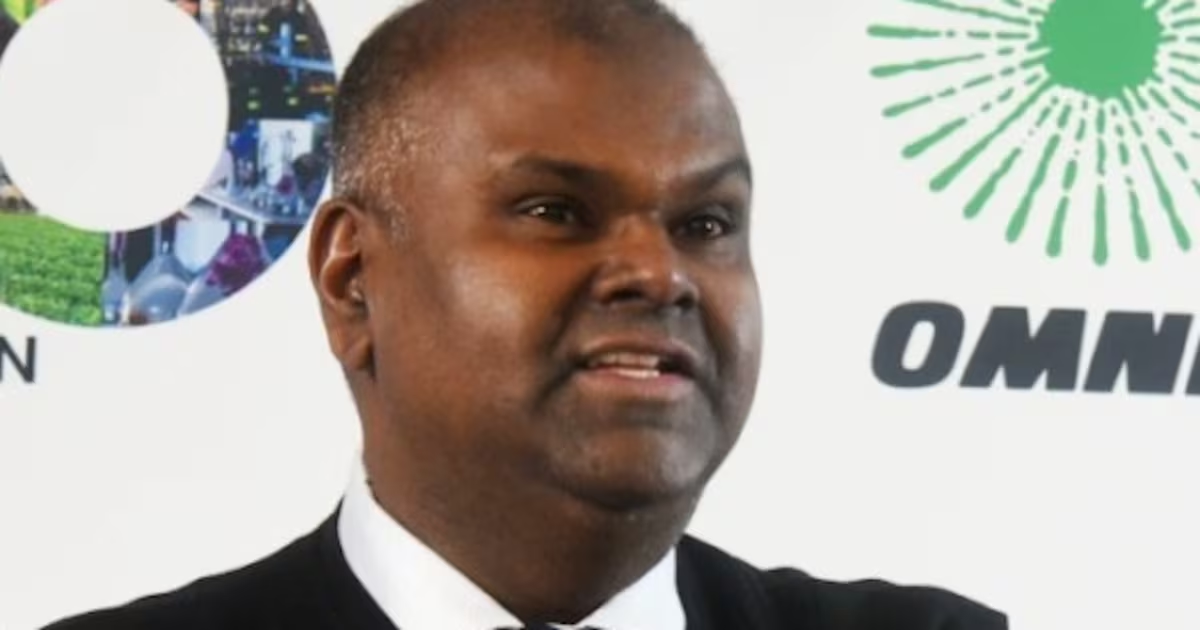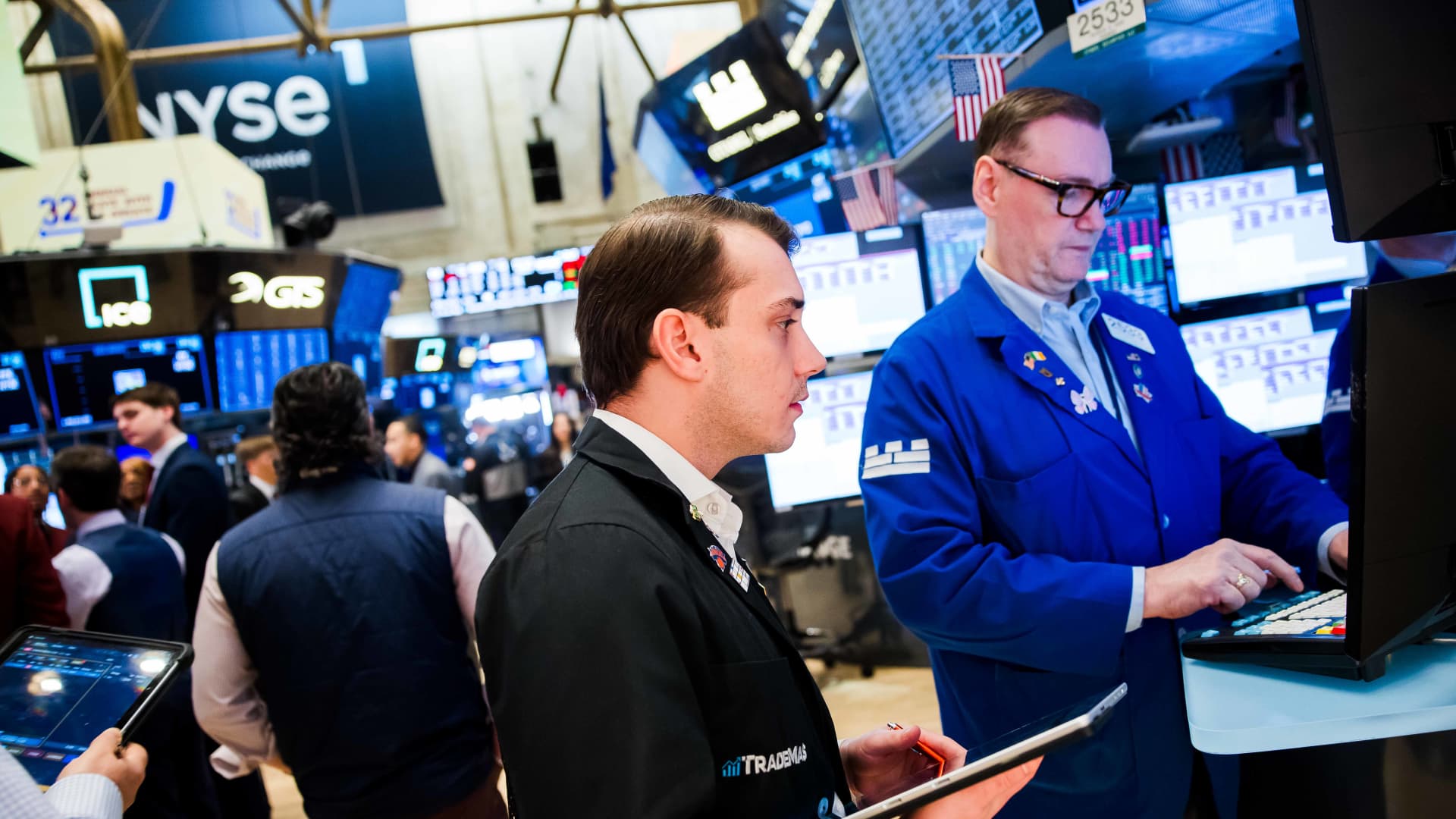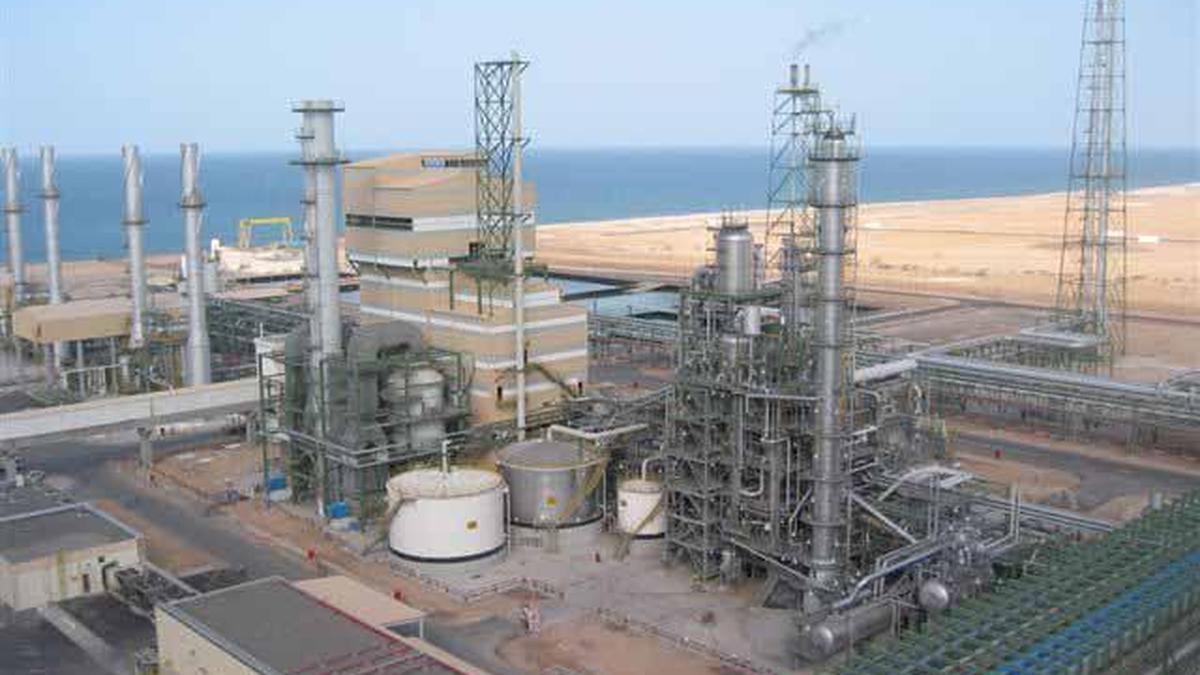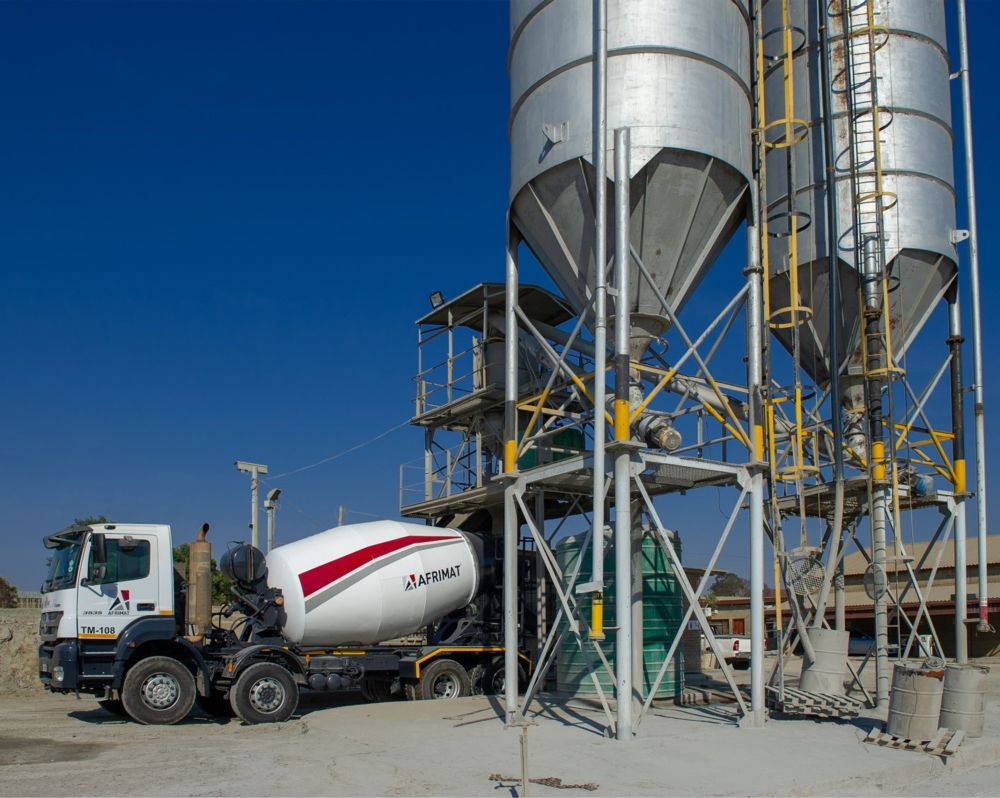
Chemicals, explosives and fertiliser group Omnia has received a big vote of confidence in the wake of recent Middle Eastern conflict as investors bet on the group’s ability to shrug off the supply shocks and jitters that have battered broader equity markets.On Friday, South Africa’s state-owned Public Investment Corporation increased its stake in the group to more than a fifth, up from 17.78% in March 2024, after steadily increasing its holding in recent months.Retail investors have also been getting on board in recent weeks. Shares in the more than 70-year-old company have risen just shy of 25% this year, extending a steady upward trajectory since the Covid-19 pandemic.By contrast, the JSE all-share index is down about 0.5% so far this year. Fears of accelerating inflation, interest rate hikes and supply chain disruptions have seen the bourse reverse all the gains of January and February in the past 10 weeks.(Dorothy Kgosi) The rally contrasts with Omnia’s clear exposure to the risks of the war on Iran, with the firm operating in the sectors that have been, and will continue to be, most directly threatened by the effective closure of the Strait of Hormuz.As one of South Africa’s biggest producers and suppliers of fertiliser, the group is heavily exposed to sulphur prices, with much of the world’s supply of sulphur arising from the Middle East. The same is true for ammonia, an essential ingredient in the explosives that Omnia supplies to the local mining sector.Shortly after the outbreak of the Iran war, Omnia told Business Day that it was closely monitoring the impact of the conflict on global commodity prices and supply, adding that it had “already taken extensive measures to ensure uninterrupted supply” to its customers in all sectors.The group’s plans included investing in logistics and storage facilities while reducing the dependency on ammonia for explosives.“Global fertiliser supply, which is essential for modern agriculture, is becoming more and more vulnerable to knock-on effects from today’s shifting geopolitical landscape,” it said.“While global supply chains may experience short-term disruptions as geopolitical conditions evolve and trade flows adjust, Omnia has already put the necessary plans in place for the Western Cape winter planting season for our customers.”Omnia’s ability to weather this year’s supply disruptions and market headwinds is a continuation of a longer-term story since the company’s appointment of Seelan Gobalsamy as CEO in 2019.A veteran of the financial services industry, Gobalsamy was an unexpected appointment to head the business. His predecessors had overseen Omnia’s fertilisers unit for several years before their appointments, but Gobalsamy spent just one year as a nonexecutive director before taking the helm.At the time of his appointment, shares in the company had slumped to less than R30 each — compared to Friday’s close of R97.27 — reflecting a balance sheet that was weighed down by a debt load of more than double the group’s market capitalisation.The sudden exit of two senior executives, followed by a R2bn rights offer, compounded fears over the company’s ability to recover.The group has come a long way in terms of balancing its books since then. Its latest annual results, published last June, included a positive net cash balance of R1.8bn and R1.1bn in shareholder returns, including a dividend hike and a R2.75 special dividend.In the six years since his appointment, Omnia has returned R5.6bn to shareholders in the form of consistent dividend increases and steadily rising shares, which now trade just over R97 each — the highest since November 2018.
Omnia wins investor backing despite Middle East supply-chain fears
Shares of chemicals, explosives and fertiliser group rise nearly 25% despite volatility
576 words~3 min read