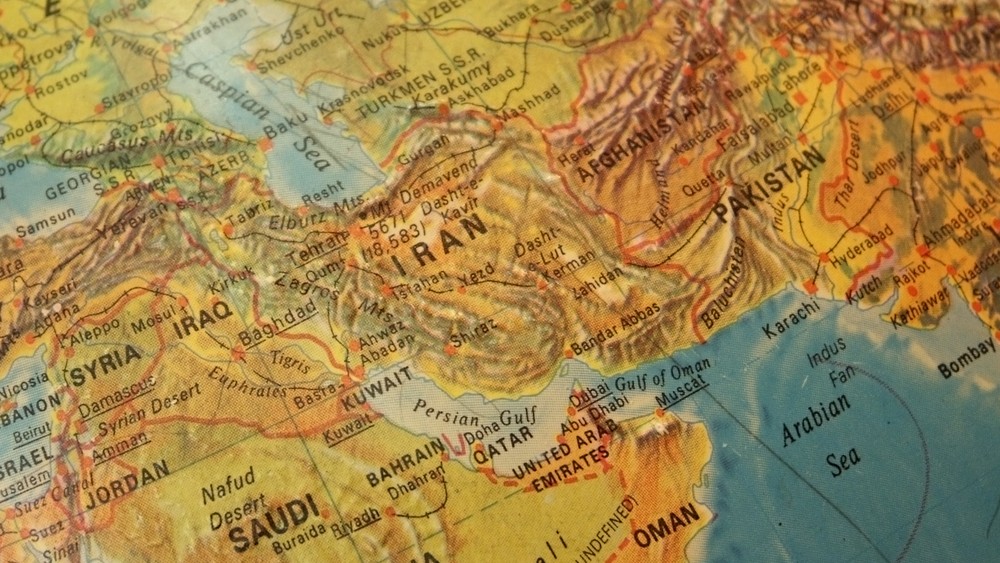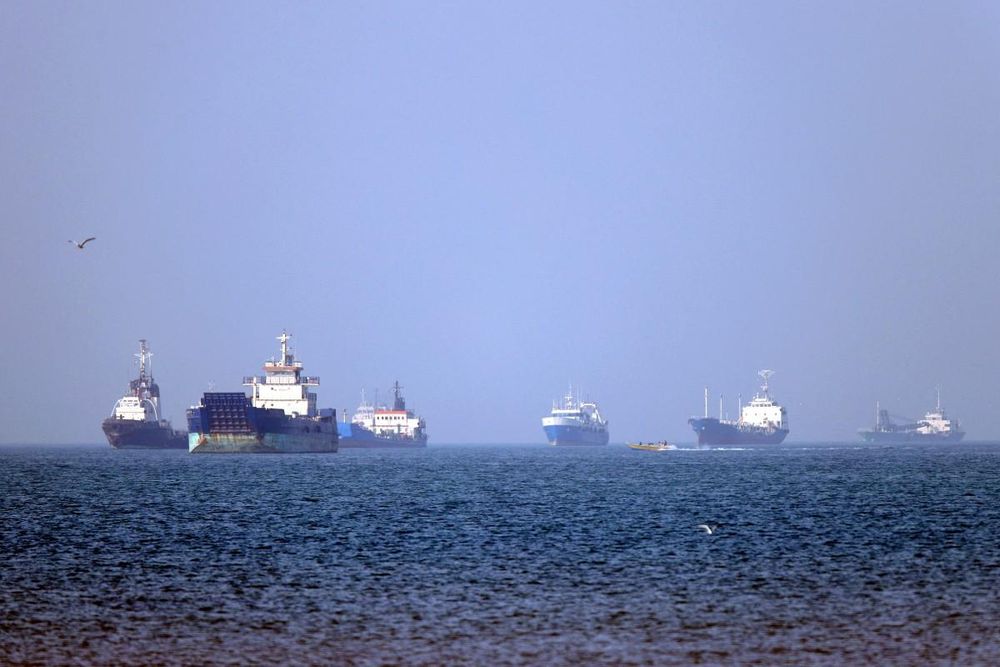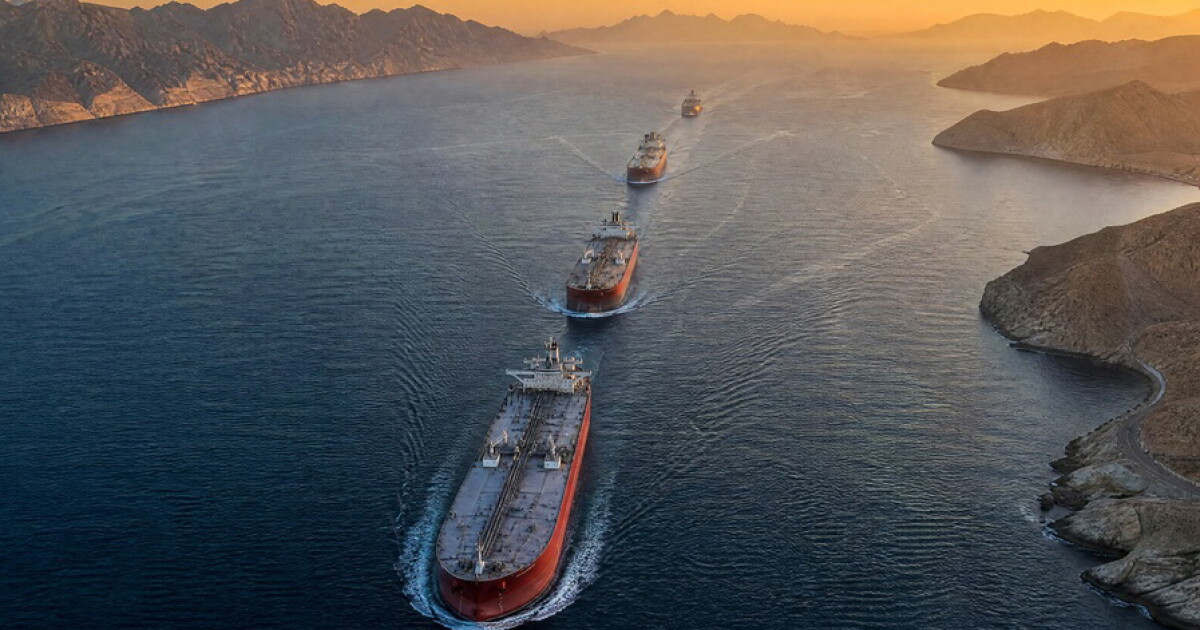
Big Oil will have breathed a big sigh of relief at the apparent end of the 12-day Israel-Iran conflict this week. The industry impacts were temporary and minor, and the potential market apocalypse — a closure of the Strait of Hormuz — was averted. Companies are back to work — but it's not quite a return to business-as-usual. The geopolitical balance of the oil and gas heartlands of the Mideast has shifted; Israeli power is ascending, while Iranian clout is diminished. The extent of change is debatable, and it's too early to gauge its impact. But the region's politics are probably even less predictable than before the conflict started on Jun. 13. Meanwhile, the stakes for Western oil firms are increasing, with net output from the top six Western producers in the region surging some 41% over the last decade. Nevertheless, their appetite for Mideast risk is unlikely to have been shaken. European giants TotalEnergies and Eni demonstrated their commitment to the broader region by securing gas-prone exploration permits in Algeria last week, when the conflict was still raging. US Exxon Mobil and Occidental Petroleum are also studying an Algerian upstream entry. Eni, Shell and Chevron were also awarded blocks offshore Egypt on Wednesday. The conflict forced Chevron to temporarily shut down operations at its 12 billion cubic meter per year Leviathan project, one of two offshore Israeli projects forced off line. But a Chevron spokesperson assured its dedication to the region: "We take a long view of our investments." Serious Mideast disruptions are rare, and when they occur — such as the 2019 Abqaiq-Khurais attack that took some 5.5 million barrels per day off line — they don’t last long, explains a former international oil executive: "When these conflicts flare up, they are out of your control. You focus on what you can control, keeping your people safe and facilities secure."
More at Stake for IOCs as Mideast Risk Profile Evolves
The geopolitical balance in the Middle East has shifted, leaving Western majors to reassess risk in a region where they have recently increased their investments.
846 words~4 min read