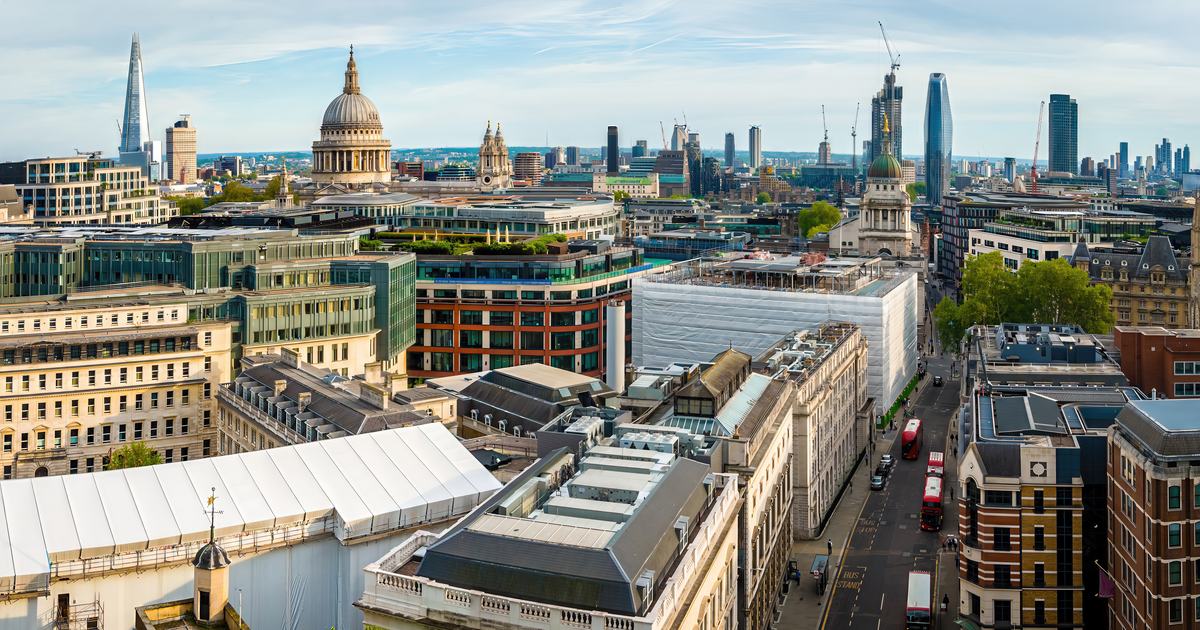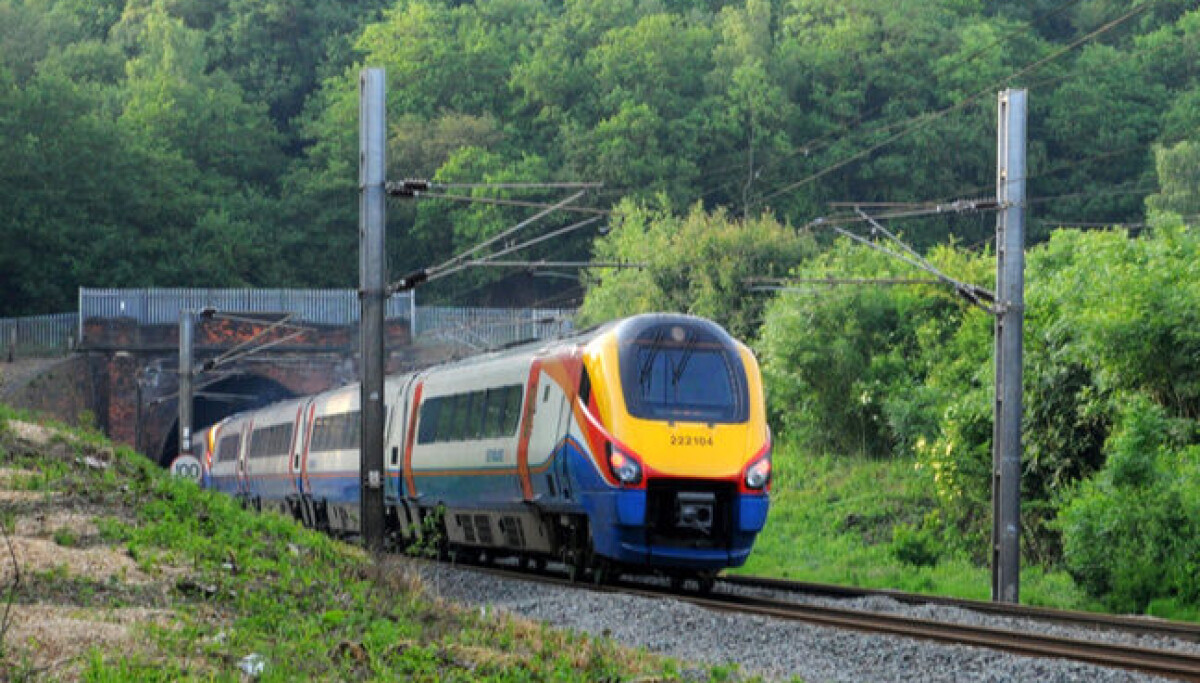
The other month I was on a train in London, on a business call with a client in Kampala, Uganda. The call broke up. It was my signal that dropped, not theirs. It was an embarrassing experience, but not a new one. Like many Londoners, I’ve become used to being unable to use my phone properly whenever I’m in a large crowd, a train station at rush hour or a very busy pub.
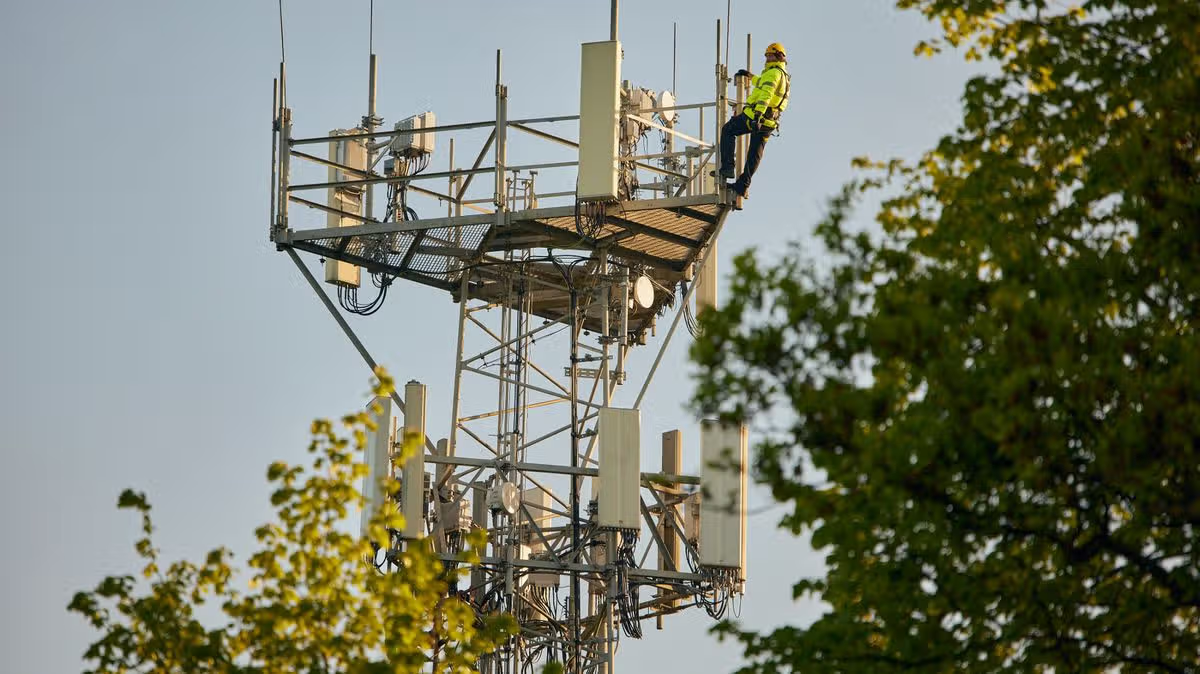
‘The path of least resistance for local politicians is to oppose new masts because they’ve learnt that approving infrastructure creates loud enemies.’
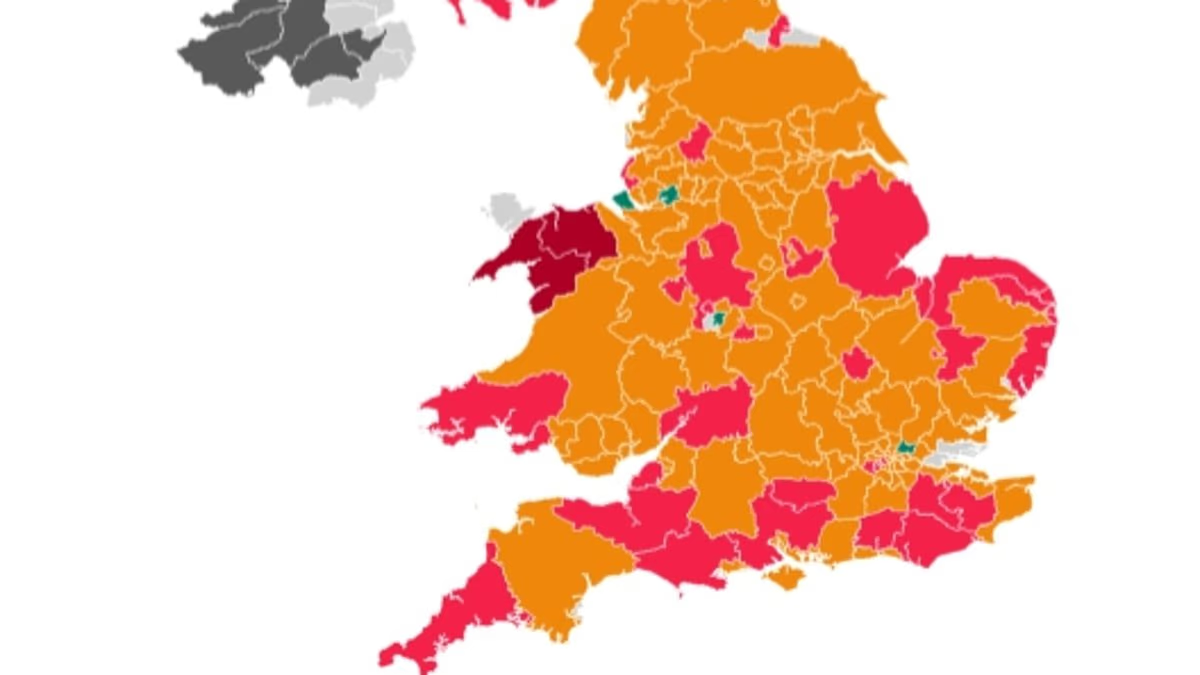
That is because London as a whole has the worst signal of any major British city, according to Ookla (which tests signal speeds) – over 60 per cent slower than Glasgow. Beyond the M25, it doesn’t get much better. The UK ranks 59th in the world for mobile download speeds, behind Kazakhstan, Peru and Vietnam. South Korea’s network is three times faster than ours. According to one recent report by the Centre of British Progress, these poor signals could be costing Britain £785 million a year.
This might sound alarmist, especially if you think of mobile connectivity just as a means to access the internet – but I’ve spoken to small business owners who have to refuse sales because their card payment machines can’t connect to a network. Poor signal impacts larger businesses too. Waymo, the self-driving car company, is planning to launch in London later this year. But this could be complicated by the city’s poor signal. There is also a cost to the rural economy: without a reliable signal, the self-steering tractors and real-time soil sensors that are a part of modern farming simply do not work.