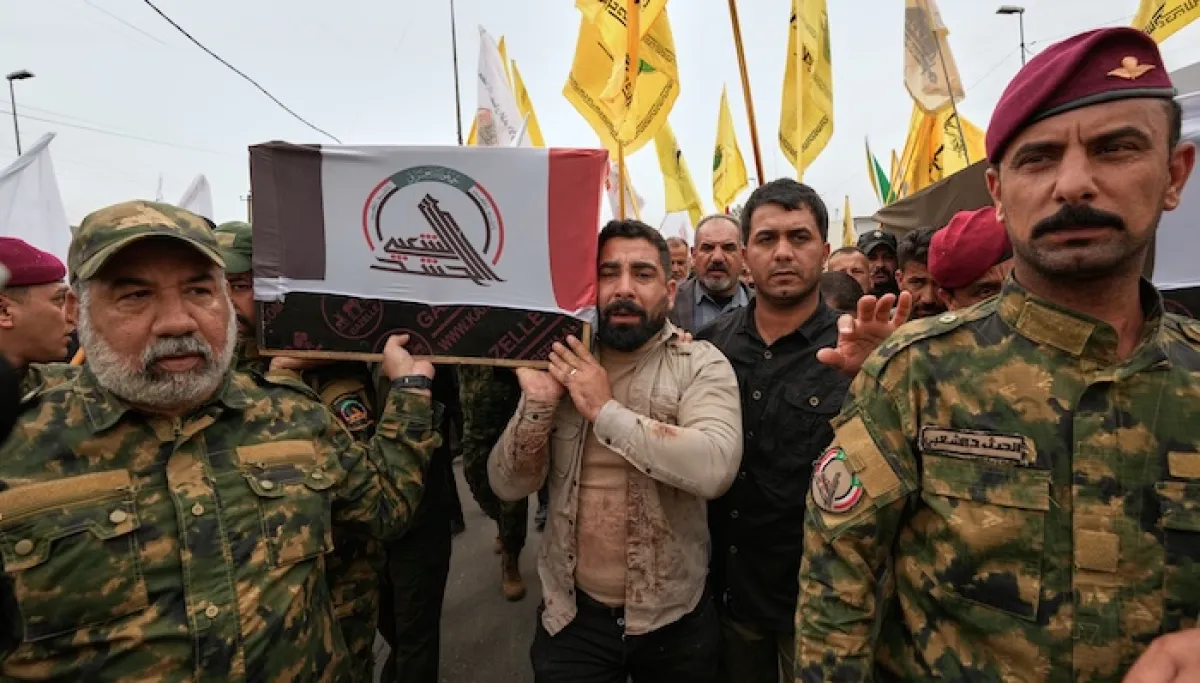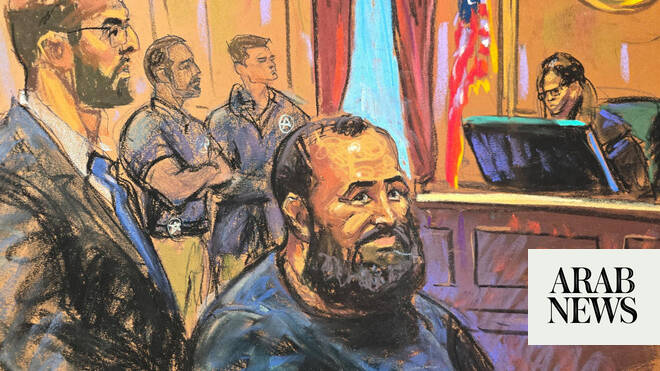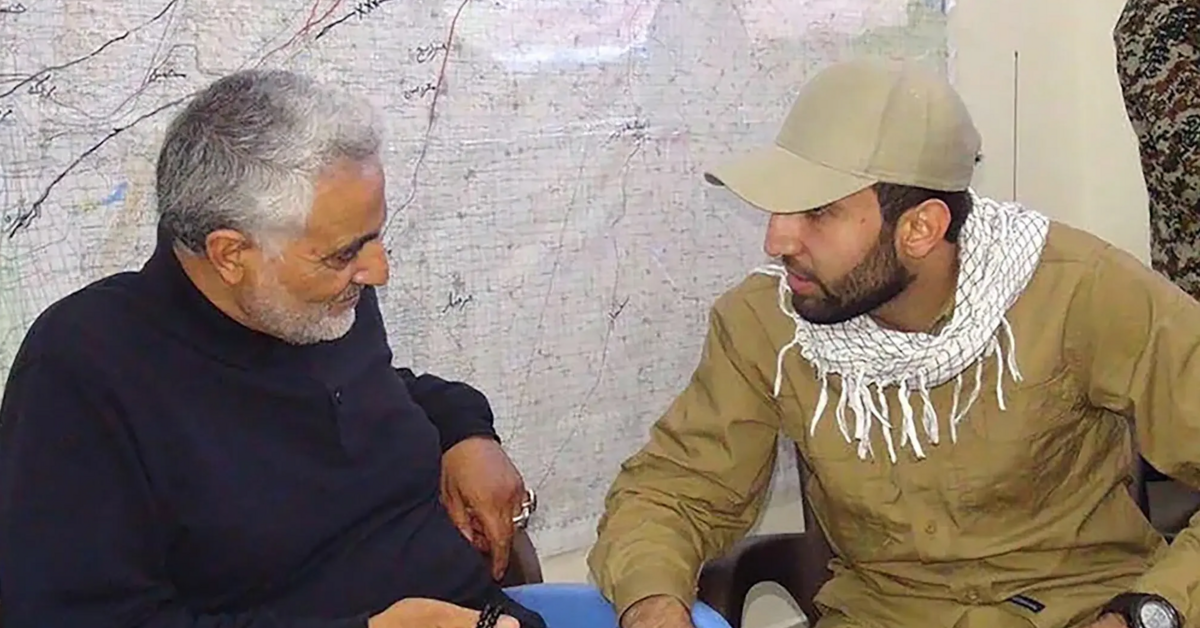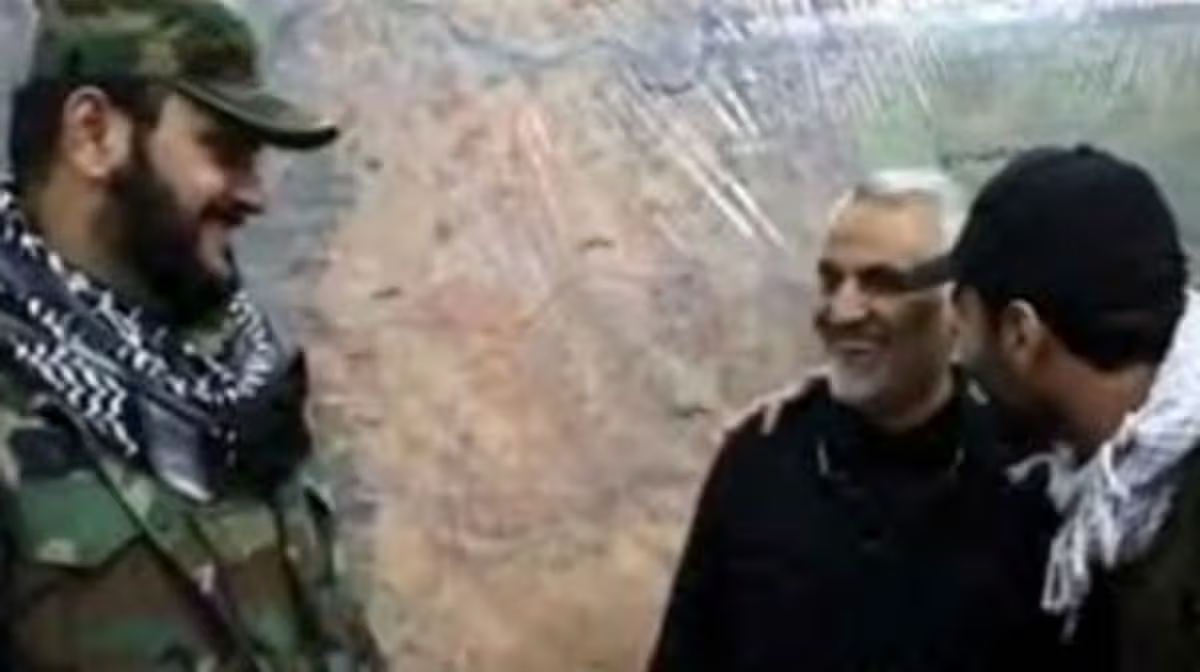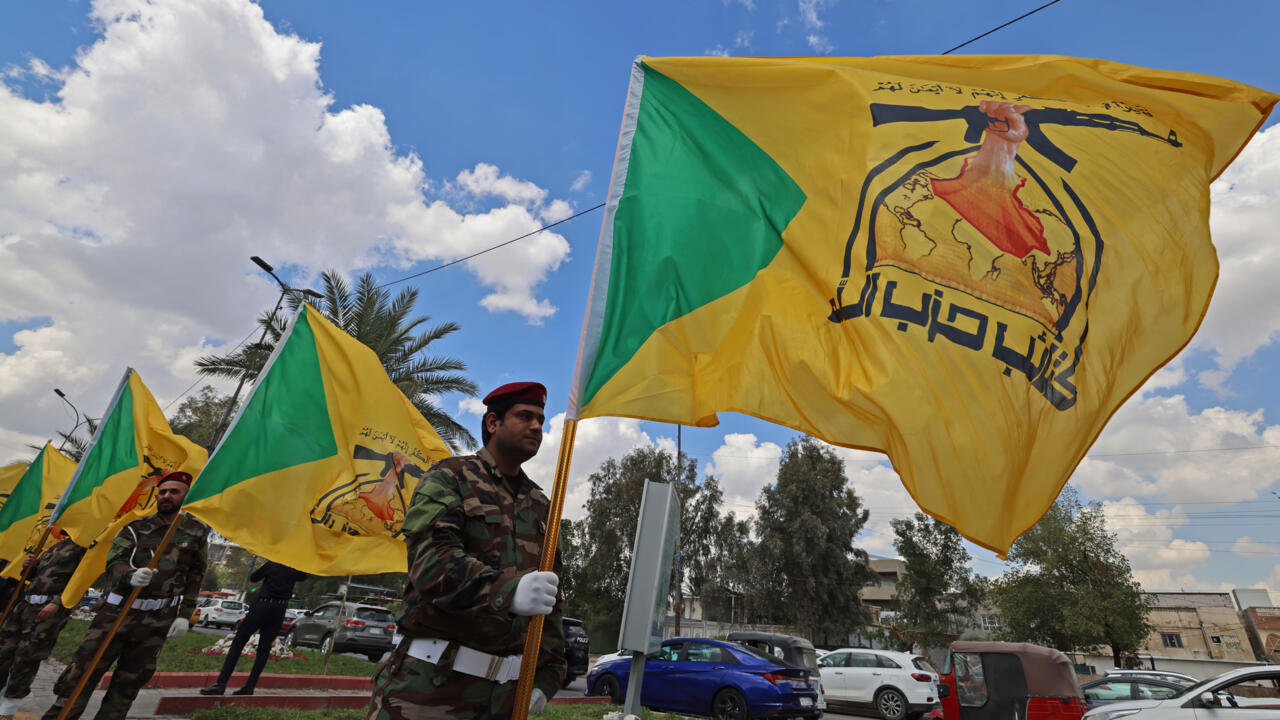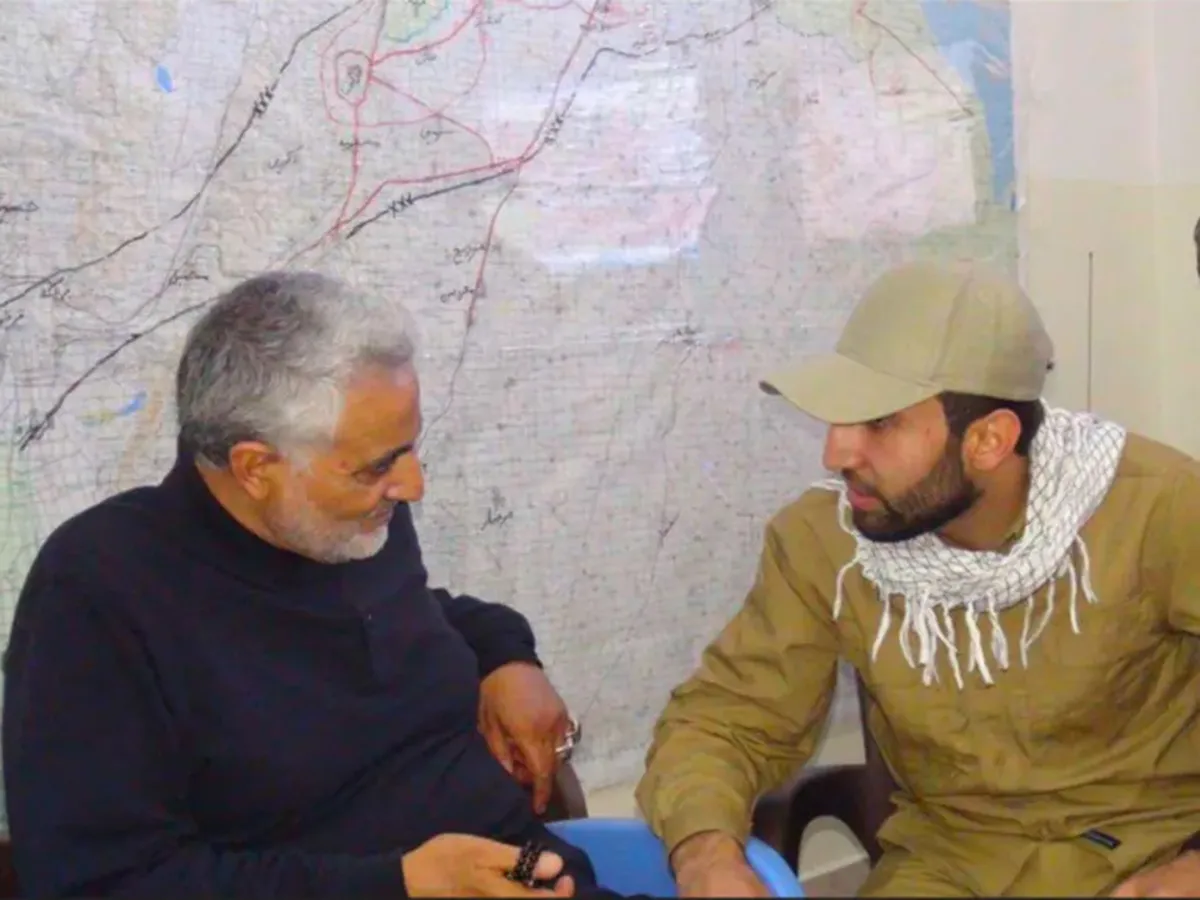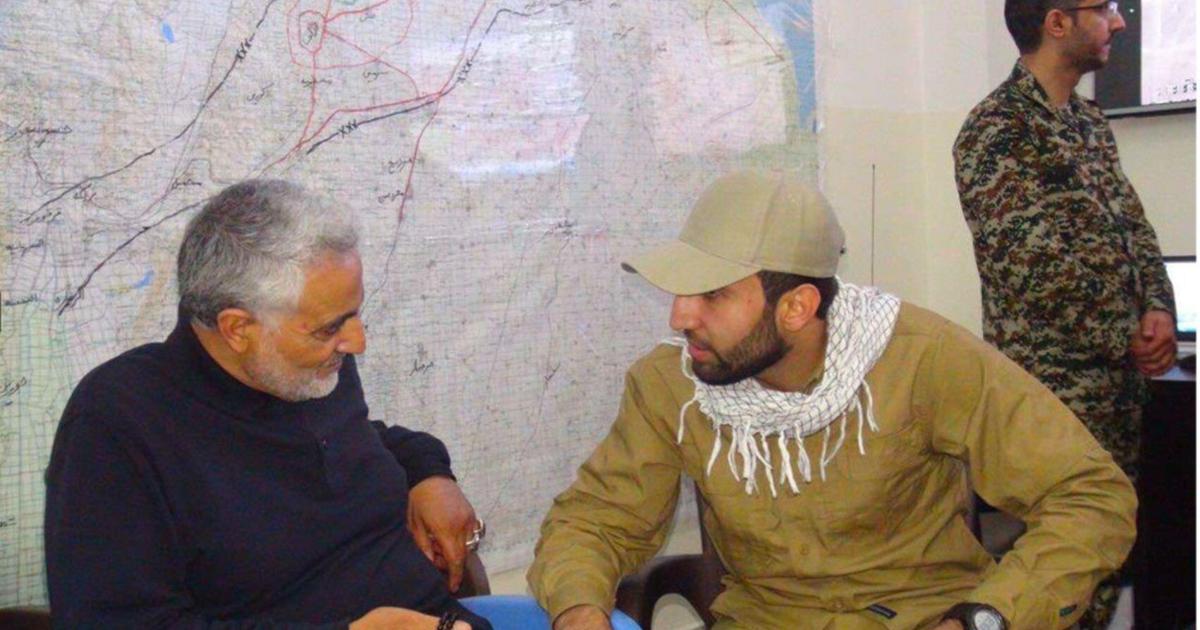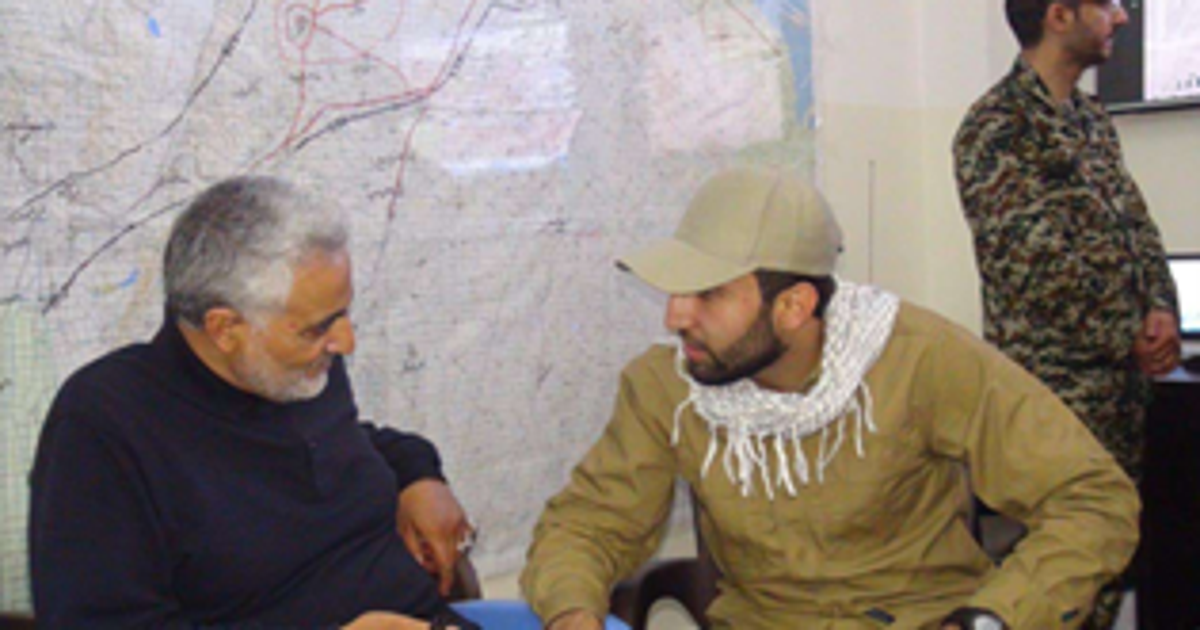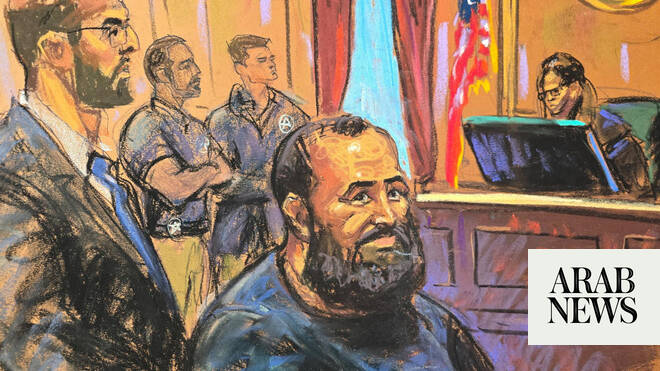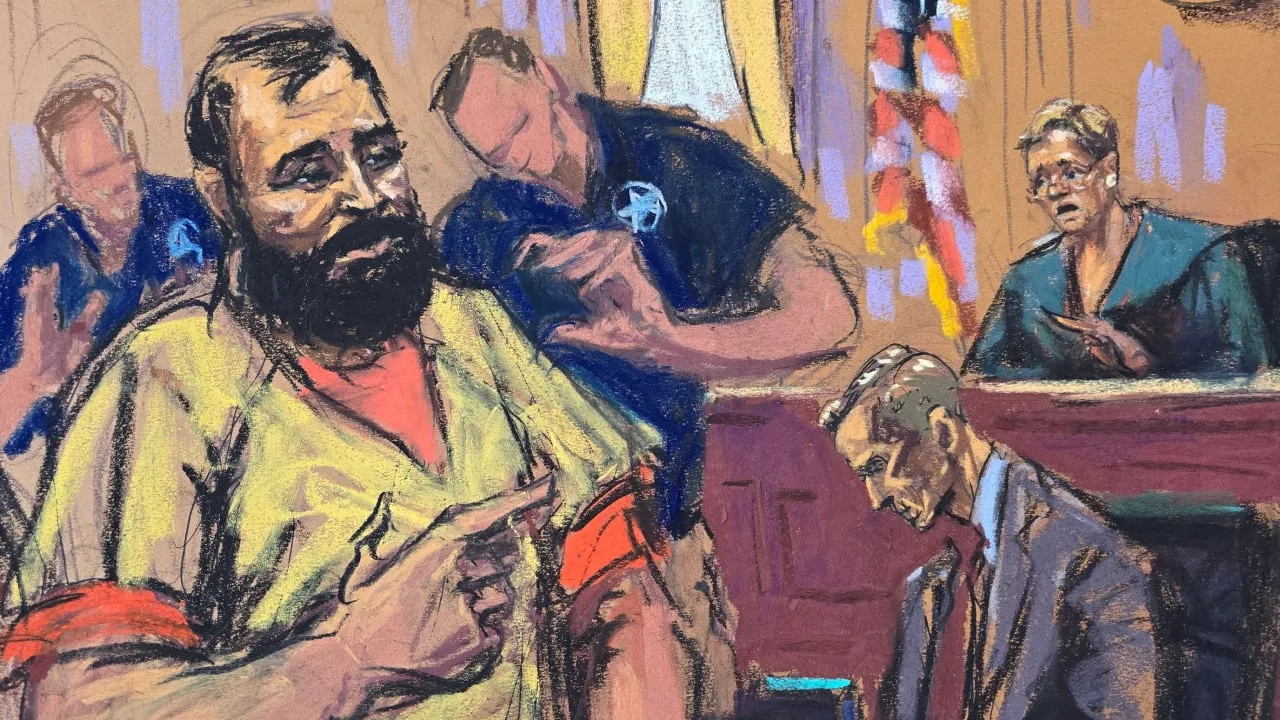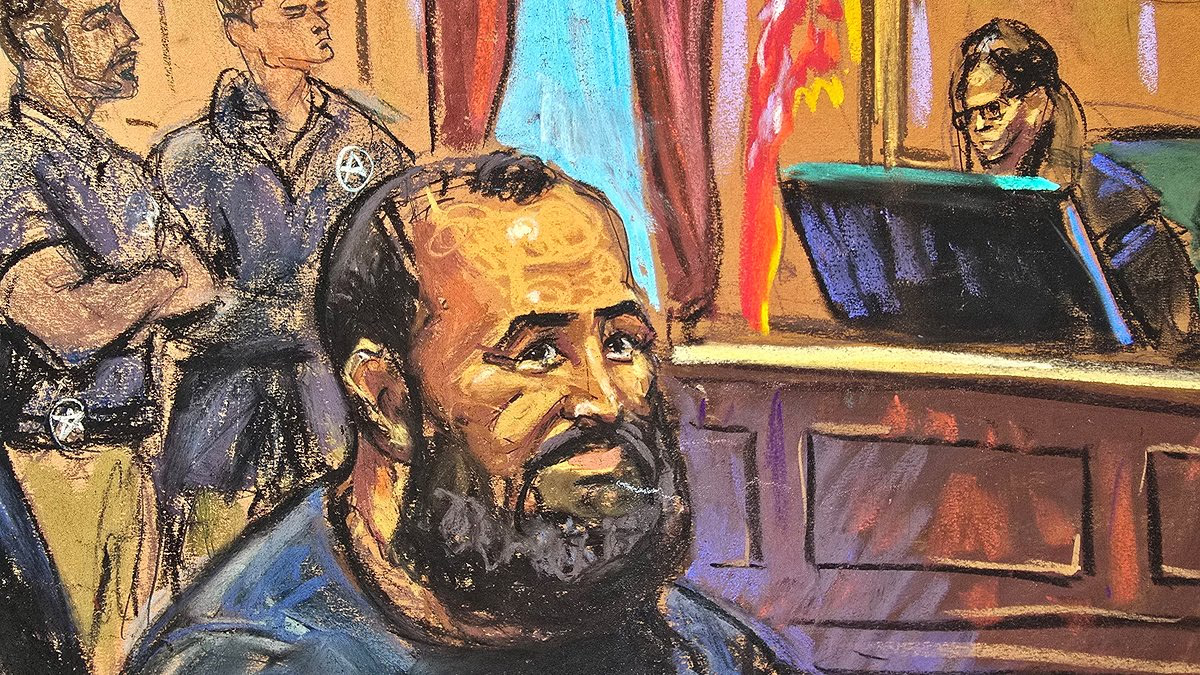
An Iraqi militia chief accused of coordinating a string of antisemitic attacks in Britain has been arrested in Turkey and transferred to the US.Mohammad Baqer Saad Dawood al-Saadi is accused of planning at least 18 terrorist attacks across North America and Europe since February, according to a criminal complaint filed by the US Department of Justice.Among them, he is said to have been the mastermind behind the firebombing of a synagogue in London and the stabbing of two Jewish men in Golders Green.The complaint was unsealed in a federal court in Manhattan on Friday, accusing al-Saadi of being behind a shooting at the US consulate in Toronto and a spate of firebombings in France, Belgium, Germany and the Netherlands. Al-Saadi is charged with conspiracy to provide material support to Harakat Ashab al-Yamin al-Islamiya (Hayi), an Iran-backed Iraqi Shia militant group, and Iran's Islamic Revolutionary Guard Corps, both of which have been designated by the US government as foreign terrorist organisations.He is also charged with conspiring and providing material support for acts of terrorism and conspiring to bomb a place of public use. Al-Saadi was reportedly caught in part through phone calls with an FBI informant who he believed was a fellow jihadist.He provided the law enforcement officer with photos and maps of Jewish centres in Los Angeles and Scottsdale, Arizona, that he planned to target. Mohammad Baqer Saad Dawood al-Saadi, accused of planning an attack on a synagogue, appears in federal court in Manhattan Mohammad Baqer Saad Dawood Al-Saadi, right, with Qasem Soleimani, former commander of the Iran's Islamic Revolutionary Guard Corps' Quds ForceThe informant connected him to someone he claimed was a Mexican cartel member and gun for hire who could carry out bombings of Jewish targets for money.He offered the FBI agent, posing as a cartel member, $100,000 to attack a synagogue and told him the attack should be recorded.Al-Saadi was arrested in Turkey before being brought to the US to stand trial.He reportedly smiled throughout his court appearance but did not speak.His lawyer said al-Saadi was a political prisoner and a prisoner of war and claimed he was being persecuted for his relationship with former Islamic Revolutionary Guard Corps (IRGC) leader Qasem Soleimani.Soleimani was killed by the US in a drone strike in Baghdad on President Trump's orders.Al-Saadi had a picture with the former IRGC leader on his social media and had previously promised to avenge his death. In 2021, he wrote: 'An eye for an eye, a tooth for a tooth. And coming to Washington and Florida.'He did not enter a plea and will remain in jail. Al-Saadi allegedly posted claims of responsibility for attacks on Snapchat and Telegram in the name of Hayi.The terror group claimed responsibility for a wave of crimes across the west as they unfolded, but officials believe Hayi was 'designed to carry out and further the terrorist goals of Kata'ib Hezbollah, and the IRGC'.Hayi claimed responsibility for arson attacks including an Israeli restaurant in Munich and a synagogue in Skopje, Macedonia.In the UK, a drone with the group's logo was flown towards the Israeli embassy in London. Hayi was an unknown entity for security services before the war in Iran and first appeared on social media channels associated with Iran-backed Islamist militia in Iraq.A clue that the IRGC may have been behind the group came when investigators found that Hayi's posts claiming responsibility or showing footage of attacks came so soon after each event, The Guardian reported.Some of the social media posts appeared before the attacks took place, suggesting the author was either close to the person who organised them, or the same person.Al-Saadi allegedly created some of the posts under his own name.Security services have reported that Iran has used criminal networks to recruit operatives.Investigators wrote: 'Essentially overnight, Harakat Ashab al-Yamin al-Islamiya was able to activate terrorist cells across Europe to carry out nearly 20 attacks in the weeks immediately following the start of the Iranian military conflict.' Police officers patrol at a cordon near to an incident at the Kenton United Synagogue in Harrow, north-west London A police car in Golders Green, north-west London, following a terror attack on May 1, which saw two Jewish men taken to hospitalFBI Director Kash Patel described Al-Saadi as a 'high-value target responsible for mass global terrorism' and said his arrest was the product of 'a righteous mission executed brilliantly' by the agency's agents and law enforcement partners.In his statement, Patel thanked U.S. Ambassador to Turkey Tom Barrack, calling him 'instrumental in bringing this successful mission home to the United States.'Al-Saadi has been kept in solitary confinement since he arrived at a federal jail in Brooklyn on Thursday night, Dalack said, adding that such treatment was 'unusual given the nature of charges in the complaint.'New York City Police Commissioner Jessica Tisch, whose officers investigated Al-Saadi as part of the FBI´s Joint Terrorism Task Force, said the case 'puts into stark relief the global threats posed by the Iranian regime and its proxies like Kata´ib Hizballah.'Kenton United Synagogue in Harrow, northwest London, was firebombed in April.The Metropolitan Police arrested a 17-year-old boy and a 19-year-old man in connection with the attack. Counter terror police began investigating whether Iranian proxies were behind the attacks.Harakat Ashab al-Yamin al-Islamia - the Islamic Movement of the Companions of the Right - claimed responsibility for the Kenton 'firebomb' attack. The pro-Iran group, also known as Hayi, released video footage of a man walking up to the building with what appears to be petrol bomb and hurling it at the site. The Amsterdam attack caused a fire and significant damage to the building, but no injuries, according to local media reports. It followed an explosion outside a Jewish school in Amsterdam, which Al-Saadi celebrated on Snapchat with an Ashab al-Yamin-branded video showing the blast and the assailants fleeing on a motorcycle, the criminal complaint said.In Paris, police found a homemade bomb consisting of a gasoline-filled container taped to a powerful firework. Forensic experts said the device contained 650 grams (about 23 ounces) of explosives and that it could have produced a large fireball and ignited a significant blaze.
Militia chief accused of masterminding Golders Green attack arrested
Mohammad al-Saadi is accused of planning at least 18 terrorist attacks across North America and Europe since February, according to a criminal complaint filed by the US Department of Justice.
1,018 words~5 min read