Do YOU have a story? Email william.g.hallowell@dailymail.co.uk Get your news delivered straight to you by 7am - sign up to our new Morning Mail newsletter for FREE By WILL HALLOWELL, NEWS REPORTER Published: 10:49 BST, 17 May 2026 | Updated: 11:20 BST, 17 May 2026
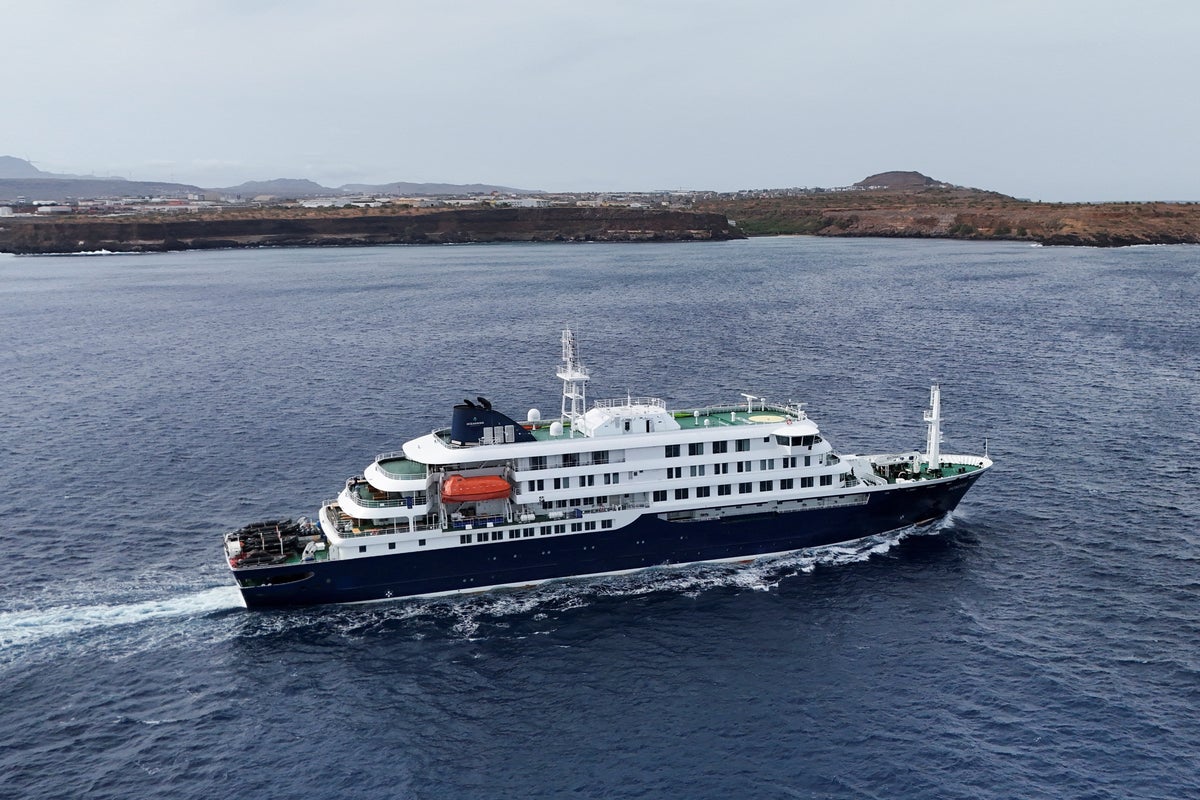
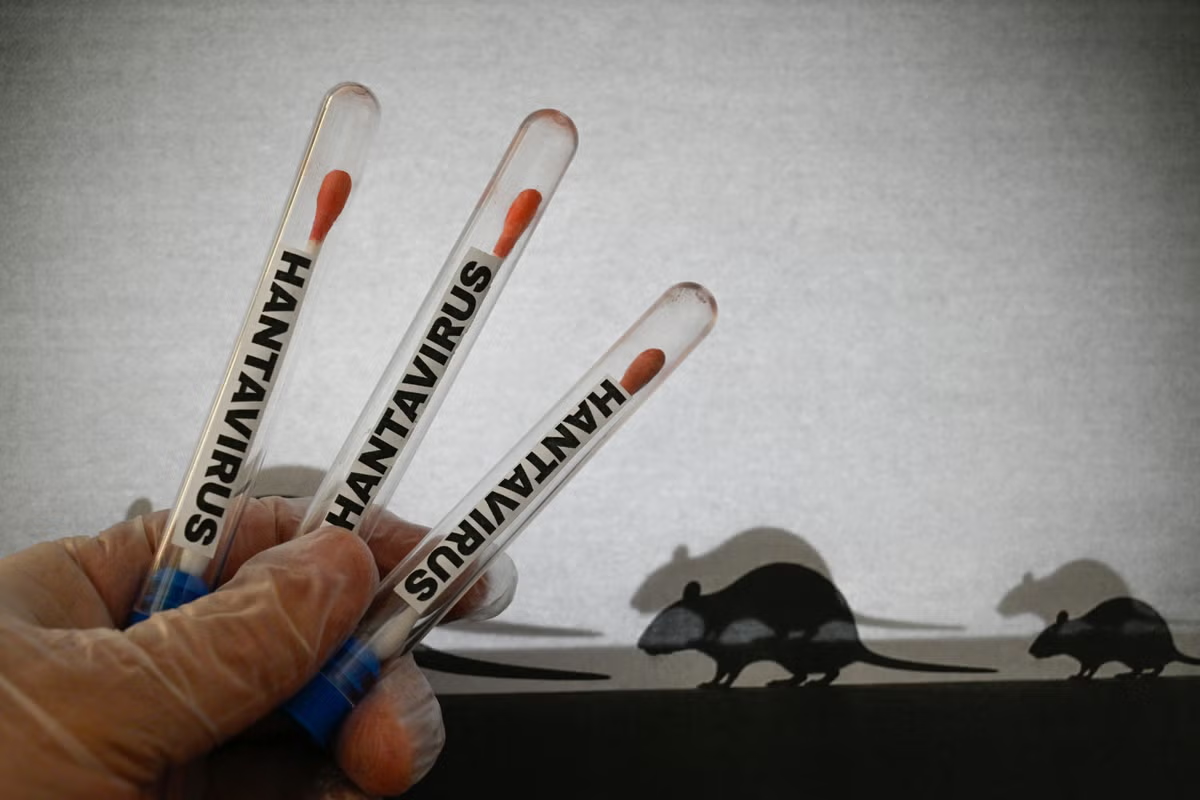
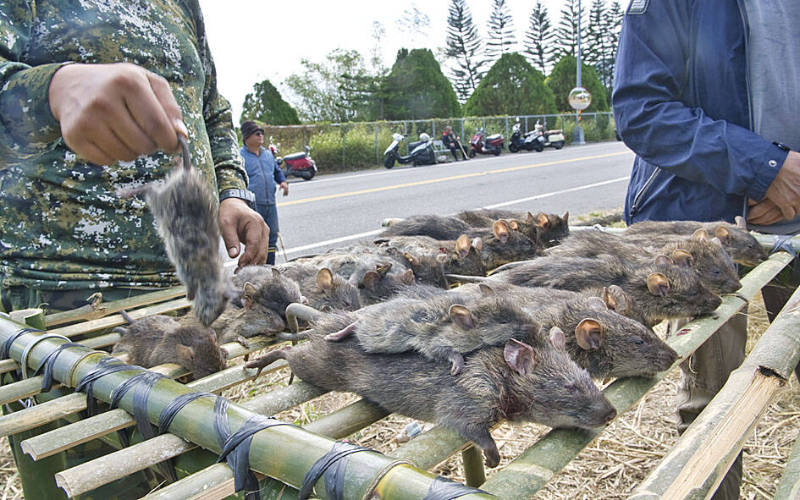
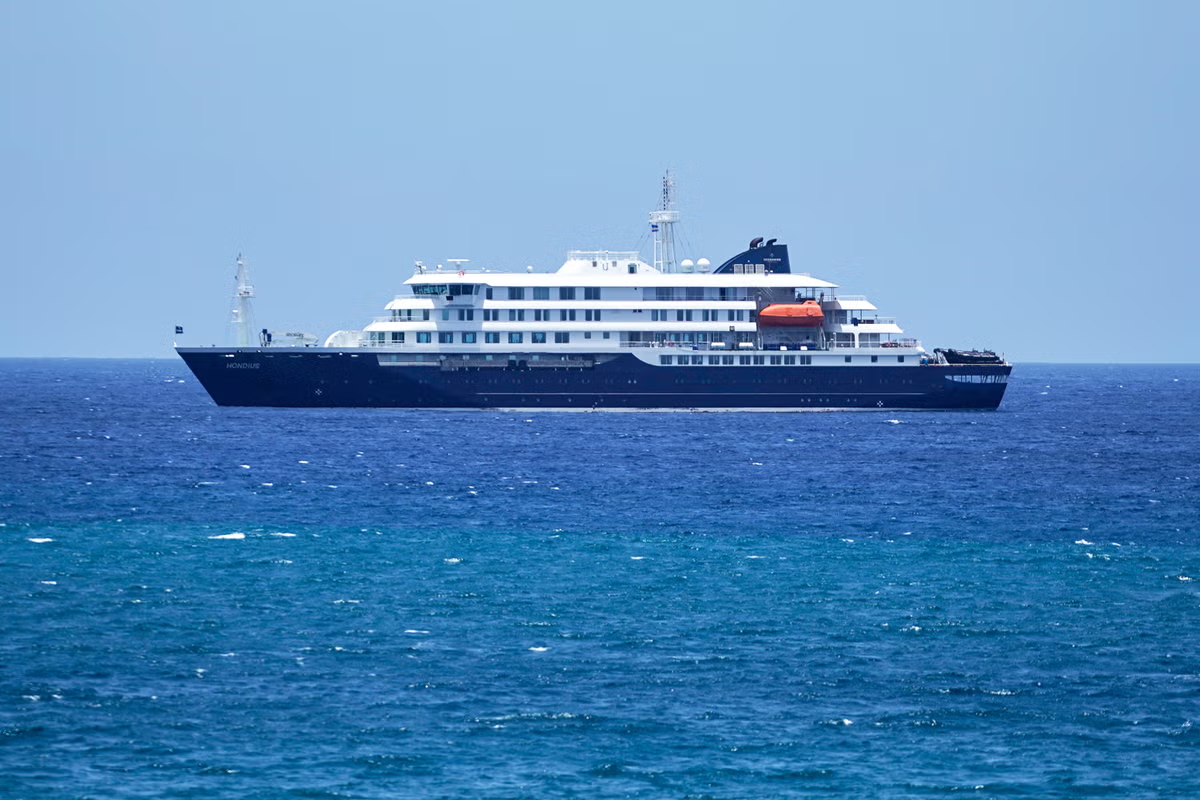
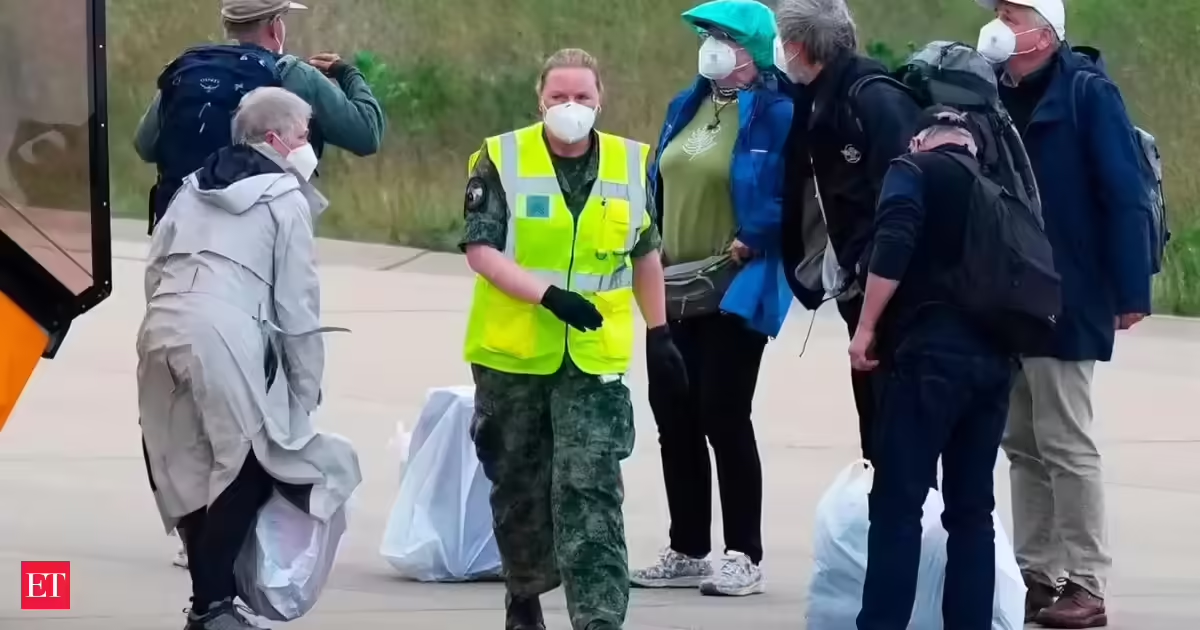
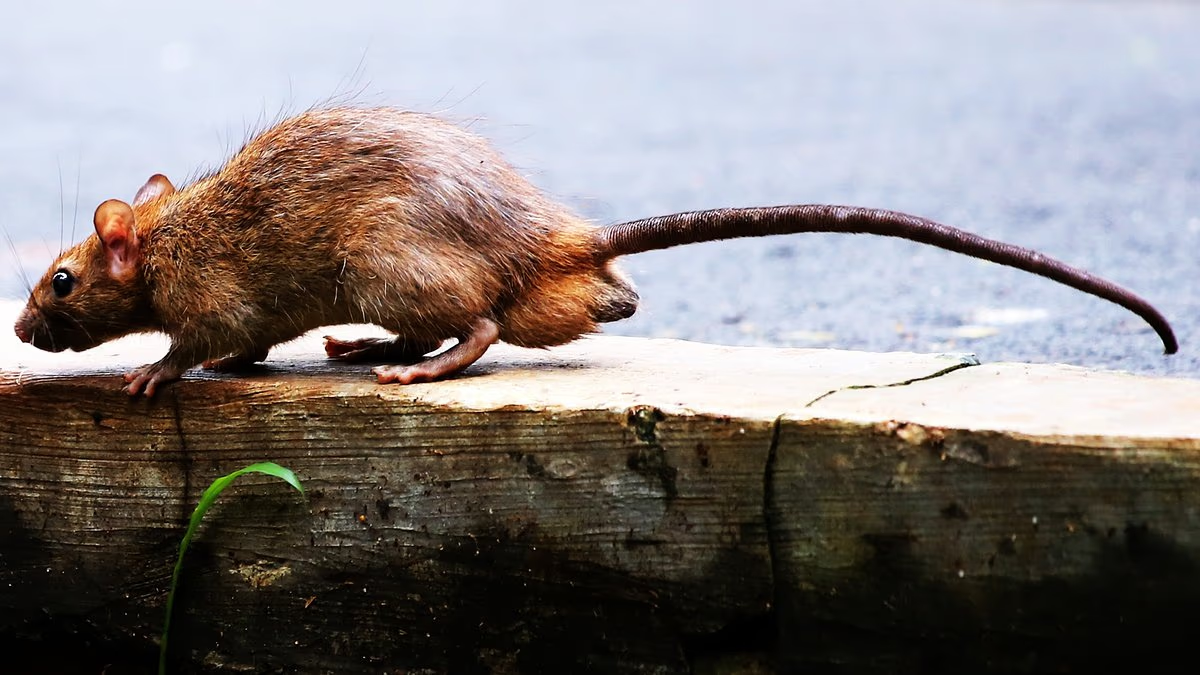
Dozens of Britons who are self-isolating following a hantavirus outbreak could become infected and pass it on to sewer rats, doctors have warned. 'All hell could break loose' if humans pass the fatal virus on to the tens of millions of brown rats living in Britain's sewers. Experts are now concerned that rats could become infected with the Andes strain of hantavirus, causing the outbreak to spread further. They are worried that Britons who were on board MV Hondius or who have had contact with passengers could develop hantavirus and spread it through the sewers. Speaking anonymously, one doctor experienced in health outbreaks told The Telegraph: 'I am incredibly concerned that patients who are self-isolating may develop the virus and then pass it on through the sewers and infect sewer rats. Then all hell could break loose.'This process, where humans pass on pathogens to animals, is called 'reverse zoonosis'. The Andes strain has been spread in Argentina by long-tailed pygmy rice rats. No studies have shown that hantavirus can infect brown rats, in Britain's sewers, but there is also no evidence that it cannot. Doctors have warned that hantavirus could spread through Britain's sewers The hantavirus-stricken cruise ship MV Hondius leaves Tenerife on May 11 Tens of millions of brown rats live in Britain's sewage systems. It is believed that between 20 to 50 per cent already have the Seoul strain. Dr Giulia Gallo, a postdoctoral scientist at the Pirbright Institute in Surrey, said: 'I can see where the concern for reverse zoonosis comes from...'While I think the risk for reverse zoonosis is low based on evolution studies and related hantaviruses, we do not have the data supporting that statement that it (Britons passing hantavirus onto brown rats) would definitely not happen.'However, other experts believe the risk is 'extremely low'. Professor Michael Marks, an infectious diseases expert at the London School of Hygiene & Tropical Medicine, said: 'Based on the existing data this seems very unlikely. Overall therefore I think the risk of a reverse zoonosis is extremely low.'And Professor Paul Hunter, of Norwich Medical School, said reverse zoonosis of hantavirus in brown rats was 'not impossible' but unlikely because 'you would need close contact with a rat or mouse for it to happen'. He added that infected rats would need to have close contact with other rats for hantavirus to then spread through the sewers. On Friday, the UK sent a rapid response mobile laboratory to the island of St Helena following an outbreak of hantavirus on a cruise ship.