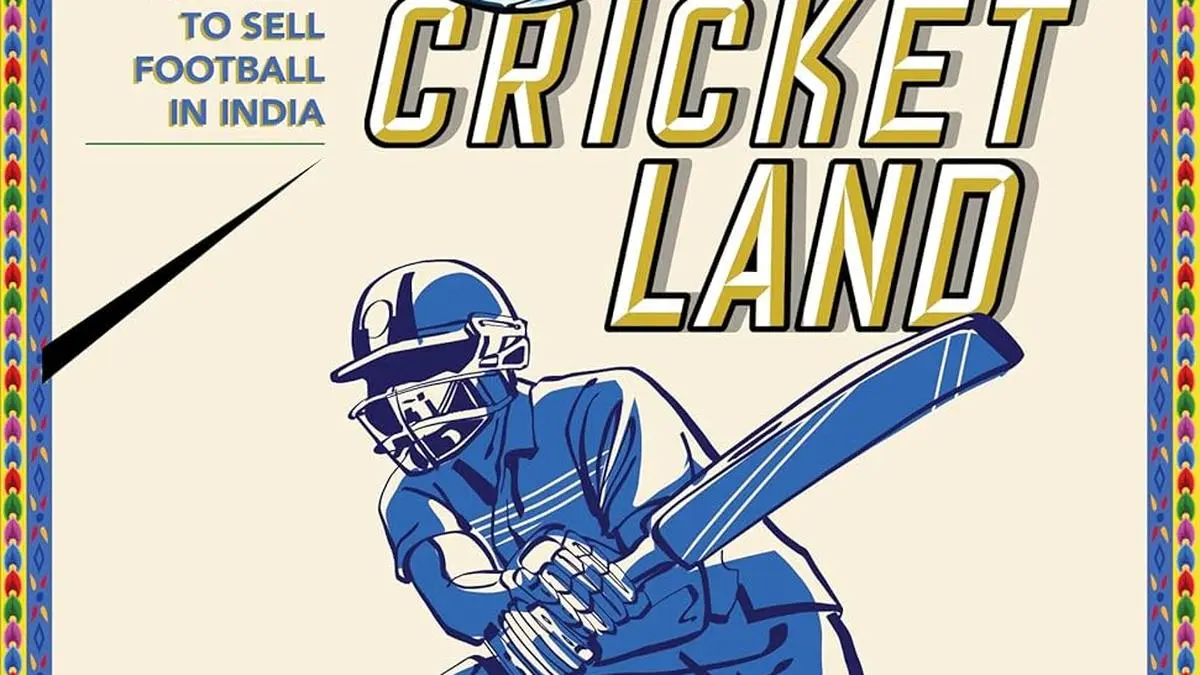
In Breaking Into Cricketland, José Antonio Cachaza recounts his nearly seven-years-long journey in India trying to do something that would seem improbable anywhere, but more especially here -- expand the footprint of Spanish football in a country where cricket is not merely dominant but devotional.On the surface, the book is a memoir of a European sports executive navigating Delhi traffic, linguistic plurality and the layered realities of doing business in India. But beneath that there is also a study of how change actually happens in India -- slowly, relationally and without shortcuts.Kerala projectOne episode that captures this best is the Kerala project to launch LaLiga-branded football schools. This faltered because the assumption was that a prestigious European name would be enough to draw children into it. Only to learn the hard way that it wasn’t. Brand recognition did not automatically translate into trust, enrolment or sustained engagement. The initiative struggled because the ecosystem around it had not been built. The lesson, I think, is stark that in India, brand just cannot substitute for groundwork.I found this insight echoing throughout the book.Cachaza arrives in India in 2016 with experience in broadcast rights, sponsorship architecture and club management. What he does not bring is the idea that credentials alone command authority. The memoir’s strength lies in its observational detail from the early bewilderment at Delhi’s chaos, the cultural decoding of “jugaad”, and finally the realisation that apparent disorder often masks a different internal logic.Sports diplomacyRather than retreat into an expatriate cocoon, he chooses immersion. He listens and learns how local partnerships function and recognises that sports diplomacy in India is not transactional but relational. The foreword of the book by former diplomat Sanjay Verma describes it as “sports diplomacy done right”, and that feels exactly right.One of the book’s more astute passages is its discussion of emotion. Cricket in India is not just a sport but a marker of identity and aspiration. Cachaza understands that football cannot compete by imitation or confrontation, but it must offer a different emotional experience. His appointment of Rohit Sharma as a LaLiga ambassador was thus less a marketing flourish than a cultural bridge and an acknowledgment that legitimacy in India is often conferred, not claimed.Breaking Into Cricketland is not triumphalist and as Cachaza’s tenure ends in 2023, he measures the impact in increased visibility, stronger media presence and incremental growth rather than in dramatic conquest. Football does not dethrone cricket, but rather finds its space alongside in India.What makes the memoir timely is not simply its insider view of LaLiga’s India strategy, but its broader implications. Sustainable sporting cultures are not imported fully formed elsewhere, but they are cultivated and that requires patient infrastructure, credible local partners and consistent standards at the grassroots.Building an ecosystemAs always, I am caught saying that “Excellence cannot be parachuted in”!In a country that speaks of Olympic ambition and sporting transformation, Cachaza’s story offers a quiet reminder that ecosystems matter more than monuments. If young Indians are to experience world-class sport beyond a single discipline, the work will resemble what this book describes - patient, local, incremental and absolutely built on trust.Breaking Into Cricketland ultimately succeeds because it resists clichés. India is neither romanticised nor reduced to chaos. It is presented as complex, demanding and capable of rewarding those willing to listen.For anyone interested in the future of sport in India -- administrators, entrepreneurs or policymakers, this book is a must. It’s a memoir that reads less as a football story and more as a manual in humility. And that I think is its most valuable contribution.(The reviewer is the founder of Athrise, a sports development and performance ecosystem built to help young athletes discover their potential)
La Liga’s Indian sojourn
Explore José Antonio Cachaza's memoir on expanding Spanish football in cricket-loving India, highlighting patience, relationships, and cultural insights.
644 words~3 min read