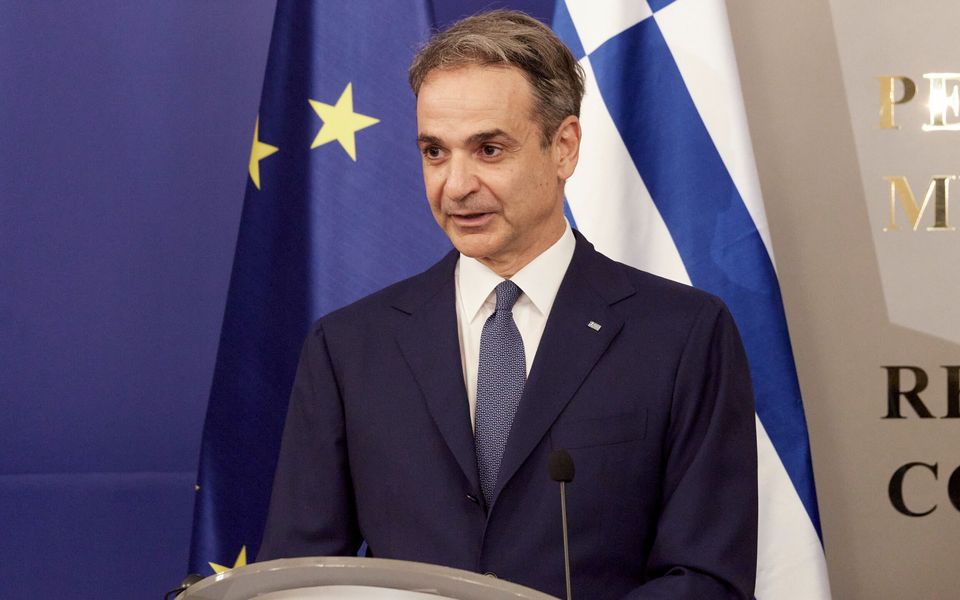
Although it contains a fair amount of truth, I will not give in to the temptation to attribute to Prime Minister Kyriakos Mitsotakis an intention to instrumentalize the revision of the Greek Constitution. Because, as clear as it is that he is trying to shift the political confrontation to a field that is more favorable for him, it is equally certain that, when the debate on the revision of the Constitution opens, many unexpected things – not to mention positive ones – can happen. One only has to consider that nobody knows today what the composition of the next Parliament will be, which, as is well known, will be the one to approve the new Constitution (as stated in Article 110).
What is striking about Mitsotakis’ announcement is the absence of any hierarchy of the proposals he submitted, as if they are all equally important. This shows the whole project lacks boldness – one could even say it is dull – since even the most suspicious reader has difficulty distinguishing which of them are important, which are indifferent and which are dangerous. All the more so since most of them are so vague that one cannot understand what the government had in mind. For example, what does the unlikely word “purification” mean when it is used to announce the intended “rationalization” of the press, television, radio and the Internet? And what about the adoption of rules for “good government functioning”?