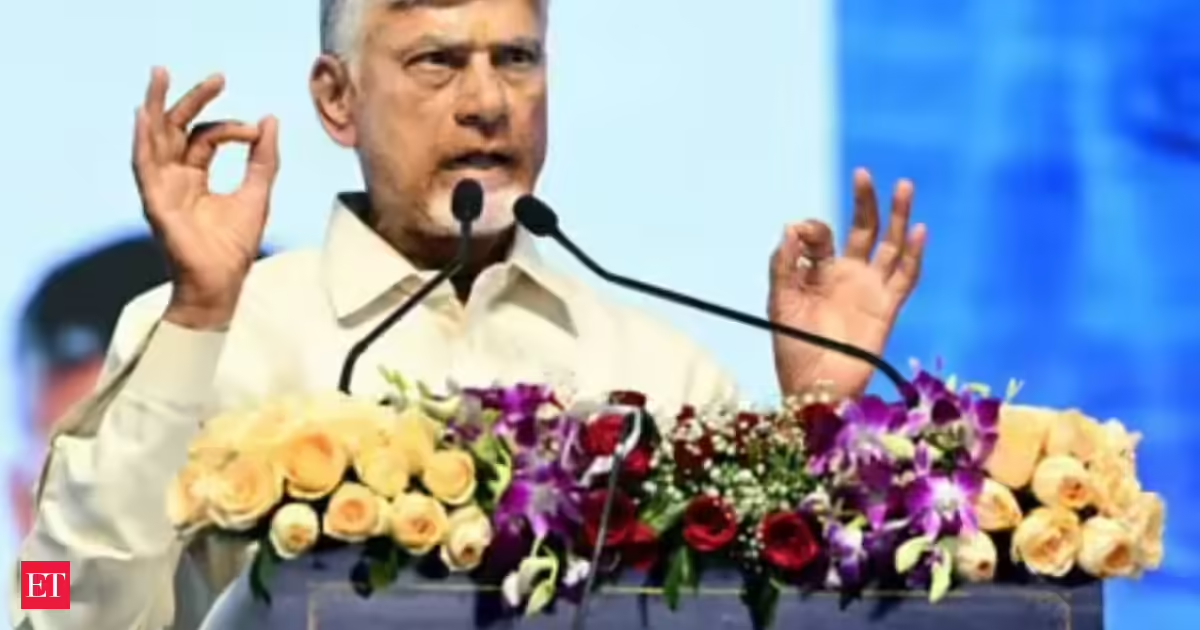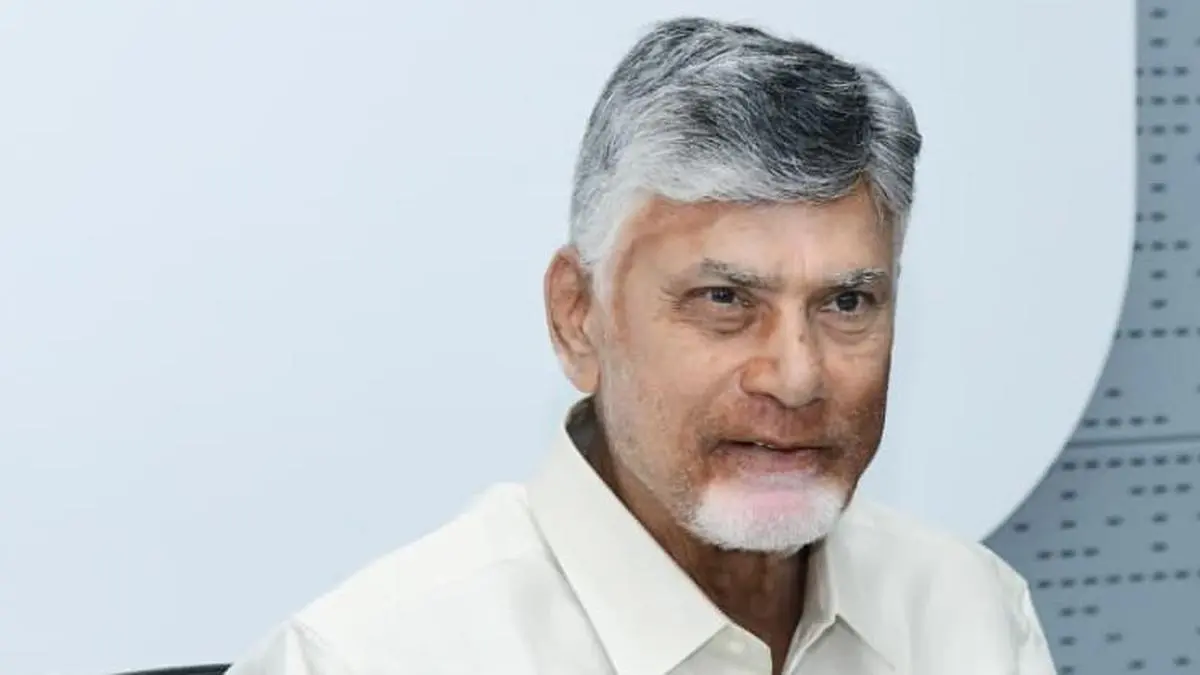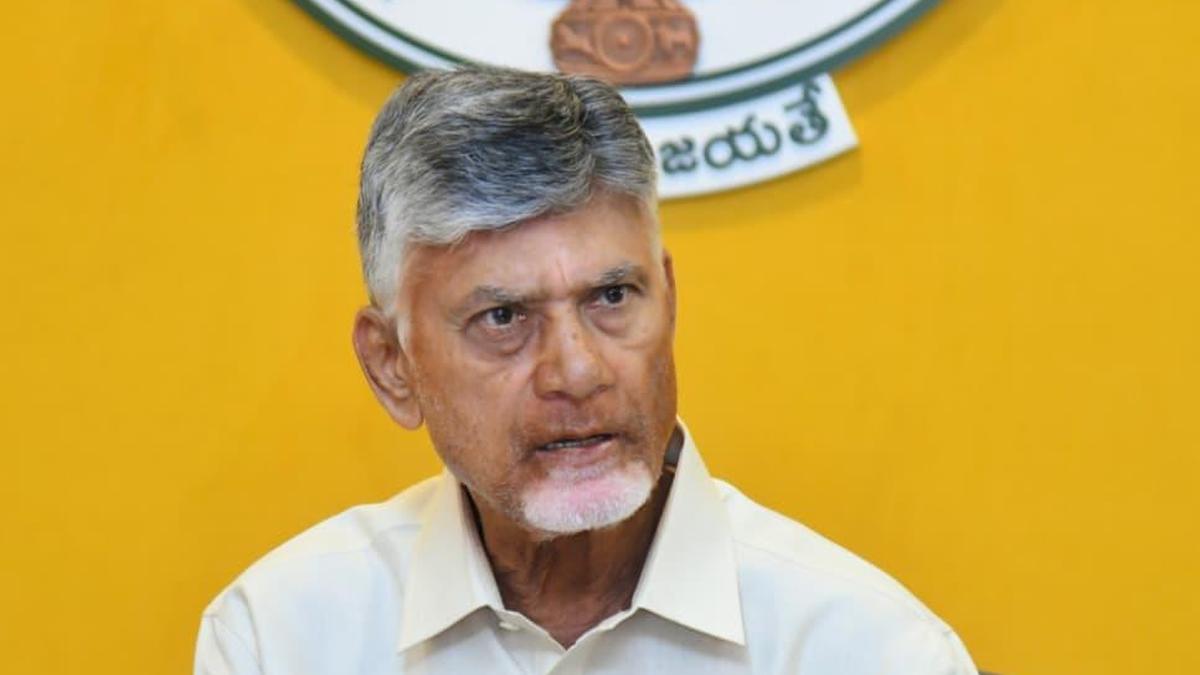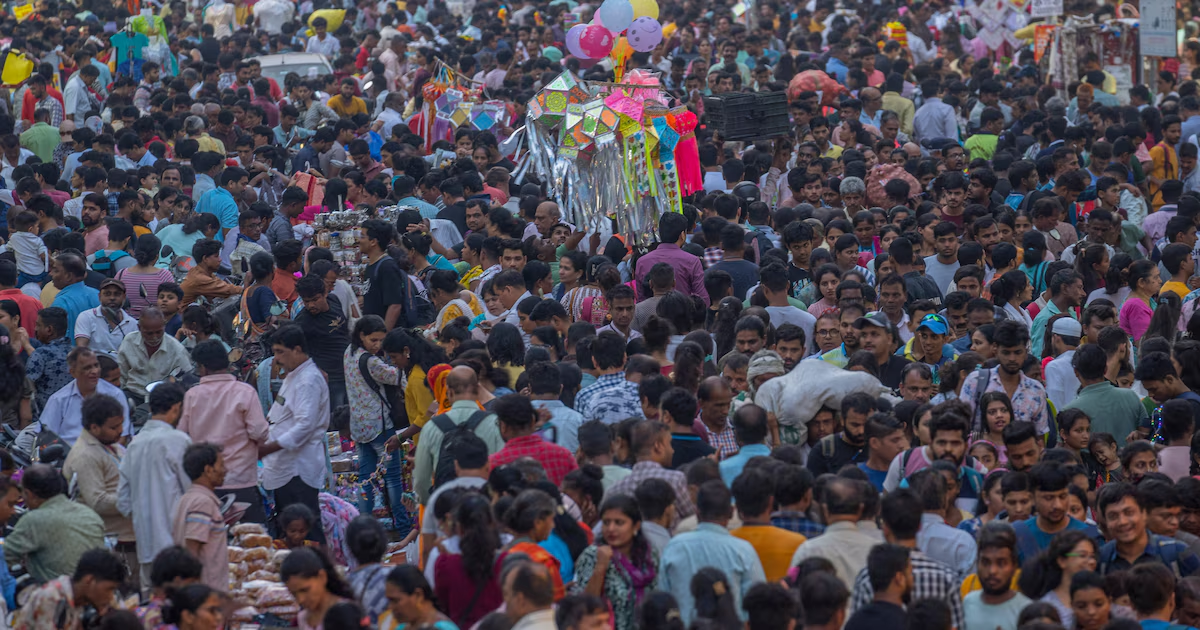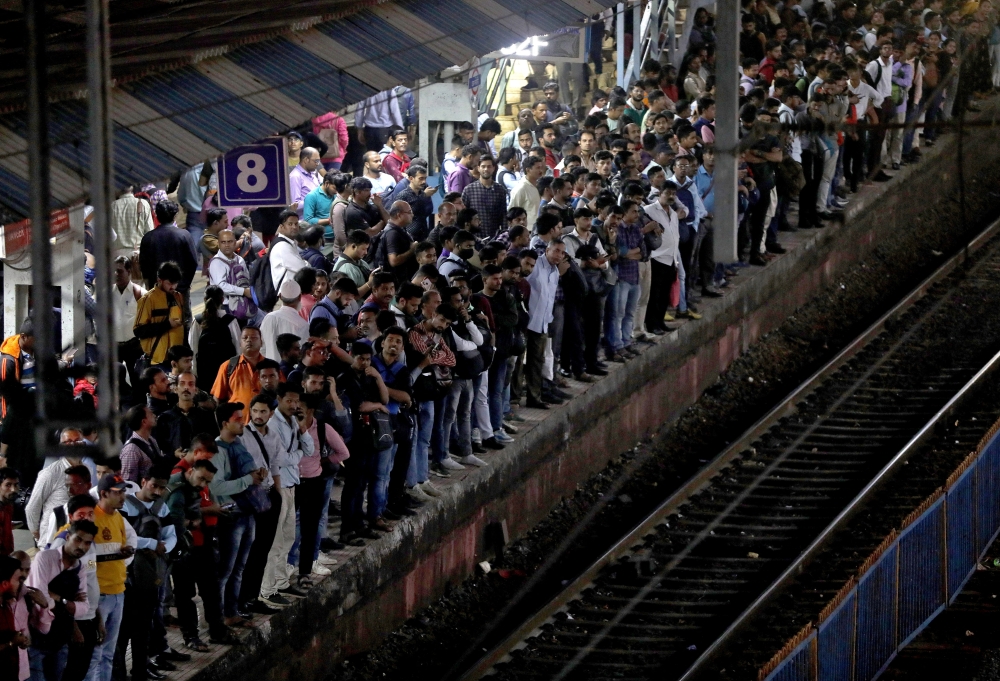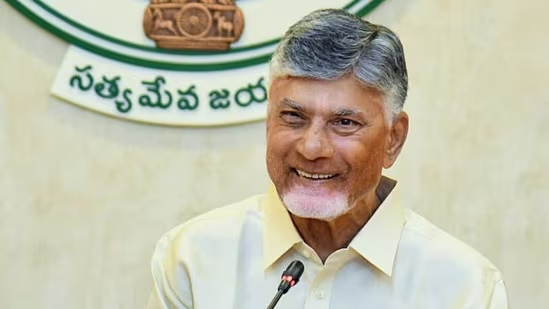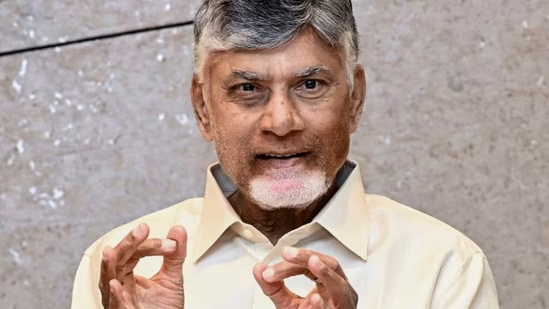
When N Chandrababu Naidu, the chief minister of Andhra Pradesh, announced cash incentives for families if they have a third and a fourth baby, he argued the state's overall population is ageing as “young couples these days are not having enough children”.Andhra Pradesh CM N Chandrababu Naidu at the state secretariat in Amaravati. (PTI Photo)Data bears some of that out, but there's also a wider political play involved, as the timing suggests.What's the scheme?Naidu announced ₹30,000 for families having a third child, and ₹40,000 for a fourth, as part of the new Population Management Policy the TDP-led NDA government has been developing since early 2026.That's in contrast to the two-child policy — 'Hum do, Hamare do' — promoted throughout India for decades.The announcement, at a public event in Narsannapeta, comes at a time when southern states are grappling with fertility rates well below the national average. The policy, as stated earlier in March, includes also ₹1,000 per month in nutrition support for five years for the third child, free education until age 18, and 12 months of parental leave, including two months of paternity leave.Also, it's weeks after a defeated delimitation bill sharpened the debate over political representation by numbers alone. First, the demographic bit. What's the demographic argument?Andhra Pradesh's Total Fertility Rate (TFR) — the average number of children a woman is expected to have over her lifetime — currently stands at 1.5, according to figures Naidu cited in the state assembly in March. That is down from 3 in 1993, and well below the replacement level of 2.1.Replacement level is the number of children to ensure the overall population stays steady, taking into account death rates across ages.Numbers say this:The most recent National Family Health Survey (NFHS), 2019-21, put India's national TFR at 2. It found only five states above replacement level. Those are Bihar (2.98), Meghalaya (2.91), Uttar Pradesh (2.35), Jharkhand (2.26), and Manipur (2.17). All remaining states were below 2.1.Southern states cluster between 1.5 and 1.8, with Kerala, Tamil Nadu and Telangana at 1.8, and Karnataka and Andhra at 1.7. These are comparable to or below rates in many European countries.Naidu cited the 1.5 figure as he spoke of 2023 data, and said the low-birth-rate trend he said could pose challenges for the economy. The Andhra CM told the assembly that if current trends continued, 23% of AP's population could be elderly, meaning above 60 years of age, by 2047, and that 58% of families in the state currently have only one child. The elderly population stands at 10% in Andhra as per recent data cited by the government.However, political parties in northern India, such as the Samajwadi Party, have called for controlling population growth, describing it as “the biggest problem India is facing today”. The RSS, parent body of the country's ruling BJP, has continued to back a call for more kids among majority Hindus, but that's a different story.A divergence based on economic reasons, though, runs largely along a north-south axis. High-fertility northern states still treat population growth as a development concern, while southern states increasingly view low fertility as the more pressing problem.30-year policy reversedUntil October 2024, Andhra Pradesh had legislation — in place for three decades, since before Telangana was carved out of AP — disqualifying candidates with more than two children from contesting local elections. That has been repealed two years ago, and the state government subsequently moved in the more-kids direction.The Population Management Policy presented in the assembly in March described the shift as a move from "family planning" to “population care.”“At one time, I worked towards family planning. But today, children themselves have become wealth. We all now need to work for the sake of children,” Naidu, who is 76, said at Saturday's event.Delimitation questionThat's about the fertility data. Naidu's announcement comes also a month after a contentious parliamentary vote. That's where a second factor, or fear, comes in.On April 17, the Constitution (131st Amendment) Bill, 2026 — which proposed expanding the Lok Sabha to 816 (and up to 850) seats, and delinking women's reservation from the next census — was put to a vote. It proposed delimitation to be done not as per the next census, which is currently underway, but as per older data, such as the 2011 census.Of the 489 members present that day in the Lok Sabha, 278 voted in favour and 211 against; but a constitutional amendment requires a two-thirds majority of members present, hence the fell short. This was the first defeat of a bill presented by Narendra Modi's NDA regime.The delimitation issue bears directly on states like Andhra Pradesh.India's parliamentary constituencies have been allocated on the basis of the 1971 Census — a freeze introduced to avoid penalising states that had successfully reduced fertility.Now, a Lok Sabha MP from Kerala represents around 1.75 million people, while one from Bihar represents around 3.35 million. Were delimitation to proceed on a population as sole basis, southern states, which have done family planning better, stand to lose seats proportionally, while high-population northern states would gain.No wonder the then Tamil Nadu CM MK Stalin — who has also called for more kids in the past — said his state had “defeated Delhi”."Delimitation is about representation, about who gets a voice in India's democracy. It must strengthen the Union, not weaken its balance," the DMK leader argued. DMK MP Kanimozhi, opposing the main bill and two related ones in the Lok Sabha, said, "These three bills, disguised as if they are in support of reservation for women, constitute the single greatest assault on the Indian federal structure." She invoked the argument that southern states had complied with government calls to control population.Home minister Amit Shah, responding to demands for written guarantees, said before the vote that he was ready to bring in a formal amendment ensuring all states receive a uniform 50% increase in seats, retaining their existing pie share.But the Congress-led Opposition instead said the 33% quota could be given within the current House of 543, with no fresh delimitation needed, and the wider question, of whether population alone should be basis of Lok Sabha share, needed to be debated at length.Naidu's party positionThe TDP voted in favour of the government's bills — a position that set it apart from other southern parties.In the 2024 general elections, the BJP won 240 Lok Sabha seats, short of the 272 needed for a majority, and the TDP with 16 became the largest BJP ally within the NDA, thus essential to the coalition's working majority of 293.(Congress MP and Leader of Opposition Rahul Gandhi even referred to the number “16” as a riddle in the Parliament session.)Naidu later posted on X, “By defeating the Delimitation and Constitutional Amendment Bill, the opposition parties have done a great disservice to the Nation. With the freeze under Article 81 set to end after the first Census conducted post-2026, the forthcoming census exercise will reset seat distribution purely on population, potentially leading to a steep decline in representation for Southern, North-Eastern, and smaller states.”As logic flows, Naidu identified the risk to the south's representation, while also backing a bill that contained that risk, acting on the basis of verbal assurances by Shah. No matter what the TDP did, the government did not have the numbers anyway, as it turned out.What policies can, cannot doAs for the calls to have more kids, back in 2024 when Naidu and Stalin both mentioned, HT noted in an editorial that such incentives have failed in most geographies, including South Korea, Denmark, and lately, China.Plus, there is an element of coercion that erodes women’s agency in childbearing decisions.The UN's State of World Population 2025 report offers a nuanced lens along this argument. In India, it argues, many women who want more kids cannot have them, due to lack of access to healthcare; economic pressure, or social constraints. And then, women who do not want more children are sometimes unable to avoid having them, due to, say, the pressure to produce sons. Policies that push women to have more children, or fewer, miss this point, says the report.The world's top health journal Lancet in 2025 published that Japan's cash benefit policies showed only a 12% probability of reversing fertility decline by 2030.More pointedly on India, researcher Rukmini S has wrote citing Dean Spears and Michael Geruso's 2025 book ‘After the Spike’: “…they argue that the world has gotten better in many different, small, and big ways that make the opportunity cost of having children too great.”“Despite the argument of southern Indian politicians that their states have low fertility rates as a result of successfully implemented family planning programs, what’s far more likely is that these states are merely on the same trajectory as the rest of the world, with India’s poorer states just a little lower down on the same ladder,” she wrote.AP's health secretary Sourabh Gaur recently acknowledged the challenge, saying, “We are now facing the same problem that developed nations are experiencing — a growing non-working-aged population.”So far, the state government has not published any projections modelling the expected positive impact of its policy population growth rates.
What's behind Andhra's ‘have 3-4 kids’ cash incentive? 2 big fears, explained
Data bears out some part of CM Naidu's logic, but there's apparently a wider political play involved, as the timing suggests. | India News
1,520 words~7 min read