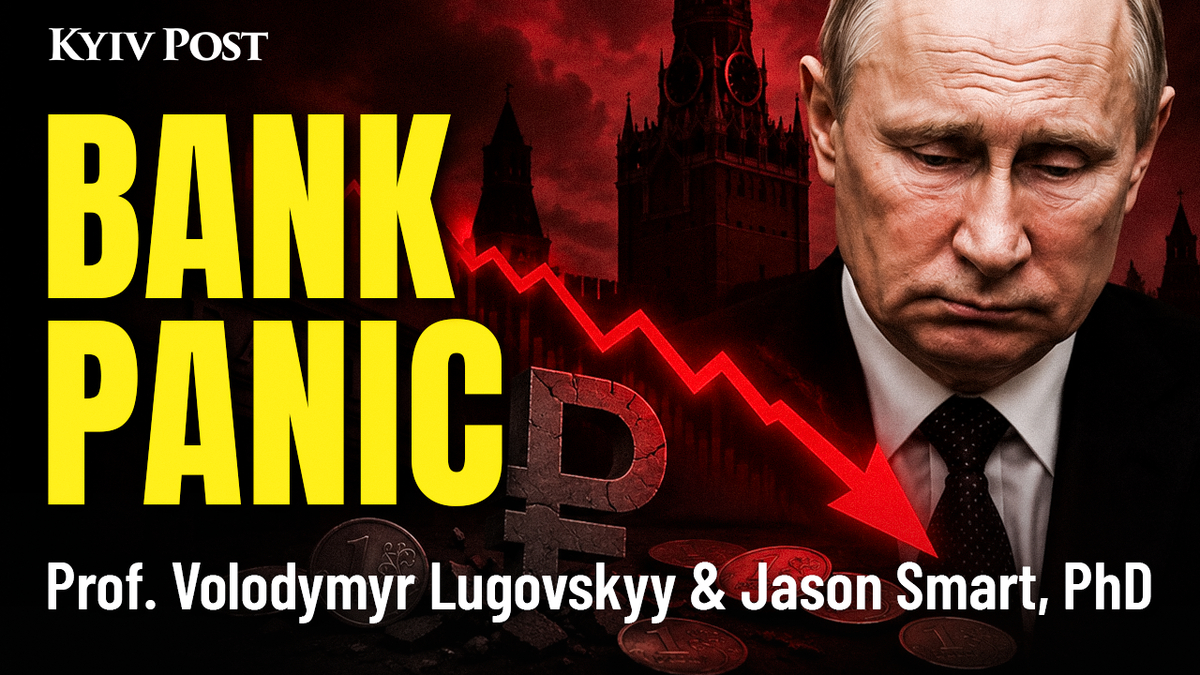
Russia’s banking sector has quietly crossed a line that the International Monetary Fund considers the definitive marker of a systemic crisis. Toxic and non-performing assets now exceed 10% of the system, a threshold that, if sustained for three consecutive months, formally qualifies as a systemic banking crisis under IMF methodology.
The warning comes not from Western critics or Ukrainian intelligence analysts looking to score points. It comes from Moscow’s own Center for Macroeconomic Analysis and Short-Term Forecasting (CMACP), a pro-Kremlin think tank that has cautioned Russia could face a full-blown banking crisis by late 2026 if the trajectory continues.
The numbers behind the stress
Roughly 11% of corporate loans and 12.9% of unsecured consumer loans are now classified as problem assets in 2025.
Overdue loans hit 2.3 trillion rubles by October 2025, a figure that increased 1.6 times over the preceding nine months.