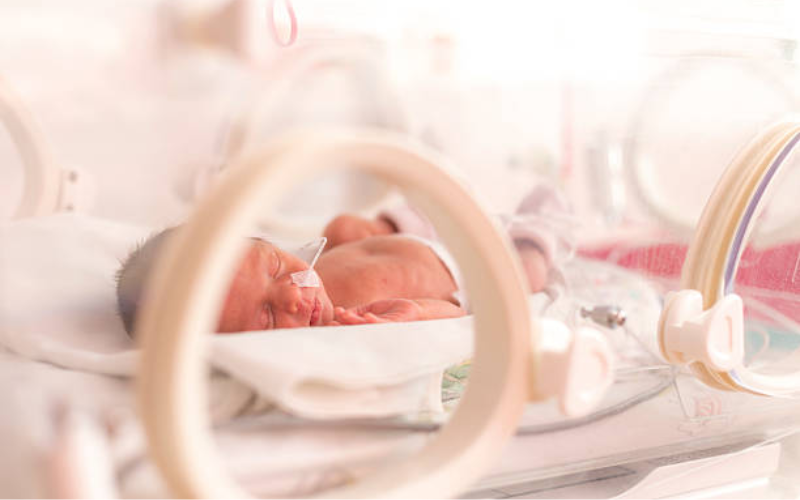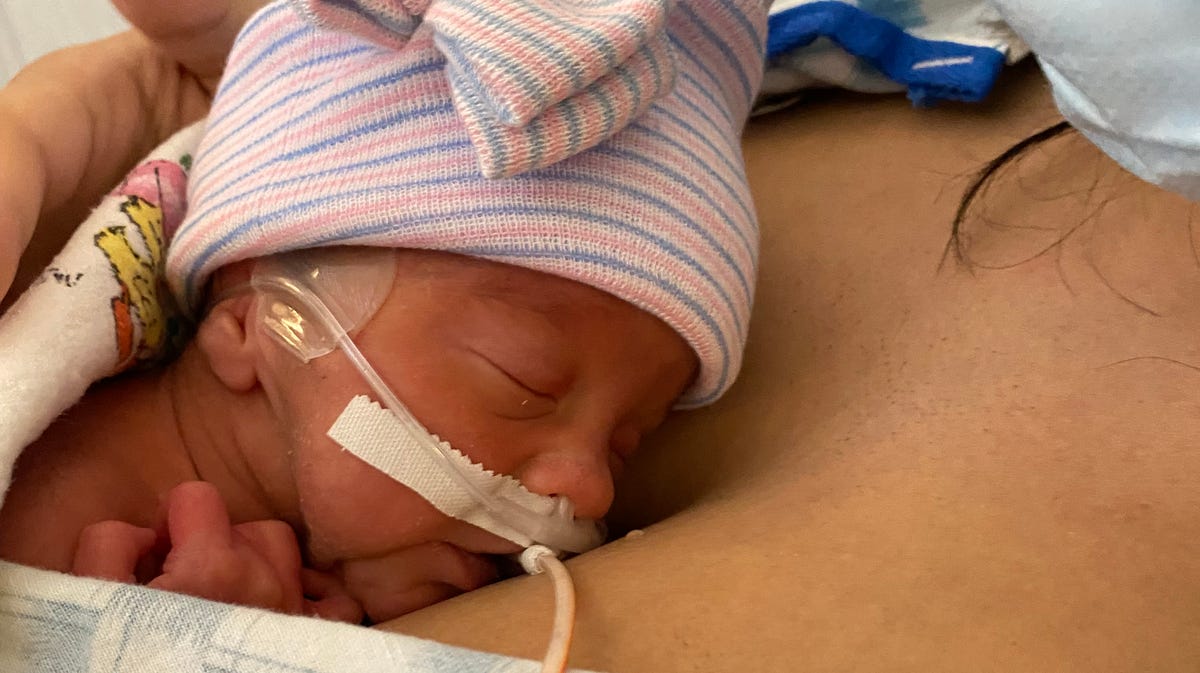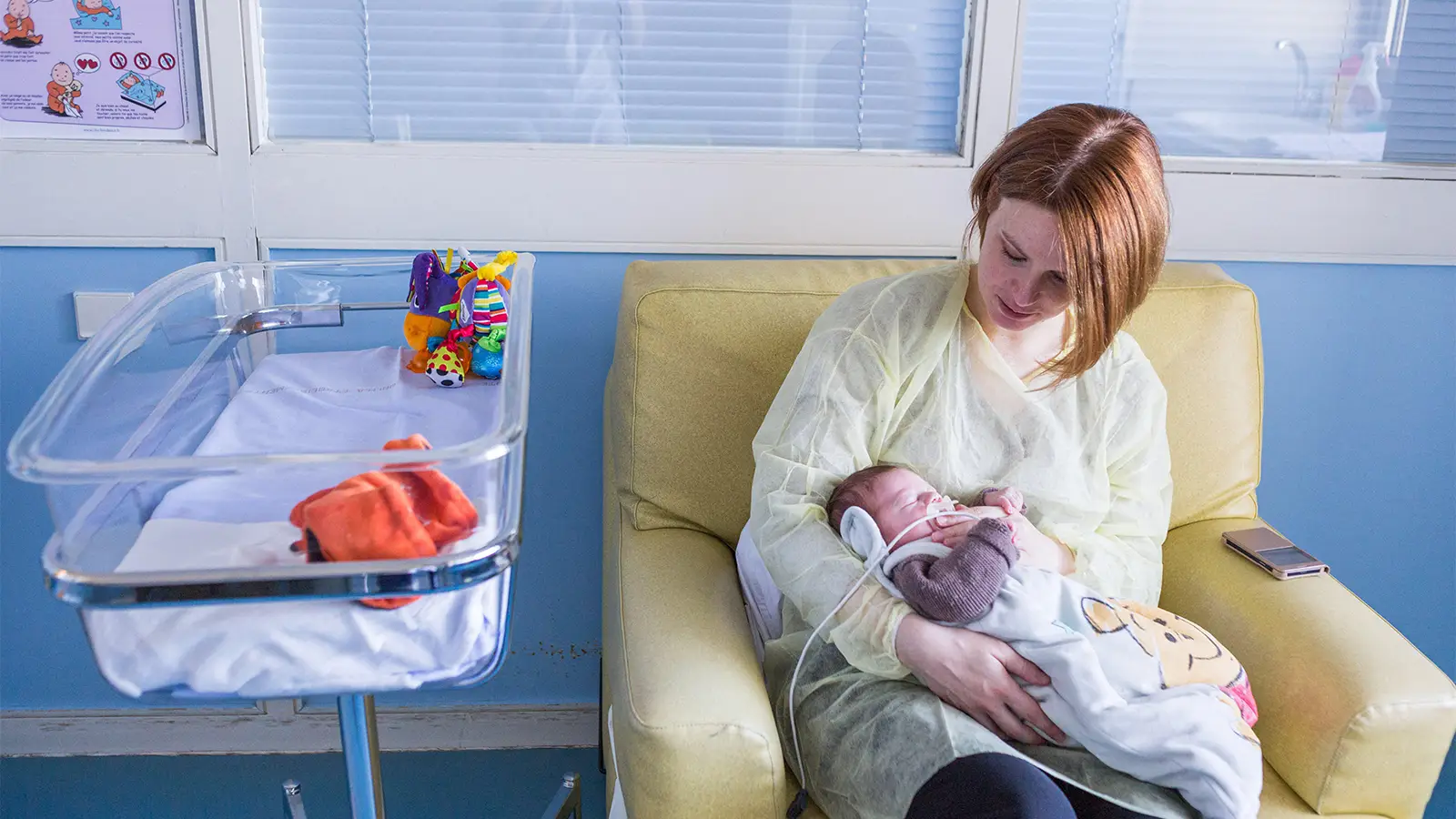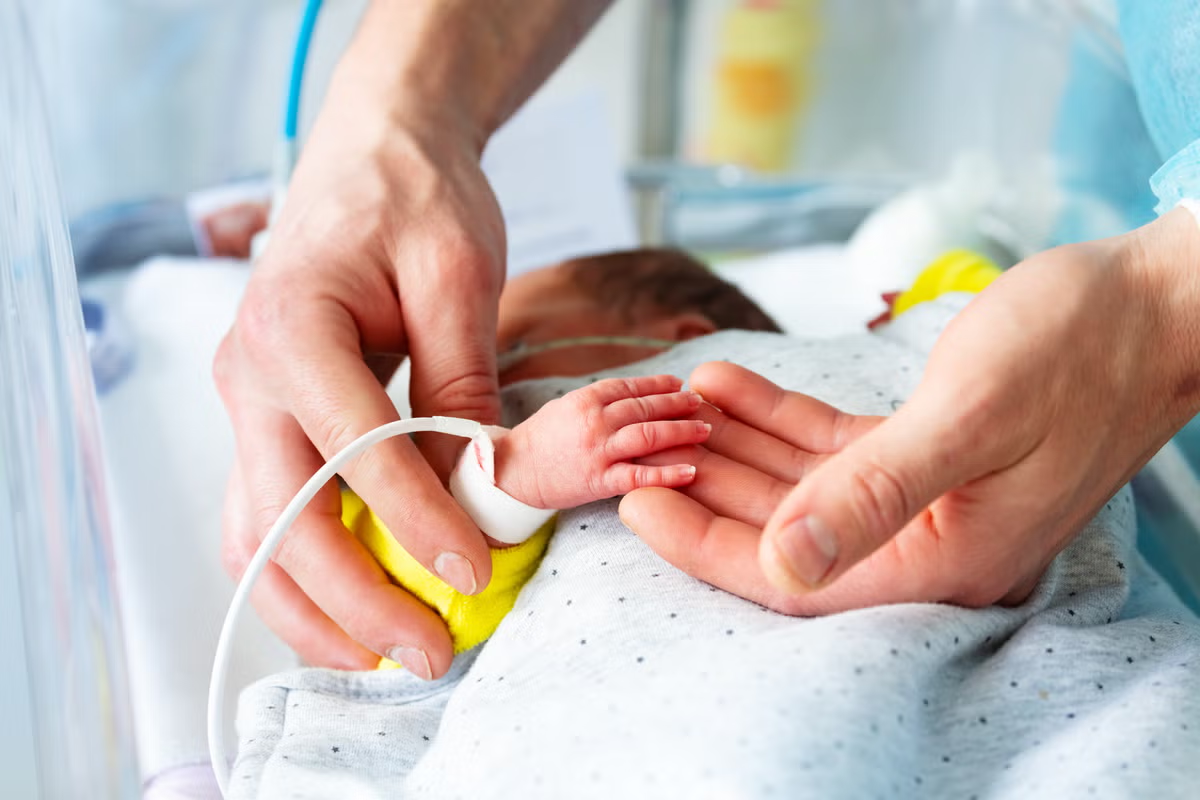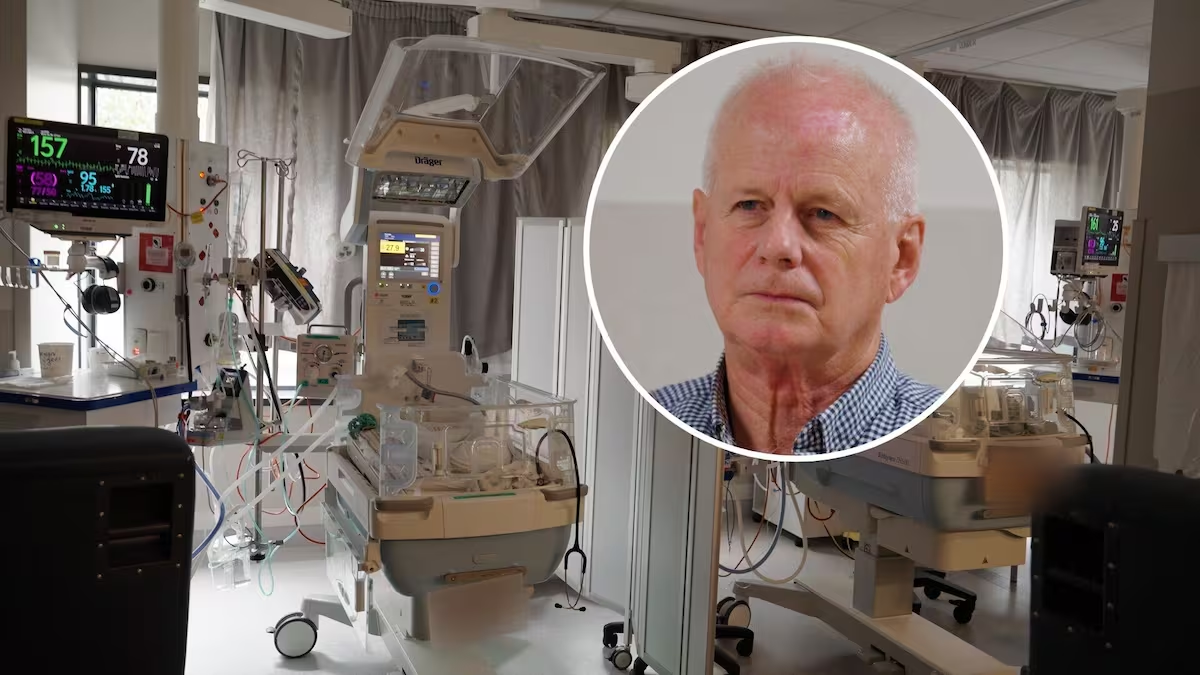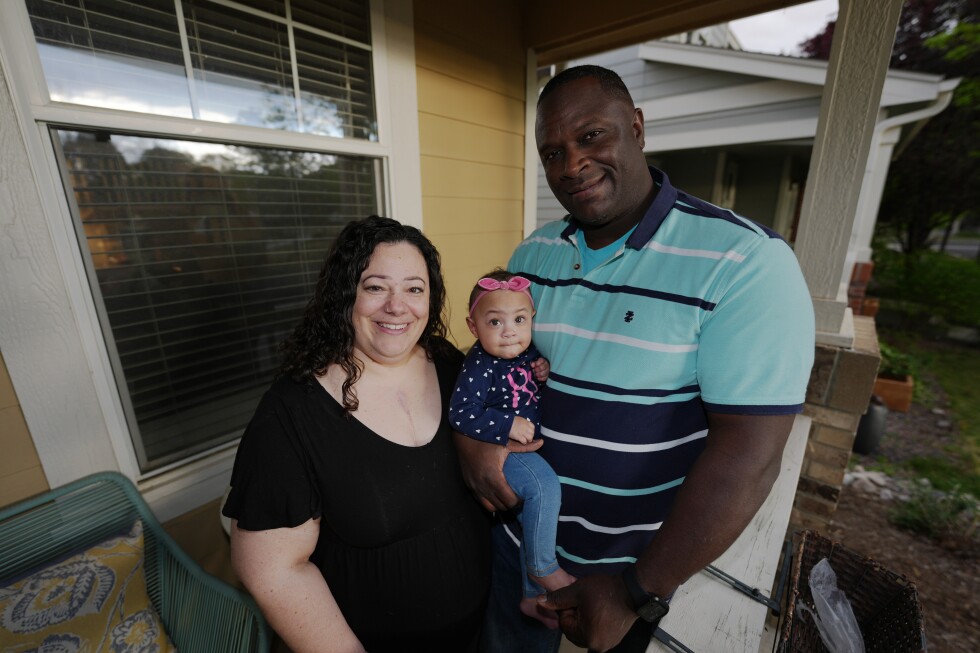
NEW YORK (AP) — Moments after his daughter Olivia was born, Marlon White felt his wife’s hand slacken as she fainted. The baby, born at 29 weeks weighing about 2 pounds, wasn’t making a sound as she was rushed to the neonatal intensive care unit. Terrified, he waited in the hall while the doctors stabilized his newborn and wife.The next day, White, a welder, was back at work. Two days later, his wife, Farra Lanzer-White, was also back on the job, setting up a work station at the Denver hospital. For two months, first at one hospital then another, she kept up with emails and meetings as alarm bells went off each time Olivia stopped breathing, as she herself prepared for open-heart surgery for a condition discovered during her difficult pregnancy.The Fort Collins, Colorado couple made a choice familiar to many parents with newborns in intensive care: Keep working while the baby is in the NICU to save any parental leave they might have for when the baby comes home. They are now part of a growing movement advocating for the adoption of NICU leave in the country’s patchwork of family leave policies, which differ between states, cities and companies.
In January, seven months after Olivia was born, Colorado became the first U.S. state to adopt paid NICU leave, offering up to 12 weeks for parents with newborns in intensive care on top of the 12 weeks of parental leave under the state’s family and medical leave program. A more modest policy will take effect next month in Illinois, guaranteeing between 10 and 20 days of unpaid leave to NICU parents.