We and our vendors use cookies and similar methods (“Cookies”) to recognize visitors and remember their preferences. We also use Cookies for a variety of purposes, including analytics, to measure marketing effectiveness and to target and measure the effectiveness of ads. You can accept or reject the use of Cookies for individual purposes below. Some vendors process your data on the basis of their legitimate interest - you can object to such processing below. Your preferences will be saved in a cookie named “fides_consent” for a maximum duration of 12 months, as well as in your registered user account if you are logged in. If you previously accepted these methods through our prior banner, then we will use your data for targeting. Your preferences will apply on nytimes.com, as well as our News, Cooking, Games and Audio apps. Your preferences here are unrelated to Apple’s App Tracking Transparency Framework.
Supported by
By Mushon Zer-Aviv
Mr. Zer-Aviv is a designer, writer, educator and activist based in Tel Aviv. He is a board member of A Land for All.
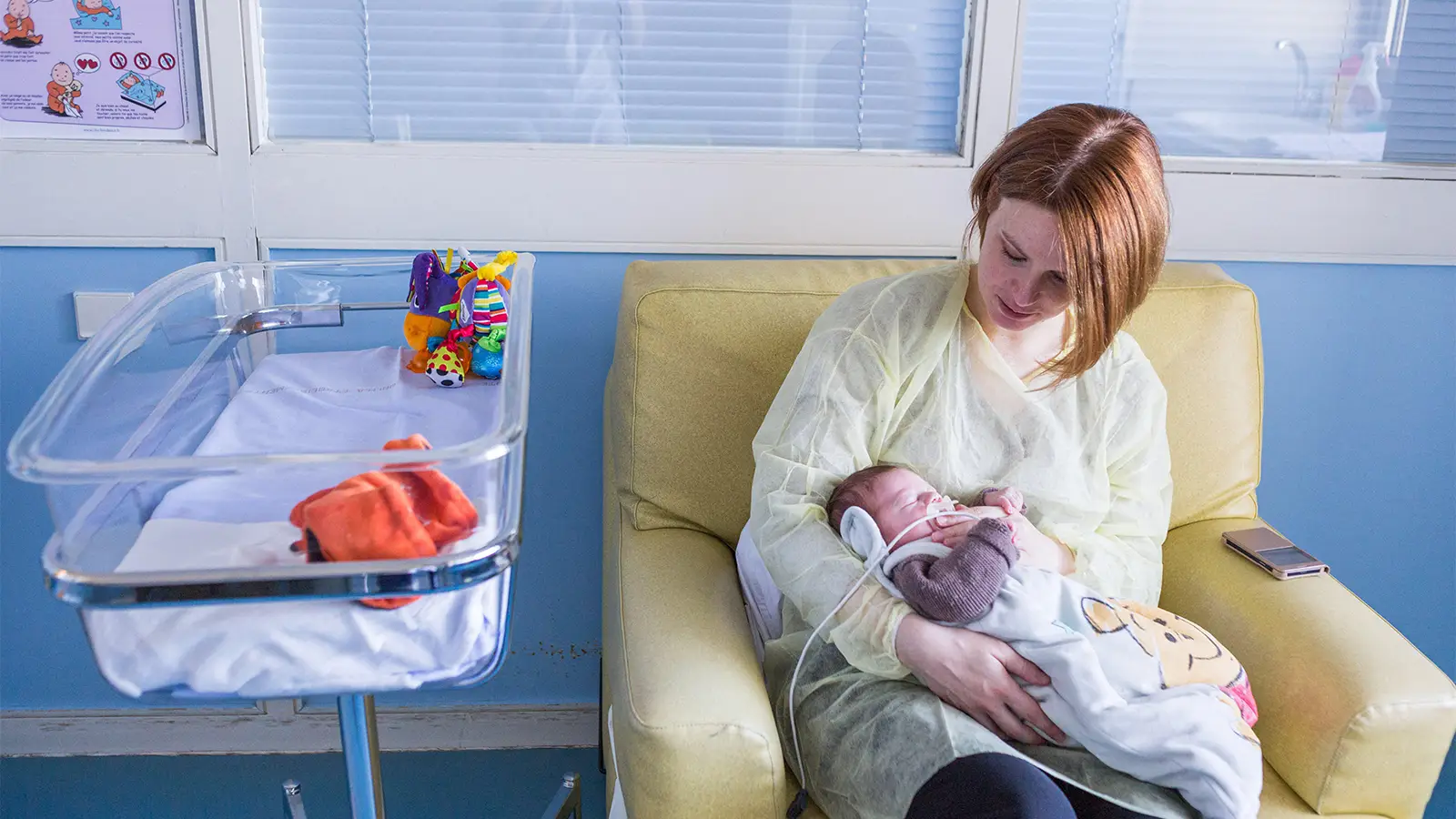
Of all the horrifying images coming from Gaza, the one that finally broke me was an Instagram video of Dr. Ali Alhaj Salem, a specialist in the neonatal intensive care unit, or NICU, at Al-Helou Hospital. In it Dr. Salem explains that the premature babies in his care have been born early largely because of their mothers’ malnutrition and that, for the same reason, the hospital is experiencing a shortage of breast milk. The mothers are simply too malnourished to produce it, he says. His voice is unemotional, his language professional. He doesn’t cast blame. He doesn’t even mention the blockade of humanitarian aid that kept food, water and fuel from reaching those dependent on it in Gaza. As incubators beep in the background, the doctor explains that the infant formula they need is “not available in our market now.”