“You did it, you earned it, you deserve it,” Belgian classical scholar and linguist Gonda Van Steen said at the swearing-in ceremony of 111 people who acquired Greek citizenship, on May 4. Standing in the conference room of the Old Parliament in downtown Athens, she praised their efforts, the long and difficult road they had to travel to get out of “a relative invisibility” and move “to final institutional recognition.” She stressed that they now have “every right to belong.”
“It doesn’t mean that you forget your roots,” the Koraes Chair of Modern Greek and Byzantine History, Language and Literature, at King’s College London pointed out. “You remember them even though they are very far away, but you have also put down roots in this country.” Her own – honorary – naturalization had preceded the ceremony.
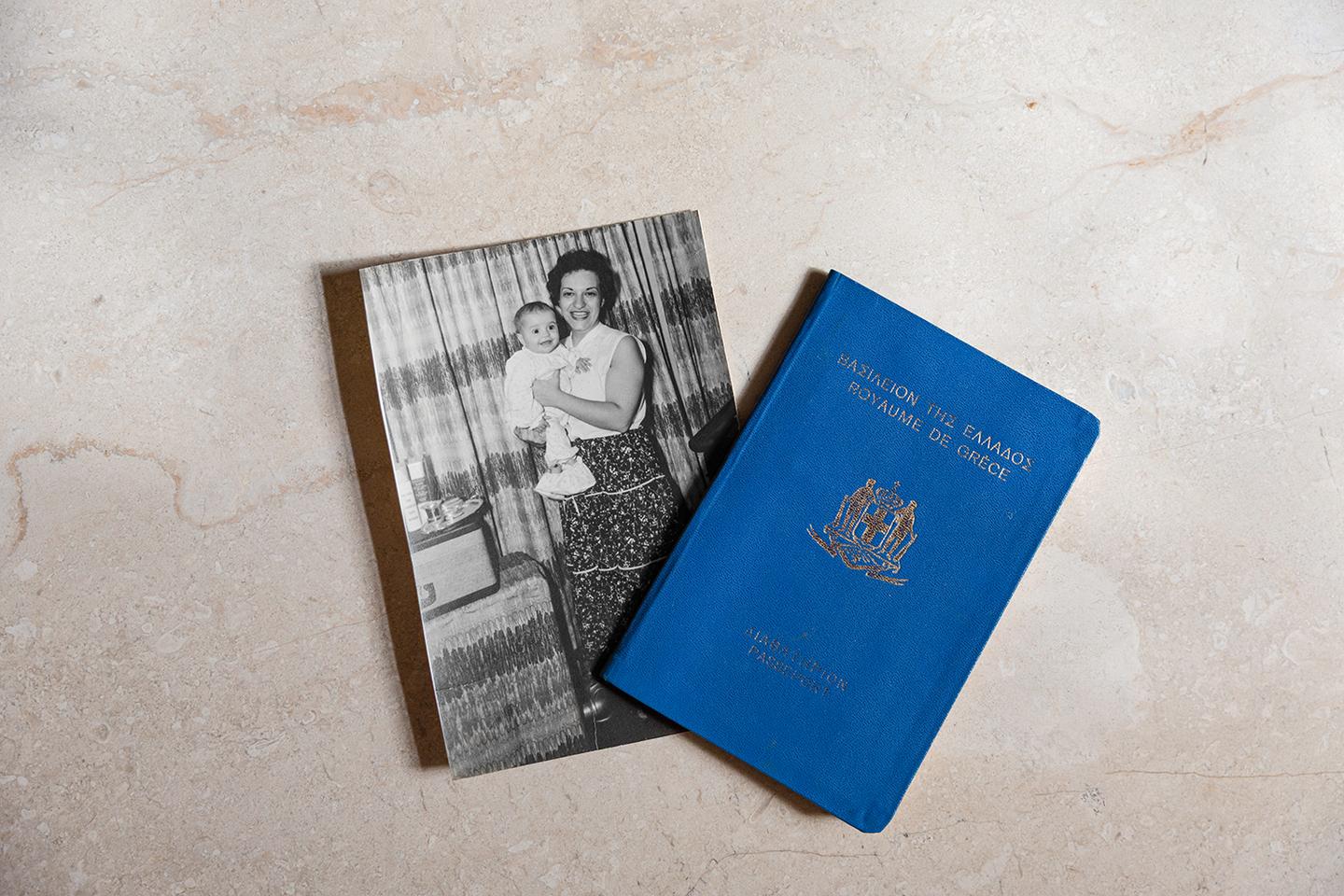
The fruits of her research Van Steen did not expect this moment to come, even though she has dedicated her academic career and scientific work to Greek studies. Nor was this her goal when she began her meticulous research, years ago, on the approximately 4,000 children sent from Greece to childless couples in the United States during the Cold War, in a mass adoption program, often through opaque and inadequate procedures. In recent years, she and other fellow “travelers” have systematically pushed to overcome bureaucratic obstacles and rationalize the process of regaining citizenship for the so-called “lost children.”