Sara Ishaq’s highly anticipated fiction debut “The Station” is the multi-layered feature we’ve been hoping would follow her impressive 2013 documentary “The Mulberry House.” Much has changed in Yemen — for the worse — over the past decade, and the country’s absence on screen apart from one-dimensional news reports puts extra pressure on any filmmaker looking to humanize its population. Ishaq is aware of this responsibility but not straitjacketed by a need to “explain”: Instead she’s made a film peopled with women and boys who go beyond simple archetypes, setting joyful female solidarity against omnipresent conflict in a way designed to communicate with a broad demographic.
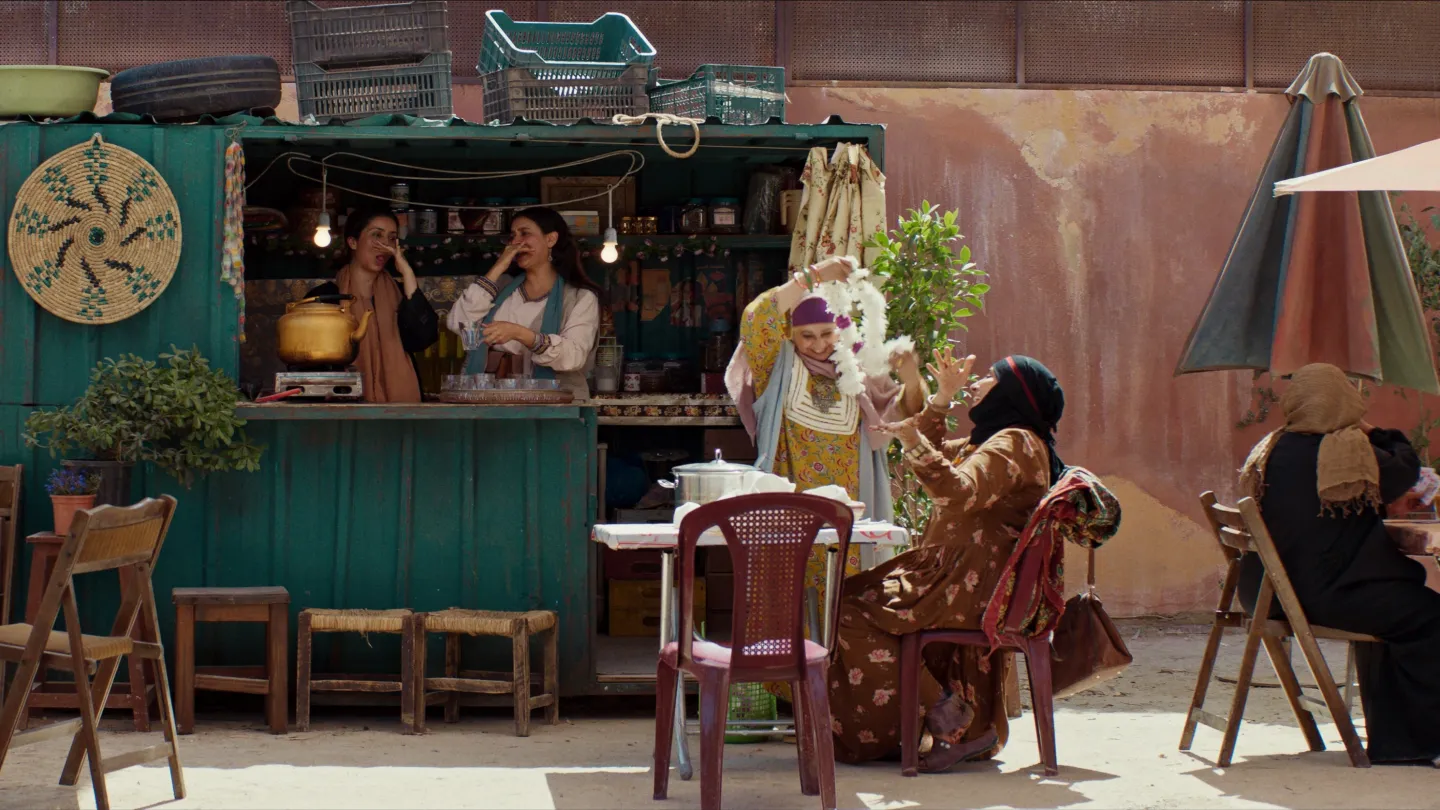
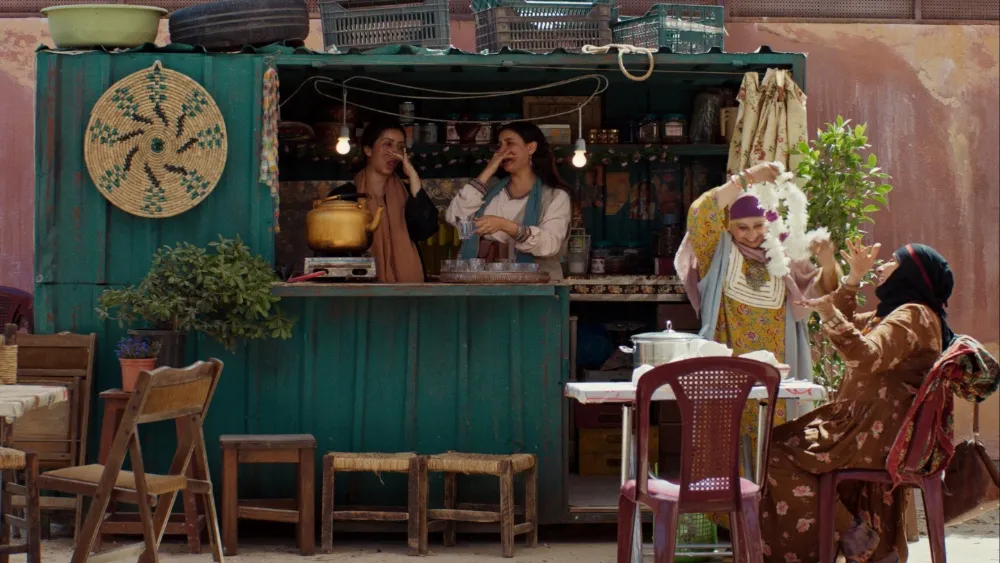
Given the film’s strengths, it’s frustrating to see how Cannes’ main sections once again ignore Arab content (especially this year); their loss, since “The Station” is bound to be one of the buzzier titles in Critics’ Week. The titular locale is a women-only gas station whose resourceful owner Layal (Manal Al-Mulaiki) creates a safe space offering contraband lingerie and girl talk alongside severely rationed gasoline, though it’s the comfort of mutual support away from religion and politics that draws the women back day-by-day.