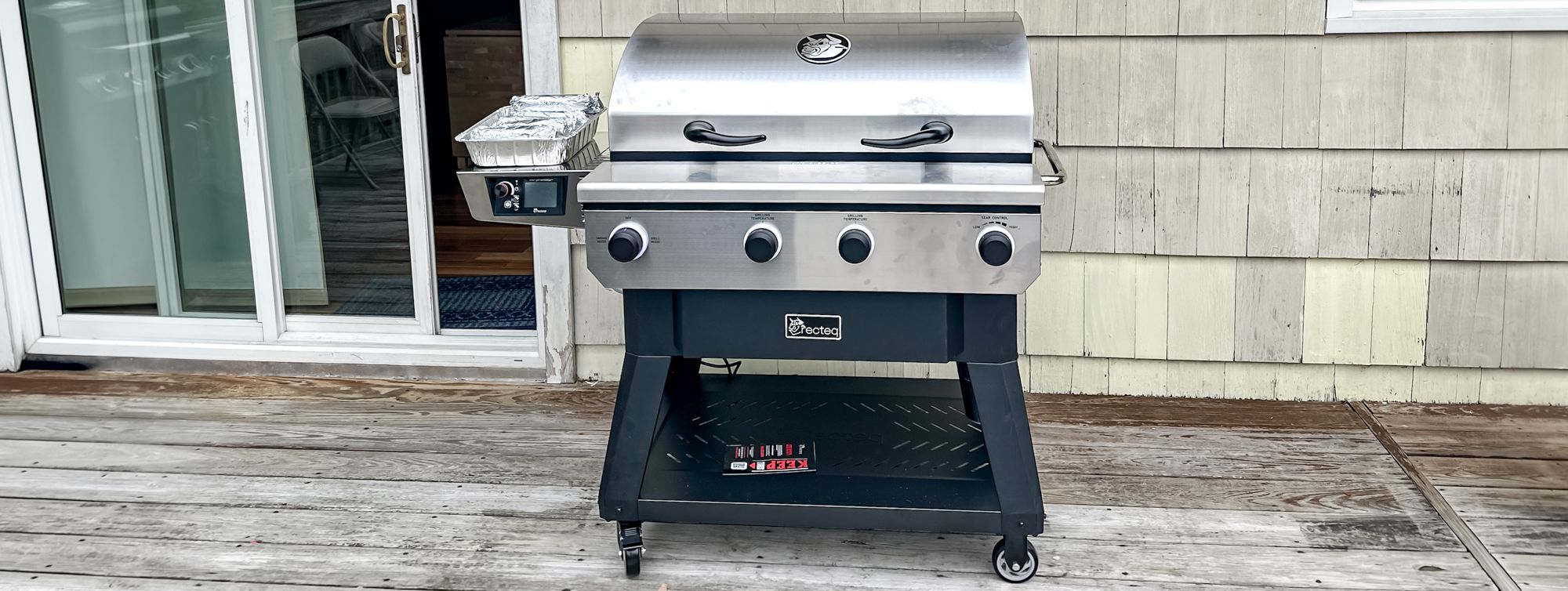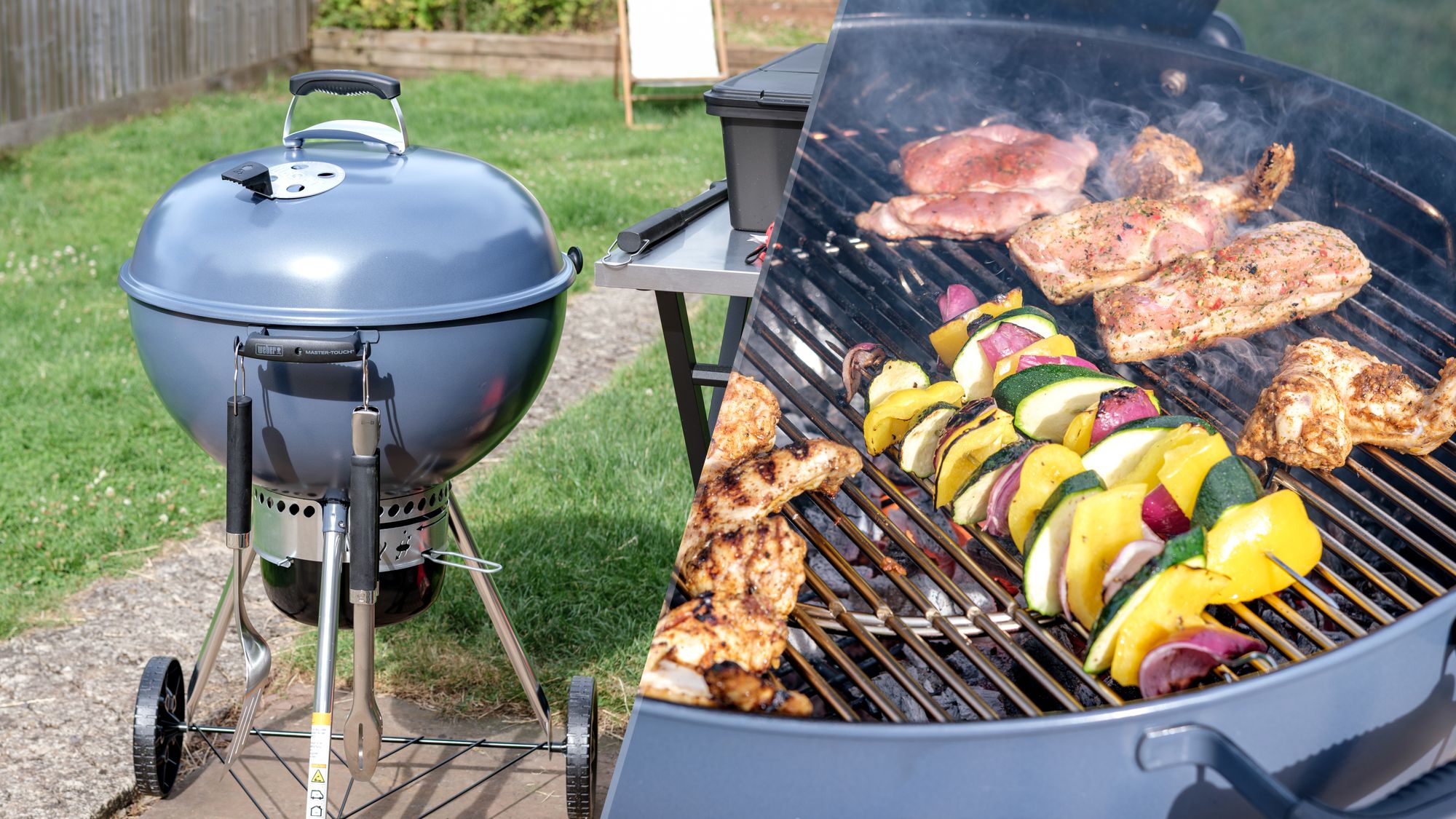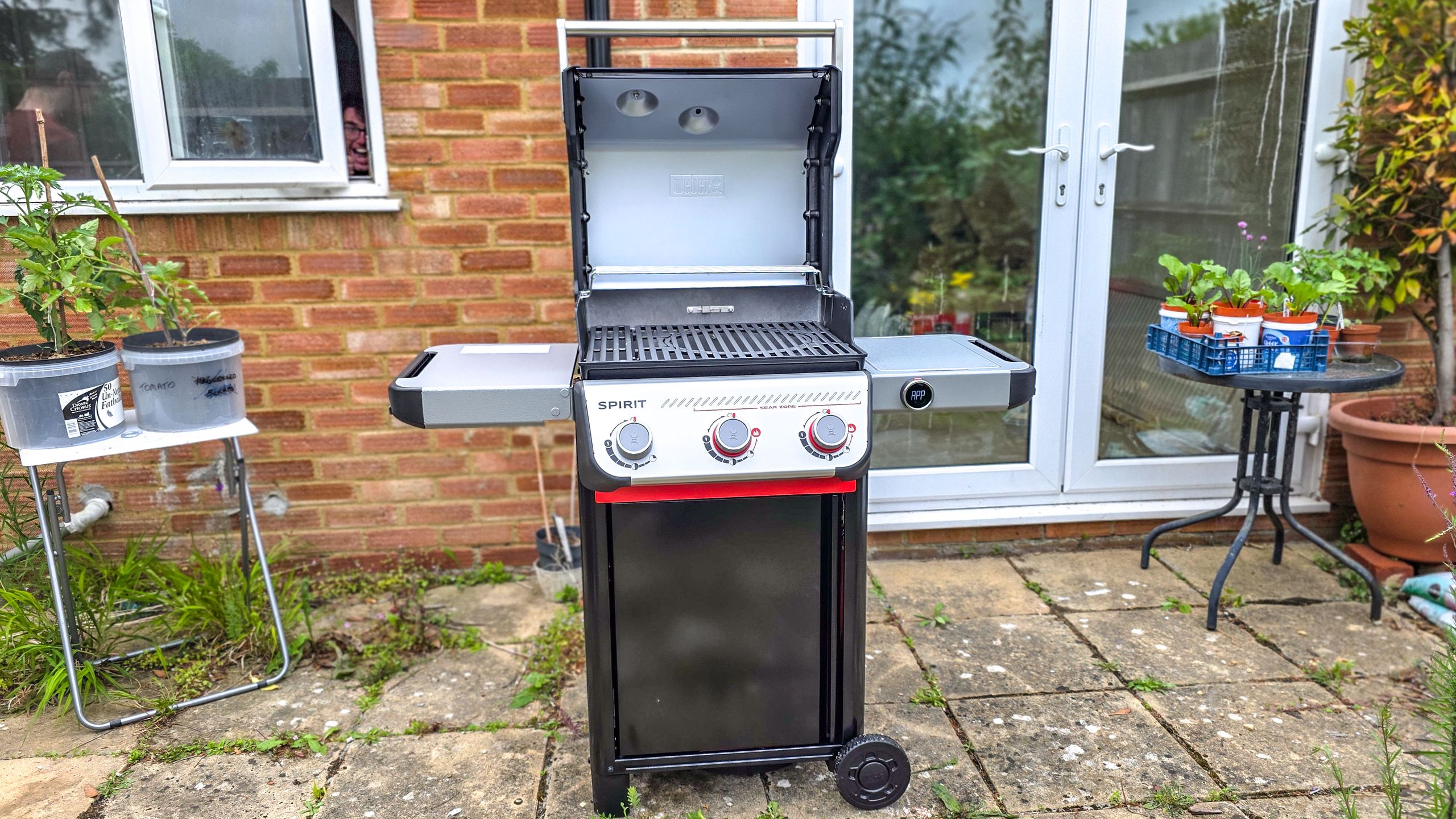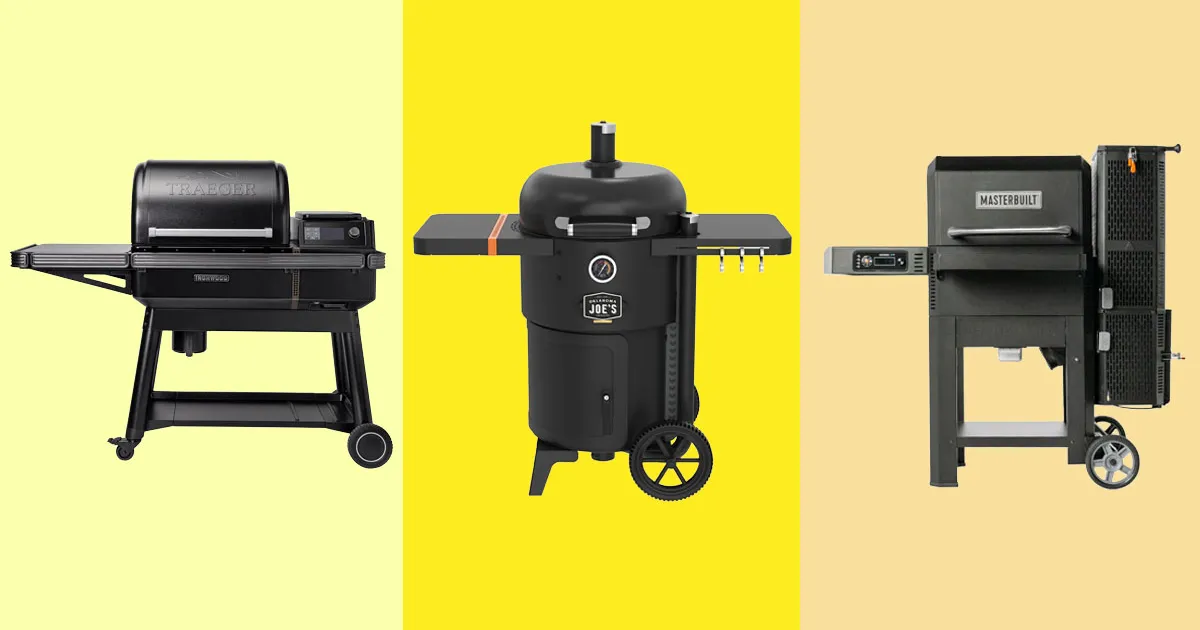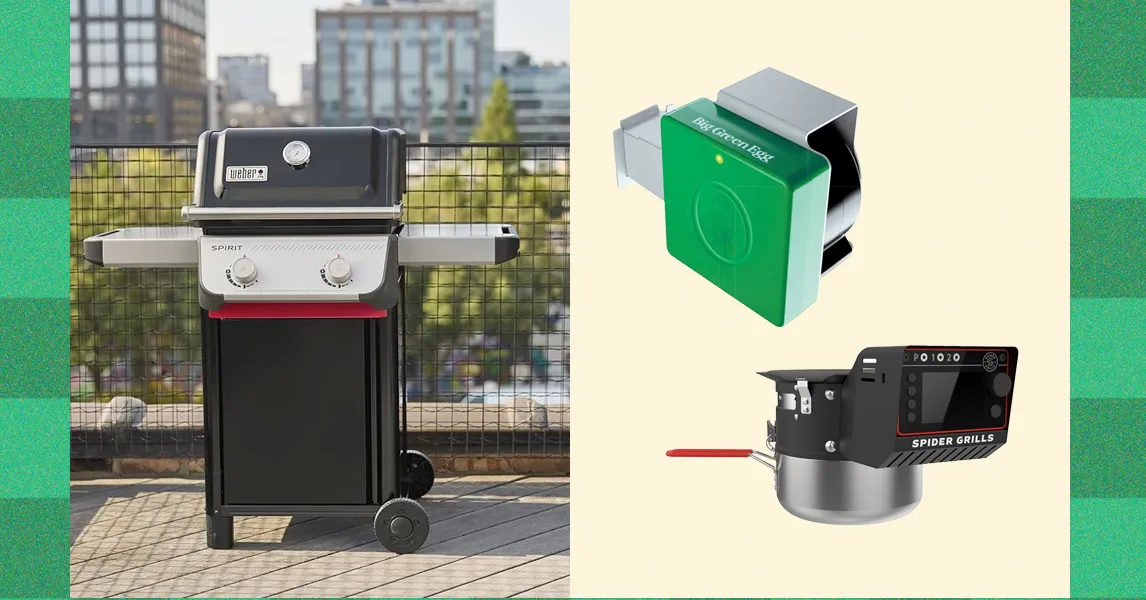
The Grill has changed. The smoker has changed, too. Once governed mostly by feel and experience, the best grills and the best smokers now offer a fair amount of tech to measure and control temperature (think: temperature probes and fans to modulate airflow). After all, mankind's formative invention wasn't the “discovery” of fire; it was the power to control it.The WIRED Reviews team has been testing grills for more than a decade—searing, smoking, grilling, and even baking on them in all kinds of weather—to find the best choice for everyone. These days, I've been most excited about the next-gen smart technology that allows for tight monitoring and temperature control. For instance, I tricked out my top-pick for smart upgrades, an old-fashioned Weber kettle, with the excellent Spider Venom ($280) digital temperature controller that allows me to turn my charcoal grill temps up and down like an oven. Summer is good. Also, charcoal makes all meat taste more like bacon. Mmmmm, bacon.After you're set with the best grills and smokers, check out other backyard buying guides for all your outdoor needs, like the Best Flat Top Grills and Griddles, Best Wireless Meat Thermometers, and Best Smokeless Firepits.Best Charcoal Grill for Smart UpgradesWeber Original Kettle CharcoalJump to reviewBest Smart Pellet SmokerRecteq Flagship 1600 Pellet Smoker and GrillJump to reviewBest Smart Charcoal GrillMasterbuilt Gravity Series 1150 Digital Charcoal GrillJump to reviewBest Gas GrillWeber Spirit E-210 Gas GrillJump to reviewJump to SectionOther Grills I RecommendA Grill to AvoidWhat to Look for in a Good GrillHow to Upgrade Dumb Grills to Smart GrillsUseful Grill AccessoriesBest Charcoal Grill for Smart UpgradesPhotograph: Matthew KorfhagePhotograph: Matthew KorfhageVideo: Matthew KorfhageWeberOriginal Kettle CharcoalWIRED/TIREDWIREDSimple, durable, reliable, and affordableNear-infinite smart-tech upgrades availableLightweight and portableTIREDIt could do with better wheel nutsUpgrades often cost more than the grillI'd argue that the best way to take advantage of top smart-grill technology is to add the newest and best tech to a sturdy, old-fashioned, classic grill that'll outlast the tech. A grill like the classic 22-inch Weber Kettle.The Weber Kettle is the infinitely hackable Honda Civic of backyard grills. Its combination of simplicity, reliability, durability, affordability, and outright ubiquity has spawned an innovative secondary market devoted to tricking out the humble cooker with smart temperature controls and more features than a multiplex.The best Weber add-on I've tried so far is a fan-modulated temperature controller from Spider Grills called the Venom ($280) that tracks the temperature on each cook, allowing you to heat it up or turn it down, like a stove. According to my testing, it holds your charcoal grill to temperature within about 30 degrees Fahrenheit of the target, which is great for both low-and-slow cooking and for creating repeatable sear temps for a steak. This is especially true when using the attached meat probes. The only downside is that the Venom needs to be plugged in. Might I suggest a nice power bank?WIRED product reviewer Scott Gilbertson has favored the excellent Weber Connect Smart Hub ($70) for years, which features probes to monitor meat temps and flipping times and can alert your phone (or just your ears) when your grill hits the ideal temperature zone. However, he admits that the Hub's USB-A charger is starting to feel a bit old-fashioned.This year, Weber is also coming out with a Performer Smart Ring ($280) that seems to operate a lot like the Venom. If it works anywhere near as well as the Venom, I'm eager to try it out.But not every kettle upgrade worth trying is “smart.” I am in the process of testing a number of add-ons to the 22-inch Weber Kettle, including a Webcraft cooking ring ($249) from Spider that serves as a base for side shelves, a rotisserie, and a pizza oven conversion kit. A Weber rotisserie ($180) is also available from the Illinois mothership.Note also that there are two versions of the Weber Kettle: Original and Premium. The Premium is around $80 more and features a built-in thermometer in the lid, a hinged cooking grate, and a fancier ash-removal system. They're the same size and feature the same cooking space. Unless you really like the easier ash-removal system, save that cash and stick with the Original Kettle. Then put that money into cool upgrades.For all of its strengths, my one wish for the Weber Kettle is better wheel nuts holding the big wheels in place. Unless you really hammer them on, they do have a tendency to slip off at inopportune moments.A Sturdy Charcoal Alternative: The PK 300 ($700) is a fantastic old-school grill. It's made of cast aluminum, so it's a little heavier than the Weber, but you can also use for ovenlike cooking, much like a Big Green Egg (see below). The main reason Weber wins here is price, comparable durability, and the ability to add features as needed. But if you want a simple grill that's heavy-duty, dependable, and comes with a 20-year warranty, the PK 300 is it.Best Pellet SmokerPhotograph: Brad BourquePhotograph: Brad BourquePhotograph: Brad BourqueCourtesy of RecteqRecteqFlagship 1600 Pellet Smoker and GrillWIRED/TIREDWIREDConsistent heat across a very large cooking surfaceGenerously sized pellet hopperSuper low maintenanceTIREDApp is well-featured but a little buggyGeorgia-based Recteq is the hold-my-beer of grill companies, the one with wild ideas and a yen for experimentation. It's currently a big source for innovation in pellet grills and pellet griddles. The Flagship 1600 pellet smoker and grill from Georgia-based Recteq is a Wi-Fi–enabled smart device with a connected app that lets you monitor and adjust temperature from wherever you are. The app stores up to 30 days of cook history in a graph you can review, allowing you to dial in cooks over time. The app is a little buggy, mind you: But it's useful.Where the Recteq shines most is in the generous 40-pound hopper that allows for long cooks and even heat across the entire surface of its spacious grill. (The “1600” in its name refers to the total square inches of cook space, including racks). The Flagship achieves evenness of heat through innovative design. The fire pot, located smack in the center of the barrel, has a symmetrical heat spreader and drip catcher that tilts toward the trays on either end. WIRED product reviewer Brad Bourque measured no more than a 7-degree Fahrenheit difference from the center to the outer edges of the smoker, an astonishing result.The downside is you'll have to clean out two separate drip buckets. But that's a small price to pay for evenly cooked brisket and pork belly. The Flagship also masterfully produced smoke on low-heat cooks—often a difficulty for pellet grills, leading to a generous smoke ring on pork belly and ribs.The Flagship burns low and slow down to 170 degrees Fahrenheit or as hot as 700 degrees for those who want to burn pellets to get a good sear. The benefits add up, even as we're stuck wishing that Recteq would iron out the steep learning curve and occasional buggy push notifications on its app.Brisk-It Zelos-450
Why Is Your Grill So Dumb? The Best Grills Set Temp Like an Oven
I grilled, smoked, seared, cleaned, and synced digital temp controllers to find the best grill option for every cookout and tailgate.
4,945 words~22 min read