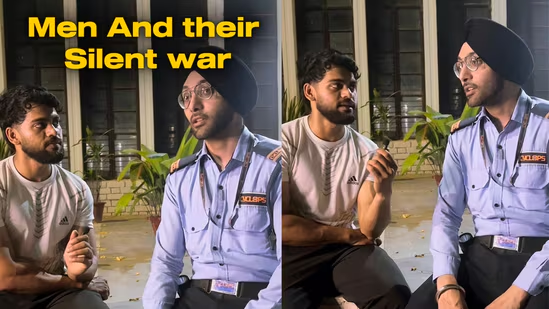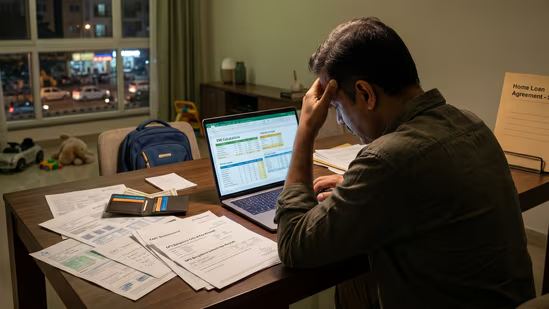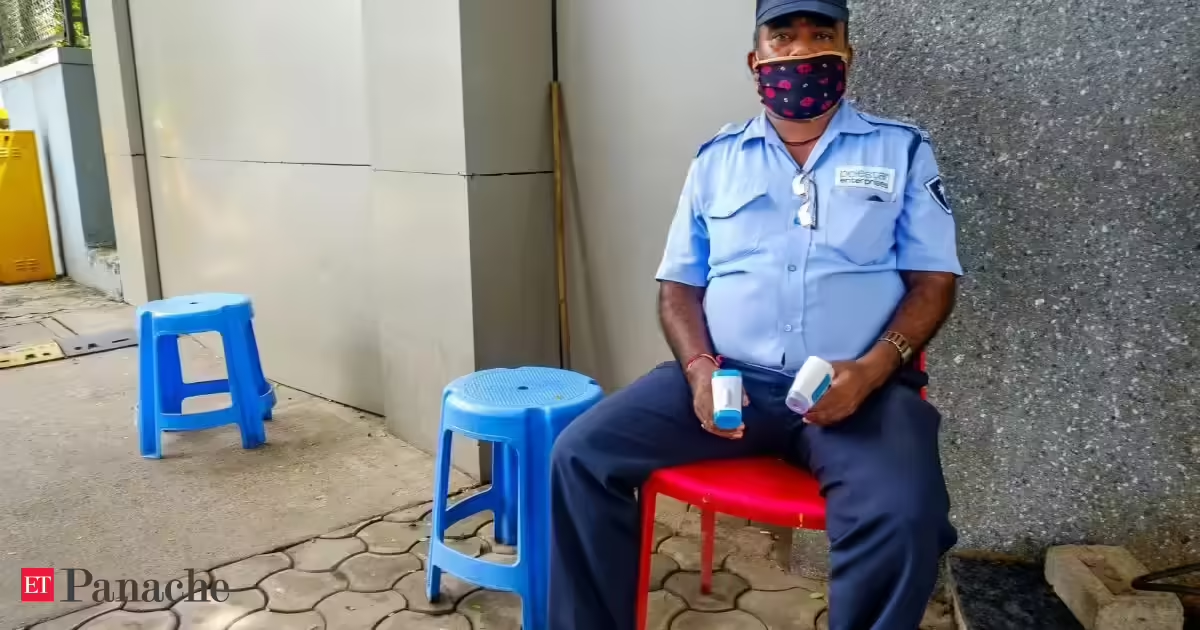
In India’s biggest cities, social media debates often revolve around whether earning Rs 2 lakh or Rs 3 lakh a month is enough for a comfortable life. Discussions about investments, luxury apartments, vacations, and work-life balance dominate timelines every day. But a recent story shared by a Harvard-graduate Indian investor has forced many people online to confront a far harsher reality, one where survival itself becomes a daily struggle and even a basic room to sleep in feels financially impossible. Sharing the incident on X, Vineeth K, recalled a conversation that began casually after a badminton session with friends. While sitting together and discussing the brutal summer heat, the topic shifted toward society security guards, their difficult working conditions, and the high turnover many residential societies witness among staff members. During the discussion, one of his friends shared a deeply disturbing memory from his time living in Mumbai. According to the post, the friend once noticed a security guard sleeping during working hours inside their housing society one afternoon. Initially, they woke him up casually and questioned why he was asleep while on duty. The guard immediately panicked and apologised repeatedly, terrified that he might lose his job. Instead of scolding him, however, the residents decided to simply speak with him. They offered him water because of the extreme heat outside and slowly began asking about his life, work conditions, salary, and living situation. That conversation soon revealed the difficult reality he faced every single day. The guard explained that the housing society officially paid him Rs 8,000 per month, but after deductions made by the contractor, only around Rs 5,000 actually reached his hands. Then came the sentence that stayed with the investor long after hearing the story.Renting a house with Rs 5,000 salary? The guard quietly asked how anyone could possibly rent a home in Mumbai with just Rs 5,000 a month. He revealed that he was not even renting a proper room. Instead, he worked two separate security shifts at different locations and survived by sleeping wherever he could find temporary space near guard rooms or public areas.— DealsDhamaka (@DealsDhamaka) According to the post, the man owned only two sets of clothes. Every morning, he would wash one pair near a public water tap, rush to use overcrowded public washrooms before the morning crowds gathered, freshen up there, and report back to work again. The investor wrote that his friend was left completely shocked listening to the details of the man’s life.Painful boils The most heartbreaking moment came later in the conversation when they asked the guard how he managed to survive during the summer months. In response, the guard reportedly lifted his shirt and showed them his back, which was covered with painful boils caused by constant heat exposure. The investor admitted that this particular image stayed with him long after hearing the story. Reflecting on the incident, he pointed out how disconnected many online financial discussions can become from the realities faced by millions of workers across Indian cities. While social media conversations often focus on wealth creation, investing strategies, career growth, expensive lifestyles, and financial independence, a massive section of the population continues to struggle for basic dignity, shelter, and physical survival. For workers like security guards, housekeeping staff, delivery executives, drivers, and other invisible labourers who quietly keep cities functioning every day, life is often not about building wealth or planning vacations. It is about enduring another exhausting day and finding a place to sleep at night. The investor also used the story to remind people about the invisible labour surrounding urban life. Residential societies, office complexes, restaurants, and delivery systems continue to function smoothly because of workers whose struggles often go unnoticed. He especially highlighted how brutal the ongoing summer season has been for people working outdoors for long hours with limited access to rest, cooling, or healthcare. Ending the post on a reflective note, he urged people to become more patient, compassionate, and supportive toward workers around them. According to him, even small gestures such as offering water, shade, kindness, or respectful conversation can matter far more than people realise.Internet reactsThe story triggered a wide range of reactions online, with some users calling it a powerful reminder of structural inequality. One response argued that empathy alone is not enough and that the issue of underpaid workers persists because low wages have been normalised. The user pointed to the need for fair contracts, proper wage systems, employer audits, and stronger labour protections, adding that basic facilities for guards are often missing in residential societies. Another user expressed gratitude for everyday comforts and said people should remain kind and respectful toward those who make city life function.
‘Rs 5,000 mein yaha ghar kaise lu sir?’: Harvard-graduate Indian investor shares heartbreaking story of Mumbai security guard
A Harvard-educated investor shared a stark story of a security guard in Mumbai earning only Rs 5,000 monthly after deductions. The guard's struggle for basic survival, sleeping in temporary spaces and enduring painful heat boils, highlights the vast disconnect between online financial discussions and the harsh realities faced by many essential workers.
784 words~4 min read